







CyberYozh App vs BigMama: Select a solution that truly works
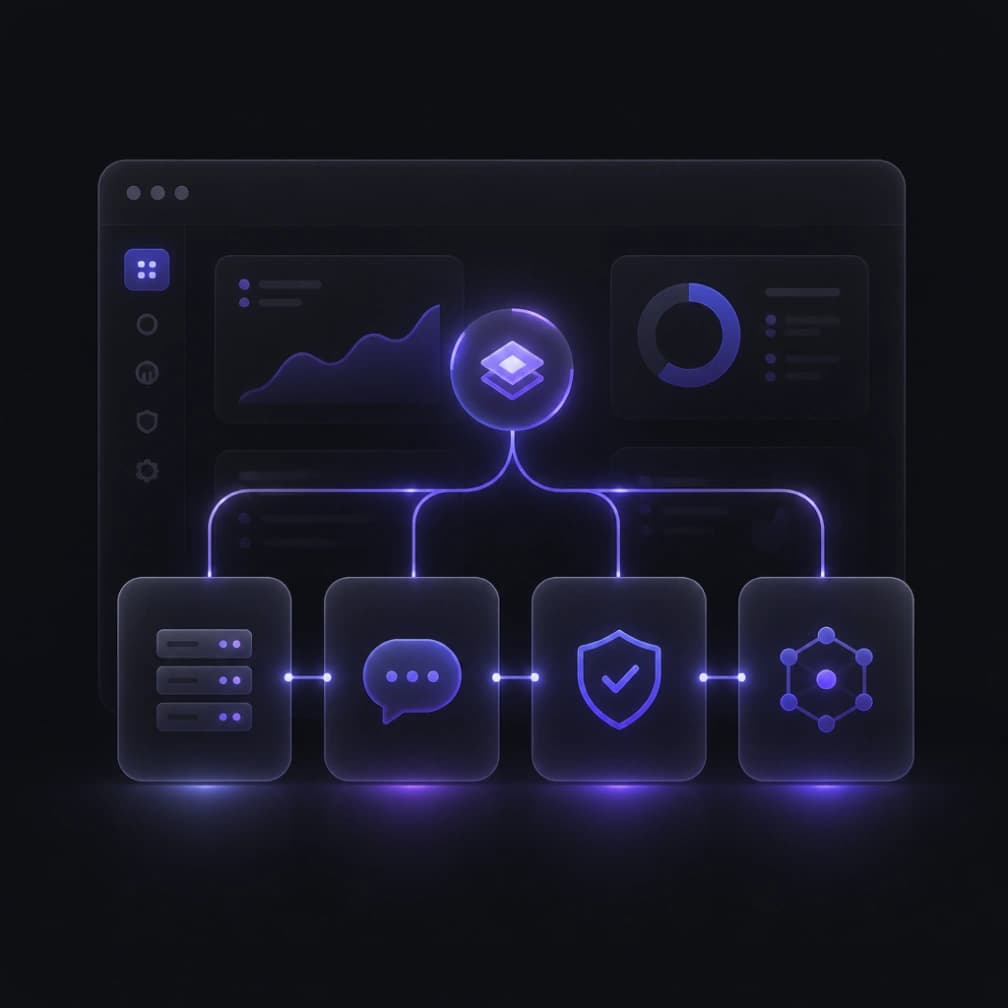
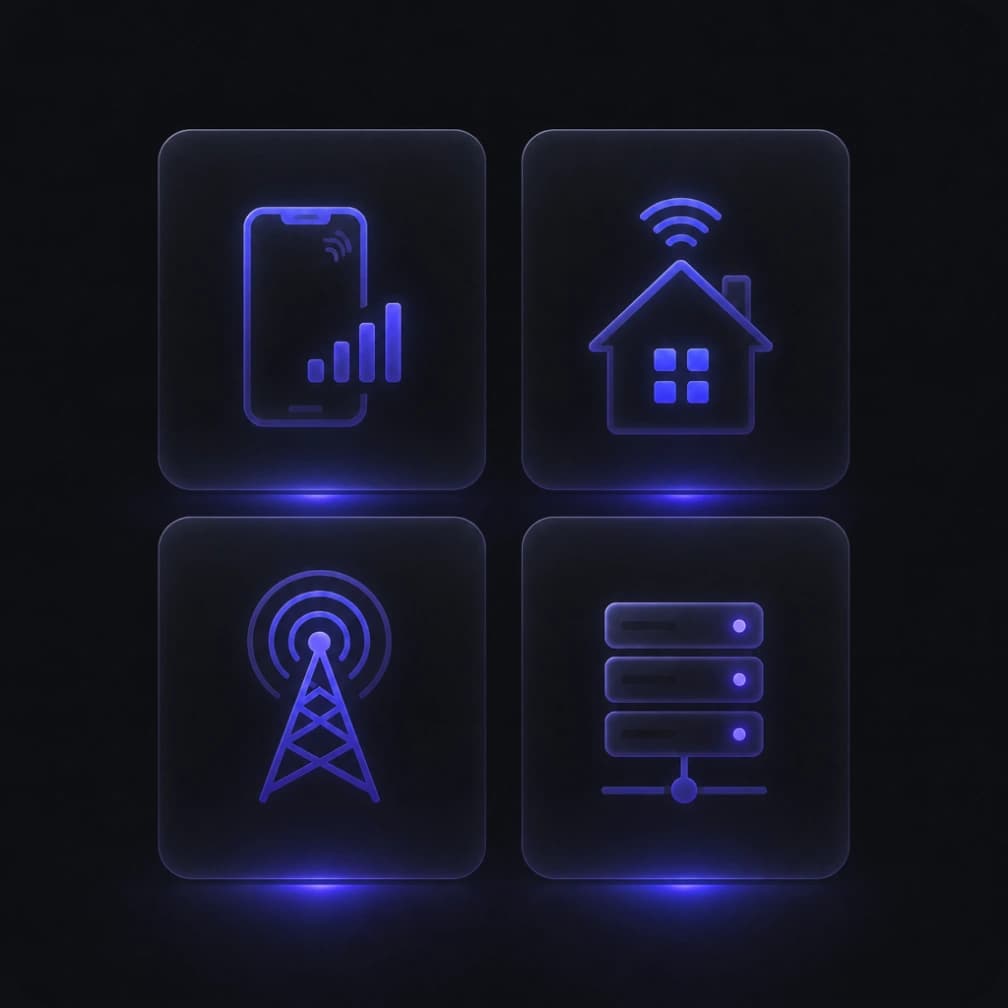
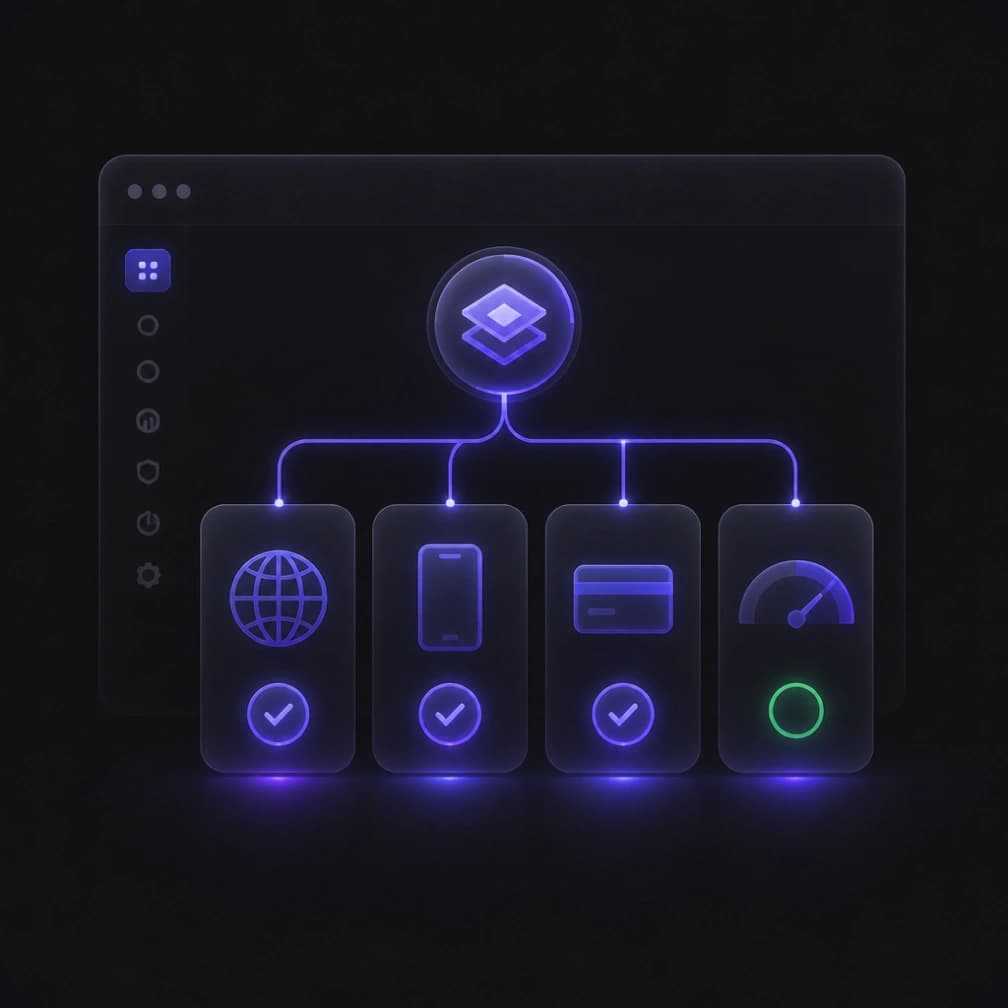
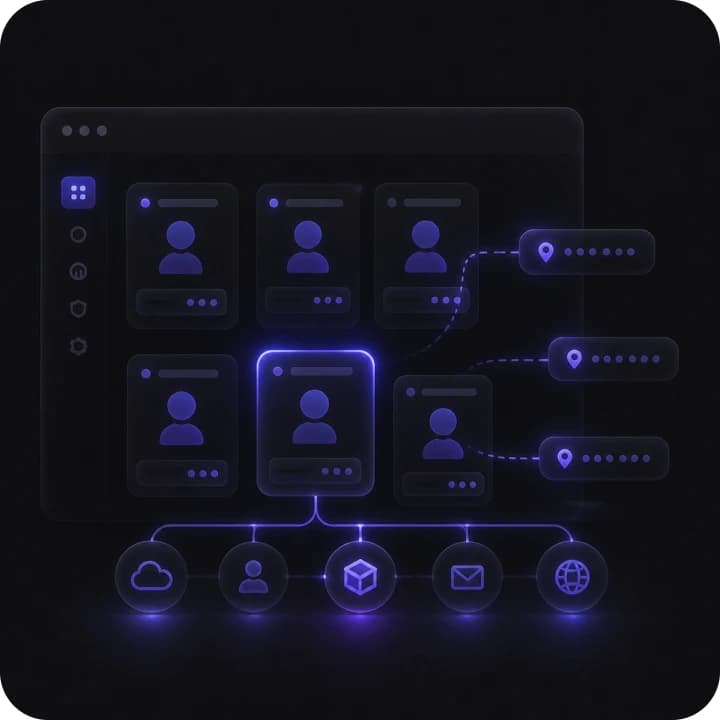
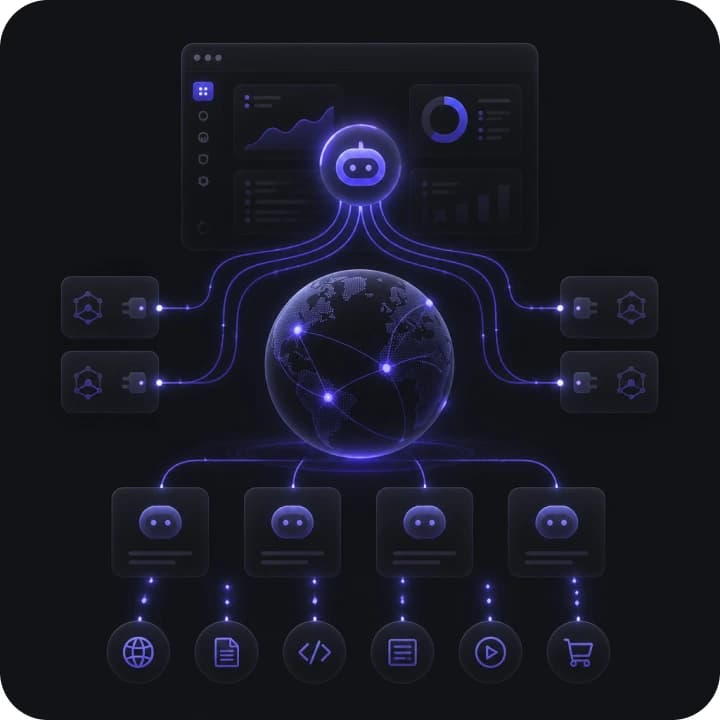
CyberYozh App is built for teams that need a full-scale infrastructure for web operations worldwide. The CyberYozh catalog combines mobile LTE/5G, static ISP residential, rotating residential, and datacenter proxies with API controls, SMS activation, virtual cards, and IP-risk checks. This gives marketers, data teams, agencies, and developers a single operating layer for compliant automation, research, monitoring, and regional testing.
BigMama provides a narrower proxy marketplace centered on LTE/4G mobile and residential Wi‑Fi SOCKS5 proxies. It supports private and shared leases, detailed IP metadata, targeting, and browser extensions, making it a practical option for straightforward daily proxy rental. Its reviewed public materials do not document comparable checker, SMS, virtual-card, or automation-tool components.
CyberYozh App vs BigMama: Mobile proxy quality
Mobile proxies from CyberYozh use real LTE/5G carrier networks with dedicated or shared channels, unlimited traffic, manual and API-based IP changes, and HTTP, SOCKS5, and UDP support. This enables stable, location-aware sessions for approved advertising checks, social-media operations, authentication, and regional research.cyberyozh
BigMama offers LTE/4G proxies from real devices with SOCKS5 access, unlimited bandwidth, private/shared plans, and proxy-level metadata. It is suitable for users who primarily need leased mobile IPs, but its public pages do not confirm 5G availability, API-based switching, UDP support, or carrier-session controls.
Use virtual phone for authentications and integrate CyberYozh proxies with cloud phones where needed
CyberYozh App vs BigMama: Residential proxy tools
CyberYozh provides both residential proxies with dedicated static ISP addresses and rotating residential proxies for scale. Static IPs support persistent sessions; rotating pools provide 50M+ residential IPs, 24-hour session options, filtering, free targeting, and rolling traffic for compliant scraping, SEO, QA, and market research.
BigMama lists residential Wi‑Fi proxies from real devices, with detailed targeting, new IP additions, shared/private selection, and SOCKS5 access. Its public materials do not separate static ISP and rotating residential products with comparable session controls, traffic rollover, published pool size, or filtering features.
Read API documentation to learn how you can automate all operations using CyberYozh
CyberYozh App vs BigMama: Datacenter availability
Datacenter proxies from CyberYozh offer dedicated or shared server IPs for fast, cost-controlled automation. Teams can use HTTP or SOCKS5, monitor proxy details through the API, and select locations for authorized monitoring, API testing, public-data collection, and high-volume tasks where consumer-network identity is not required.
BigMama’s reviewed catalog focuses on LTE/4G mobile and residential Wi‑Fi IPs. It does not publicly advertise datacenter proxies, dedicated server-IP plans, status-tracking APIs, or a datacenter-specific product configuration for high-throughput business workloads.
CyberYozh App vs BigMama: IP quality check
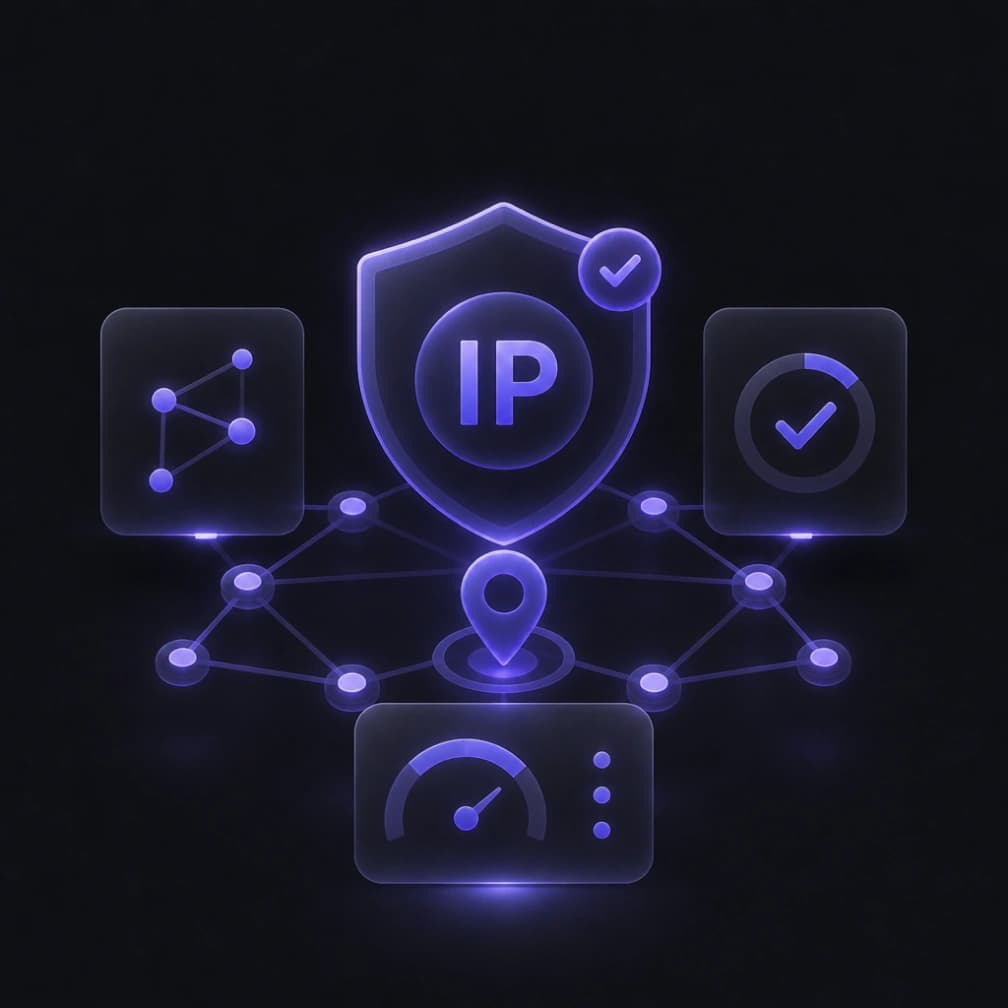
The IP Checker makes CyberYozh a more measurable choice for production workflows. Before deployment, teams can review fraud indicators, blacklists, ASN/provider data, proxy detection, and IP reuse signals. Combined with managed pools and abuse investigations, this helps teams screen risk before traffic is sent rather than troubleshoot after failure.
BigMama emphasizes real-device supply, IP metadata, frequent inventory additions, and a native TCP fingerprint. However, its public proxy service pages do not document a dedicated fraud-score product, blacklist-analysis workflow, automated quality gate, or equivalent risk checker for selecting IPs before a task begins.
CyberYozh App vs BigMama: AI agents and automation
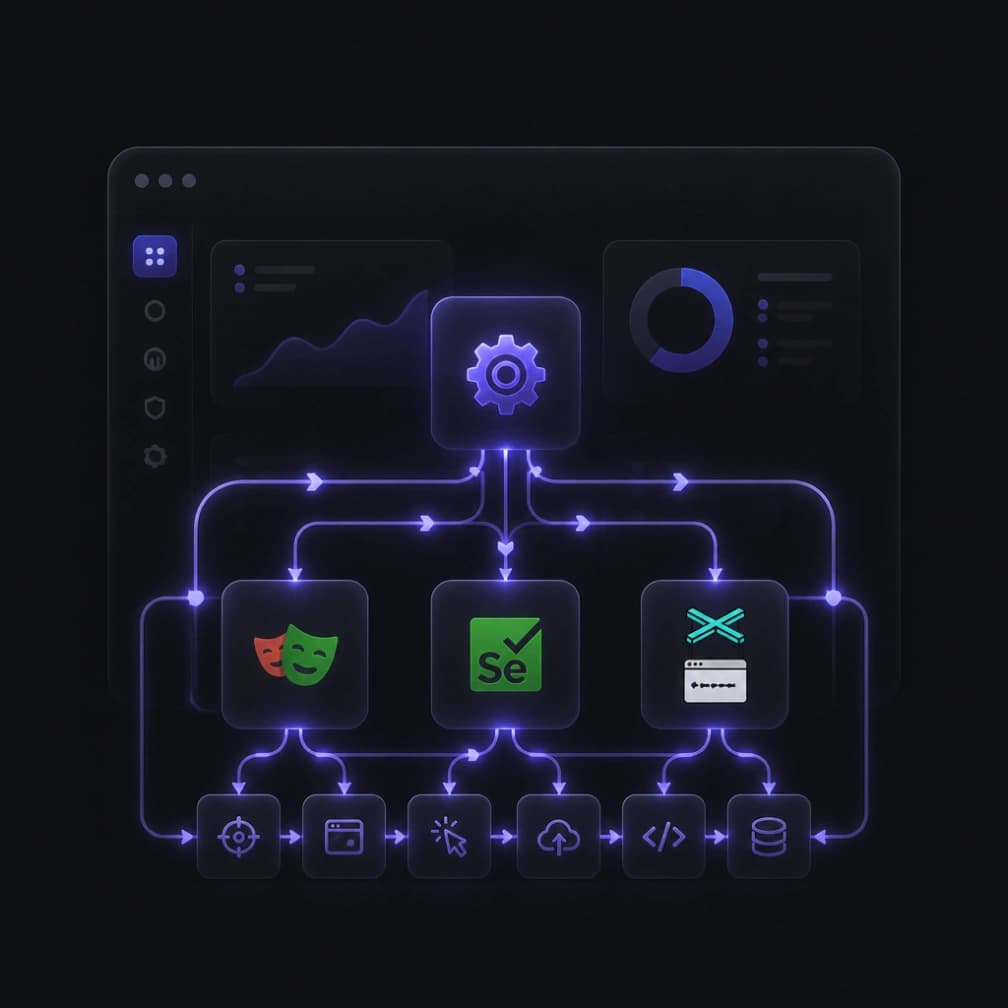
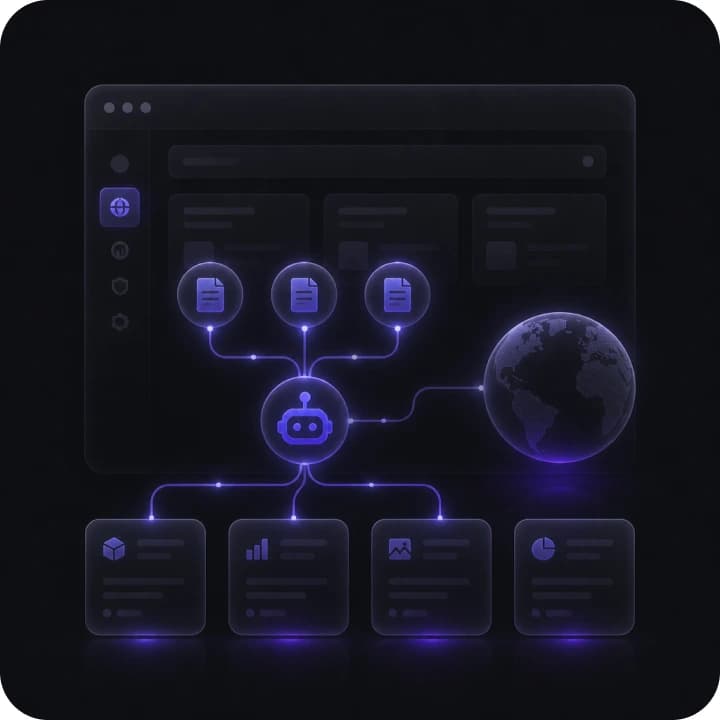
AI proxy solutions from CyberYozh help AI teams route authorized collection and validation workflows through the appropriate proxy type. API controls and compatibility with Scrapy, Selenium, Playwright, Puppeteer, and Postman allow agents to manage regions, sessions, and rotation while respecting site policies, rate limits, and public-data boundaries.
BigMama’s SOCKS5 proxies can be configured in tools that support standard proxy credentials. Yet its public documentation does not describe an AI-agent product, workflow API, automation library, integration guides, or quality-check layer designed for repeatable data and agent operations.
CyberYozh App vs BigMama: Scrape the web data
Yozh Scraper gives CyberYozh users a practical route from proxy selection to data collection. Pair rotating residential IPs for public pages with static sessions where continuity matters, verify IP quality first, and apply rate limits and robots.txt rules. The outcome is more controlled scraping infrastructure, rather than a disconnected proxy purchase.
BigMama advertises proxies for web scraping, data collection, market research, and content analysis. It can supply SOCKS5 mobile or residential routes, but does not publicly provide an open-source scraper, data platform, documented automation stack, or equivalent workflow tooling around ethical, repeatable collection.
Visit CyberYozh Data for more scraping and automation tools
CyberYozh App vs BigMama: SEO data monitoring
CyberYozh’s SEO proxies and SERP proxies support localized rank tracking, SERP collection, competitor monitoring, and ad-preview verification. With rotating residential capacity for broader request distribution and static or mobile sessions for repeated regional checks, CyberYozh lets SEO teams match network type to the measurement they need.
BigMama identifies SEO research and data collection among its use cases. Its real-device IP selection can help with localized browsing, but the reviewed public offer does not show a dedicated SEO/SERP proxy product, API-driven monitoring workflow, or built-in IP reputation screening.
CyberYozh App vs BigMama: E-commerce tasks
CyberYozh’s e-commerce proxy supports compliant price monitoring, catalog checks, stock validation, regional storefront QA, and competitor research. Teams can use static ISP IPs for recurring dashboards, rotating residential proxies for public catalog collection, and datacenter proxies for speed-oriented testing—then confirm the exit IP before launching the workflow.
BigMama lists price comparison, sales intelligence, web testing, and market research as supported applications. Its daily leased mobile and residential SOCKS5 proxies may suit individual tasks, but the provider does not publicly document purpose-built e-commerce tooling, proxy-type guidance, IP checks, or data-collection utilities.
CyberYozh App vs BigMama: Ads and affiliate marketing
CyberYozh’s affiliate marketing proxies help teams conduct geo-targeted offer checks, landing-page QA, campaign monitoring, tracker validation, and competitor research using the appropriate IP type. Pair this with a virtual card for legitimate local-currency service and advertising payments, reducing unnecessary vendor fragmentation in an approved campaign workflow.
BigMama presents ad verification and marketing research as proxy use cases and provides real-device IPs with targeting options. That can support manual local checks, but its public documentation does not describe dedicated affiliate products, virtual-card services, fraud checks, or automation integrations for campaign operations.
Use virtual card to pay for services and ads in local currency.
CyberYozh App vs BigMama: Social media and social data
CyberYozh’s social media proxies combine real mobile LTE/5G and residential connectivity with session controls, SMS activation, and risk checks. This helps agencies and brands separate legitimate client environments, conduct regional QA, and collect permitted public social data with stronger operational consistency.
BigMama’s LTE/4G and residential Wi‑Fi proxies are marketed for social media and similar web workflows, with private or shared daily leases. However, public product information does not show dedicated social-data tooling, anti-detect integrations, SMS activation, or IP-fraud checks that connect proxy selection to a broader team workflow.