











CyberYozh App vs LumiProxy: Best business tools with best prices
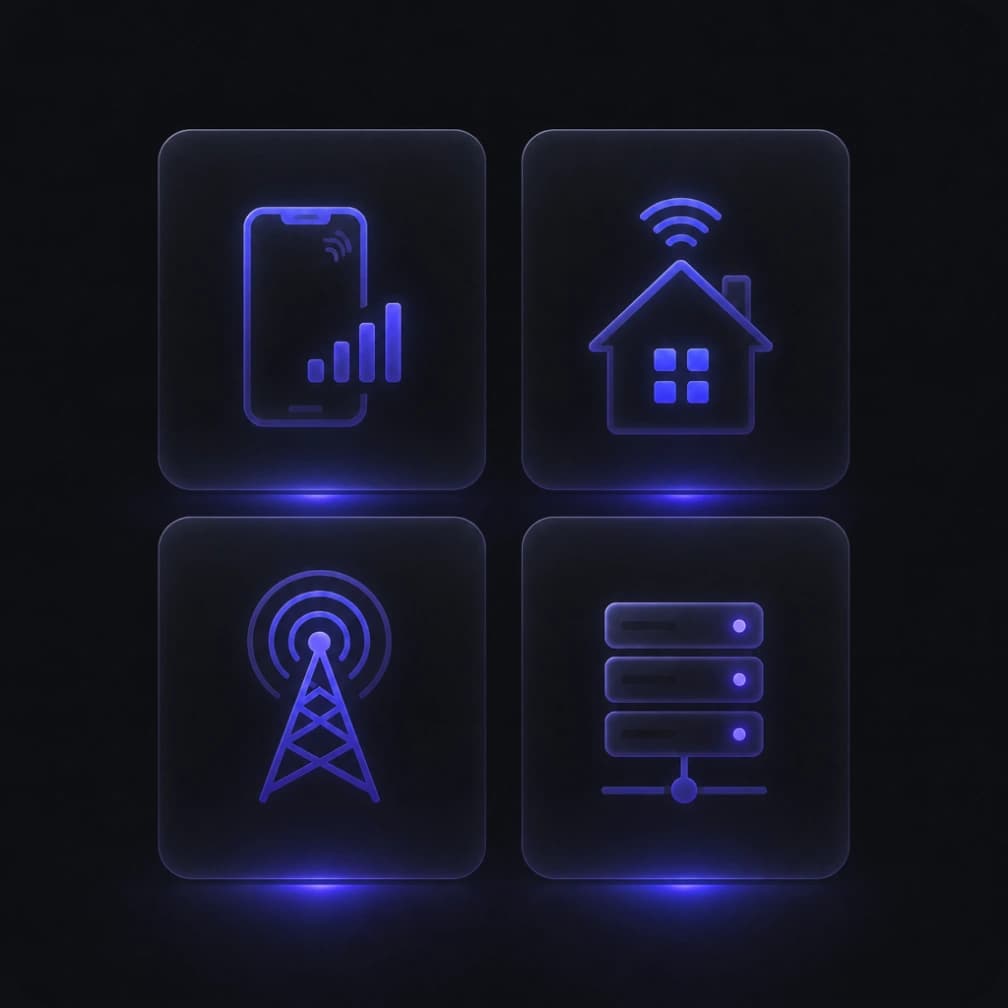
CyberYozh is infrastructure for operators, not a bandwidth-only shop. In the CyberYozh catalog, teams combine LTE/5G, static ISP, rotating residential, and datacenter proxies with SMS, virtual cards, and fraud checkers. Mobile starts at $1.70/day unlimited, ISP from $5.29/month, rotating from $2/GB with rollover, datacenter from $1.90/month.
LumiProxy is a Hong Kong-based proxy and data platform. Its catalog covers rotating, unlimited, static residential, long-acting ISP, and datacenter products, plus paid Web Scraper, SERP, and Video Scraper APIs. Rotating traffic starts near $1/GB; unlimited residential pool is billed from about $68.80/day.
CyberYozh App vs LumiProxy: Mobile proxy sourcing and billing
CyberYozh mobile proxies run on dedicated LTE/5G modems and routers tied to real carriers such as T-Mobile, Verizon, and Vodafone. You get a private channel, unlimited traffic on most plans, HTTP/SOCKS5/UDP, VPN/VLESS, p0f OS switching, and manual or API IP change. Billing from $1.70/day keeps long social, ads, and authentication sessions predictable.
LumiProxy mentions 4G/LTE on some country and ISP pages, but its core catalog is residential, ISP, and datacenter. There is no clearly priced dedicated-modem mobile line with unlimited daily traffic, UDP, or VLESS. Teams that need carrier-level trust usually stay on LumiProxy residential or long-acting ISP instead of a true mobile product.
CyberYozh App vs LumiProxy: Residential proxy features
CyberYozh residential proxies split static ISP and rotating pools. Static ISP IPs use real home networks, unlimited bandwidth, HTTP/SOCKS5 with UDP, and speeds up to 150 Mbps from $5.29/month. Rotating access covers 50M+ IPs, free geo-targeting, traffic rollover, and sticky sessions up to 24 hours, which fits account work and public-web collection on one dashboard.
LumiProxy residential access is its main product: rotating traffic from about $1/GB, unlimited residential from $68.80/day, static residential from $6/IP, and long-acting ISP from about $1.20/GB with sessions up to 12 hours. Sticky rotating sessions last up to 90 minutes. City targeting is strong; ZIP-level and unlimited static ISP billing are not the same model.
CyberYozh App vs LumiProxy: Datacenter proxy features
CyberYozh datacenter proxies are dedicated IPv4/IPv6 server IPs for monitoring, QA, APIs, and open-data jobs. Plans advertise exclusive ownership, unlimited bandwidth, HTTP, 99.9% uptime, and entry pricing from $1.90/month. Shared datacenter options exist for cheaper volume. Status can be tracked via API, so these IPs sit in the same workflow as mobile and ISP products.
LumiProxy static datacenter proxies use HTTP/SOCKS5, unlimited bandwidth, long sessions, and a claimed success rate above 99.9%, with per-IP pricing from about $4.20. They are fast and globally listed, but public pages mix residential and datacenter wording, so buyers should confirm IP origin. IPv6 is not a clearly advertised datacenter SKU.
CyberYozh App vs LumiProxy: Web scraping toolset
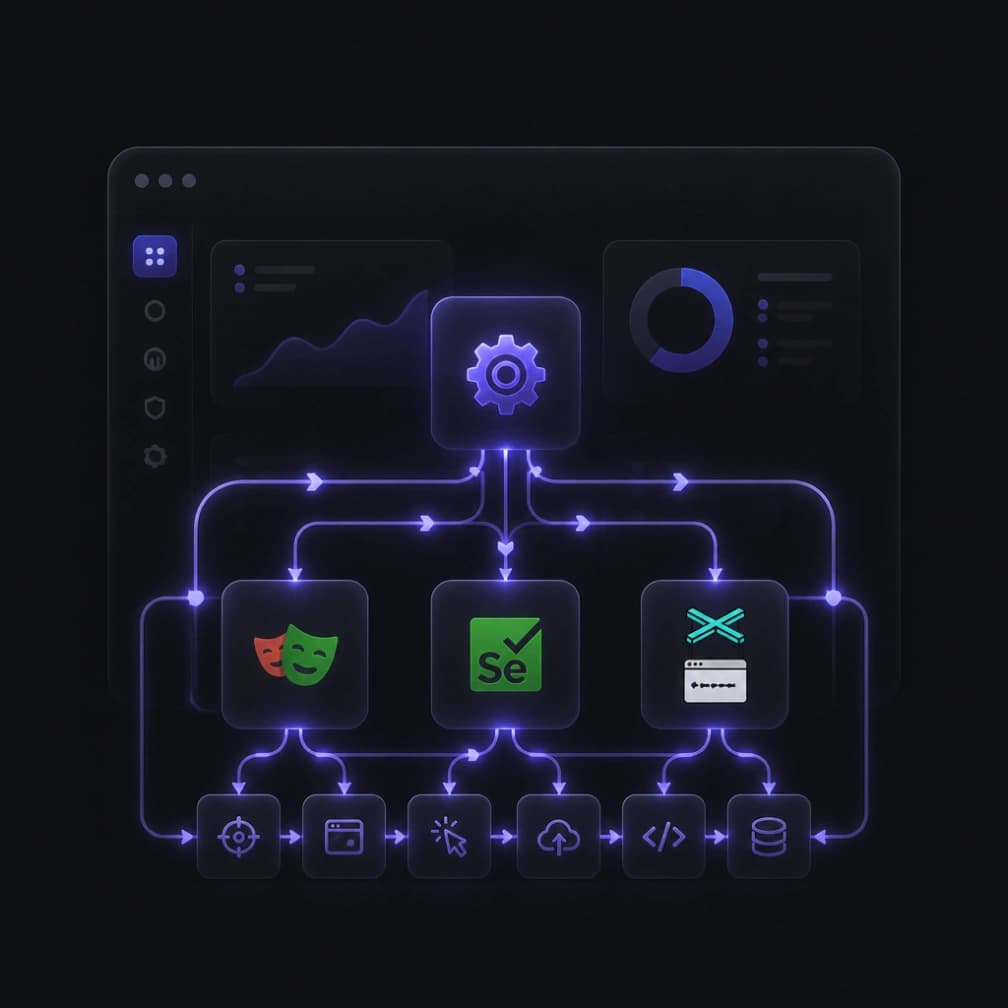
CyberYozh scraping is proxy-first and open. Yozh Scraper is a Playwright stack with a job API, crawler, MCP tools, Docker, and built-in mobile, res_rotating, res_static, and dc_static types. You keep the scraper, pay for IPs, and avoid per-result lock-in.
LumiProxy sells a paid Web Scraper API with JS rendering, retries, CAPTCHA handling, and JSON/HTML output from 120+ domains, billed from about $0.39 per 1,000 results (around $10/month on the regular plan).
Visit CyberYozh Data for more scraping and automation tools.
CyberYozh App vs LumiProxy: IP quality assurance
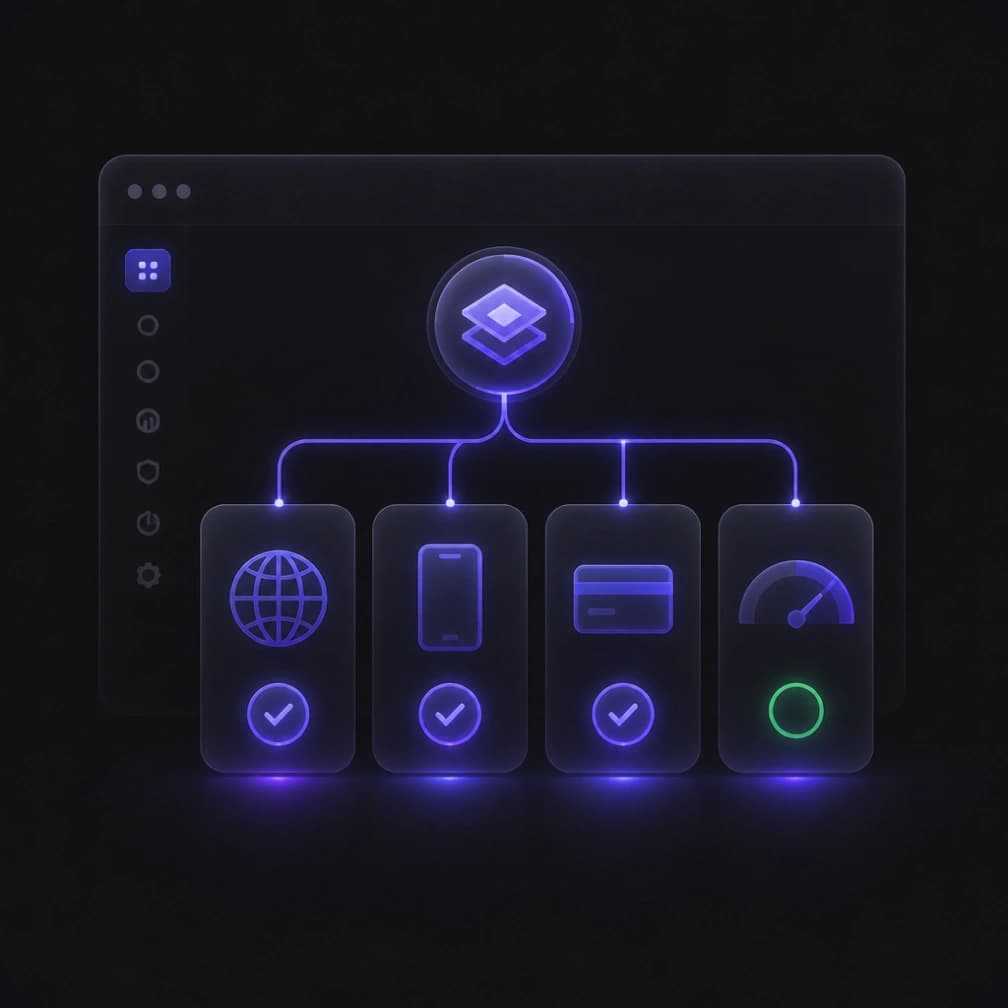
CyberYozh treats reputation as a basic product aspect. The IP Checker reports fraud rating, proxy/VPN/Tor flags, ASN, city, abuse velocity, OSINT blacklists, and recent check frequency. Phone and card checkers sit next to it, and an abuse team filters noisy pool segments. Operators can reject high-risk IPs before they hit ads, checkout, or login flows.
LumiProxy advertises ethically sourced residential IPs, daily pool updates, automatic rotation, and a Proxy Checker that checks proxy availability. Public docs do not expose fraud-score thresholds, blacklist depth, or a dedicated abuse-response SLA. Quality is mostly provider-side rotation plus a basic checker, not a full risk-ops suite.
CyberYozh App vs LumiProxy: Precise geo-targeting
CyberYozh geo-targeting proxies let you pick country, city, carrier, and, where mapped, ZIP. Dedicated mobile, shared mobile, rotating residential, private ISP, and datacenter SKUs are all geo-aware. Virtual numbers and cards complete local signup and payment. That combination is built for regional ads, local SEO, and marketplace checks from one stack.
LumiProxy geotargeting is a core LumiProxy network claim: 195 locations, city targeting, and all 50 US states. Sticky sessions keep a location for up to 90 minutes. It does not bundle local SMS or cards, so geo is IP-only. Fine for localized scraping but thinner for full local-account operations.
CyberYozh App vs LumiProxy: AI agents and automation
CyberYozh AI proxy solutions target agents, browser automation, and dataset jobs with mobile, residential, and datacenter routing, Android cloud phones, fingerprinting, fraud checks, and API commands. Yozh Scraper exposes MCP endpoints for Claude, LangChain, and n8n. Playwright, Puppeteer, Selenium, Scrapy, and Postman are first-class, so agents can rotate IPs and verify them in the same pipeline.
LumiProxy API coverage is split: proxy whitelist/API-link generation plus Open API, and managed scraper/SERP/video APIs with structured output for AI/ML pipelines. That helps teams who want data delivered, not infrastructure owned. It is weaker on MCP, cloud phones, SMS, and fraud-gated agent workflows.
CyberYozh App vs LumiProxy: SEO analytics toolset
CyberYozh SEO proxies and SERP proxies are location-accurate IPs for rank tracking, local pack checks, AI Overviews, and competitor SERPs. Use rotating residential for volume, static ISP for stable tool logins, and mobile when Google is strict. City targeting plus IP Checker keeps local rankings from being collected through a mismatched LumiProxy IP.
LumiProxy SEO Monitoring is a named use case, backed by residential geo-targeting and a paid SERP API for Google, Bing, DuckDuckGo, and Yandex.
CyberYozh App vs LumiProxy: Ad verification and monitoring
CyberYozh ad verification and ad monitoring use mobile LTE/5G for Meta/TikTok previews, static ISP for geo QA, and rotating residential for competitor creative collection. One IP per account, p0f alignment, and antidetect-browser support reduce mixed-session distortion. Checkers and SMS help keep ad-account identity separate from the proxy hop.
LumiProxy lists Ad Verification, Brand Protection, and Social Media among use cases, with residential geo-targeting and scraper APIs for creative/page capture. Sticky 90-minute sessions help short checks. It does not publish dedicated mobile ad SKUs, OS fingerprint controls, or card/number tooling, so verification is mainly IP plus extraction APIs.