

Real mobile LTE / 5G networks
Run AI agents through real carrier networks with unlimited mobile traffic and dedicated channels.
- Real LTE / 5G carrier networks
- Manual and API IP rotation
- High-trust environments
- Stable AI sessions
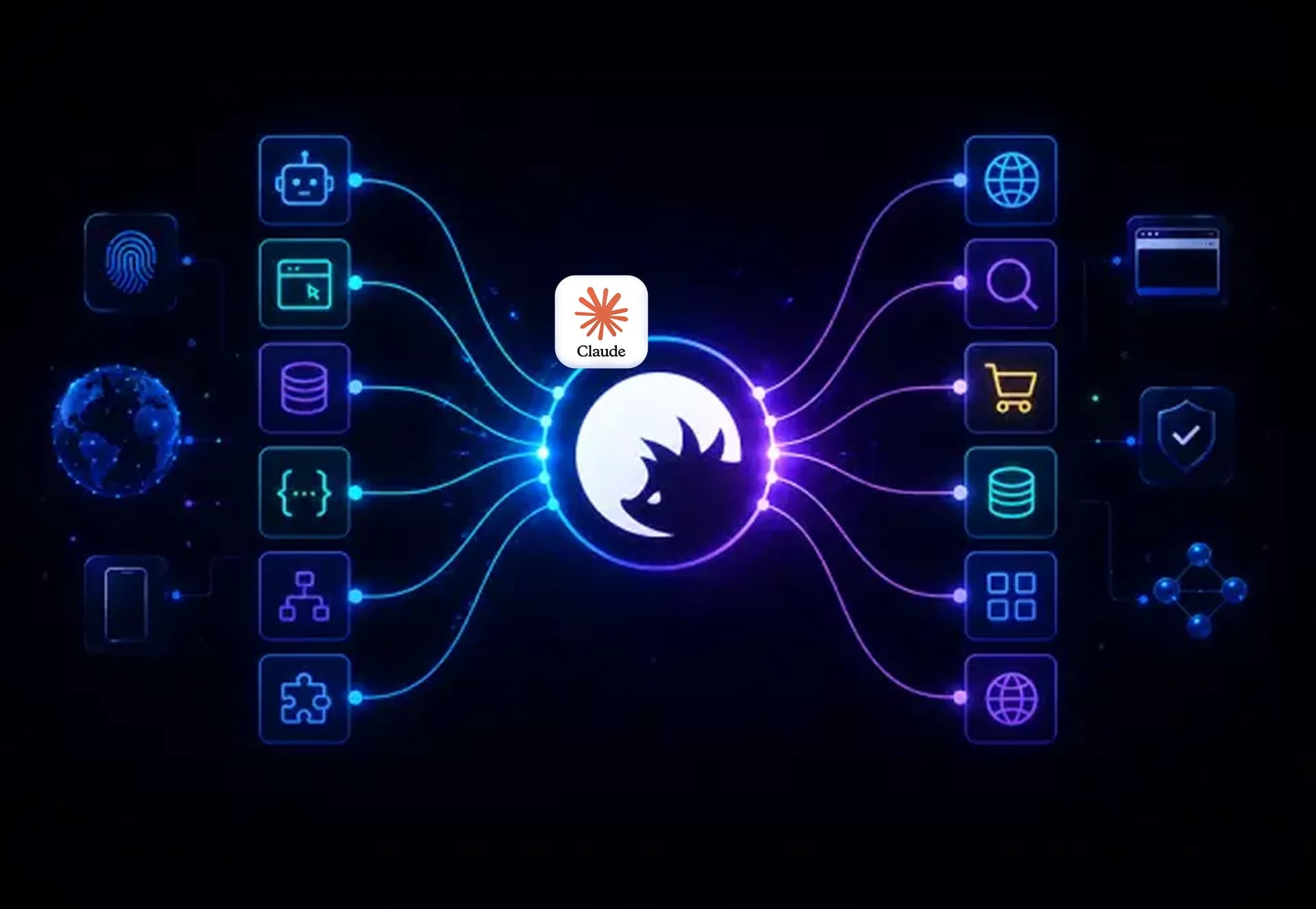
Run queries via the Claude API using CyberYozh proxies to get clear location-based results without rate limits. Deploy Claude AI via the reverse proxy to avoid limits and improve security, and run Claude Code via API uninterrupted in any workflow. Generate large amounts of content or code with rotating residential proxies, or run AI agents with local precision.
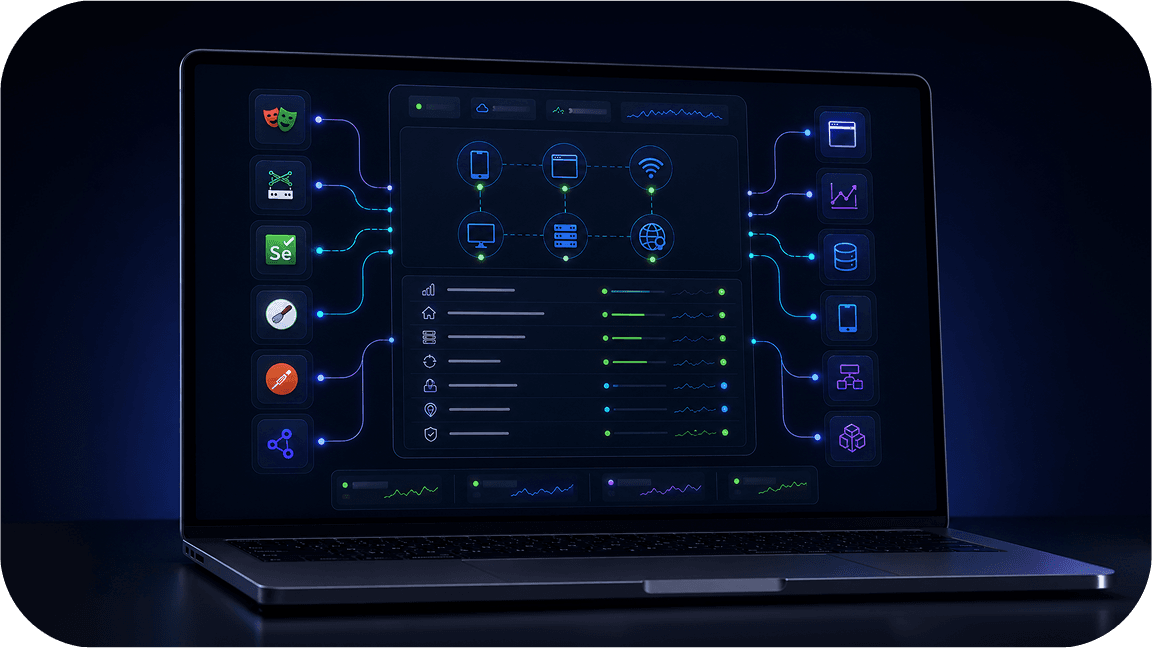
Use CyberYozh proxies as a clean network layer between Claude workflows, your servers, and external targets for app and agent operations.
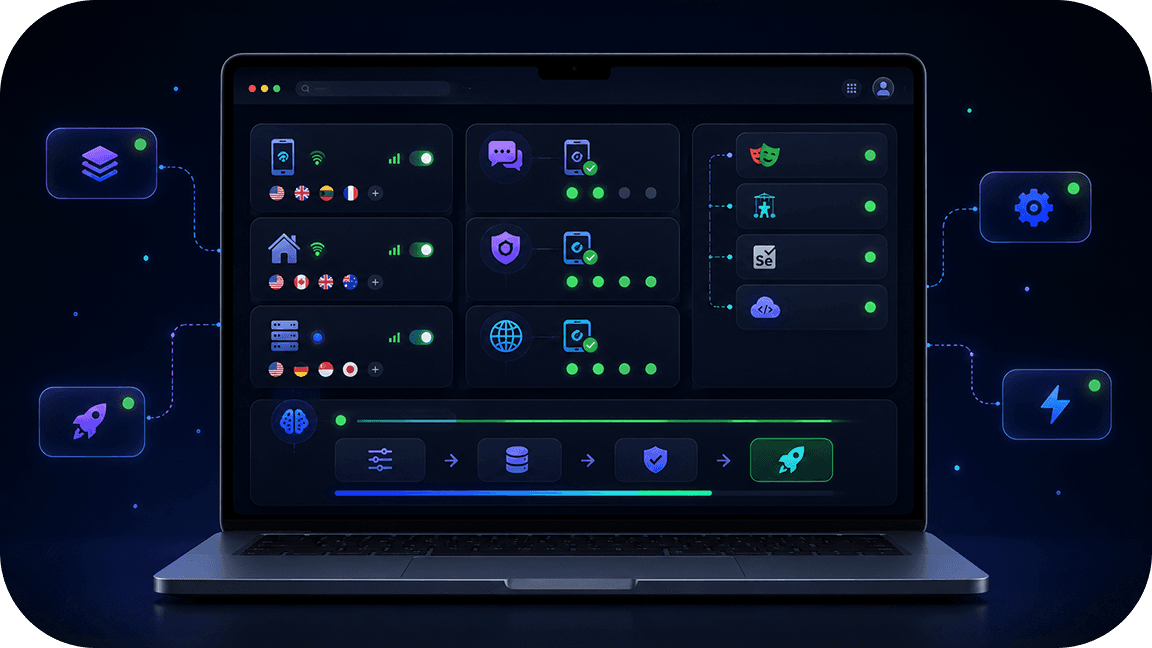
Distribute Claude traffic across rotating IP pools, maintain stable sessions, and reduce the risk of rate limits during heavy runs.
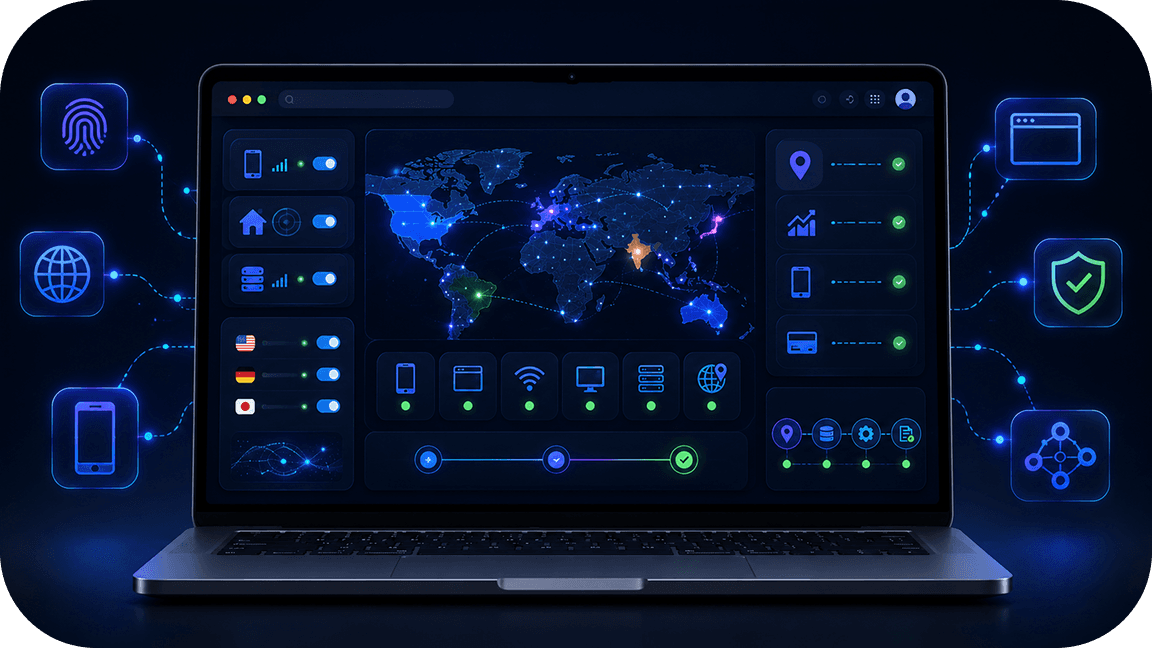
Assign country, city, and ZIP-based proxy IPs when your agents need localized SERPs, product pages, pricing, or public datasets.
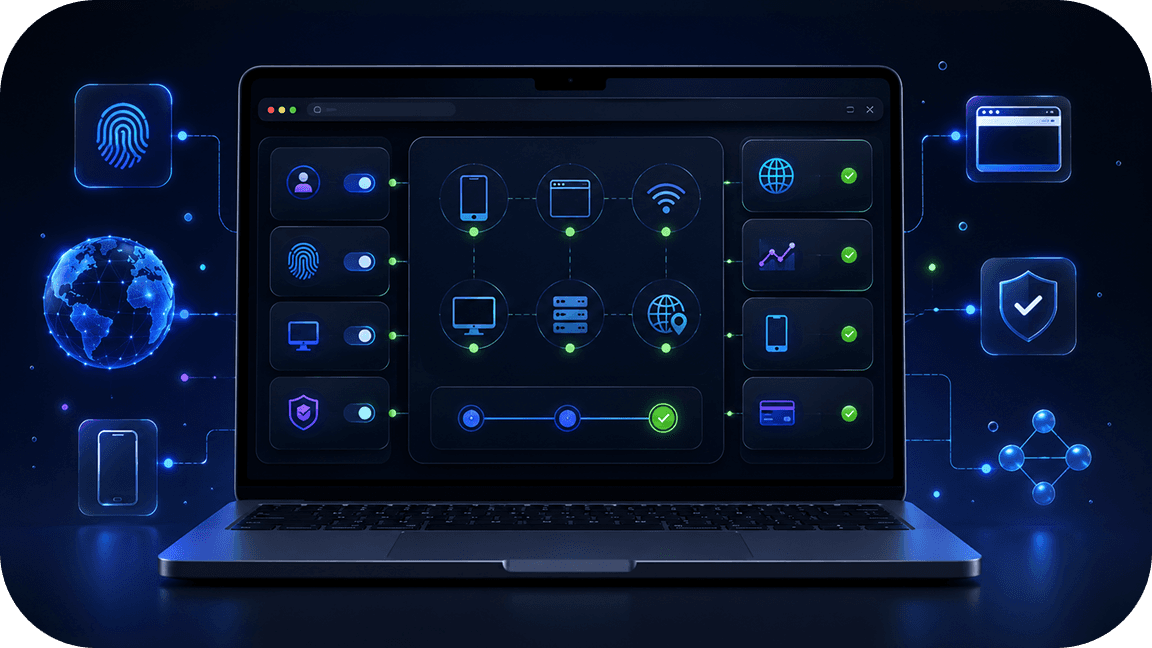
Pair trusted IPs with virtual phone numbers and cards to support sign-ins, account continuity, and region-sensitive Claude workflows.
Run AI agents through real carrier networks with unlimited mobile traffic and dedicated channels.

Reduce workflow interruptions with CAPTCHA solving support and validation tools built for automation.

Manage proxies, SMS activation, fingerprinting, fraud checks, and integrations from one environment.
CyberYozh proxies create an intermediary layer between your servers and Claude, and between Claude AI agents and their targets. As a result, you can access local data using specific proxy IPs with ZIP code precision and run multiple requests to Claude without triggering rate limits by distributing them across rotating residential IPs. Moreover, CyberYozh offers virtual numbers and cards for local authentication, so your logged-in sessions will proceed uninterrupted.
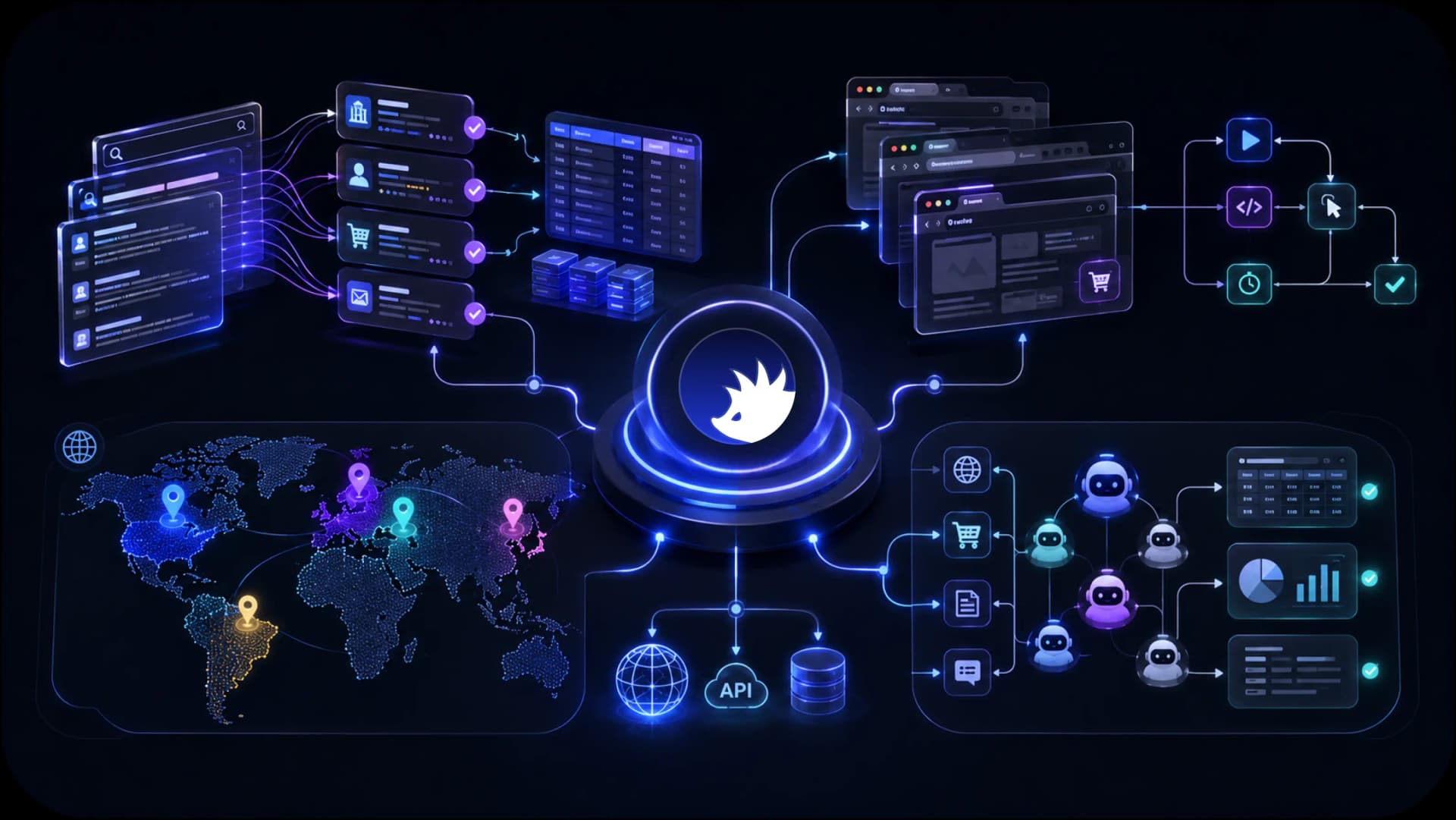
Access localized search results, marketplaces, public web data, and regional content across 195+ countries for AI agents, scraping systems, and autonomous workflows.
CyberYozh combines the infrastructure AI teams need to collect data, automate workflows, access regional content, and scale execution environments. From mobile LTE / 5G and residential proxies to browser automation support, fingerprinting, fraud checks, and Android cloud phones, everything is designed to support AI workflows from a single platform.
AI web scraping
AI browser automation
AI data collection
AI agent execution
Mobile AI workflows
Regional AI access
See how CyberYozh works in practice through real workflows, platform features, and infrastructure examples. Explore the dashboard, integrations, execution environments, and tools available for AI teams and automation projects.
Claude includes a robust generative AI interface and suite of various tools, such as Claude Code for code generation and Claude AI agents for process automation and organization. All of them can be accessed via the API.
Claude AI reverse proxy can be used to distribute requests across the IP pool to avoid rate limits and run heavy Claude workflows.
Be sure to explore Anthropic’s rules for using the Claude API, so your proxy usage doesn’t violate them
Task: Teams building e-commerce bots and competitor price scrapers with Claude Code often hit Cloudflare and other anti-bot walls once request volume exceeds a handful of runs per day.
Solution: Route Claude Code's outbound calls through local residential proxies via web automation or e-commerce use cases, so each session appears as ordinary local traffic rather than a single flagged data-center IP.
One Reddit e-commerce builder who used Claude Code for a month specifically recommended pairing anti-bot browser tooling with proxy rotation after repeatedly hitting Cloudflare while running a competitor price scraper.
Task: Product and QA teams running Claude Code across app testing, business automation, and multi-agent orchestration need to confirm that every workflow node is actually exiting through the correct, healthy IP before scaling to production.
Solution: Verify routing with the IP Checker before each rollout, then provision and manage proxy sessions programmatically through the automation API for business automation and app testing pipelines.
An intermediary IP network also protects your agents from malicious activity and security breaches, since your real infrastructure IP address remains hidden behind the proxy layer.
To use all the robust capacities of the CyberYozh API, read our API documentation and explore specific commands.
Task: Teams training or running Claude AI agents on region-specific data often get generic or skewed results because their agent's traffic exits from the wrong country, or Anthropic's own regional infrastructure doesn't match the target market
Solution: Use AI agent training and scrape web data use cases with city- and ZIP-level exit points, so agents pull genuinely local search results, pricing, and content instead of a default global view.
This is a gap EU users have raised regarding data residency for Claude, as highlighted in a large Reddit discussion.
Task: Market research agents built on Claude need to log into region-locked platforms or verify accounts before they can pull pricing, reviews, or localized listings, and shared or missing verification often blocks that access.
Solution: Support market research workflows with virtual phone numbers and virtual cards for local authentication, so agents can register, verify, and stay logged in without exposing a real personal identity.
CyberYozh proxies are available in more than 100 countries with city-level and ZIP code precision.
Different workflows require different proxy types. You wouldn’t want to overpay for a mobile proxy if you need a simple, loginless scraping workflow, or risk having your datacenter IPs instantly banned when collecting social data. So, let’s explore these specifics.
CyberYozh proxy infrastructure offers all Claude proxy types for Claude Code and other tools, along with robust automation and quality assurance tools.
Mobile proxies, sourced from LTE/5G, are used for authentication and other workflows where platform trust is critical, such as payments and social data collection. Use them also for mobile-first workflows, especially in connection with cloud phones.
Rotating residential proxies are a standard choice for most Claude AI tasks, including large-scale content generation, app development, and running AI agents, as they allow you to avoid rate limits. By using localized rotating IP pools, you can also access local data needed for analysis or agent training while remaining indistinguishable from local users.
Read more about IP rotation strategies and ensure you select the right one for your Claud Code proxy tasks.
Static residential proxies use a single residential IP to reroute all requests and can be used for long-term session management when appropriate.
Datacenter proxies are hosted on corporate data servers, so they’re very fast and affordable. They can be deployed for speed-critical data scraping and monitoring, but shouldn’t be used for sessions where platform trust and authentication are critical: they have the lowest trust score and can be restricted.
Deploying a CyberYozh proxy for Claude Code and AI agent operations is easy and takes only 10-25 minutes, depending on your scope.
Choose the routing scope
Use the ordinary browser setup guide for quick manual testing in the browser
Deploy the system-wide setup guide when Claude-adjacent tools should inherit one network policy.
For account-isolated research stacks, launch the proxy inside an antidetect browser.
For scripts, bots, and backend jobs, use the automation setup guide.
Connect Claude-facing tooling
Anthropic documents two standard patterns: set ANTHROPIC_BASE_URL when you want Claude sampling requests routed to your proxy, or use HTTP_PROXY or HTTPS_PROXY when you want broader HTTP traffic to pass through a controlled gateway.
Validate geography and session health
Confirm the exit IP, run a small task, and verify target websites, localized search results, or agent tools behave as expected before scaling.
Scale safely
For scraping stacks, parsers, and collection workers, extend the setup with the parsing proxy guide, then expand concurrency gradually and keep policy checks in place.
Visit CyberYozh's catalog and select the proxy you need, if you're ready to scale your Claude AI workflows.