
Лучшие варианты Search API на 2026 год: реальные цены и реальные компромиссы
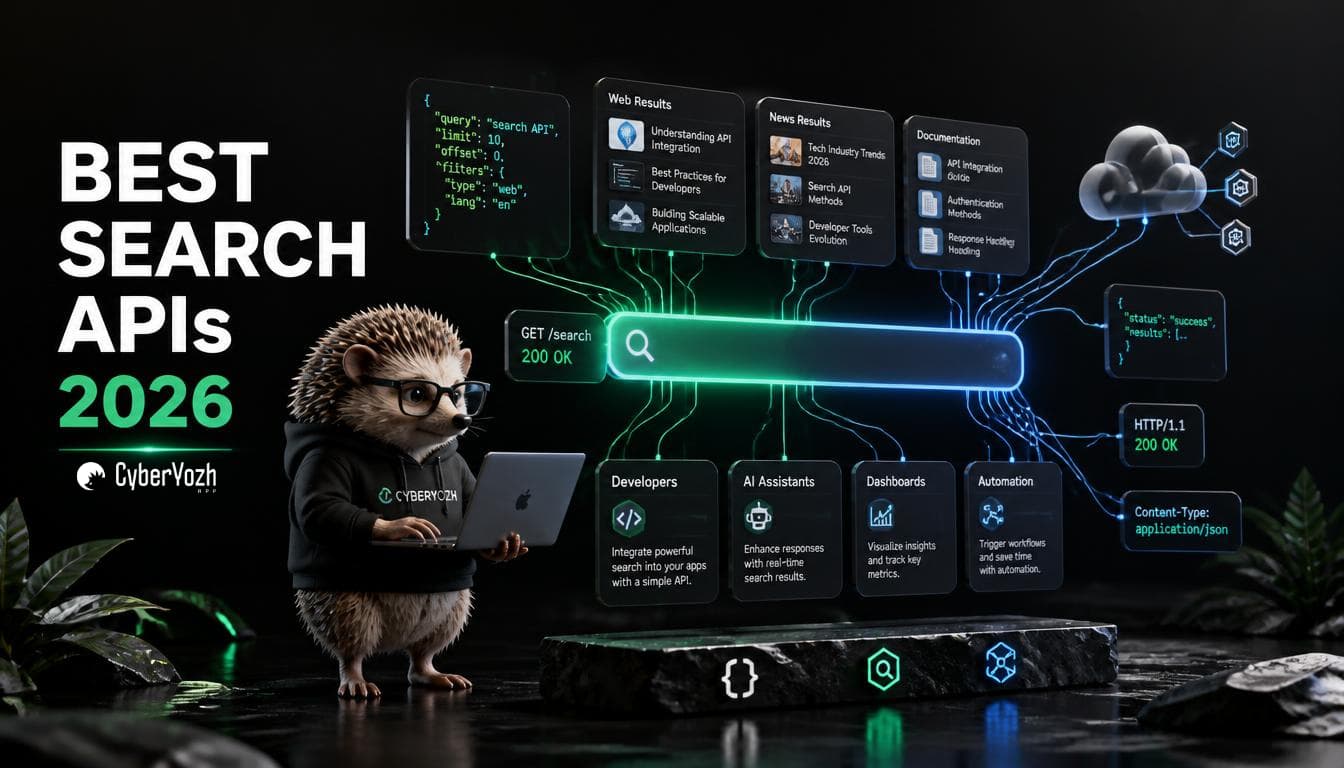
Краткий ответ: Если вам нужен полностью управляемый инструмент с максимальным охватом данных, SerpApi — самый надёжный выбор, несмотря на премиальную цену. Если вы хотите минимизировать общие затраты без ущерба для удобства, прокси-инфраструктура CyberYozh в сочетании с бесплатным парсером Yozh Scraper с открытым исходным кодом теперь обеспечивает тот же структурированный вывод, что и управляемый API, но без наценки.
Коротко
Что такое SERP API? Инструмент, который получает и структурирует результаты поиска, чтобы вам не приходилось самостоятельно управлять прокси, браузерами или капчами.
Самый выгодный вариант: Прокси-инфраструктура CyberYozh (от $2/ГБ) в паре с бесплатным парсером Yozh Scraper с открытым исходным кодом обеспечивает удобство управляемого API, структурированный JSON, самовосстанавливающийся парсинг и даже готовый для AI-агентов вывод через MCP — всё это без наценки за запрос.
Самое полное управляемое решение: SerpApi, если премиальная цена оправдывает отсутствие необходимости что-либо создавать.
Пробел, который пропускают большинство списков «лучших search API»: Показатели захвата AI Overview и вопрос легальности SERP-парсинга прямо сейчас. Оба момента изменились за последние две недели.
Реальная проблема традиционных SERP API в 2026 году
Большинство страниц с ценами показывают чистую цену за 1000 результатов и скрывают реальную стоимость в других местах. Тариф Developer от SerpApi стоит $75 в месяц независимо от того, используете ли вы 200 поисковых запросов или 5000, без переноса остатка, без оплаты по факту использования, а ставки за превышение лимита выше, чем стоимость одного запроса в вашем тарифе.
Эта модель имела смысл, когда макет Google почти не менялся. Сейчас это не так.
В июле 2026 года Google подтвердил, что основные обновления теперь выходят непрерывно, а не в несколько названных периодов, а его Custom Search JSON API, самый близкий к «официальному» вариант, окончательно закрывается 1 января 2027 года.
Сторонние SERP API больше не обходной путь; для большинства команд это единственный оставшийся вариант.
Распространённая ошибка: Сравнивать SERP API только по заявленной цене за 1000 результатов. Тарификация неудачных запросов, поддержка AI Overview и почасовые лимиты обычно влияют на ваш реальный счёт больше, чем цифра на странице с тарифами.
Что такое SERP API: определение 2026 года
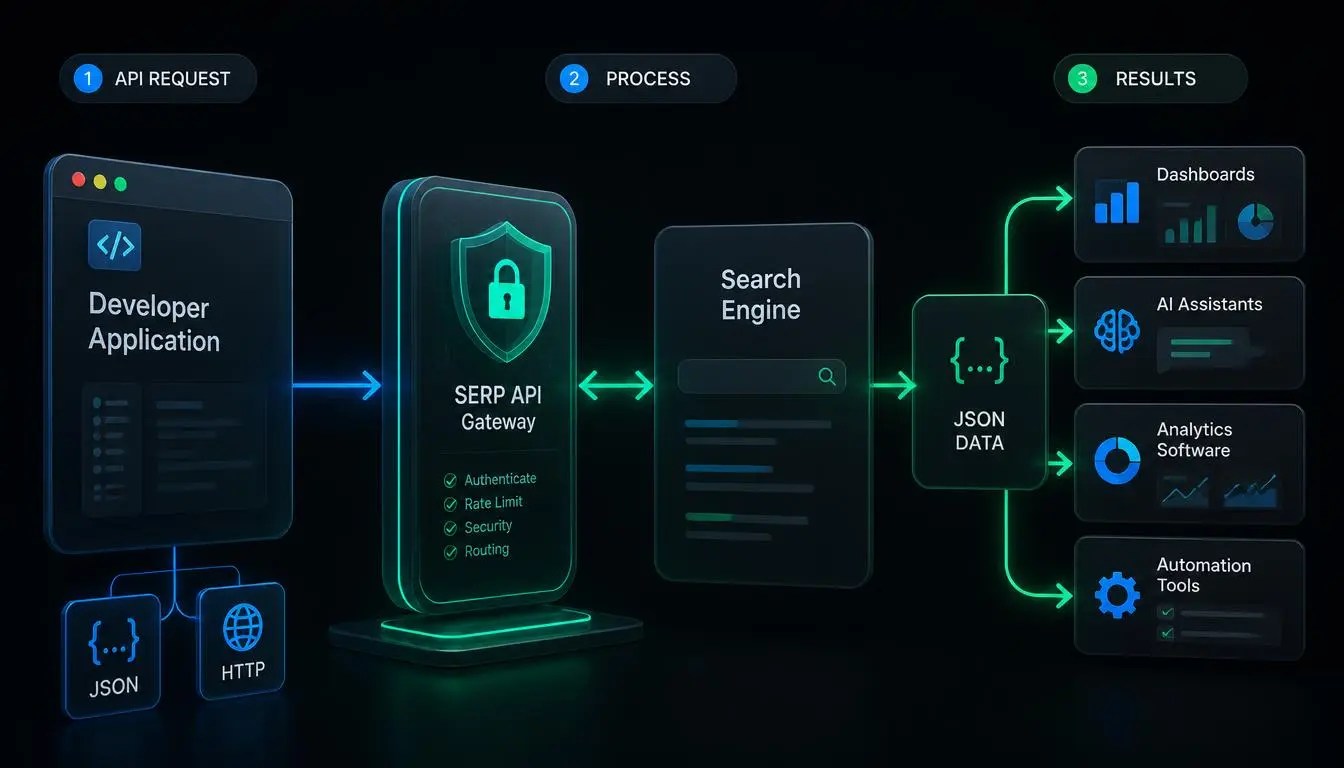
Это инструмент, который отправляет ваш поисковый запрос в Google (или другую поисковую систему) и возвращает результаты в виде структурированного JSON вместо веб-страницы.
Это определение сейчас неполное. Современная страница результатов Google может включать многосостояние AI Overview, панель разговорного AI Mode, торговые карусели и локальные блоки поверх десяти синих ссылок, которые все ещё проверяют в первую очередь. SERP scraping API, который захватывает только органические ссылки, решает проблему 2015 года, а не 2026-го.
Совет: Прогоните свои реальные запросы через бесплатную пробную версию провайдера перед регистрацией. Проверьте, появляется ли контент AI Overview вообще, а не только органические ссылки.
Топ-6 провайдеров SERP-парсинга: сравнение для 2026 года
Мы оценили каждого по структуре цен, реальному (а не заявленному) аптайму, обработке AI Overview и любым юридическим рискам, о которых стоит знать перед подписанием контракта.
1. CyberYozh
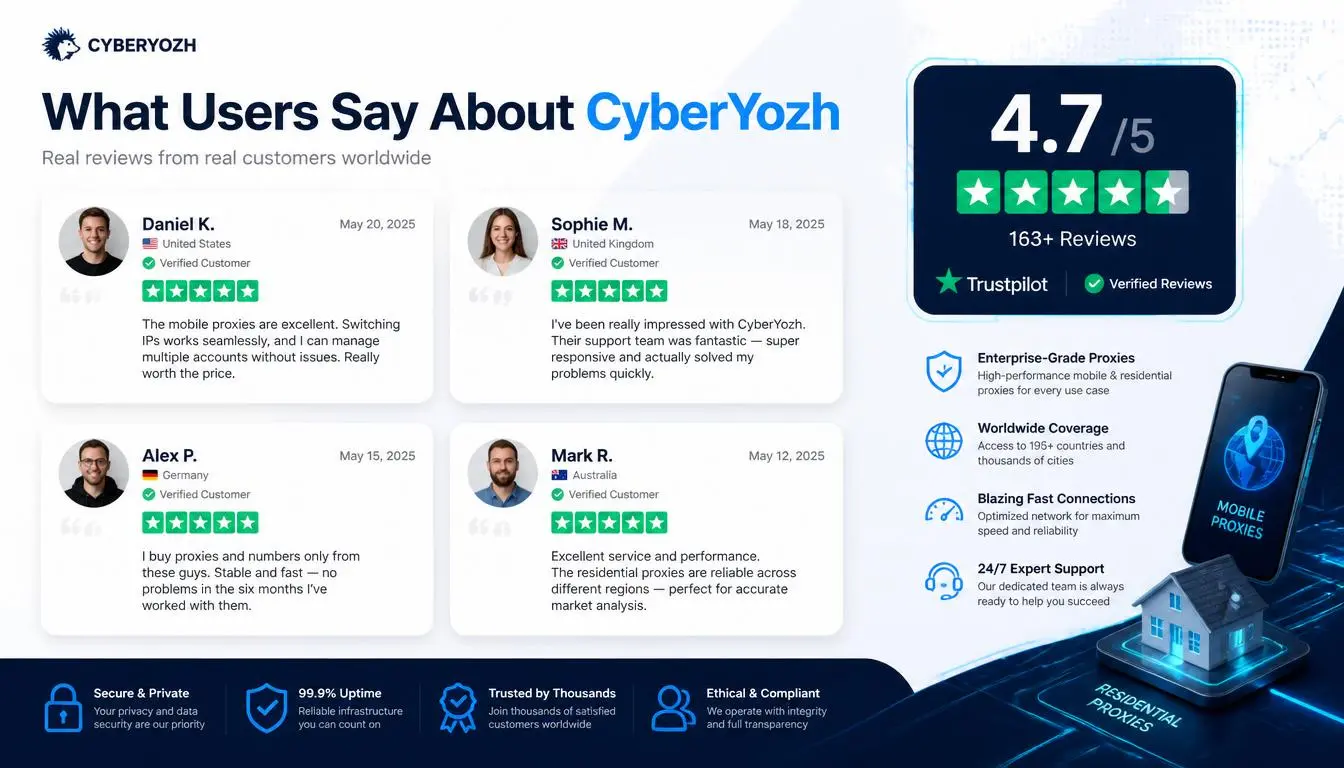
CyberYozh — это не управляемый SERP-парсинг API в том смысле, в каком им являются остальные пять. Это уровень прокси и API-инфраструктуры под ним, тот же уровень, который крупные провайдеры наценивают в 5–10 раз и продают вам как готовый продукт.
Синхронный Search API для Google, Bingи Yandex; передайте scrape: true и получите агрегированные результаты в одном запросе, без опроса или асинхронных колбэков
Yozh Scraper и его Scraper UI бесплатны и имеют открытый исходный код; вы платите только за потреблённую прокси-пропускную способность, без ежемесячной платы за ПО
AI-управляемые самовосстанавливающиеся парсеры, которые адаптируются, когда целевой сайт меняет макет или запускает A/B-тест, вместо того чтобы молча возвращать пустые поля
Постоянные серверные сессии браузера, которые принимают внедрённые куки аутентификации для целей, скрытых за логинами или агрессивными капчами
Нативная интеграция MCP, предоставляющая инструменты парсинга напрямую AI-агентам в Claude Desktop, LangChain и подобных средах
Вывод fit_markdown автоматически удаляет рекламу, навигацию и баннеры cookie, чистый структурированный Markdown, готовый для обучения LLM или RAG-пайплайнов
По-прежнему поддерживается 50М+ резидентских IP, мобильными 5G/LTE, датацентровыми, резидентскими пулами от $2/ГБ
Цены: $2/ГБ ротационные резидентские, $1.70/день мобильные, $1.90/месяц датацентровые, $5.29/месяц статичные ISP. Смотрите каталог прокси
На что обратить внимание: Раньше этот пробел в парсинге действительно существовал, но бесплатный open-source Yozh Scraper его закрывает; передайте scrape: true в синхронный Search API и получите структурированный JSON или чистый Markdown от Google, Bing или Yandex в одном запросе.
2. Bright Data
Bright Data управляет одной из крупнейших прокси-сетей в интернете и добавляет поверх неё выделенный SERP API, охватывающий Google, Bing, Yandex, Baidu, Yahoo и другие поисковики.
Выделенный SERP API для более семи поисковых систем
Оплата только за успешные запросы; неудачные запросы не тарифицируются
Среднее время ответа менее одной секунды
SLA с гарантией доступности 99,99% — единственный провайдер в этом списке, который публикует такой показатель
Официальный MCP-сервер плюс десятки no-code и LLM интеграций
Документация по ISO 27001, SOC 2, GDPR и CCPA через публичный Trust Center
Цены: От $1,50 за 1000 результатов, снижается примерно до $1 за 1000 при больших объёмах.
На что обратить внимание: Документация по комплаенсу и SLA действительно на высоте, но каталог продуктов насчитывает десятки SKU — прокси, скрейперы, датасеты и инструменты для автоматизации браузера. Заложите реальное время на онбординг, чтобы разобраться, какой именно компонент вам нужен.
3. SerpApi
SerpApi — это имя, которое большинство разработчиков в этой области узнают первым, и его покрытие структурированных данных остаётся самым широким среди всех провайдеров, которые мы рассматривали.
Самый широкий набор структурированных данных: sitelinks, People Also Ask, видео, обсуждения, даты
Официальные SDK на нескольких языках плюс библиотека для LangChain
Опубликованный процент успешных запросов выше 99,8%, с оперативной поддержкой
Выделенные эндпоинты для AI Overview и AI Mode; один независимый бенчмарк 2026 года показал обнаружение примерно в 68% подходящих запросов — самый высокий показатель среди протестированных
Опциональный U.S. Legal Shield, покрывающий ответственность за скрейпинг и парсинг до $2M
Бесплатный тариф для тестирования, примерно 250 поисковых запросов в месяц
Читайте больше о AI-скрейпинге в 2026 году
Цены: $25/мес Starter (1000 запросов) до $275/мес Big Data (30 000 запросов). Оплата по факту использования недоступна.
На что обратить внимание: Неиспользованные запросы не переносятся на следующий месяц, и нет опции оплаты по факту использования. Также стоит знать: Google подал иск против SerpApi в начале 2026 года из-за методов скрейпинга; федеральный суд отклонил основные претензии по DMCA 20 июля 2026 года, хотя у Google остался более узкий путь для внесения поправок касательно конкретных защищённых авторским правом элементов, таких как контент Knowledge Panel.
4. Oxylabs
Oxylabs сочетает прокси-сеть корпоративного уровня с выделенным SERP Scraper API, нацеленным именно на команды, которым нужны масштаб и контракты на поддержку.
SERP Scraper API для Google, Bing, Yandex, Baidu и других поисковиков
Оплата только за успешные запросы — неудачные не тарифицируются
Геотаргетинг с точностью до города для локального SEO и отслеживания позиций
Встроенное решение капч и ротация прокси без дополнительных настроек
Официальный MCP-сервер для работы с AI-агентами
7-дневная бесплатная пробная версия без привязки карты
Цены: От $1,60 за 1000 результатов, подписки начинаются от $49 в месяц.
Обратите внимание: Oxylabs в настоящее время выступает соответчиком вместе с Perplexity AI и AWMProxy в иске DMCA, который Reddit подал в октябре 2025 года из-за появления контента Reddit в спарсенных результатах Google. Дело не закрыто на момент публикации — это не повод полностью отказываться от Oxylabs, но стоит учесть перед подписанием долгосрочного контракта, если юридические риски важны для вашего бизнеса.
5. ScraperAPI
ScraperAPI изначально создавался как универсальный инструмент для скрейпинга, к которому позже добавили эндпоинты для структурированного поиска Google — разумный выбор, если вам нужно и то, и другое в одном аккаунте.
Единый API для общего скрейпинга и структурированных данных Google Search
Тарификация на основе кредитов с масштабированием по уровню тарифа
Автоматическая ротация прокси, headless-браузеры и решение капч
Лимиты параллельных запросов растут с каждым тарифом
7-дневная бесплатная пробная версия с 5000 API-кредитов
Глубокое покрытие Google, хотя это единственный поддерживаемый поисковик
Цены: Подписки от $49 в месяц, тарификация на основе кредитов.
Обратите внимание: Нет официального MCP-сервера, и поддерживается только Google. Если вам нужны данные Bing или Yandex либо вы создаёте AI-агента, которому требуется нативная поддержка MCP, закладывайте время на дополнительную интеграцию.
6. SearchApi
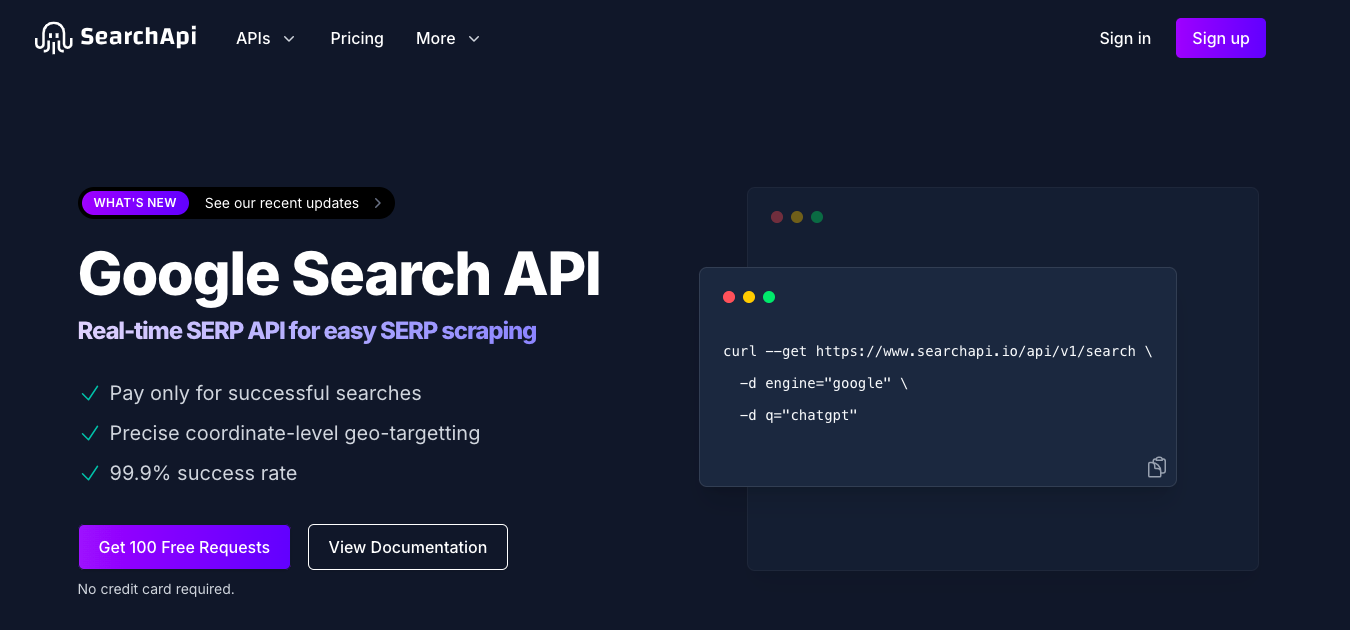
SearchApi позиционирует себя как альтернативу SERP API для команд, которым нужно покрытие нескольких поисковиков без управления прокси — цены ниже крупных игроков на малых объёмах.
Поддержка Google, Bing, Baidu, DuckDuckGo, Yahoo и Naver
Многоуровневая тарификация — до $2 за 1000 запросов на тарифе Scale
Официальные интеграции с n8n и Dify, а также инструмент LangChain
Результаты в реальном времени, без кеширующего слоя между вами и актуальной выдачей
Бесплатная пробная версия до перехода на платный тариф
Базовая поддержка AI-интеграций для простых сценариев работы с агентами
Цены: От $40 в месяц ($4 за 1000 запросов) до $500 в месяц ($2 за 1000, 250 000 запросов).
Обратите внимание: Пропускная способность ограничена 20% от месячной квоты кредитов в час. Реальный всплеск трафика, вирусный пост или новостной цикл могут вас затормозить, даже если неиспользованная квота ещё есть на счёте.
Сравнительная таблица
Тарификация SERP API делится здесь на две модели: оплата за успешные запросы (Bright Data, Oxylabs) и фиксированные подписки (SerpApi, ScraperAPI, SearchApi). CyberYozh взимает плату за трафик или безлимитный доступ, а не за количество результатов.
Провайдер | Начальная цена | IP-инфраструктура | Ротация API | Для кого подходит |
CyberYozh | $2/ГБ резидентские · $1.70/день мобильные · $1.90/мес. датацентровые | 100M+ резидентских, мобильные LTE/5G, ISP, датацентровые | Синхронный Search API + бесплатный open-source скрейпер, самовосстанавливающийся парсинг | Разработчики, которым нужно удобство управляемого API без наценки |
Bright Data | $1.50/1000 результатов | Прокси-сеть 400M+ и выделенные SERP-скрейперы | Автоматическая, оплата за успешные запросы | Компании, которым нужны сертификаты соответствия и гарантии SLA |
SerpApi | $25/мес. (1000 запросов) | Управляемый, нераскрытый пул | Автоматическая | Команды, которым нужен самый широкий структурированный вывод SERP |
Oxylabs | $1.60/1000 результатов (минимум $49/мес.) | 100M+ резидентских IP | Автоматическая, геотаргетинг на уровне города | Высокообъёмный парсинг с корпоративной поддержкой |
ScraperAPI | $49/мес. | Управляемый прокси-пул | Автоматическая | Один API для общего скрейпинга и данных Google SERP |
SearchApi | $40/мес. ($4/1000) | Управляемая | Автоматическая, почасовое ограничение | Бюджетное покрытие нескольких поисковиков для AI-агентов |
Если самый дешёвый SERP API — ваш единственный критерий, цена за страницу у провайдеров вроде DataForSEO выглядит ещё ниже, но в эту цифру не входят неудачные запросы и время отклика поддержки — именно там обычно и скрывается реальная стоимость.
Проблема с AI Overview, которую пропускает большинство подборок «лучших Search API»
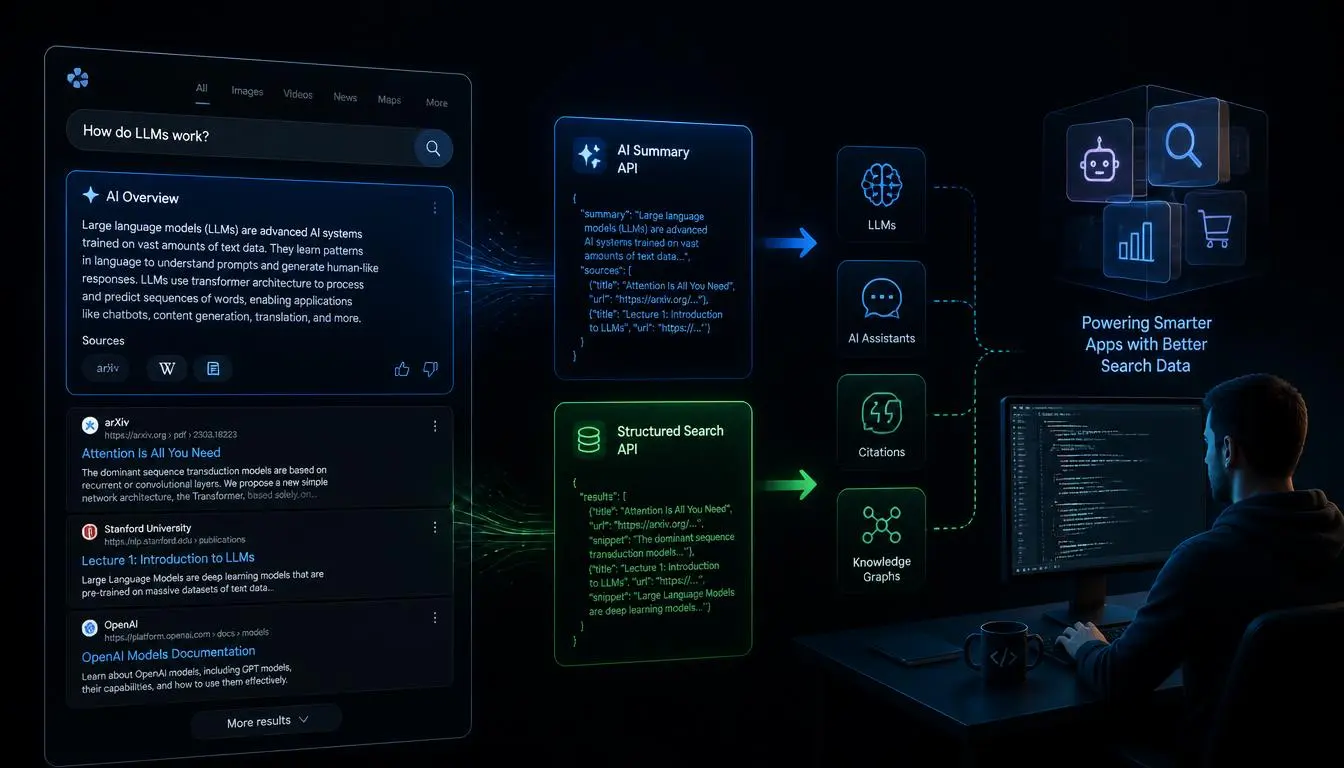
AI Overview от Google загружаются непоследовательно. Они появляются в одном из трёх состояний в зависимости от запроса: полностью отрендеренные сразу, отложенные и требующие повторного асинхронного вызова, или полностью отсутствующие.
Согласно одному отчёту 2026 года, AI Overview появляются примерно в 48% отслеживаемых запросов — почти половина того, что вы мониторите, если занимаетесь отслеживанием позиций или видимости бренда.
Отложенное состояние ломает скрейперы незаметно. Запрос возвращается с пустым контейнером AI Overview, и если провайдер специально не обрабатывает асинхронный повторный вызов, вы никогда не узнаете, что данные отсутствуют.
Как следствие, показатели обнаружения сильно различаются у разных провайдеров — от менее половины подходящих запросов до примерно двух третей, в зависимости от того, насколько хорошо провайдер обрабатывает этот второй вызов.
Новый AI Mode от Google ещё сложнее — он загружается постепенно и меняется при взаимодействии, поэтому одного статичного запроса обычно недостаточно, чтобы его захватить.
Если вы отслеживаете, как ваш контент отображается в ответах, сгенерированных ИИ, лучший search api для проверки контента Overview и AI Mode — тот, который раскрывает свой показатель обнаружения заранее, а не тот, у которого самая низкая цена на ценнике.
Читайте подробнее о API для отслеживания позиций
Экспертный совет: Запросите у любого провайдера показатель обнаружения на выборке ваших реальных запросов, прежде чем подписываться. Маркетинговые страницы редко публикуют эту цифру, и она сильно колеблется в зависимости от типа запроса.
Легален ли SERP-скрейпинг в 2026 году
Короткий ответ: суды склонялись к «да» для публичных результатов поиска в трёх отдельных решениях за последние семь лет, хотя картина ещё не до конца устоялась.
2019: hiQ Labs против LinkedIn: Девятый окружной апелляционный суд постановил, что скрейпинг общедоступных данных, вероятно, не нарушает CFAA, даже вопреки воле владельца сайта. (Дело hiQ позже завершилось по отдельным договорным основаниям, не связанным с этим ключевым решением.)
2024: Meta против Bright Data: Федеральный суд постановил, что условия использования Meta не связывают скрейпер, обращающийся к публичным страницам без авторизации, поскольку он не является «пользователем» платформы.
2026: Google против SerpApi: Федеральный суд отклонил основные претензии Google по DMCA в июле, постановив, что антиботовые меры не считаются механизмом защиты авторских прав на результаты поиска, не защищённые авторским правом.
Всё это не даёт полного юридического разрешения; Google сохранил более узкий путь для внесения поправок в претензии по конкретным элементам, защищённым авторским правом, а отдельный нерешённый иск Reddit называет Oxylabs и других в связи со сторонним контентом внутри спарсенных результатов. Это не юридическая консультация; если данные SERP критичны для вашего бизнеса, попросите юриста изучить вашу конкретную ситуацию, а не полагайтесь на страницу FAQ любого вендора.
Почему CyberYozh — самый разумный выбор инфраструктуры для стартапов и растущих компаний
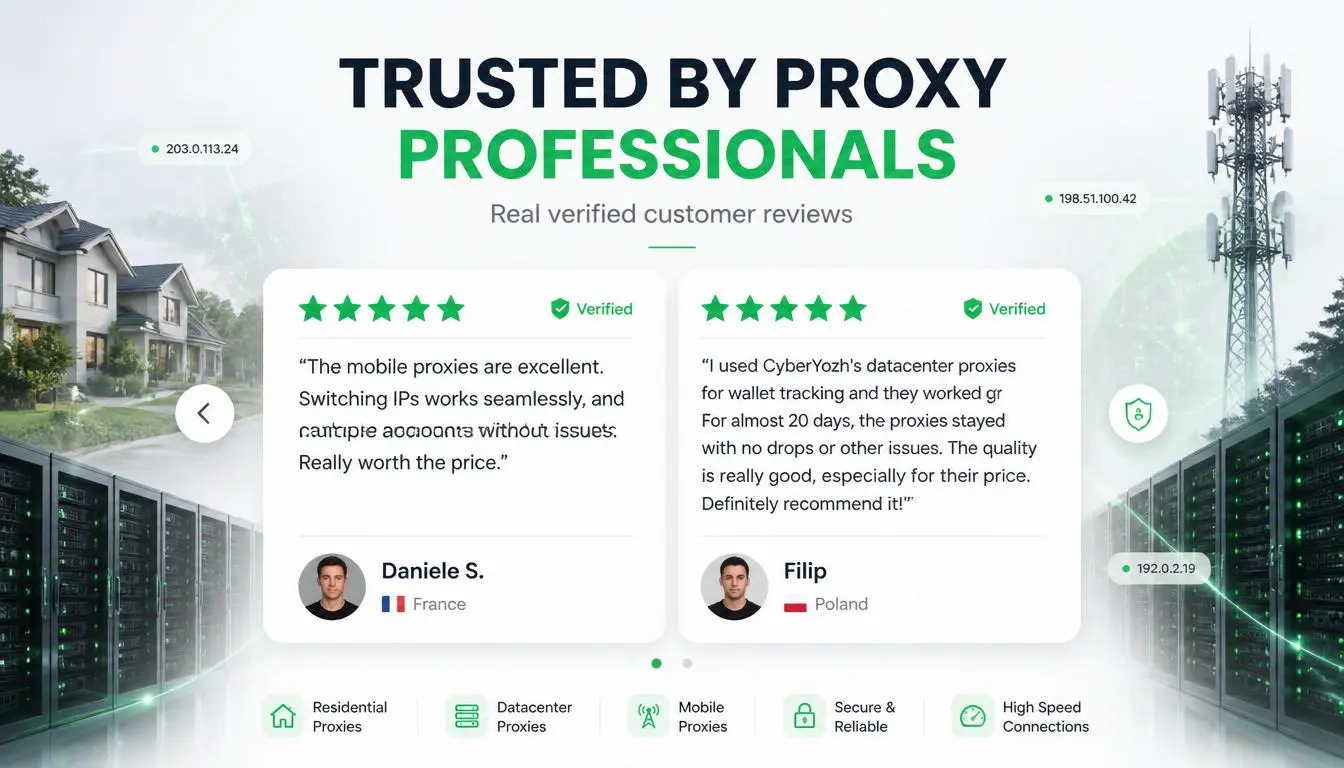
В 2026 году есть всего два способа получить данные SERP. Провайдеры вроде Bright Data и SerpApi продают чёрный ящик: вы отправляете ключевое слово, они возвращают JSON, и у вас нулевая видимость того, как был сделан запрос, какой прокси его обработал или почему поле вернулось пустым.
CyberYozh использует другой подход, прокси-инфраструктура плюс open-source Yozh Scraper, так что вы получаете тот же структурированный вывод, но каждая часть пайплайна — это то, что вы можете видеть, запускать и изменять самостоятельно.
Эта прозрачность — также источник экономии. Нет платы за программное обеспечение для разблокировки уровня парсинга, потому что парсер не проприетарный; это бесплатный инструмент, работающий поверх инфраструктуры, за которую вы уже платите по гигабайтам.
Ротационные резидентские прокси по $2/ГБ означают, что вы платите за то, что используете, без ежемесячной квоты, которая сбрасывается.
Мобильные прокси 5G/LTE за $1,70/день подходят для задач с высоким уровнем доверия, где датацентровые IP быстро блокируются, а датацентровые прокси за $1,90/месяц справляются с высокообъёмным парсингом, где скорость важнее доверия.
Инструменты Fraud Score, виртуальные карты, чекеры IP и верификация телефонов и карт доступны в одном аккаунте, так что для SERP-процесса, который также затрагивает создание аккаунтов или проверку платежей, не нужен второй поставщик.
Полный доступ к API и SMS с генератором учётных данных позволяет небольшой инженерной команде запускать сотни параллельных сессий без ручных операций.
Это не подойдёт, если вам нужен готовый JSON без какой-либо инженерной работы — управляемый API оправдывает свою наценку в таких случаях. Но если у вас уже есть инфраструктура для парсинга или вы планируете её создать, связка с инфраструктурой CyberYozh обычно является самым дешёвым надёжным путём к поисковым данным в 2026 году.