
7 best virtual cards for Facebook ads in 2026
A virtual card for Facebook ads should do more than complete one successful payment.
Meta advertising can involve recurring charges, multiple client budgets, different currencies, and payment methods that vary by country. A cheap card can become expensive once funding and FX fees are added, while one shared company card can make agency reconciliation unnecessarily difficult.
The best setup gives you a reliable way to pay, clear control over each advertising budget and enough separation that a problem with one payment method does not disrupt every campaign.
Quick answer: CyberYozh is our best overall virtual card option for Facebook ads because its advertising cards can be separated by client or project, managed with individual spending limits and combined with the proxy and risk infrastructure used in the wider advertising workflow. PSTNET is a strong standalone ad-card specialist, while Wallester is particularly attractive when high-volume virtual card issuance is the priority.
Before choosing any provider, remember that Meta's supported payment methods depend on the country, currency, and billing configuration of the ad account. No provider can legitimately promise that every virtual card or BIN will work with every Facebook ads account.
For the official rules, check Meta's accepted payment options for Meta ads. For a broader comparison across several advertising platforms, see our guide to virtual cards for social media managers and ad teams.
TL;DR: Best virtual cards for Facebook ads
The right provider depends on whether you are managing one business, several clients, or hundreds of payment methods.
Rank | Provider | Best for | Main advantage |
1 | CyberYozh | Overall Facebook ads operations | Cards + spending controls + proxy/risk workflow |
2 | PSTNET | Dedicated media buying | Advertising-focused virtual cards |
3 | Pay2.House | Straightforward ad cards | Simple card pricing structure |
4 | Wallester | High-volume issuance | Large free virtual-card allowance |
5 | Airwallex | Global agencies | Multi-currency finance |
6 | Revolut Business | Existing Revolut teams | Business banking and spend controls |
7 | Wise Business | Cross-border teams | International payment and FX utility |
Best overall: Choose CyberYozh when virtual cards are part of a wider advertising operation rather than an isolated finance task.
Best for cards only: PSTNET makes more sense if dedicated advertising-card issuance is the main requirement.
Best for volume: Wallester is worth considering when the number of virtual cards matters more than Facebook-specific infrastructure.
Want to separate Meta advertising budgets without managing one company card across every client? Explore CyberYozh virtual cards for advertising and online payments.
What makes a virtual card good for Facebook ads
A virtual card that works perfectly for SaaS subscriptions may still be a poor choice for advertising. Meta billing can involve automatic charges, spending thresholds, and recurring payments, so the card needs to fit the actual billing setup of the ad account.
Support for recurring advertising payments
Facebook ads can charge an eligible payment method repeatedly as advertising spend accumulates.
That means your card should:
support the billing method configured on the account;
maintain enough available balance;
handle recurring merchant transactions;
provide clear transaction history;
allow you to react quickly to a decline.
A disposable or single-use card is not automatically a good advertising card simply because it can make online purchases.
Payment rule: “Virtual” describes how the card is issued, not whether Meta will accept it. Card type, issuer, billing country, available balance, and account configuration can all affect the transaction.
Separate cards for clients and ad accounts
Agencies should avoid putting every advertiser on one shared payment card where possible.
A cleaner structure is to assign cards by client, business unit, or important ad account. That makes it easier to understand where spend is coming from and to freeze one payment method without interfering with unrelated campaigns.
CyberYozh's virtual-card management system with per-card controls is designed around this kind of separation.
Agency tip: You do not necessarily need one card for every campaign. Start with one card per client or major ad account, then create additional cards only where the budget structure justifies them.
Real cost after funding and FX
The card issuance price is only one part of the bill. A $5 card with a percentage-based funding fee may eventually cost much more than a $10 card with cheaper funding. Compare issuance, maintenance, top-up fees, refunds, FX charges and any costs associated with additional cards.
Billing and regional fit
Your payment method should correspond to the legitimate business, currency, and billing configuration of the advertising account. CyberYozh offers virtual cards for digital and advertising payments with different available BIN options. The appropriate setup depends on the business's actual payment requirements.
7 best virtual cards for Facebook ads
Different providers solve different problems. Some specialize in ad payments, while others are broader corporate expense platforms.
1. CyberYozh: Best overall virtual card for Facebook ads
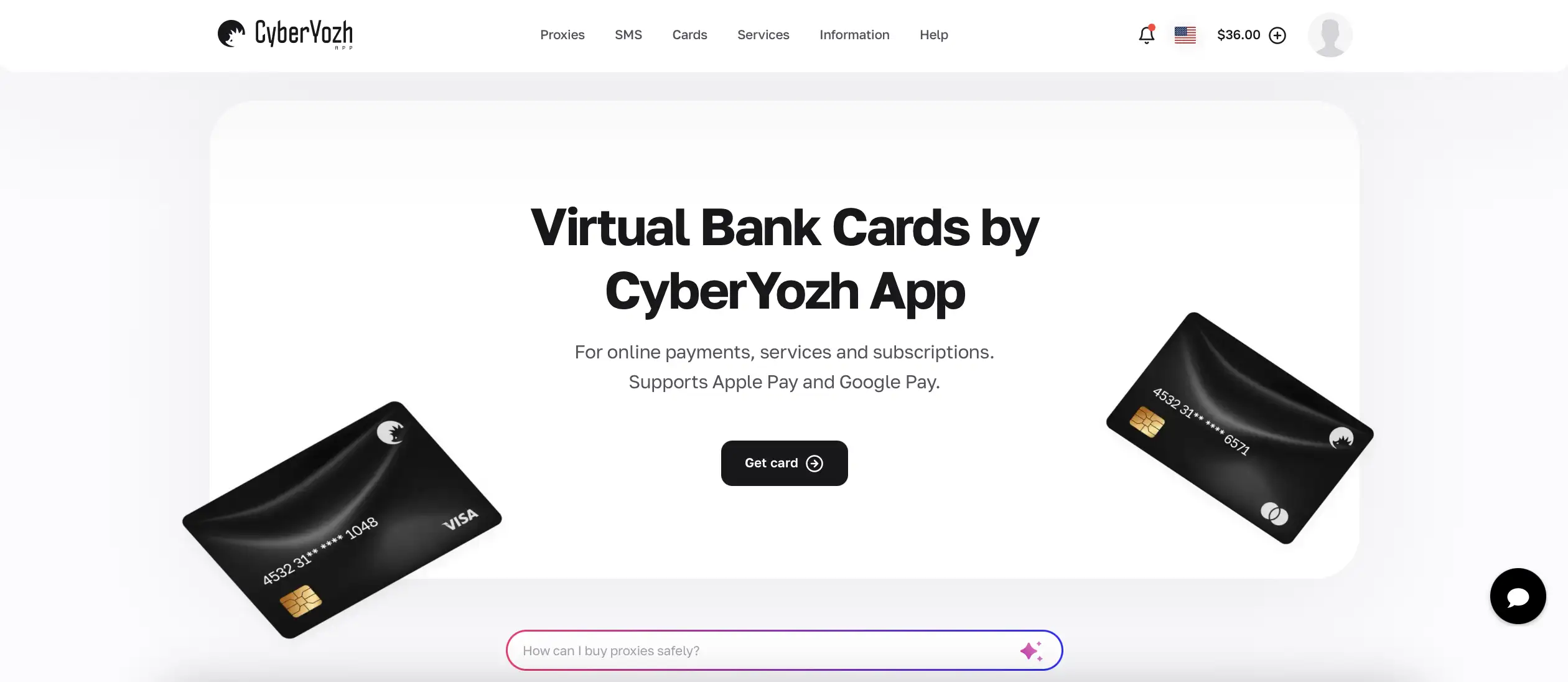
CyberYozh is our top choice because the virtual card is only one part of the advertising infrastructure available on the platform. Teams can create separate cards for different projects or advertisers, apply individual spending limits, monitor transactions, and freeze cards when needed.
That becomes particularly useful for agencies where a single finance team may be responsible for multiple advertising budgets. The card layer can also sit alongside Facebook proxy infrastructure for authorized campaign operations, allowing network and payment workflows to be managed within the same wider environment.
Best for: agencies, media buyers and businesses managing several Meta advertising budgets.
Main limitation:
Fees depend on the available BIN and card setup rather than one universal advertised price.
Main advantage:
Card separation plus surrounding proxy and risk infrastructure.
Why we rank it first: Facebook ads payments rarely exist in isolation. Agencies also deal with account access, regional QA, network consistency, and risk checks. CyberYozh brings those operational layers closer together instead of treating the card as the entire solution.
Issue and manage CyberYozh virtual cards and separate Facebook ads budgets before campaign spend becomes difficult to reconcile.
2. PSTNET
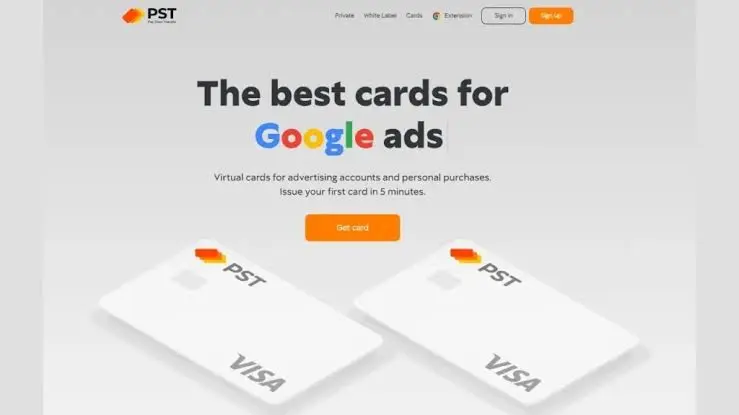
PSTNET focuses heavily on virtual cards for advertising and offers options positioned specifically for platforms including Facebook. It is a strong choice for teams that mainly want card issuance without needing a broader proxy or network stack.
Best for: dedicated media buyers and agencies focused primarily on card infrastructure.
Main limitation:
Most of the surrounding account, proxy, and network workflow must be managed elsewhere.
Main advantage:
Advertising-focused card products and multiple BIN options.
3. Pay2.House
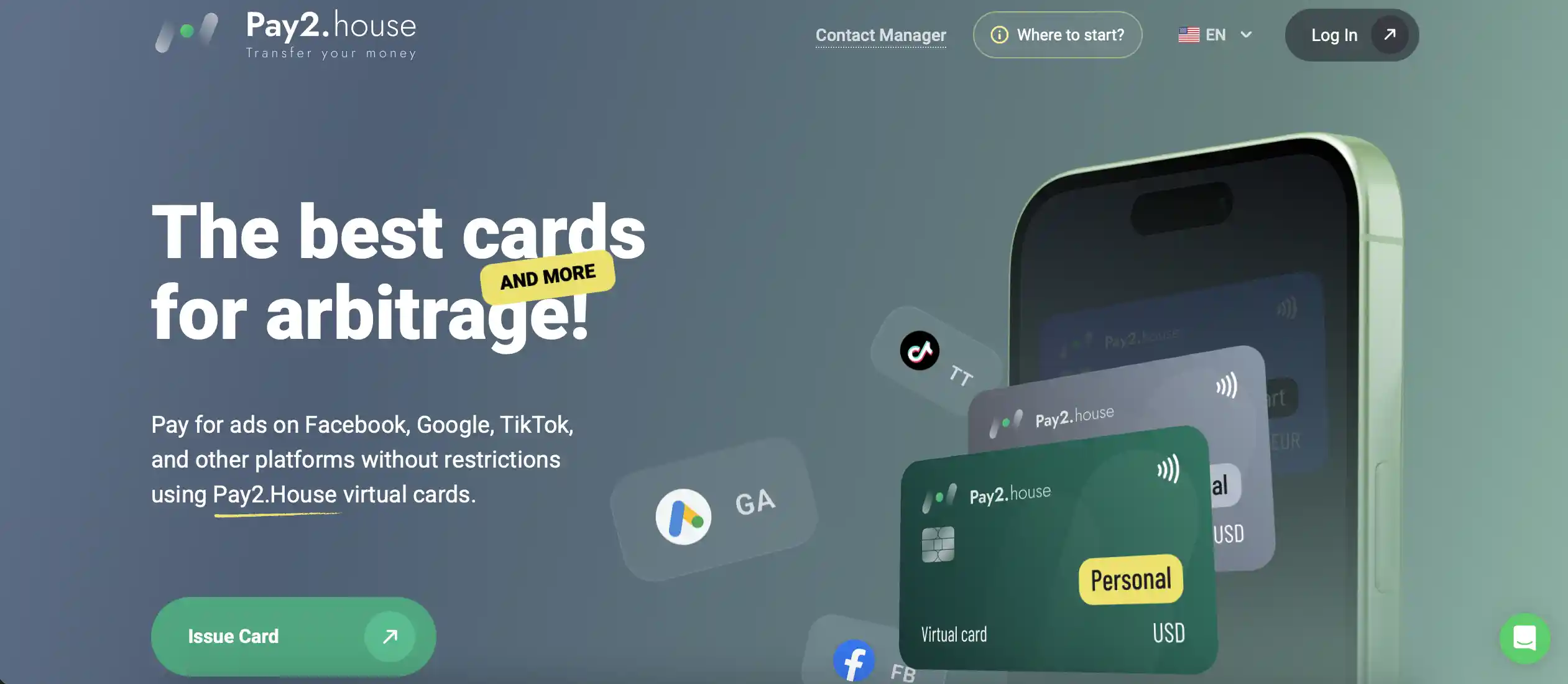
Pay2.House is another advertising-oriented virtual card provider. Its pricing structure is relatively easy to understand, but advertisers should pay close attention to funding fees rather than looking only at the card issuance price.
A percentage-based top-up fee becomes increasingly important as Facebook advertising spend rises.
Best for: advertisers who want simple card issuance and predictable card-level costs.
Main limitation:
Funding costs can become significant at higher spend levels.
Main advantage:
Clear advertising use case.
Cost check: Always model the provider against your expected monthly ad spend. Cheap issuance does not automatically mean cheap advertising payments.
4. Wallester
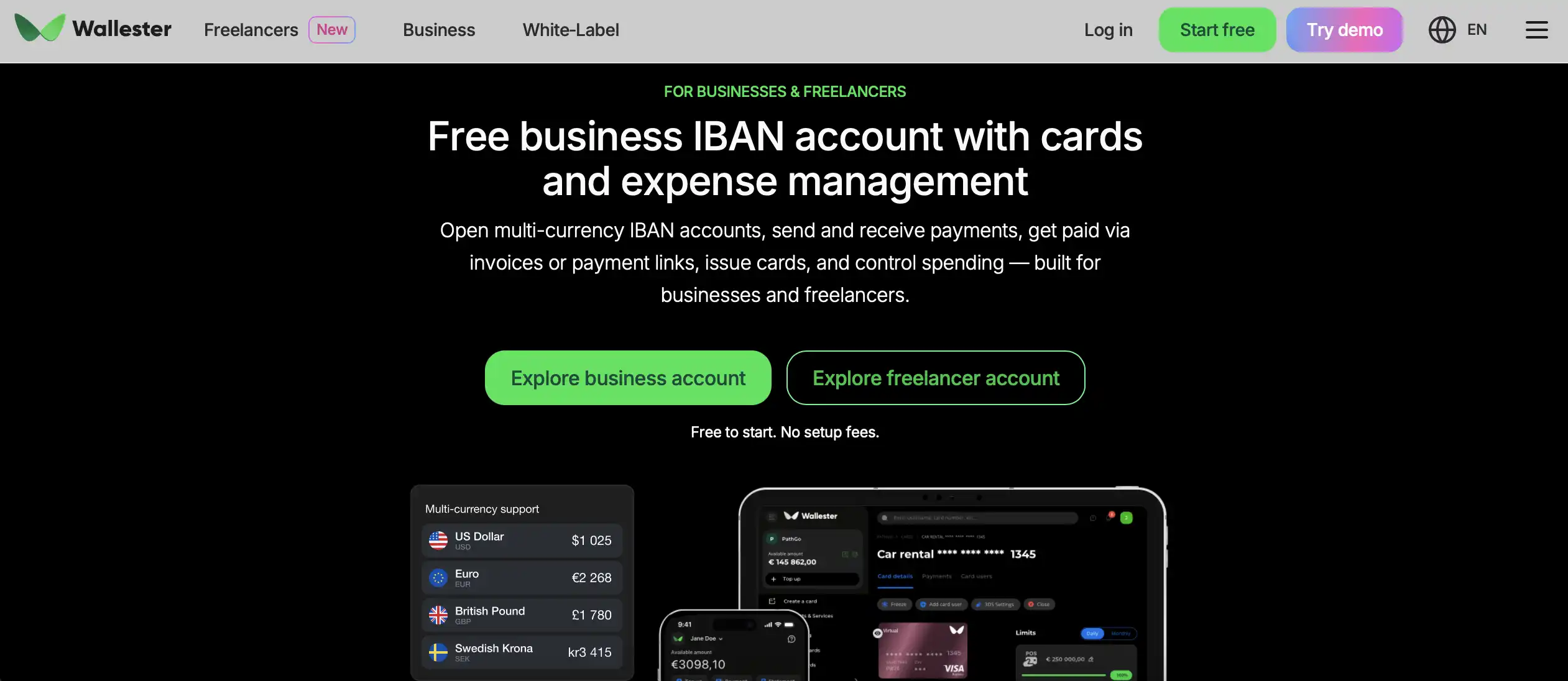
Wallester is particularly useful for businesses that need many cards. Its business plans can include large numbers of virtual cards together with employee controls, spending limits and API functionality. This can work well for agencies with complex budget structures, although Wallester is a general corporate-card platform rather than a Facebook-specific advertising service.
Best for: businesses that prioritize high card volume.
Main limitation:
The platform is not built specifically around Meta advertising.
Main advantage:
Generous card allowances and team controls.
5. Airwallex
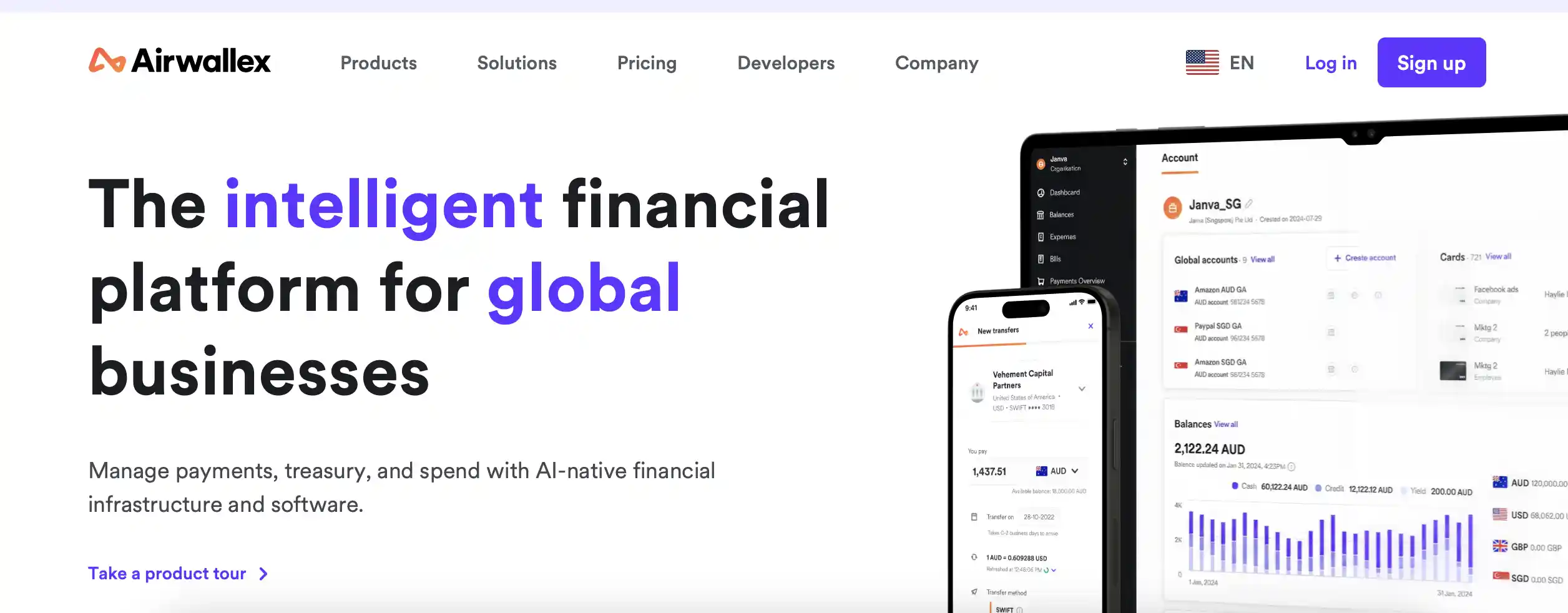
Airwallex is stronger as a global finance platform than as a Facebook-specific card provider. It supports virtual company and employee cards alongside multi-currency accounts, expense management and international payments.
For agencies already handling international client funds and vendor expenses, keeping Meta advertising spend inside the same finance stack may be useful.
Best for: larger international agencies.
Main limitation:
Less advertising-specific than CyberYozh or PSTNET.
Main advantage:
Multi-currency finance and expense management.
6. Revolut Business
Revolut Business virtual cards are useful for companies already running operational finance through Revolut. Teams can separate marketing costs from other expenses and apply spending controls without adding another financial platform.
Best for: companies already using Revolut Business.
Main limitation:
Convenient integration with existing banking operations. It is a general corporate card rather than a purpose-built Facebook ads solution.
Main advantage:
Convenient integration with existing banking operations.
7. Wise Business
Wise Business is useful when international payments and currency conversion matter more than mass card issuance. Digital cards make online spending easier to separate, while Wise's broader multi-currency capabilities can help international businesses manage expenses.
Best for: freelancers and smaller teams buying ads across markets.
Main limitation:
Large-scale advertising and card issuance are not its core use case.
Main advantage:
Cross-border payments and FX utility.
Are free virtual cards for Facebook ads actually free
A free virtual card can reduce your upfront cost, but free issuance should never be treated as the same thing as free payment infrastructure. You may still pay for funding, currency conversion, withdrawals, refunds, or services beyond the free card allowance.
Wallester, for example, is interesting because of its substantial free virtual-card allowance. That does not mean every transaction or funding route is free.
Free-card reality check: Calculate the total cost on your expected monthly Facebook ads spend. A free card with a 1–4% funding cost can become more expensive than a paid card very quickly.
Free issuance also says nothing about whether Meta will accept that specific card on your account.
If predictable card separation matters more than chasing a $0 issuance fee, compare the available CyberYozh advertising card options against your actual monthly spend.
How to use a virtual card for Facebook ads with fewer payment problems
Most Facebook ads card problems should be diagnosed before you start replacing payment methods.
Start by confirming the billing country, currency, and payment methods available inside the ad account. Then use accurate billing details, maintain enough card balance, and assign advertising budgets clearly.
If a transaction fails, Meta recommends checking the payment information, available funds, card expiration, and whether the card issuer declined the transaction. See Meta's official ad payment troubleshooting guidance.
Repeatedly replacing cards without diagnosing the cause can create more complexity rather than solving the underlying payment issue.
Before replacing a declined card: Check the balance, transaction status, billing information, issuer response, and Meta account first. A decline is not automatically evidence that the virtual card provider is incompatible with Facebook ads.
How virtual cards fit a proxy-first Facebook ads workflow
Virtual cards and proxies solve two very different problems, but they can work well together.
The card takes care of the payment side, things like separating budgets, controlling spend, and keeping different clients or ad accounts easier to manage. The proxy handles the network side, helping teams work from a stable and appropriate connection when their workflow requires it.
For example, if your team manages Meta campaigns from consistent environments, a Facebook proxy can help you keep that network setup more stable. If you are still deciding what kind of connection makes sense, our guide to the best Facebook proxies breaks down the main options.
The right proxy also depends on the job. A mobile connection may make sense for workflows that genuinely need a mobile-network environment, while residential proxies are often a better fit when you want residential IPs and longer-running sessions. The important thing is to choose the network based on how the account or campaign is actually being managed, rather than using the same proxy type for everything.
CyberYozh also gives you tools such as Fraud Score and IP quality checks to help spot potential infrastructure issues before you spend too much time troubleshooting the wrong thing.
And if your Meta campaigns also run across Instagram, the same idea applies there. You can pair the payment setup with an appropriate Instagram ads proxy when your workflow needs a consistent network environment.
The simple way to think about it: the virtual card helps you control the money, while the proxy helps you control the connection. They are two separate parts of the same workflow, and neither should be used to misrepresent billing information, bypass payment controls, or get around Meta's rules.
Build the workflow from the problem outward: stable network access where needed, clear risk signals, and then dedicated virtual cards for each advertising budget.
Final recommendation
There is no single virtual card that is automatically best for every Facebook ads account.
PSTNET is strong for dedicated advertising cards. Wallester stands out when card volume matters. Airwallex is better suited to international finance operations, while Revolut Business and Wise work well for companies already using those ecosystems.
For a broader advertising operation, CyberYozh is our first choice.
You can separate Facebook advertising spend by project or client, apply individual limits and connect the payment layer with the Facebook proxy, network and risk infrastructure used elsewhere in the workflow.
Final takeaway: Choose a Facebook ads virtual card based on recurring-payment suitability, account fit, total cost and operational control, not simply because the card is free or advertised as “working with Facebook.”
Explore CyberYozh virtual cards for advertising and create a payment structure built around the way your team actually manages Meta campaigns.