
7 Best Virtual Cards For Social Media Managers In 2026: Ads and Multi-Account Payments
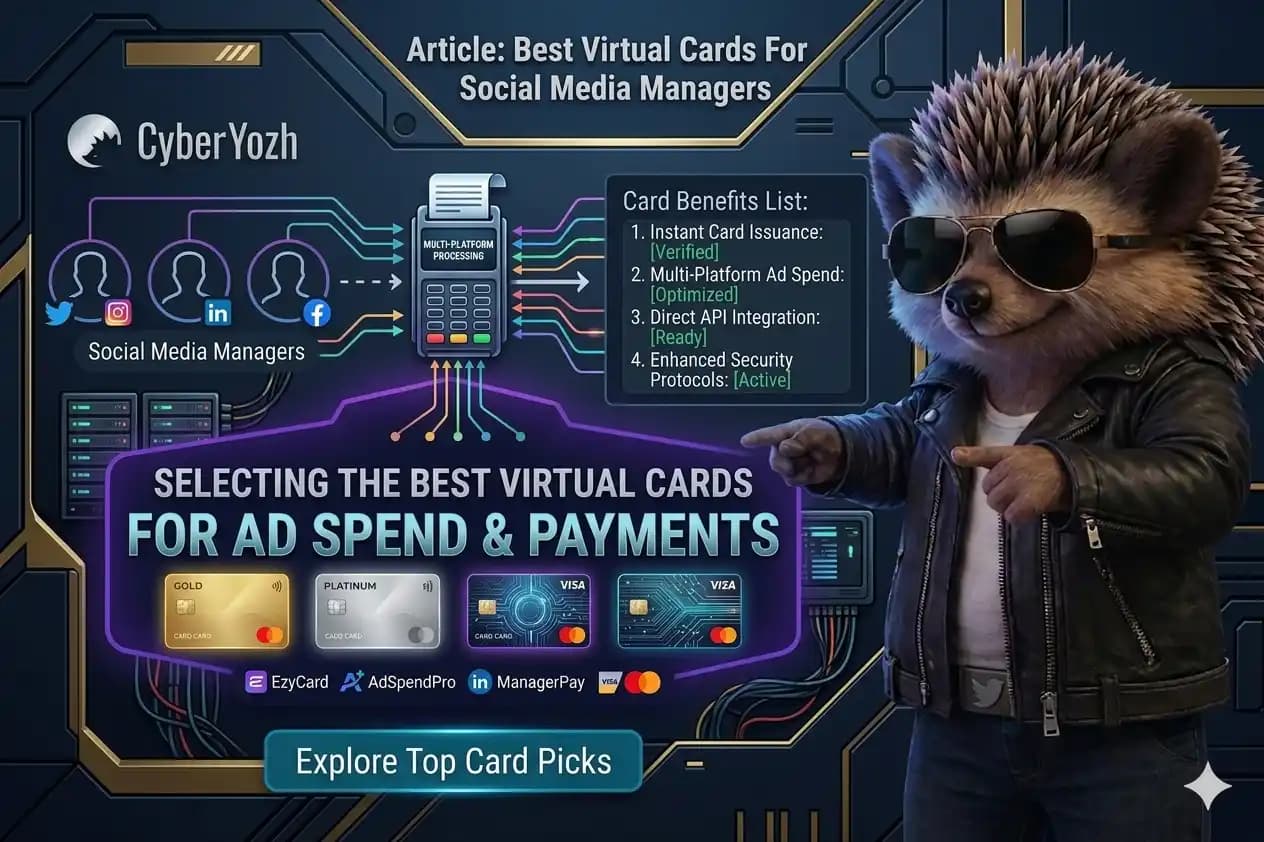
Social media advertising is no longer just about running campaigns. It’s about managing infrastructure across multiple accounts, clients, and platforms at scale. As activity expands across Meta, TikTok, and Google Ads, payment systems become essential for keeping predictable campaigns.
Virtual cards have become a practical way to structure this setup. Instead of relying on a single business credit card, social media managers and media buying teams use separate virtual cards to isolate budgets across clients and ad accounts. This improves spend control, simplifies tracking, and reduces friction when scaling campaigns or managing multiple active accounts.
In this article, you’ll find:
How social media managers and ads teams use virtual cards in real workflows
The best virtual cards for social media managers, including Facebook ads and scaling campaigns
How a virtual credit card for Meta and Google Ads fit into media buying setups.
TL;DR
Social media managers use virtual cards to separate budgets, manage multiple ad accounts, and reduce payment issues across Meta, TikTok, and Google Ads.
Different platforms require different card behaviors, so teams often use separate cards for Facebook, TikTok, and scaling workflows.
The best platforms offer structured card issuance, budget control, and platform-specific card strategies to keep ad operations stable.
Why virtual cards matter for social media managers
Social media managers don’t run a single ad account. They manage multiple ad accounts payments across different clients, platforms, and payment flows. Traditional business cards don’t work well in this setup. One shared card leads to messy tracking, weaker budget control, and a single point of failure across all campaigns.
Virtual cards for social media managers solve core problems:
Budget separation — Each client or campaign gets its own card, so spending never overlaps
Risk isolation — If one card fails or gets blocked, only that account is affected while others continue running
Clean tracking — Expenses are instantly mapped to the right client or campaign without manual reconciliation
For media buying teams, this creates a payment layer that scales with operations. New clients or accounts can be added without rebuilding the entire financial setup each time.
Benefits of using virtual cards for ads and account management
Virtual cards make ad operations easier to control when you’re running multiple clients, platforms, and campaigns at the same time. Instead of one shared payment source, spending is split into separate cards that match how your accounts are actually structured.
Budget control — Set clear spending limits per card so each campaign stays within its allocated budget
Cleaner reporting — Match expenses directly to campaigns or clients without manual breakdowns
Operational efficiency — Reduce time spent reconciling payments across accounts and platforms
Scalable setup — Add new campaigns or clients without changing existing payment structure
Stable execution — Keep campaigns running smoothly even as account volume increases.
Key features to look for in a virtual card for ads
Not all virtual cards are built for advertising workflows. Social media managers need cards that can handle multiple accounts, frequent transactions, and platform-specific payment behavior across Meta, TikTok, and Google Ads.
Multiple card creation so you can separate clients and campaigns
Instant card issuance
Ad payment acceptance for Meta, TikTok, and Google Ads
Stable transaction performance with low declines
Team and client-level access control
Global payment support.
7 Best virtual cards for social media managers
Here are the 7 best virtual cards for social media managers in 2026, covering tools used for Facebook, TikTok, and Google Ads payments across multi-account and scaling workflows.
1. CyberYozh: Best for scalable ad workflows
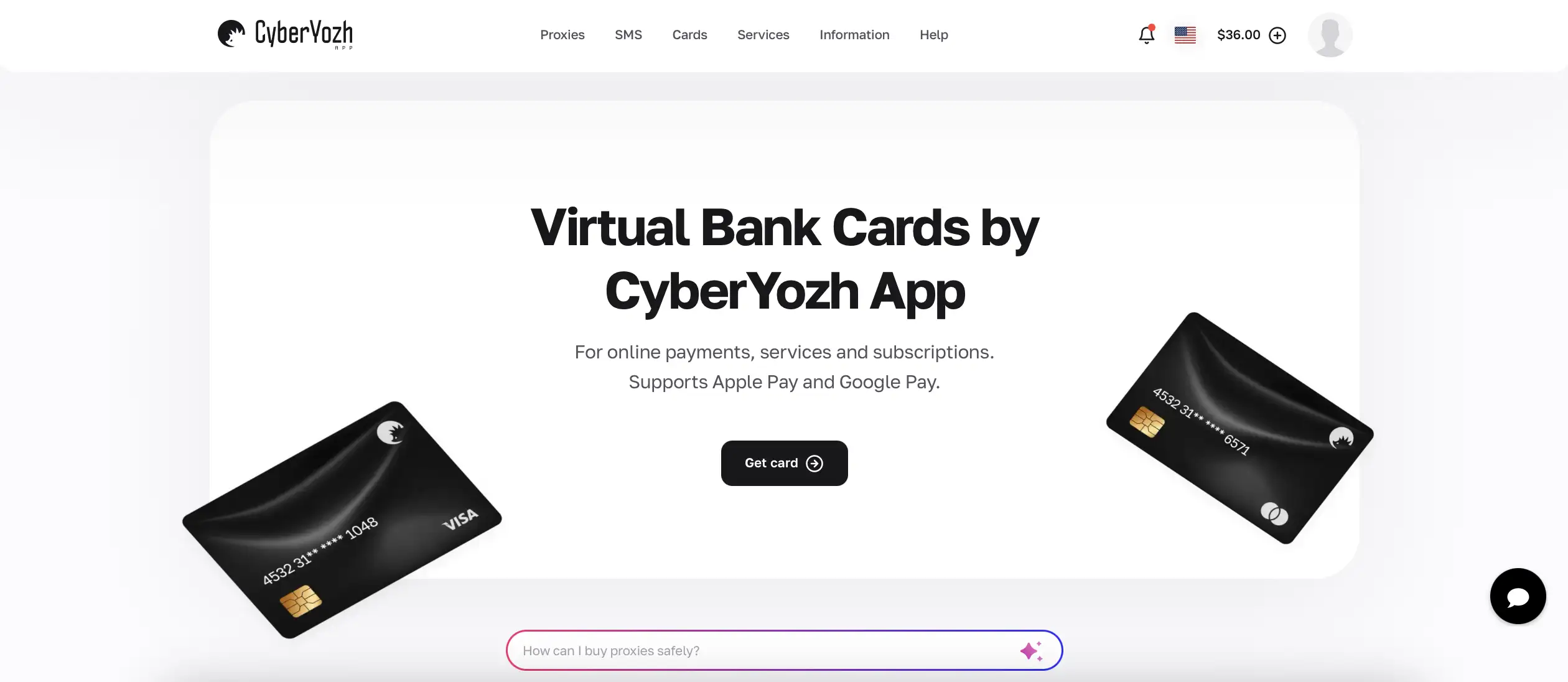
CyberYozh is the infrastructure for managing ad operations at scale, not just a virtual card provider. It supports stable payment flows for running multiple accounts, campaigns, and clients on Meta, TikTok, and Google Ads.
⭐ Try CyberYozh virtual cards for ad accounts
Key features for media buying teams:
Virtual cards built into a wider ecosystem – cards sit alongside mobile proxies, residential IPs, SMS activation, and fraud risk checks. One platform for social media and ad workflows.
Fraud Score checker – verify IP reputation, phone number, and card risk signals before attaching a card to an ad account. Helps reduce avoidable payment issues before launch.
Structured card issuance for ad accounts – assign cards per client, campaign, or ad account to keep spending easy to manage.
Multi-card creation – generate separate virtual cards per client, campaign, or ad account instantly. No manual approval bottlenecks.
Team access controls – assign cards to specific team members to keep spending visible and controlled.
Balance-based payments – funding is managed at the platform level, helping separate client budgets from internal operations.
Best for: Agencies, media buying teams, and social media managers running 5+ ad accounts across multiple platforms who need payment infrastructure that scales without breaking.
⭐ Reliable residential proxies for social media and ads platforms
2. Pay2.House: Strong alternative for media buying setups
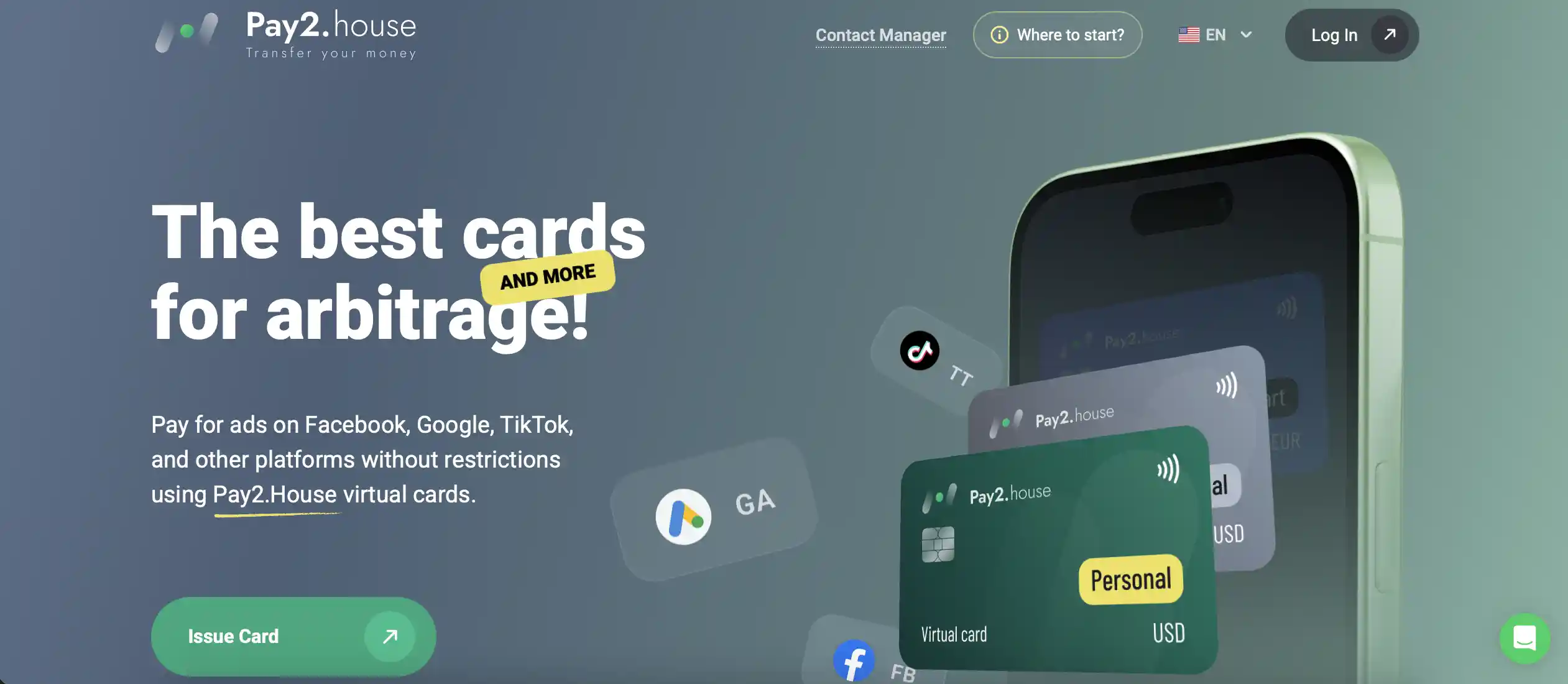
Pay2.House is a payment service used by media buyers, arbitrage teams, and online businesses running ad campaigns across Meta, Google, and TikTok. It offers instant virtual card issuance and flexible funding options designed for fast campaign setup and scaling.
Key features for media buying teams:
Instant Visa card issuance – generate virtual cards quickly, allowing faster setup of new ad accounts and campaigns without long delays.
No KYC required standard cards – allows faster onboarding, reducing setup friction for teams that need speed.
Multi-platform ad support – cards can be used for Facebook Ads, Google Ads, TikTok Ads, and other major advertising platforms used in media buying.
Unlimited card issuance – generate multiple cards for different campaigns, clients, or ad accounts.
3DS support – supports 3D Secure verification where required by advertising platforms such as Google and TikTok.
Flexible funding – top up via USDT (TRC20) or Capitalist, offering fast and flexible payment methods for teams that prefer non-traditional banking options.
Best for: Media buyers and arbitrage teams that need fast card issuance, flexible onboarding, and scalable card usage for multiple advertising accounts.
3. Revolut Business: Good for small teams
Revolut Business offers virtual cards with easy creation and basic team controls. It works for small social media teams who already use Revolut for general business banking. However, these cards are not built specifically for media buying and TikTok Ads acceptance is inconsistent.
Instant virtual card creation – generate cards in seconds from the dashboard
Spending limits per card – set monthly or one-time caps
Team roles and permissions – assign cards to members with view or spend access
Works on Meta and Google – but not optimized for TikTok or high-volume ad arbitrage.
Best for: Small agencies running 1-5 ad accounts who already use Revolut for business banking and want simple virtual cards without learning a new platform.
4. Wise Business: Good global payments, less ad-optimized
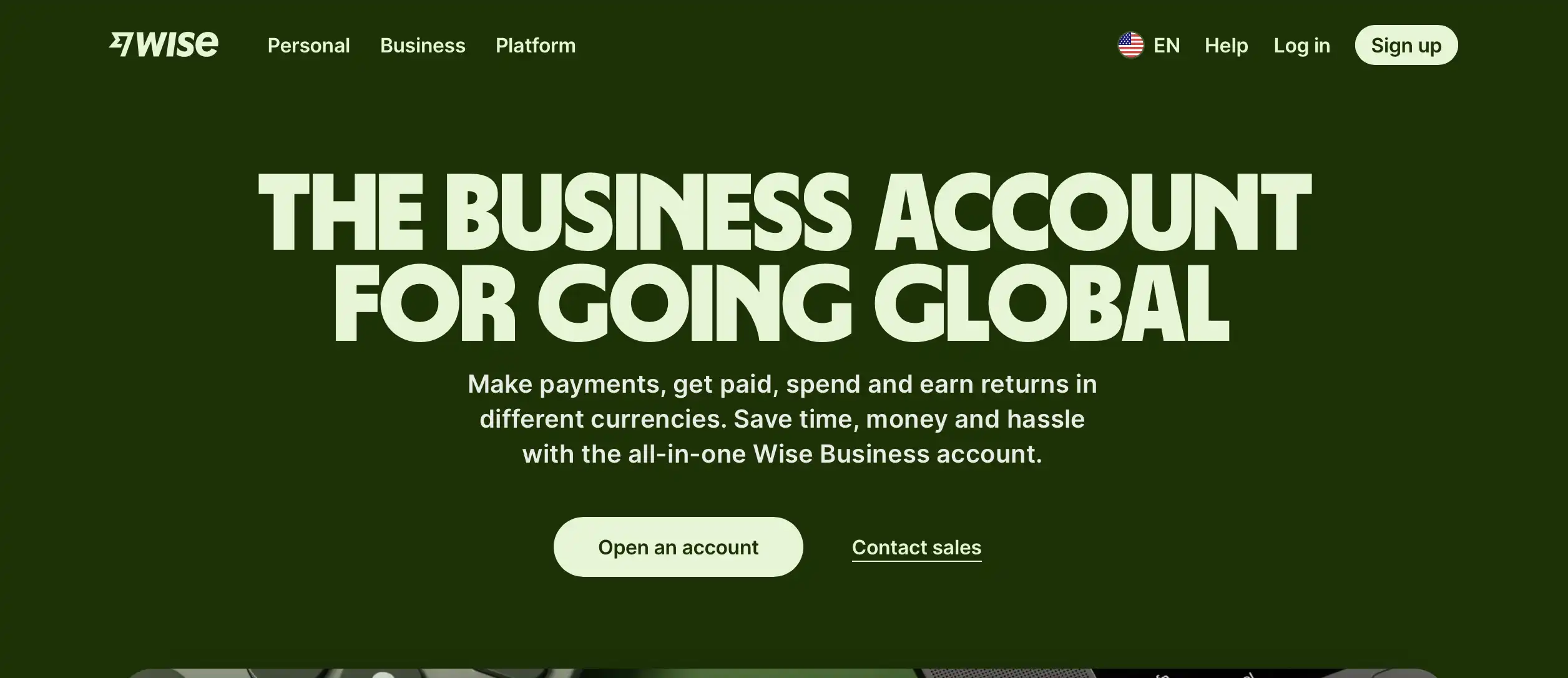
Wise Business provides multi-currency virtual cards for international spending. Useful for teams paying for ads in different currencies without high conversion fees. At the same time, the platform doesn’t allow mass card creation and has no merchant locks or fraud score tools.
Multi-currency balances – hold and spend in 40+ currencies
Low conversion fees – cheaper than most banks for cross-border ad spend
Instant virtual card issuance – create cards for team members quickly
Works with Google Ads and Meta – basic acceptance for standard ad accounts.
Best for: Freelancers and small teams who run ads in multiple currencies and want low-fee international spending, not high-volume ad account management.
5. Payoneer: Widely accepted, works for freelancers and agencies
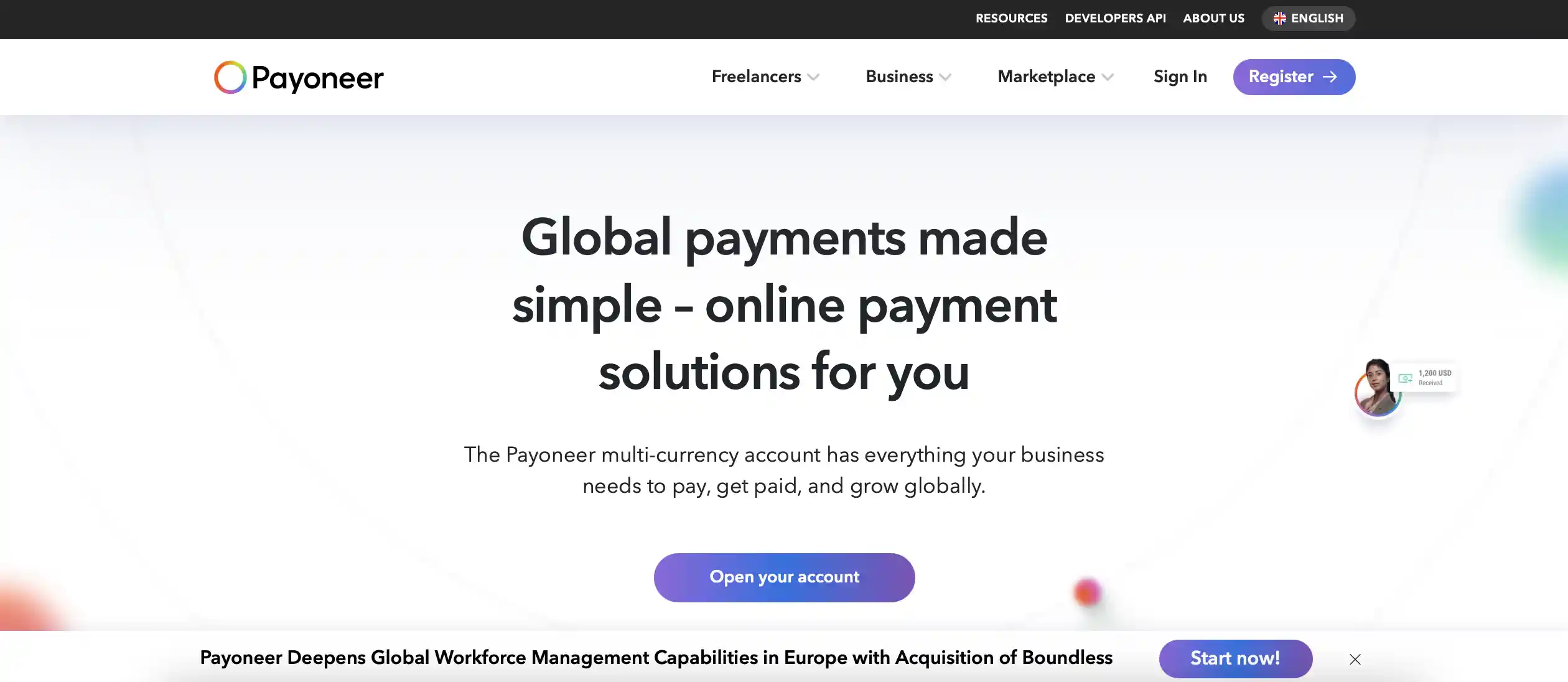
Payoneer offers virtual cards connected to your Payoneer balance. It's widely accepted for online payments including many ad platforms. However, customer service is not specialized in ad workflows and cards can get flagged on arbitrage-heavy accounts.
Easy card funding – from Payoneer balance or connected bank account
Works with Meta and Google – basic acceptance for standard ad accounts
Multiple card issuance – create several virtual cards for different clients or campaigns
Global reach – usable in most countries where Payoneer operates.
Best for: Freelance social media managers and small agencies who already use Payoneer for client payments and want a simple virtual card without setting up new accounts.
6. Airwallex: Strong for global teams
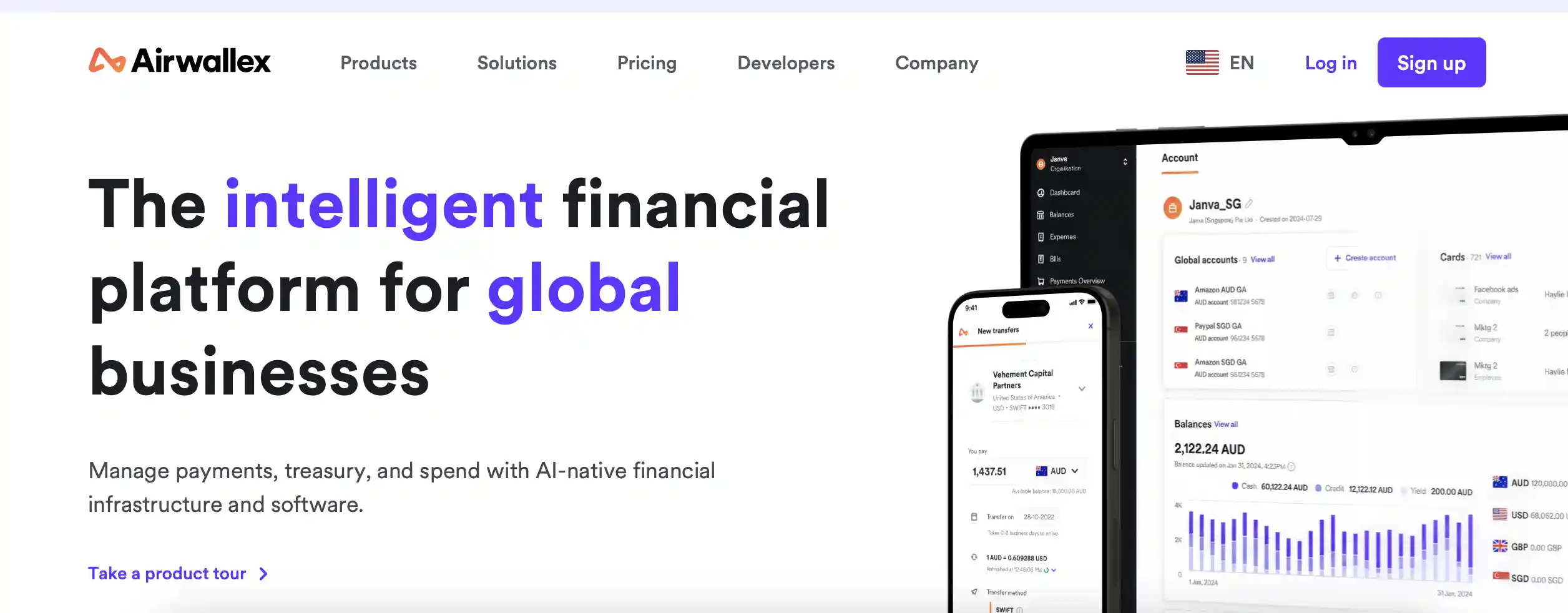
Airwallex provides API-driven payment infrastructure with virtual card issuance for businesses operating across multiple countries. Built for companies that need programmable spending controls. The platform requires business verification and documentation.
API-first card issuance – create and manage virtual cards programmatically at scale
Multi-currency wallets – hold and spend in 60+ currencies with interbank rates
Team spending controls – assign cards with custom limits and approval flows
Works with Meta and Google – standard acceptance for legitimate ad accounts
Best for: Established agencies and global teams running legitimate ad operations across multiple currencies who already have technical resources for API integration.
7. Wallester: Virtual card issuing at scale
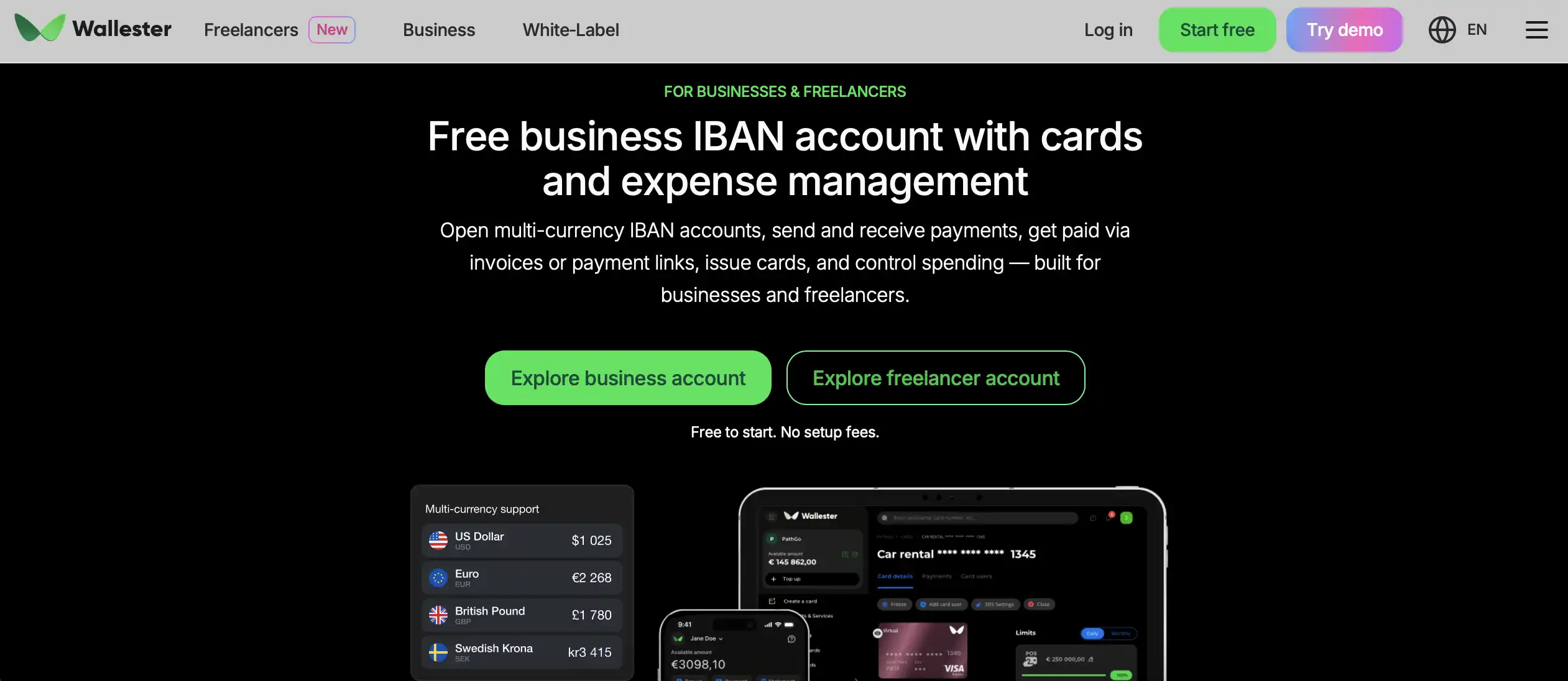
Wallester is a European virtual card issuer commonly used in ad and payment workflows. Provides white-label infrastructure and direct card issuance for businesses. Yet, it’s not optimized specifically for media buying arbitrage, and setup can take days.
Mass virtual card creation – generate thousands of cards via dashboard or API
Real-time spending limits – set per-card, per-day, or per-month caps
3DS and merchant category controls – restrict where cards can be used
Works with most ad platforms – including Meta, Google, and some TikTok setups
Best for: European agencies and media buying teams needing mass card issuance at scale who can complete full business verification and don't need instant setup.
Which virtual card is best for Facebook and TikTok ads
Facebook and TikTok treat payments differently. What works on one platform may fail on the other. Here's how to match virtual cards to each platform's behavior.
For Facebook Ads (Meta)
Facebook ads run on stable recurring billing. Once a card is attached to an ad account, Meta charges it automatically every time spend hits a threshold. If a payment fails, the ad account pauses instantly.
What Facebook needs from a virtual card:
Consistent acceptance – the card's BIN must not be flagged as "prepaid" or high-risk
Enough balance for holds – Meta places temporary authorization holds (50–200) before first spend
Stable transaction history – frequent declines get cards blacklisted on the Business Manager level
3DS support – for many new ad accounts, especially outside the US.
Best card types for Facebook: Cards from established issuers with clean BINs (CyberYozh, Pay2.House). Avoid generic neo-bank cards for high-volume Facebook spend.
For TikTok Ads
TikTok is stricter and less predictable. It can reject a virtual credit card for TikTok ads that work fine on Facebook. Many media buyers keep separate cards per TikTok ad account because a single failed payment can lock the entire Business Center.
What TikTok needs from a virtual card:
Clean, less-common BINs – TikTok flags overused BINs quickly
3DS verification – almost always required for new accounts
Local card behavior – TikTok prefers cards issued in the same region as the ad account
Isolation per account – one card per TikTok ad account prevents cross-contamination if a card fails.
Best card types for TikTok: Providers with fresh BINs and regional issuance such as CyberYozh for TikTok accounts. Pay2.House's no-KYC cards work for some setups.
How agencies handle both
Agencies running ads across both platforms rarely use one card for everything. The standard workflow:
One card per client – each client gets their own virtual card used across their own Facebook and TikTok accounts
Separate cards per TikTok ad account – within a client, TikTok gets card isolation
Backup cards – agencies keep backup cards funded and ready if primary cards fail.
Separating cards for TikTok, Meta, and virtual cards for Google Ads payments prevents a single payment issue from taking down multiple clients or crossing platform-specific restrictions.
Common mistakes when using virtual cards for ad payments
Most payment failures and ad account pauses come from the same few setup errors. Here's what to avoid when using virtual cards for social media managers.
Reusing the same card across many accounts — if one card gets flagged or fails, multiple ad accounts can pause at once
Mixing client budgets on one card — makes spend tracking and monthly reconciliation unclear and error-prone
Using unstable cards for scaling — some cards work at low spend but start declining when budgets increase
Not separating testing and scaling spend — test campaigns can trigger issues that affect cards used for high-budget scaling
Ignoring platform requirements — Meta relies on stable recurring billing, while TikTok often requires 3DS and cleaner BIN history; the same setup doesn’t always work for both.
Final recommendation for social media managers
CyberYozh is the best choice for virtual cards for media buying teams — it combines virtual cards with fraud checks, clean BINs, and team controls in one infrastructure platform. Pay2.House works as a flexible secondary option for media buyers who need fast, no-KYC card issuance with crypto funding. Traditional fintechs like Revolut, Wise, and Payoneer are fine for general business use but lack the ad-specific optimization for serious Facebook, TikTok, or Google Ads workflows.