






Since Jul 2, 2026, NetNut has been shut down by Google, the FBI, and other investigators due to an alleged botnet involvement and unethical sourcing practices. Read more in a dedicated article about NetNut and come to CyberYozh: our abuse team and IP quality check help us prevent such involvement.
CyberYozh App vs NetNut: Compare proxy infrastructure for real tasks
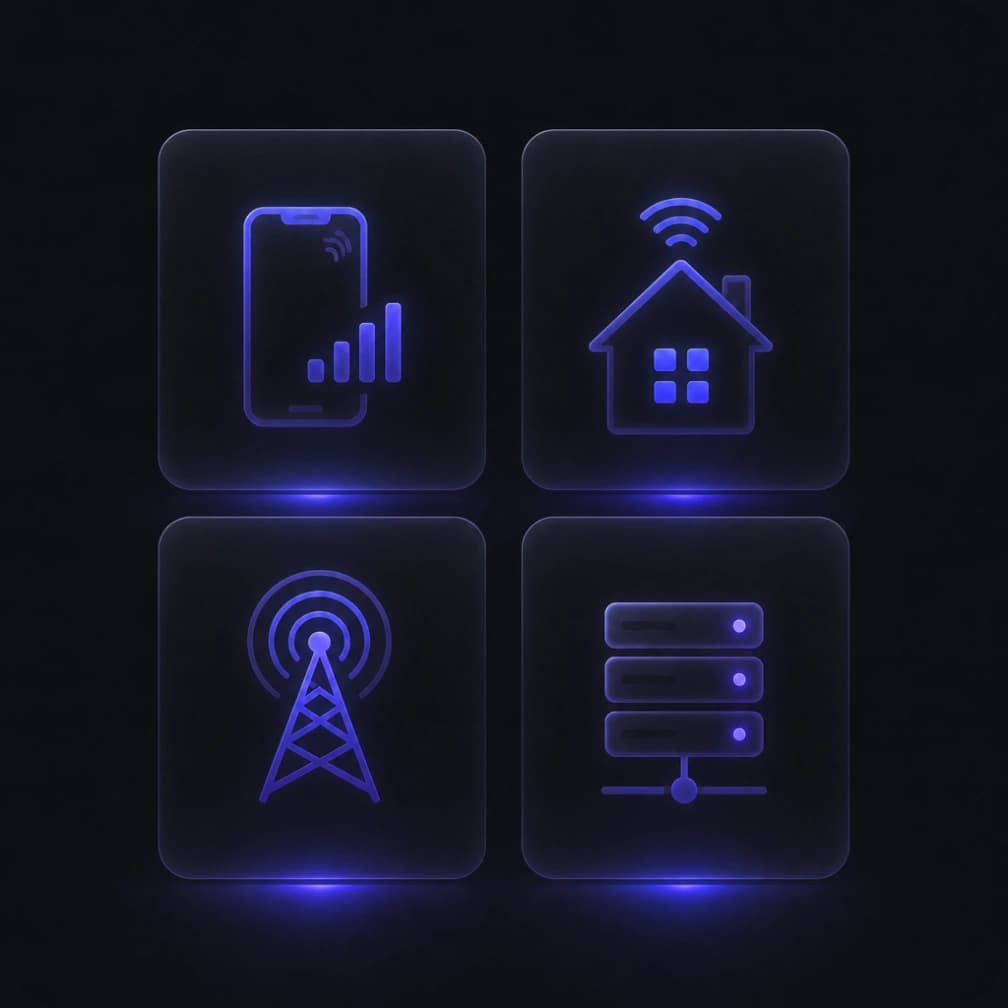
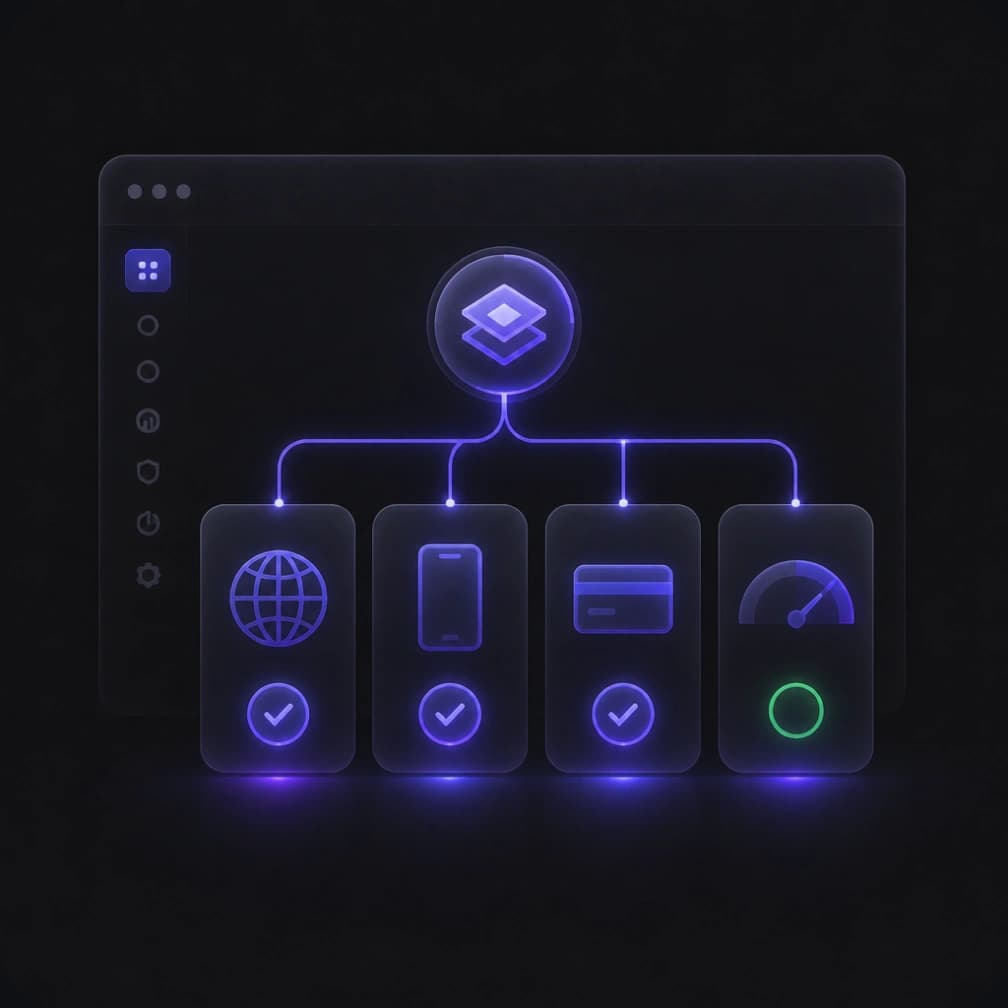
CyberYozh's proxy infrastructure spans four core layers: real carrier mobile LTE/5G proxies, ISP-based residential proxies, session-based rotating residential proxies, and dedicated datacenter proxies, all listed transparently in CyberYozh's catalog with per-type specs such as uptime, protocols, and IP counts. Every layer is built on consent-based sourcing and backed by an abuse team, so the infrastructure itself is designed to avoid the compliance gaps that led to NetNut's takedown.
NetNut built a comparably broad stack: residential, static ISP, mobile, and datacenter proxies pooled from an 85M+ IP network across 195+ countries, but its infrastructure came under direct scrutiny after Google and the FBI linked parts of that pool to the "Popa" botnet of hijacked smart TVs and streaming boxes.
CyberYozh App vs NetNut: Mobile proxy sourcing
CyberYozh's mobile proxies are sourced from real LTE/5G carrier networks across 20+ countries, using dedicated modems and routers from providers like Verizon, T-Mobile, and Vodafone, with manual and API-based IP changing, p0f fingerprint adjustment, and full UDP support. This carrier-authentic setup keeps network behavior indistinguishable from a real mobile subscriber, which matters for social media management and authentication-heavy workflows.
NetNut's mobile proxy tier advertises over 250,000 IPs across 3G/4G/5G/LTE networks in 100+ countries, sourced through mobile carrier partnerships and marketed for anonymity and geotargeted mobile data collection.
CyberYozh App vs NetNut: Residential proxy characteristics
CyberYozh splits its residential proxy offering into ISP residential proxies (100M+ IPs across 195+ countries with precise geotargeting) and rotating residential proxies (dynamic IP rotation, session-based connections, unlimited traffic, 99.8% uptime). Both tiers are drawn from real, consenting ISP and household participants, enabling businesses to achieve ZIP-code-level geotargeting without relying on undisclosed device enrollment.
NetNut's residential pool claims 85M+ IPs worldwide, split between rotating residential with unlimited concurrent sessions and static residential with persistent sessions, though the exact device-consent model behind this scale is now the subject of federal scrutiny.
CyberYozh App vs NetNut: Session management and rotation control
CyberYozh's rotating residential proxies support dynamic, session-based IP rotation for scalable automated workflows, while static ISP and mobile proxies offer manual and API IP changing for tasks that need session persistence, giving users granular control over when and how an IP refreshes. This flexibility is built directly into the dashboard and API access.
NetNut similarly offers both rotating and static session types across its residential and mobile lines, allowing users to choose sticky sessions for login-heavy tasks or rotating IPs for high-volume scraping, according to its documentation.
CyberYozh App vs NetNut: IP quality assurance
CyberYozh runs a self-service IP Checker for on-demand quality checks, plus automated IP quality filtering built into rotating residential proxies and the API, screening out flagged, blacklisted, or high-fraud-score addresses before they reach a project. This is paired with a dedicated abuse team that investigates and removes suspicious IPs from the pool on an ongoing basis.
NetNut publishes a 99%-99.9% success-rate claim across its network but does not offer a comparable public-facing IP quality checker, leaving quality control largely internal and non-transparent to end users.
CyberYozh App vs NetNut: Automation workflows
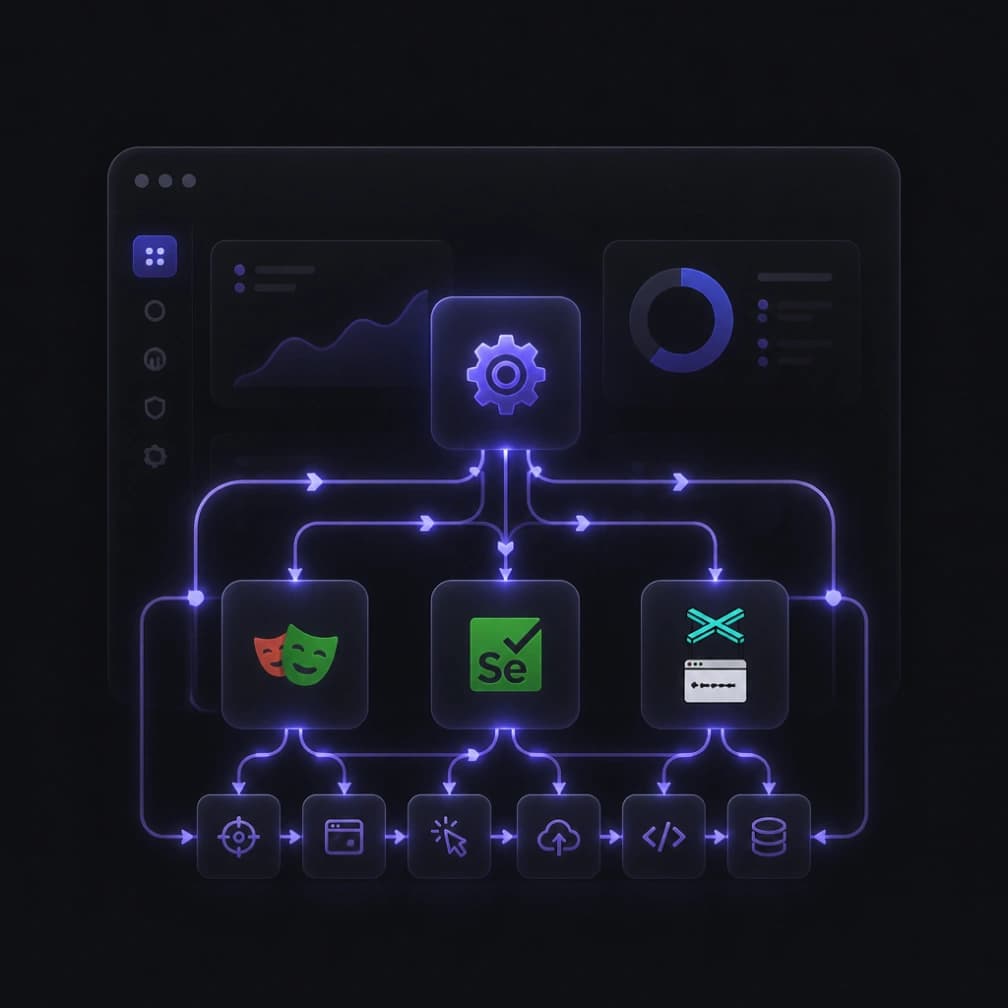
CyberYozh's proxies integrate directly with major automation frameworks: Scrapy, Selenium, Playwright, Puppeteer, and Postman are all listed as supported use cases in the catalog and guides, alongside API access for programmatic IP rotation and filtering. This makes it straightforward to plug CyberYozh proxies into existing scraping or QA pipelines without custom middleware.
NetNut also publishes integration guides for Selenium and Puppeteer-based scraping, along with a general-purpose API for custom tool integrations, though its documentation is less consistently comprehensive across the full framework list.
CyberYozh App vs NetNut: AI agent workflows
CyberYozh's API access and IP filtering tools are built to integrate with automated pipelines, including AI agent proxy scraping and browsing tasks that require clean, pre-screened IPs at each step without manual oversight. Combined with fingerprint control and unlimited-traffic mobile and residential tiers, this setup suits agentic workflows that run continuously and can't tolerate flagged or blocked IPs mid-task.
NetNut markets its API and high-volume residential pool as suitable for "AI and LLM data collection," but published documentation focuses on bulk data extraction rather than dedicated tooling for autonomous AI agent sessions. After Google’s shutdowns, its IP pool is even less suitable for such tasks.