

Redes móveis LTE / 5G reais
Execute agentes de IA em redes reais de operadoras com tráfego móvel ilimitado e canais dedicados.
- Redes reais de operadoras LTE / 5G
- Rotação de IP manual e via API
- Ambientes de alta confiança
- Sessões de IA estáveis
Execute consultas através da API DeepSeek usando proxies CyberYozh para obter resultados claros e baseados em localização sem limites de taxa. Use o DeepSeek como backend para Claude Code, GitHub Copilot e outras ferramentas de agente através de seus endpoints oficiais compatíveis com OpenAI e Anthropic, e direcione esse tráfego através dos proxies residenciais rotativos da CyberYozh para um desempenho estável e escalável.
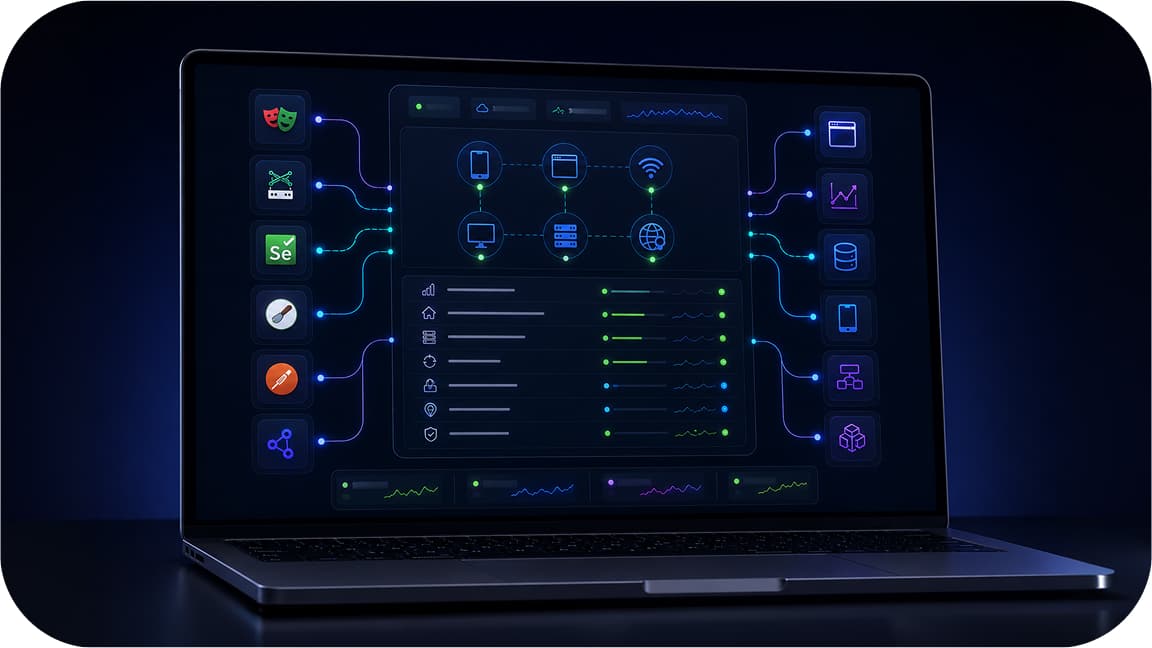
Use os proxies da CyberYozh como uma camada de rede limpa entre seus fluxos de trabalho alimentados por DeepSeek, seus servidores e destinos externos para operações de aplicativos e agentes.
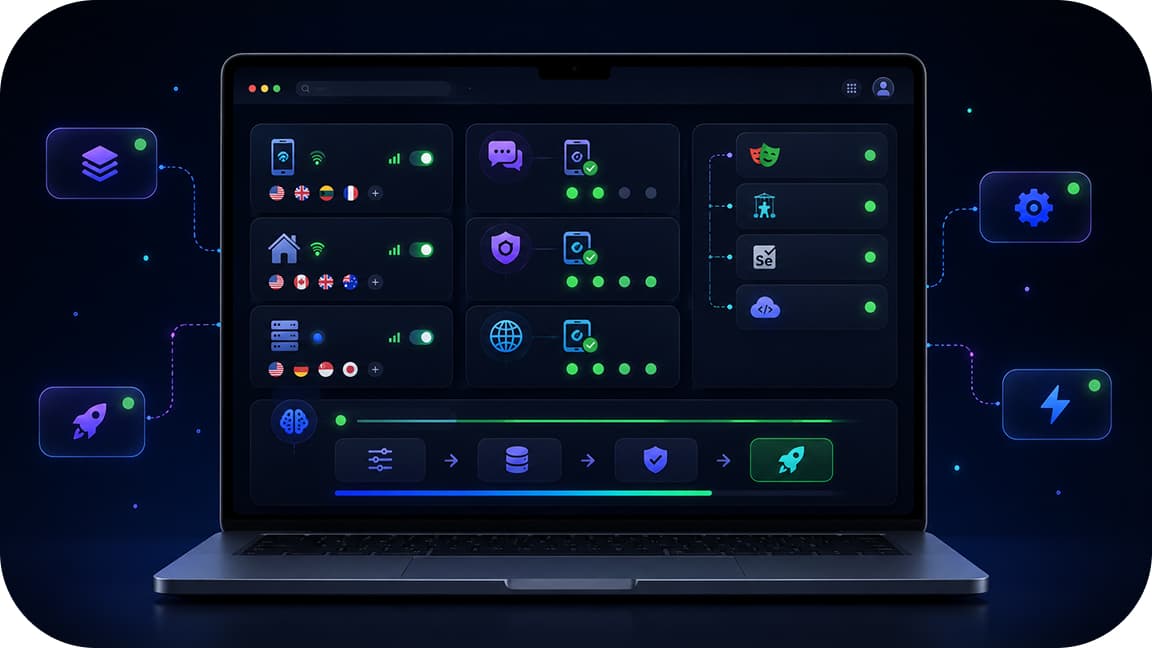
Distribua o tráfego do DeepSeek por pools de IPs rotativos, mantenha sessões estáveis e reduza o risco de erros 429 e 503 durante execuções pesadas.
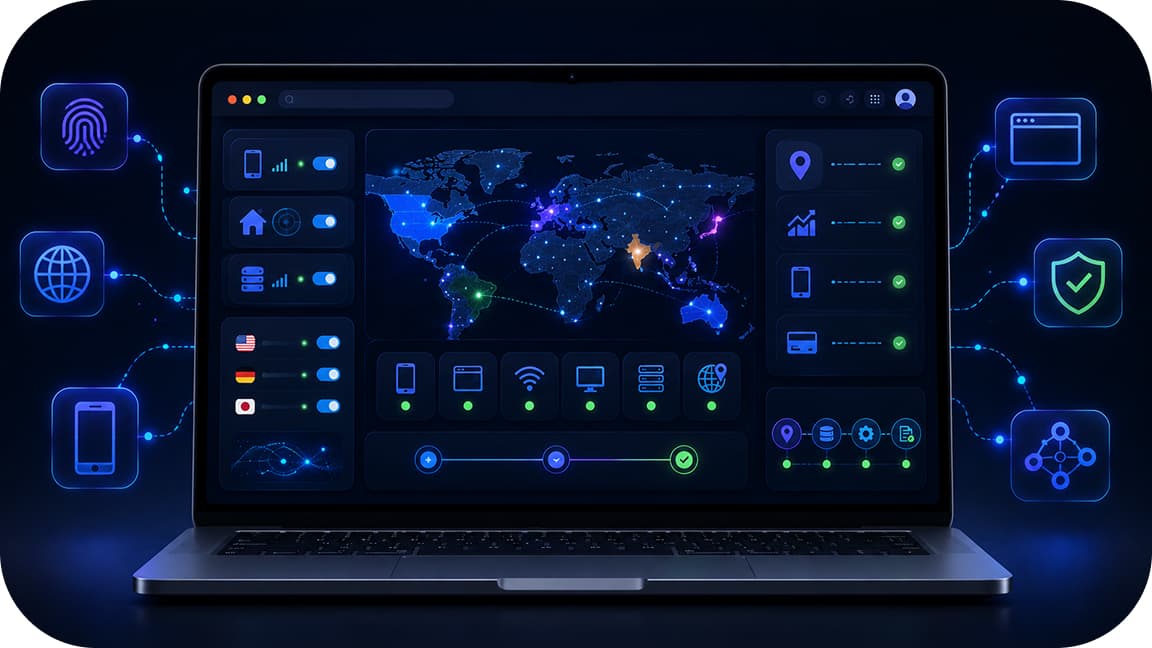
Atribua IPs de proxy baseados em país, cidade e CEP quando seus agentes precisarem de SERPs localizados, páginas de produtos, preços ou conjuntos de dados públicos.
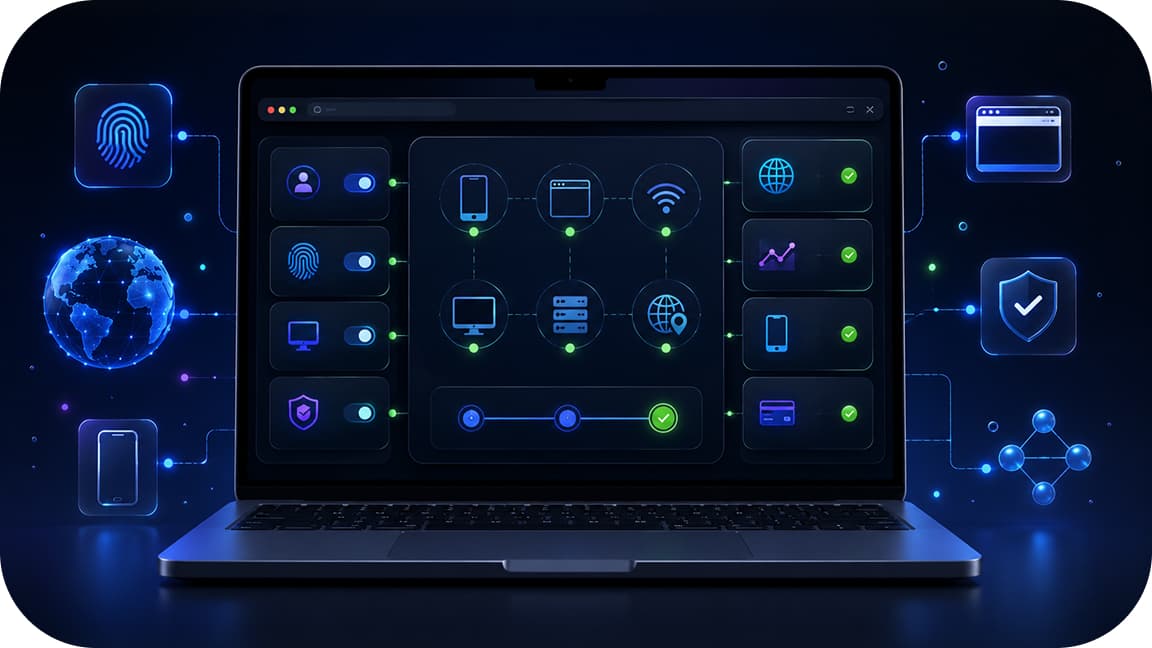
Combine IPs confiáveis com números de telefone virtuais e cartões para apoiar logins, continuidade de contas e fluxos de trabalho do DeepSeek sensíveis à região.
Execute agentes de IA em redes reais de operadoras com tráfego móvel ilimitado e canais dedicados.

Reduza as interrupções no fluxo de trabalho com suporte à resolução de CAPTCHA e ferramentas de validação desenvolvidas para automação.

Gerencie proxies, ativação de SMS, impressão digital, verificações de fraude e integrações a partir de um único ambiente.
Os proxies da CyberYozh criam uma camada intermediária entre os seus servidores e o DeepSeek, e entre os agentes de IA alimentados pelo DeepSeek e seus alvos. Como resultado, você pode acessar dados locais usando IPs de proxy específicos com precisão de código postal e executar múltiplas solicitações ao DeepSeek sem acionar limites de taxa ao distribuí-las entre IPs residenciais rotativos. A CyberYozh também oferece números e cartões virtuais para autenticação local, para que suas sessões autenticadas sejam executadas sem interrupções.
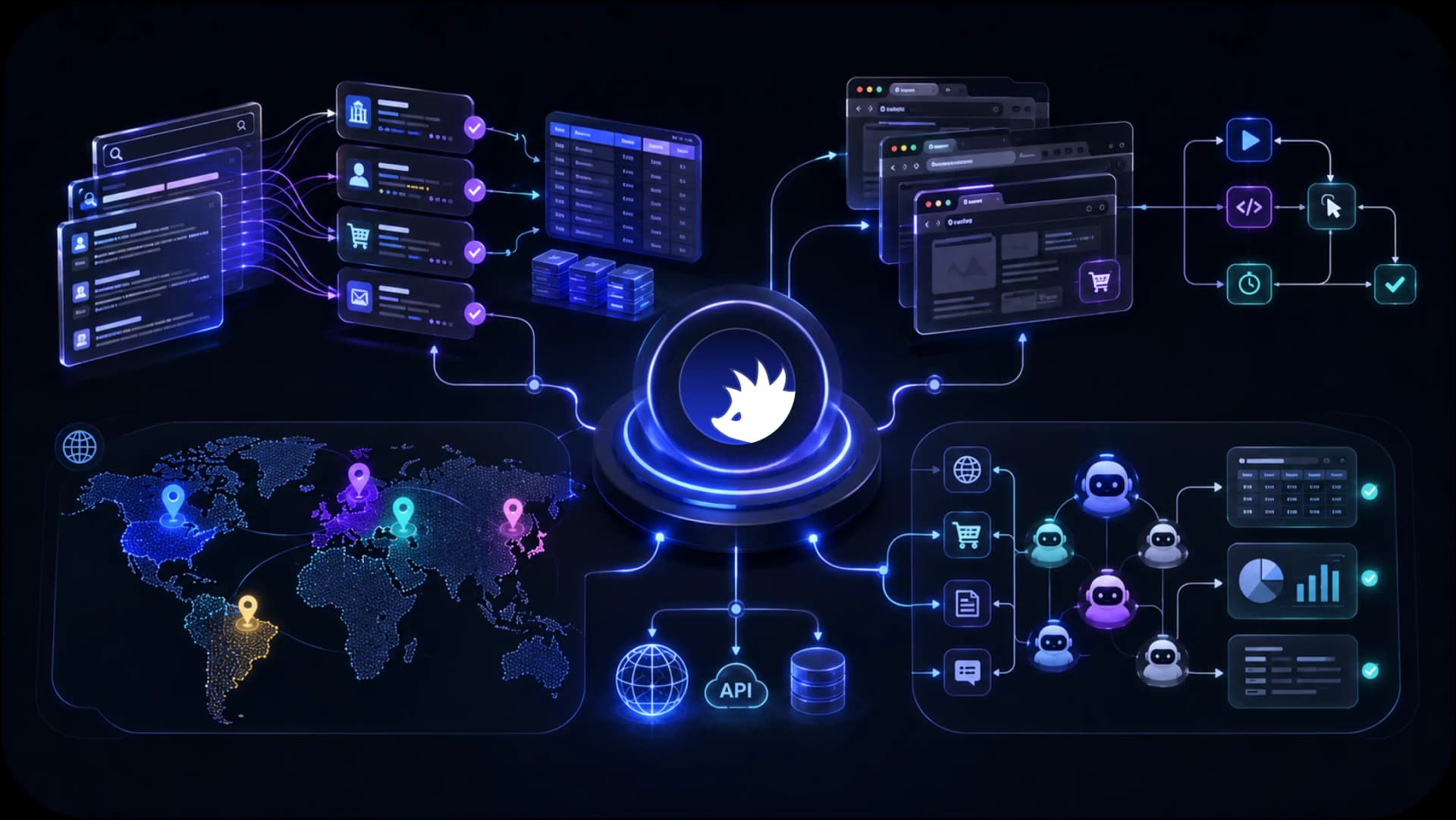
Acesse resultados de busca localizados, marketplaces, dados públicos da web e conteúdo regional em mais de 195 países para agentes de IA, sistemas de scraping e fluxos de trabalho autônomos.
A CyberYozh combina a infraestrutura que equipes de IA precisam para coletar dados, automatizar fluxos de trabalho, acessar conteúdo regional e escalar ambientes de execução. Desde proxies móveis LTE / 5G e residenciais até suporte à automação de navegadores, fingerprinting, verificações antifraude e celulares Android na nuvem, tudo é projetado para apoiar fluxos de trabalho de IA a partir de uma única plataforma.
Raspagem de dados na web com IA
Automação de navegador com IA
Coleta de dados de IA
Execução de agente de IA
Fluxos de trabalho de IA móvel
Acesso regional à IA
Veja como o CyberYozh funciona na prática por meio de fluxos de trabalho reais, recursos da plataforma e exemplos de infraestrutura. Explore o painel, integrações, ambientes de execução e ferramentas disponíveis para equipes de IA e projetos de automação.
O DeepSeek inclui uma API compatível com os formatos de requisição do OpenAI e do Anthropic, razão pela qual ferramentas como Claude Code, GitHub Copilot e OpenCode podem usar o DeepSeek como seu modelo de backend diretamente.
Um proxy DeepSeek, no sentido de rede, fica abaixo disso: é uma camada de IP que distribui suas requisições, sessões de navegação ou tráfego de agentes através de endereços residenciais, móveis ou de datacenter reais.
Um reverse proxy DeepSeek pode distribuir requisições através de um pool de IPs para evitar limites de taxa e executar fluxos de trabalho pesados do DeepSeek.
Revise a documentação da API e os termos de uso do DeepSeek para garantir que o uso do seu proxy não os viole.
Tarefa: Equipes que desenvolvem pipelines de automação ou scrapers com o DeepSeek como backend de modelo frequentemente encontram erros 429 de limite de taxa ou 503 de servidor ocupado quando o volume de requisições escala além de algumas execuções por dia.
Solução: Roteie as chamadas de saída do DeepSeek através de proxies residenciais locais via automação web ou e-commerce casos de uso, para que cada sessão apareça como tráfego local comum em vez de um único IP sinalizado atingindo os servidores do DeepSeek em volume.
A própria documentação do DeepSeek confirma que não limita a concorrência de usuários, mas alerta que sob tráfego intenso você pode ver respostas 429 ou 503 e deve tentar novamente após um atraso, exatamente o padrão que IPs distribuídos ajudam a suavizar.
Tarefa: Equipes executando o DeepSeek por trás do Claude Code, GitHub Copilot ou outra ferramenta de agente precisam confirmar que cada nó do fluxo de trabalho está saindo pelo IP correto e saudável antes de escalar para produção.
Solução: Verifique o roteamento com o IP Checker antes de cada implantação, depois provisione e gerencie sessões de proxy programaticamente através da API de automação para automação empresarial e pipelines de teste.
Uma rede de IP intermediária também protege seus agentes de atividades maliciosas e violações de segurança, já que o endereço IP real da sua infraestrutura permanece oculto atrás da camada de proxy.
Para usar todas as capacidades da API do CyberYozh, leia a documentação da API e explore comandos específicos.
Tarefa: Equipes que treinam ou executam agentes baseados em DeepSeek com dados específicos de região frequentemente obtêm resultados genéricos ou distorcidos porque seu tráfego sai do país errado.
Solução: Use treinamento de agentes de IA e raspagem de dados web com pontos de saída em nível de cidade e CEP, para que os agentes obtenham resultados de pesquisa, preços e conteúdo genuinamente locais em vez de uma visão global padrão.
Isso importa mais onde o próprio DeepSeek é restrito: atualmente ele enfrenta um bloqueio nacional voltado ao consumidor na Itália, além de restrições em dispositivos governamentais em Taiwan, Austrália e República Tcheca, então agentes e pesquisadores nessas regiões frequentemente precisam de um ponto de saída totalmente diferente.
Tarefa: Agentes de pesquisa de mercado usando DeepSeek precisam fazer login em plataformas com restrição regional ou verificar contas antes de extrair preços, avaliações ou listagens localizadas.
Solução: Suporte pesquisa de mercado com números de telefone virtuais e cartões virtuais para autenticação local, para que os agentes possam se registrar, verificar e permanecer logados sem expor uma identidade pessoal real.
Os proxies CyberYozh estão disponíveis em mais de 195 países com precisão em nível de cidade e CEP.
Diferentes fluxos de trabalho exigem diferentes tipos de proxy. Você não gostaria de pagar a mais por um proxy móvel para um fluxo de trabalho simples de raspagem sem login, ou arriscar ter seus IPs de datacenter imediatamente sinalizados ao coletar dados sociais. Veja como escolher.
A infraestrutura de proxies CyberYozh oferece todos os tipos de proxy DeepSeek, além de ferramentas de automação e garantia de qualidade.
Proxies móveis, provenientes de LTE/5G, são usados para autenticação e outros fluxos de trabalho onde a confiança da plataforma é crítica, como pagamentos e coleta de dados sociais. Use-os também para fluxos de trabalho mobile-first, especialmente junto com telefones em nuvem.
Proxies residenciais rotativos são a escolha padrão para a maioria das tarefas DeepSeek, incluindo geração de conteúdo em larga escala, desenvolvimento de aplicativos e execução de agentes de IA, pois ajudam a evitar limites de taxa. Usar pools de IP rotativos localizados também permite acessar dados locais para análise ou treinamento de agentes enquanto permanece indistinguível de usuários locais.
Leia mais sobre estratégias de rotação de IP para escolher a certa para suas tarefas de proxy DeepSeek
Proxies residenciais estáticos usam um único IP residencial para redirecionar todas as solicitações e podem suportar gerenciamento de sessão de longo prazo quando apropriado.
Proxies de datacenter são hospedados em servidores de dados corporativos, portanto são rápidos e acessíveis. Implemente-os para scraping de dados e monitoramento críticos em velocidade, mas não para sessões onde a confiança da plataforma e autenticação são críticas: eles têm a pontuação de confiança mais baixa e podem ser restritos.
Implantar um proxy CyberYozh para operações de API DeepSeek e agentes de IA é fácil e leva apenas 10-25 minutos, dependendo do seu escopo.
Escolha o escopo de roteamento
Use o guia de configuração de navegador comum para testes manuais rápidos no navegador
Implemente o guia de configuração em todo o sistema quando ferramentas adjacentes ao DeepSeek devem herdar uma política de rede
Para pilhas de pesquisa isoladas por conta, inicie o proxy dentro de um navegador antidetecção
Para scripts, bots e trabalhos de backend, use o guia de configuração de automação
Conecte ferramentas voltadas ao DeepSeek: O DeepSeek documenta dois padrões de integração:
Defina o base_url do seu cliente como https://api.deepseek.com (formato OpenAI) ou (formato Anthropic, para ferramentas como Claude Code) quando você quiser que o DeepSeek sirva como seu backend de modelo, ou use HTTP_PROXY/HTTPS_PROXY quando você quiser que seu tráfego voltado ao DeepSeek seja roteado através de um proxy CyberYozh.
Valide a geografia e a integridade da sessão: Confirme o IP de saída, execute uma pequena tarefa e verifique se os sites de destino, resultados de pesquisa localizados ou ferramentas de agente se comportam conforme esperado antes de escalar.
Escale com segurança: Para pilhas de scraping, parsers e coletores de dados, estenda a configuração com o guia de proxy de parsing, depois aumente gradualmente a concorrência e mantenha as verificações de política em vigor.
Visite o catálogo do CyberYozh e selecione o proxy que você precisa se estiver pronto para escalar seus fluxos de trabalho DeepSeek.