
10 найкращих провайдерів проксі датацентру в 2026 році

Швидкість — це головна причина, чому люди обирають проксі датацентру. Але швидкість — це також те, де більшість порівняльних гайдів вводять вас в оману, цитуючи маркетингові специфікації замість реальних результатів тестування.
Цей гайд порівнює 10 найкращих провайдерів проксі датацентру на основі того, що насправді має значення в продакшені: час відгуку під навантаженням, частота блокувань на реальних цілях, прозорість цін та надійність після першого місяця.
TL;DR: Швидкі відповіді
Що таке проксі датацентру? Проксі датацентру — це IP-адреса, розміщена на комерційному сервері всередині дата-центру, не прив'язана до домашнього провайдера. Вона приховує вашу справжню IP-адресу та направляє ваші веб-запити через адресу сервера. DC-проксі швидкі, доступні за ціною та створені для великих обсягів.
Коли варто їх використовувати? Веб-скрапінг, відстеження SEO-рейтингів, моніторинг цін, перевірка реклами, агрегація контенту та доступ до публічних API . Уникайте їх для створення акаунтів або для платформ, які використовують Cloudflare, Akamai або PerimeterX; ці системи надійно виявляють діапазони IP датацентрів.
Яка різниця в ціні порівняно з резидентськими? Проксі датацентру коштують приблизно $0,30–$3,00/IP або $0,60–$2,00/ГБ. Резидентські проксі коштують $3–$15/ГБ. Для завдання на 100 ГБ це $60–$200 для DC проти $300–$1500 для резидентських. Починайте з датацентру; переходьте тільки тоді, коли частота блокувань цього вимагає.
1. CyberYozh
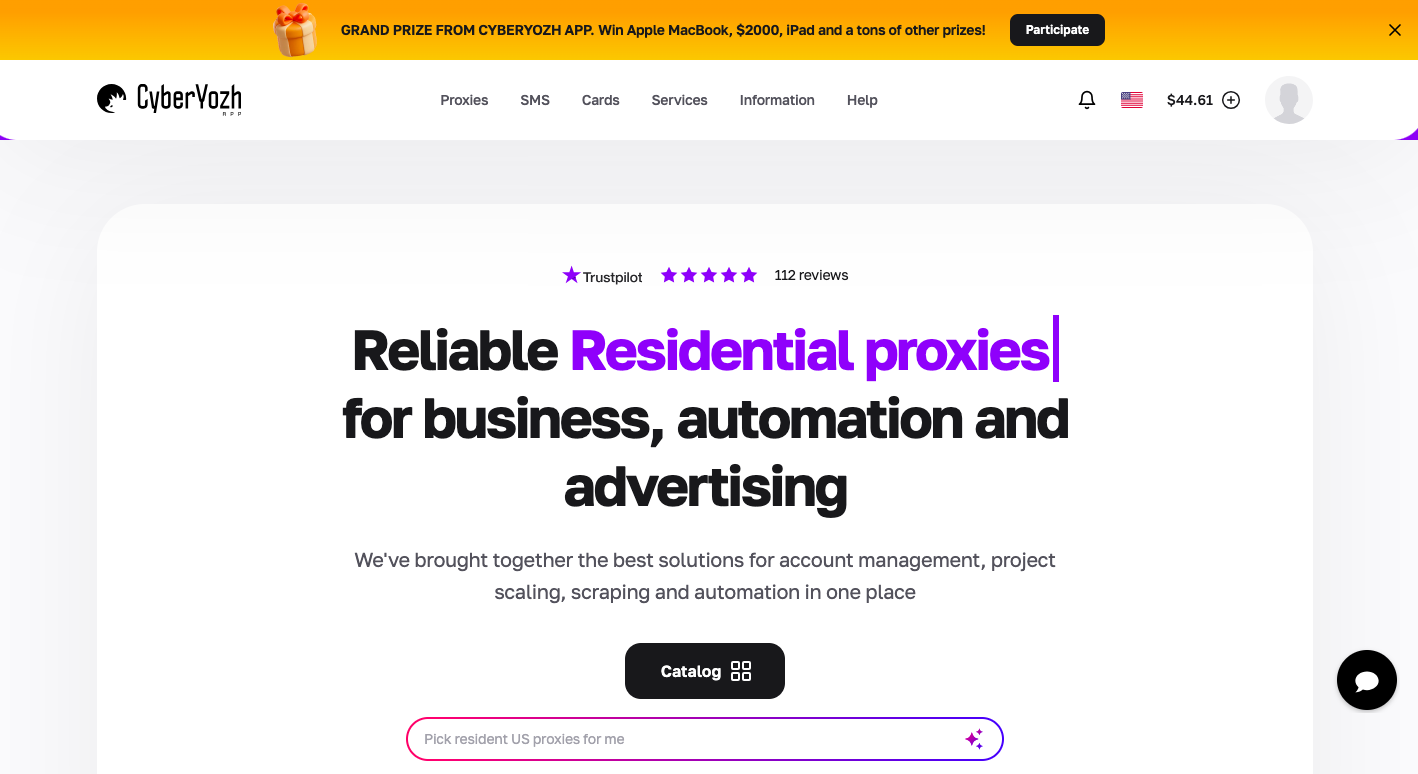
Більшість провайдерів проксі змушують до неприємного вибору: платити корпоративні тарифи за великий пул IP або жертвувати гнучкістю, прив'язуючись до одного типу проксі. CyberYozh усуває цей компроміс.
Його інфраструктура з понад 100 млн IP охоплює дата-центри, резидентські та 4G/5G мобільні проксі, усі керуються з єдиної панелі управління. Це означає, що ви можете виконувати масовий скрапінг на DC IP і переключатися на резидентські, коли ціль починає вас блокувати, без підписання контрактів з другим провайдером або перебудови вашої конфігурації.
Те, що робить CyberYozh операційно відмінним у 2026 році, — це не просто розмір пулу. Це вбудована перевірка рейтингу шахрайства IP, інструмент, який перевіряє репутацію IP перед його розгортанням, щоб ви не виявили в середині сесії, що ваша ціль вже позначила цей IP. Лише ця одна функція запобігає тим типам тихих збоїв, які коштують командам годин усунення неполадок.
Типи проксі: Проксі датацентру, резидентські проксіта 4G/5G мобільні проксі з одного акаунта
Пул: Понад 100 млн IP у понад 100 країнах з таргетингом на рівні міста
Протоколи: HTTP(S), UDP та SOCKS5
Сесії: Як ротаційні, так і «липкі», налаштовуються для кожного проєкту
Понад 50 перевірок безпеки репутації IP.
Доступний фінгерпринтинг
. Додатково: Перевірка рівня шахрайства IP, номери для SMS-активації, сумісність з антидетект-браузерами
Час безвідмовної роботи: 99,9% з активним моніторингом
Зручна інтеграція: Працює з Multilogin, AdsPower, Geelark, Dolphin Anty, Kameleo, Octobrowser, Gologin та іншими.
Підтримка: ~10 хвилин середній час відповіді, швидше ніж у більшості систем тікетів корпоративних провайдерів
Найбюджетніші варіанти, доступні на ринку проксі
Найкраще для: Веб-скрейпінгу, SEO-моніторингу, відстеження цін в електронній комерції, перевірки реклами, управління кількома акаунтами, будь-якого проєкту, який зрештою потребує більше одного типу проксі
Ціни: проксі датацентру від $1,9/місяць з необмеженим трафіком.
Висновок: Для команд, які потребують ефективного старту, масштабування без зміни провайдерів і підтримки від стартапів до великих підприємств, CyberYozh є найочевиднішою рекомендацією у 2026 році.
На Trustpilotкористувачі CyberYozh постійно називають дві причини, чому вони залишаються: час безвідмовної роботи витримує тривале навантаження, і коли щось ламається, підтримка справді відповідає. Це не гламурні аргументи продажу. Це ті, що мають значення о 2-й годині ночі, коли зупиняється завдання скрейпінгу. Зареєструйтеся в CyberYozh сьогодні!
2. Oxylabs
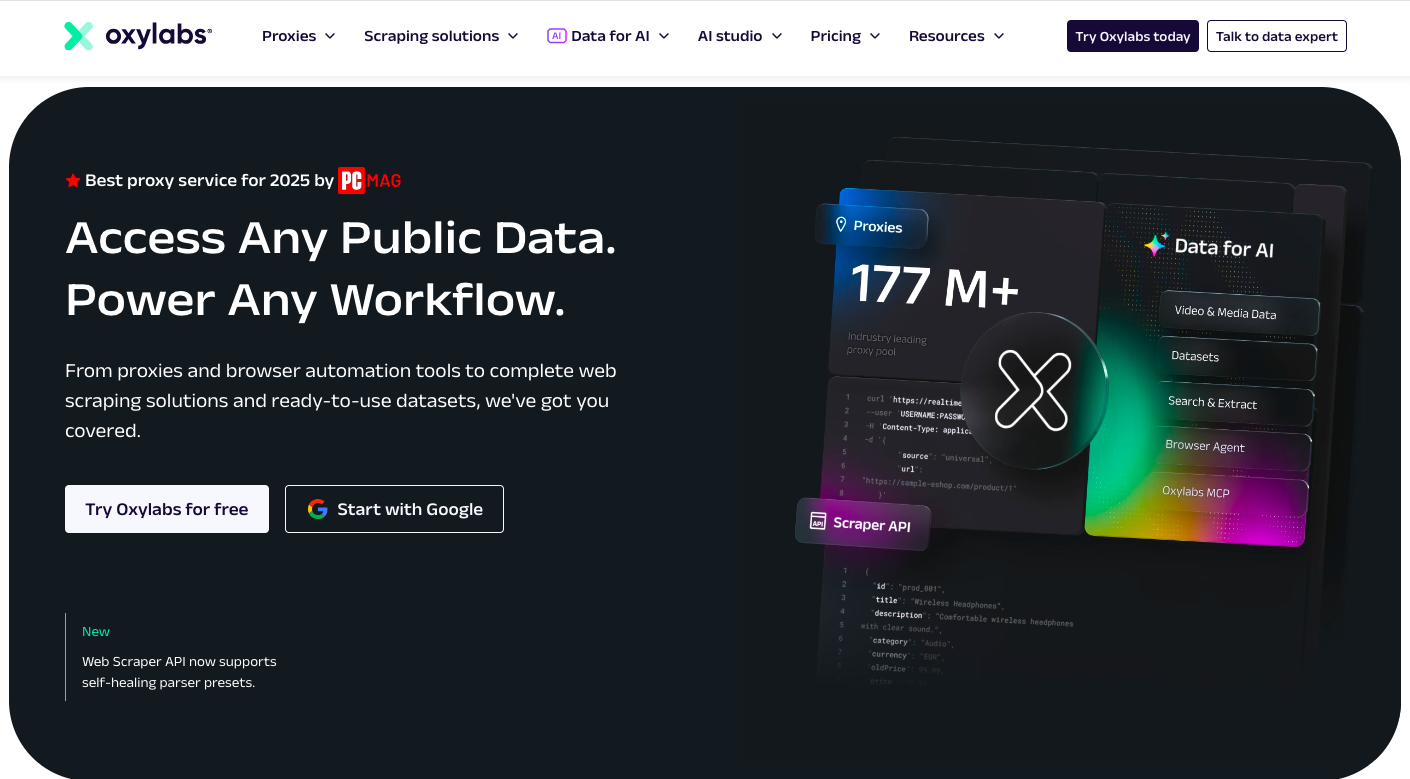
Oxylabs керує приблизно 2 мільйонами виділених IP-адрес датацентру. Середній час відгуку становить близько 0,25 секунди з пропускною здатністю приблизно 7 МБ/с, що робить його одним із найшвидших варіантів у масштабі.
Якщо ви запускаєте скрейпери, які обробляють мільйони запитів на день з вимогами до документації відповідності, Oxylabs створений для такого середовища. Виділені менеджери акаунтів, гарантії SLA та таргетинг на рівні міста у 188 країнах дають корпоративним командам необхідну операційну впевненість.
Загвоздка в ціні. Спільні проксі датацентру починаються від ~$12/місяць; виділені плани коштують близько $20/місяць і вище. Це виправдано для великих операцій; для більшості команд це більше, ніж необхідно.
Спільні від: ~$12/місяць
Виділені від: ~$20/місяць
Найкраще для: Корпоративного скрейпінгу, фінансових даних, проєктів, чутливих до відповідності
3. Bright Data
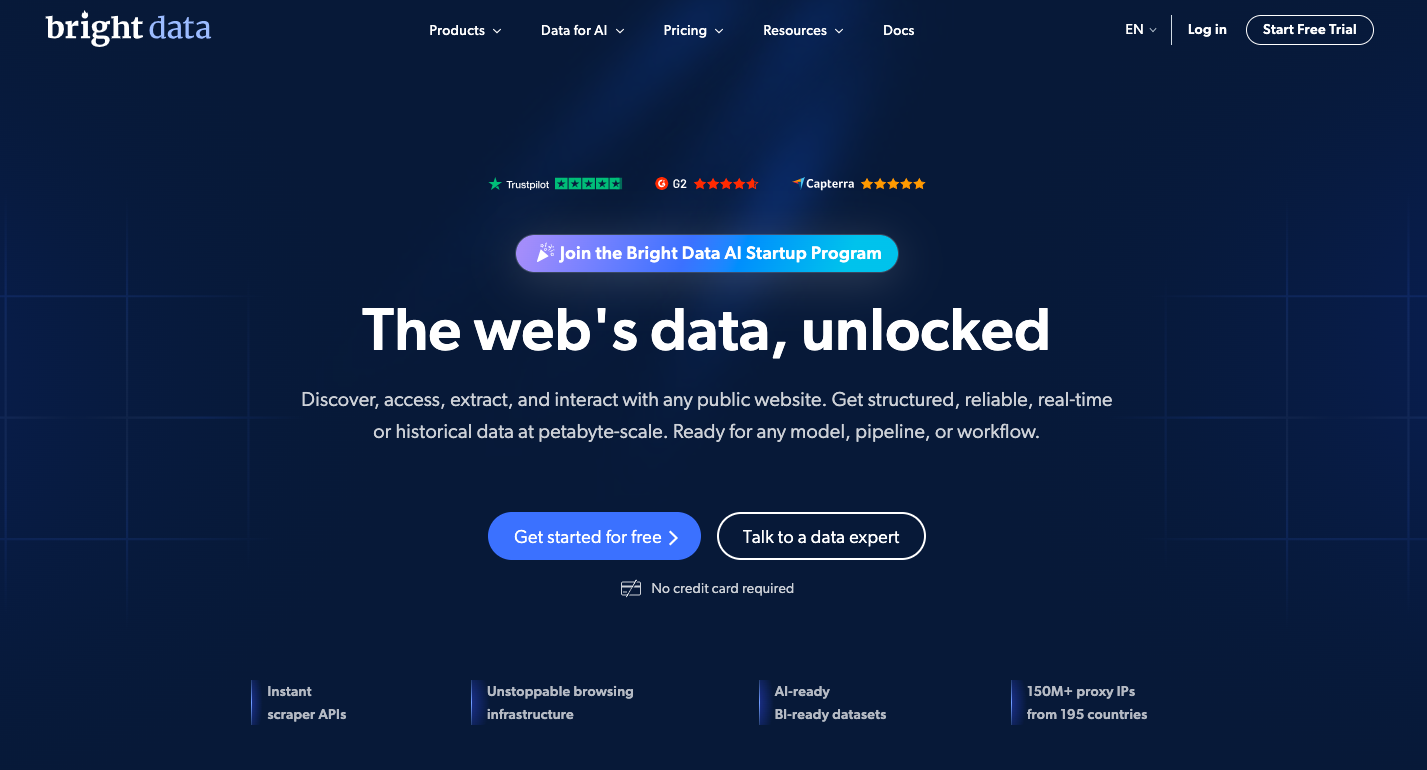
Bright Data — це найповніший стек проксі на ринку. Його 770 тис.+ IP-адрес датацентрів підтримують спільні, виділені та ротаційні IP конфігурації з таргетингом на рівні країни, штату, міста та ASN. Справжнім відмінником є супутній інструментарій: браузер для скрейпінгу, аналітика успішності в реальному часі, автоматичне перемикання при збоях та готові API скрейперів для понад 250 платформ.
Для команд, які будують повноцінну інфраструктуру збору даних, а не лише проксі-шар, цей інструментарій додає справжньої цінності. Але для команд, яким потрібні лише чисті та швидкі проксі датацентру, Bright Data дорогий відносно того, що ви фактично використовуєте.
Оплата за використання: від $0,60/ГБ
Спільні щомісяця: від $14/IP
Виділені щомісяця: від $22/IP
4. Decodo
Decodo поєднує справді доступні ціни з надійною продуктивністю для цілей у США та Європі. Їхній пул спільних IP підтримує необмежену кількість паралельних з'єднань і за замовчуванням ротує при кожному запиті.
Підтримка клієнтів помітно краща, ніж у більшості бюджетних провайдерів; доступний живий чат; онбордінг простий; а панель управління не вимагає технічних знань.
Обмеження географічні: якщо вашому проєкту потрібні IP в Азії, Південній Америці чи нішевих регіонах, прогалини в покритті стають очевидними швидко.
Спільні від: ~$0,70/ГБ
Найкраще для: скрейпінг для МСБ, проєкти, орієнтовані на ЄС/США, команди розробників
5. Webshare
За $2,99/місяць за 100 IP і 250 ГБ трафіку Webshare є найдоступнішим варіантом проксі датацентру. Він пропонує три рівні: спільні (багато користувачів), приватні (0–2 користувачі) та виділені (виключно ваші), охоплює понад 40 країн і підтримує HTTP та SOCKS5.
Що Webshare жертвує заради своєї ціни: відсутність підтримки через живий чат і змінна продуктивність на чутливих цілях у години пік. Для окремих розробників і невеликих проєктів ці компроміси прийнятні. Для продакшн-завдань зі скрейпінгу вони стають тертям.
Виділені від: ~$1,85/IP
Спільні від: $0,03/IP
6. Rayobyte
Rayobyte керує понад 300 тис. IP-адрес датацентрів без обмежень на пропускну здатність, потоки чи домени в будь-якому тарифі. Щомісячне оновлення IP підтримує пул чистим, а три формати спільних проксі дають командам гнучкість у структуруванні використання. Незалежне тестування (Proxyway) показує, що показник успішності Rayobyte перевищує 99% з часом відгуку 0,44 с — продуктивно, без ціни Oxylabs.
Виділені від: $2,50/IP
Спільні від: $1/IP або $0,30/ГБ
7. Zyte
Zyte стабільно досягає найвищих незалежно відстежуваних показників успішності на ринку проксі датацентрів — 80–90% на середньо-складних цілях, завдяки суворому управлінню TLS-відбитками та стратегії розподілу ASN. Їхній шар API для скрейпінгу розташований поверх інфраструктури датацентрів, додаючи рендеринг JavaScript і обробку CAPTCHA.
Обмеженням є ціна. При мінімумі $90/місяць Zyte дорогий для простого масового скрейпінгу. Де він виправдовує свою вартість — це на цілях, які регулярно перемагають інших провайдерів.
Від: $90/міс
8. SOAX
SOAX включає доступ до проксі датацентру в усіх тарифах, поряд із резидентськими та мобільними проксі, і підтримує HTTP(S), SOCKS5, UDP та QUIC протоколи — найширшу підтримку протоколів серед усіх провайдерів у цьому списку. Їхній пул датацентру в США охоплює понад 300 тис. IP-адрес.
Обмеження полягає в прозорості ціноутворення: тарифи визначаються за домовленістю, що створює перешкоди для команд, які хочуть оцінити витрати до розмови з відділом продажів.
9. IPRoyal
IPRoyal позиціонує себе через гнучкість, безстрокові кредити трафіку на резидентських тарифах і просту модель оплати за IP для датацентру в понад 60 локаціях. Пул менший, ніж у конкурентів середнього сегмента, але модель ціноутворення вигідна для користувачів із нерегулярним або змінним обсягом використання.
Не найкращий вибір для постійних високонавантажених операцій, але практичний варіант для команд із непередбачуваними схемами використання.
10. NetNut
NetNut маршрутизує трафік через IP-адреси, зареєстровані провайдерами, забезпечуючи швидкість проксі датацентру з легітимністю резидентської реєстрації. Для цілей, які блокують діапазони датацентрів, але не потребують повної резидентської ціни, NetNut ефективно заповнює цю прогалину.
Корпоративне ціноутворення робить його менш практичним для невеликих команд, але для середніх і великих операцій, які блокуються проксі датацентру, варто розглянути.
Швидка таблиця порівняння
# | Провайдер | Розмір пулу | Середня швидкість | Найкраще для | Початкова ціна |
1 | CyberYozh | 50+ млн | Швидко | Універсальна цінність, скрейпінг, мультиакаунт, Зручно для початківців. | $0.9/ГБ |
2 | Oxylabs | 2+ млн виділених | ~0.25 с | Корпоративний масштаб | ~$12/міс |
3 | Bright Data | 770 тис.+ | ~0,26 с | Корпоративний + повний інструментарій | $0,60/ГБ |
4 | Decodo | 100 тис. спільних | Швидко | Цінність для малого та середнього бізнесу | ~$0,70/ГБ |
5 | Webshare | 40 тис.+ | Швидко | Початківці | $2,99/міс |
6 | Rayobyte | 300 тис.+ | Добре | Виділені для середнього ринку | $2,50/IP |
7 | Zyte | Не розкрито | 96%+ SR | Складні цілі для скрапінгу | $90/міс |
8 | SOAX | 300 тис.+ США | Добре | Комплексний доступ до проксі | Індивідуально |
9 | IPRoyal | 60 тис.+ | Помірно | Гнучкість бюджету | Оплата за використання |
10 | NetNut | ISP-рівня | Швидкі | Легітимність ISP-рівня | Налаштовувані |
Спільні проти виділених: що вам насправді потрібно
Вибір між спільними та виділеними впливає на продуктивність більше, ніж вибір провайдера:
Спільні проксі датацентру розподіляють пул IP-адрес між кількома клієнтами. Вони дешевші, пропонують більше різноманітності IP і добре працюють для легкого та середнього парсингу, де ви можете терпіти деяку непослідовність. Ризик: інтенсивне використання або позначена поведінка когось іншого погіршує репутацію спільного пулу.
Виділені проксі датацентру надають вам ексклюзивний доступ до конкретних IP-адрес. Продуктивність стабільна, репутація IP залишається під вашим контролем, а рівень блокувань нижчий на тривалих цілях. Вони коштують дорожче, але окупаються на довготривалих виробничих завданнях.
Практичне правило: починайте зі спільних, якщо ви тестуєте або обмежені бюджетом. Переходьте на виділені, коли рівень блокувань вашого проєкту на спільних IP стає операційно витратним. Прочитайте документацію щодо управління ботами Cloudflare .