
10 Best Mobile Proxy Providers in 2026: The Guide for Safe Automation

If you're reading this, chances are you've hit the dreaded "account suspended" message, or watched your scraper get blocked in seconds. As detection systems get smarter, the tools that beat them have to keep evolving too, and 2026 has already reshuffled this market more than once, with one major provider's mobile pricing collapsing by 98% and another network getting seized by law enforcement entirely.
Mobile proxies route your traffic through real 4G and 5G devices rather than datacenter servers or home Wi-Fi. To a platform like Instagram or TikTok, you look like an ordinary phone user. That distinction is why they remain the gold standard for account safety.
Quick Verdict
Best Overall & Anti-Ban Ecosystem: CyberYozh mobile proxies, SMS verification, and fraud checks in one account
Best for Enterprise Scraping: Bright Data / Oxylabs
Best for Non-Expiring Data: IPRoyal
Biggest 2026 Price Shift: Rayobyte, down 98% on mobile
→ Start with CyberYozh mobile proxies from $1.70/day, no KYC required
What is a mobile proxy and who needs them
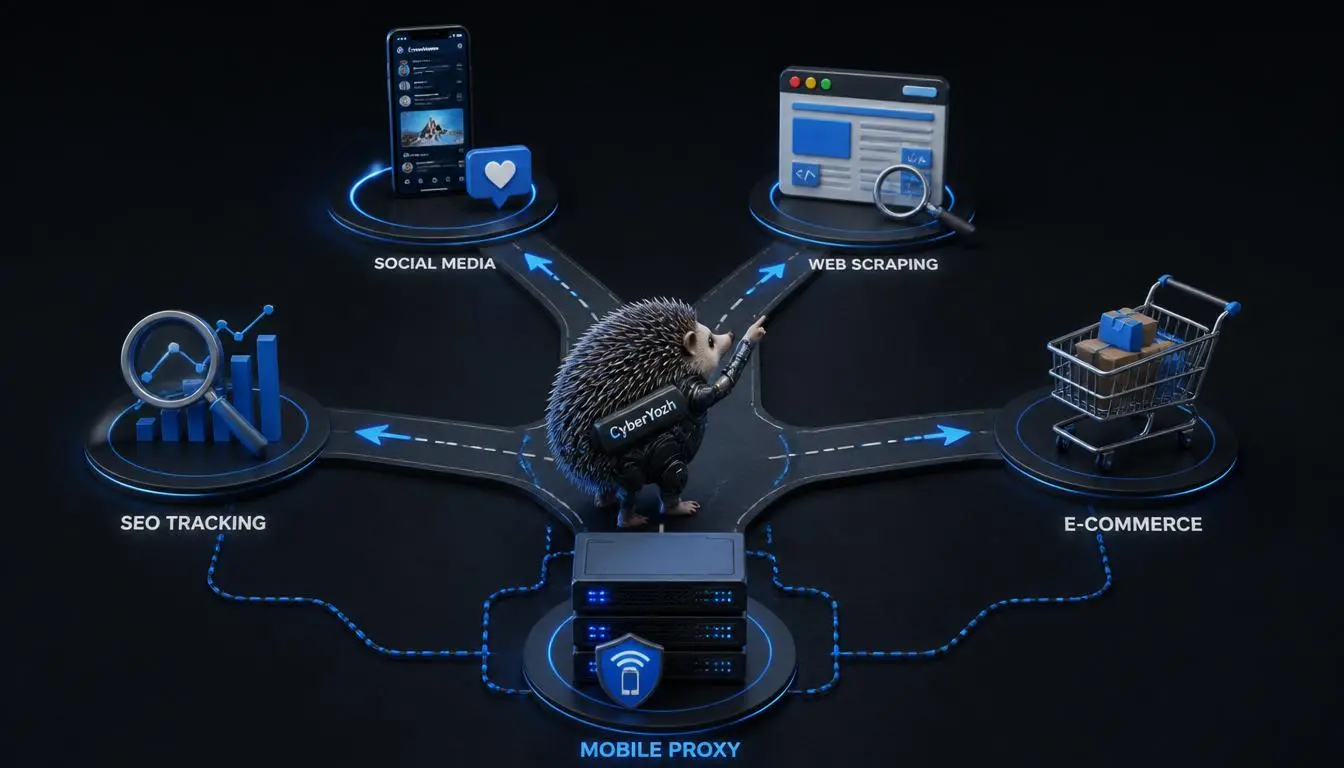
A mobile proxy gives you an IP address from a real mobile carrier, Verizon, T-Mobile, Vodafone. Thousands of actual smartphone users share these carrier ranges, so a platform can't easily tell you apart from a genuine person.
Mobile proxies are used for:
Managing multiple social media accounts without bans
Scraping tough targets like Amazon and Google
Verifying ads across different regions
Sneaker copping and limited releases
Purchasing high-demand tickets
E-commerce sellers monitoring competitors and pricing
SEO professionals tracking search rankings
Mobile proxy vs. residential proxy
Factor | Mobile Proxy | Residential Proxy |
IP source | Real carrier (4G/5G) | Home ISP connection |
Trust score | Highest | High |
Ban tolerance | Best, carrier-level NAT sharing protects you | Good, but more distinguishable |
Rotation behavior | Can rotate on demand or stay sticky | Typically rotates per session |
Speed | Slower (mobile network limits) | Generally faster |
Pricing | Higher per GB/day | Lower per GB |
Why use mobile 4g/5g proxies for Instagram account creation in 2026
Mobile carriers run CGNAT (Carrier-Grade NAT), meaning hundreds or thousands of real customers share the exact same public IP address at any given moment.
When Instagram or TikTok's anti-fraud systems see suspicious activity from a mobile carrier IP, banning that entire IP would mean banning hundreds of innocent real users, so platforms are structurally reluctant to do it.
That's the core reason mobile proxies resist the mass subnet bans that hit datacenter and even residential ranges much harder.
10 best mobile proxy providers in 2026
Compared the 10 best mobile proxy providers for 2026:
CyberYozh
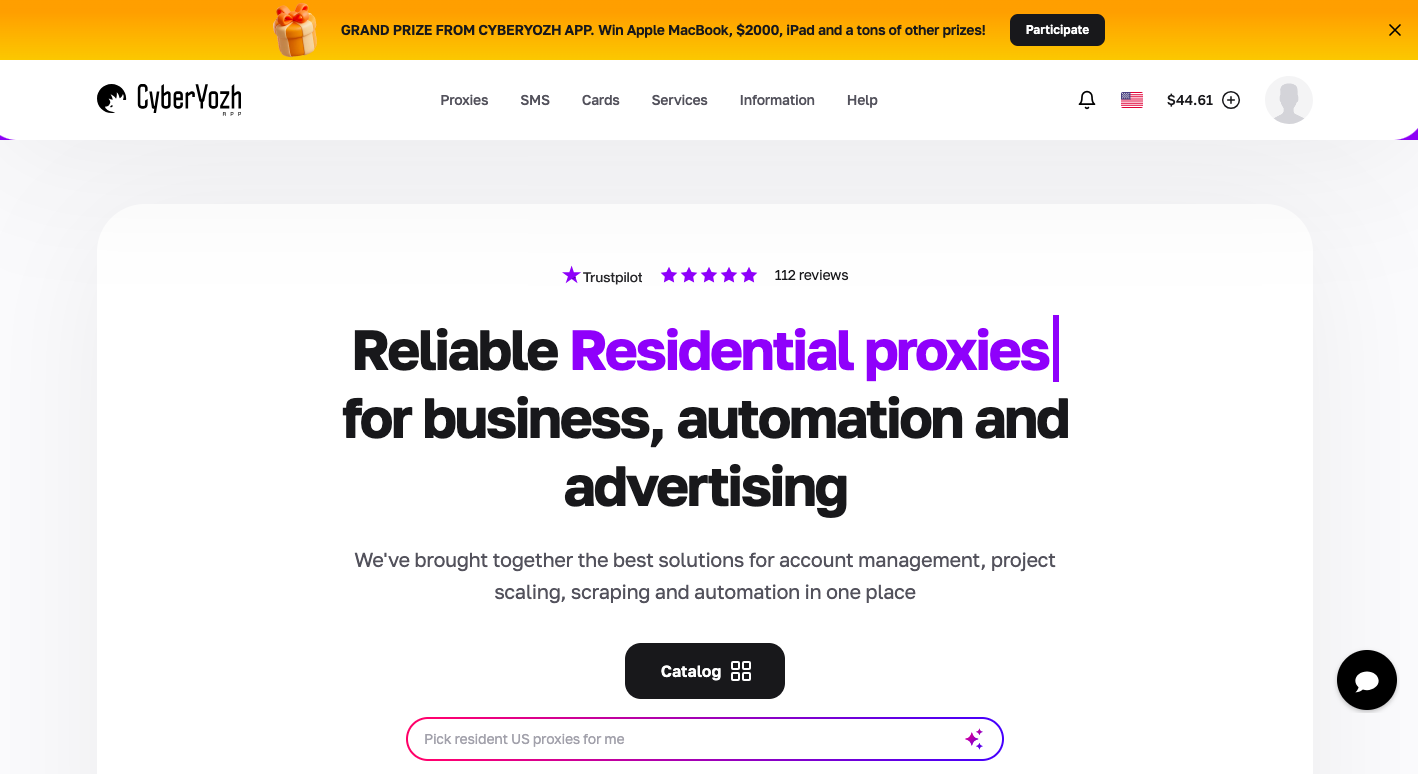
If you want a provider that does it all under one roof, CyberYozh is the top pick for 2026. It offers LTE mobile 4G/5G proxies at an aggressive price point, alongside residential and datacenter options, for workflows ranging from solo operators to larger teams.
What sets CyberYozh apart is that it isn't just a proxy seller; it's a full toolkit for anyone managing multiple accounts. IP reputation checks, virtual numbers from 140+ countries, and SMS verification all live in the same account, closing the gaps that come from stitching together three different vendors.
Features:
Real LTE 4G/5G carrier IPs with a 99.8% task completion rate
100M+IP pool in 195+ countries
Accepts crypto payments, no KYC required
Works with Selenium, Postman, Scrapy, Puppeteer, Custom scripts and Playwright
HTTP, HTTPS, SOCKS5, and UDP protocol support
Compatibility with any major antidetect browser with built-in fingerprinting options.
Sticky sessions and controlled rotation, no forced identity switching
SMS activation and mobile number verification bundled in
IP, phone, and card risk checks before you act
Full API access with Postman, Selenium, Puppeteer, Playwright integration
Get CyberYozh's Mobile Proxies
Real carrier IPs from $1.70/day, unlimited traffic, no KYC, crypto accepted, SMS verification bundled in.
→ Start your CyberYozh plan now
Pricing:
Mobile LTE/5G Proxies: from $1.70/day, unlimited traffic
Static Residential ISP Proxies, from $5.29/month per dedicated IP
Rotating Residential Proxies, from $2/GB
Datacenter Proxies from $1.90/month, unlimited traffic
SOAX
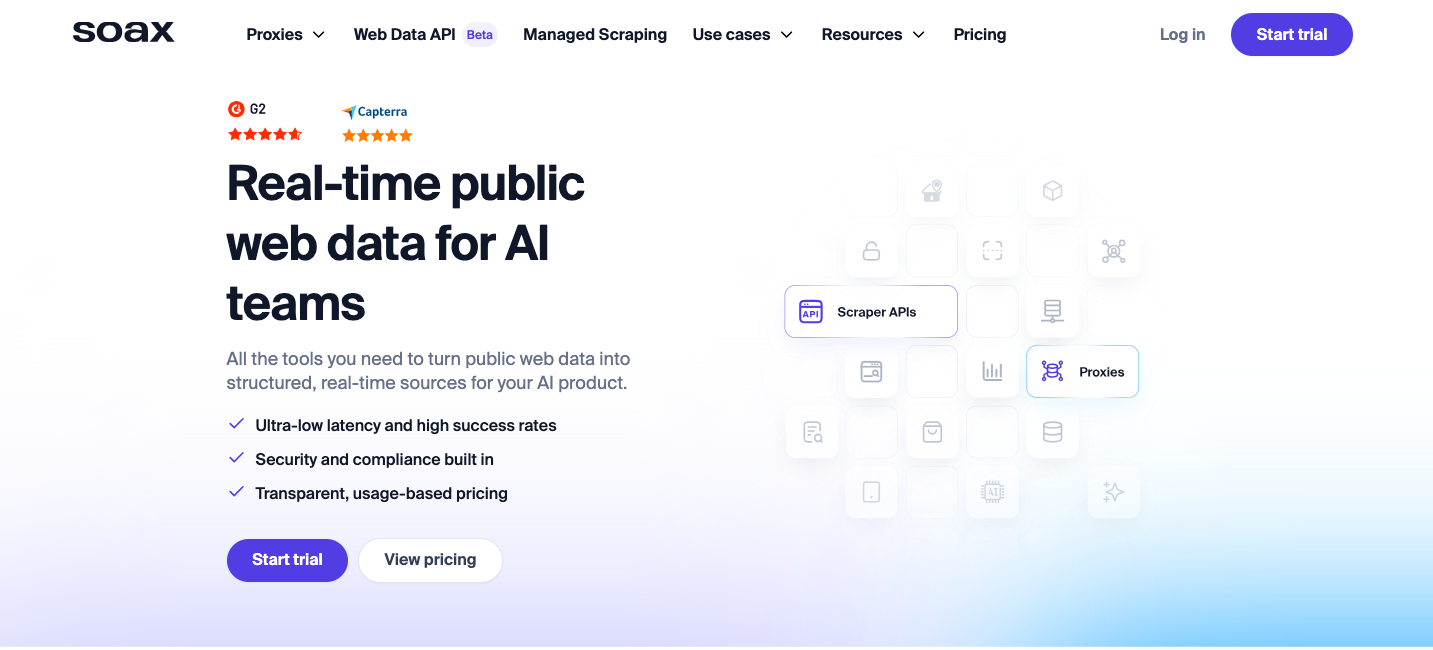
SOAX stands out for granular geo-targeting rather than raw pool size. It offers city and ASN-level targeting on every plan, not gated behind a premium tier, which matters for ad verification and region-specific account work.
Features:
155M+ residential IPs claimed (independent testing suggests a smaller effective count)
Mobile proxies with carrier-level targeting alongside residential
City and ASN-level targeting included on every plan
UDP protocol support alongside HTTP/SOCKS5
Single subscription unlocks all proxy types
Look-alike IP rotation for consistent sessions
Pricing:
Plans start at $90/month (25GB), roughly $3.60/GB effective
Mobile proxies priced at a premium over residential, in line with industry norms
Rayobyte
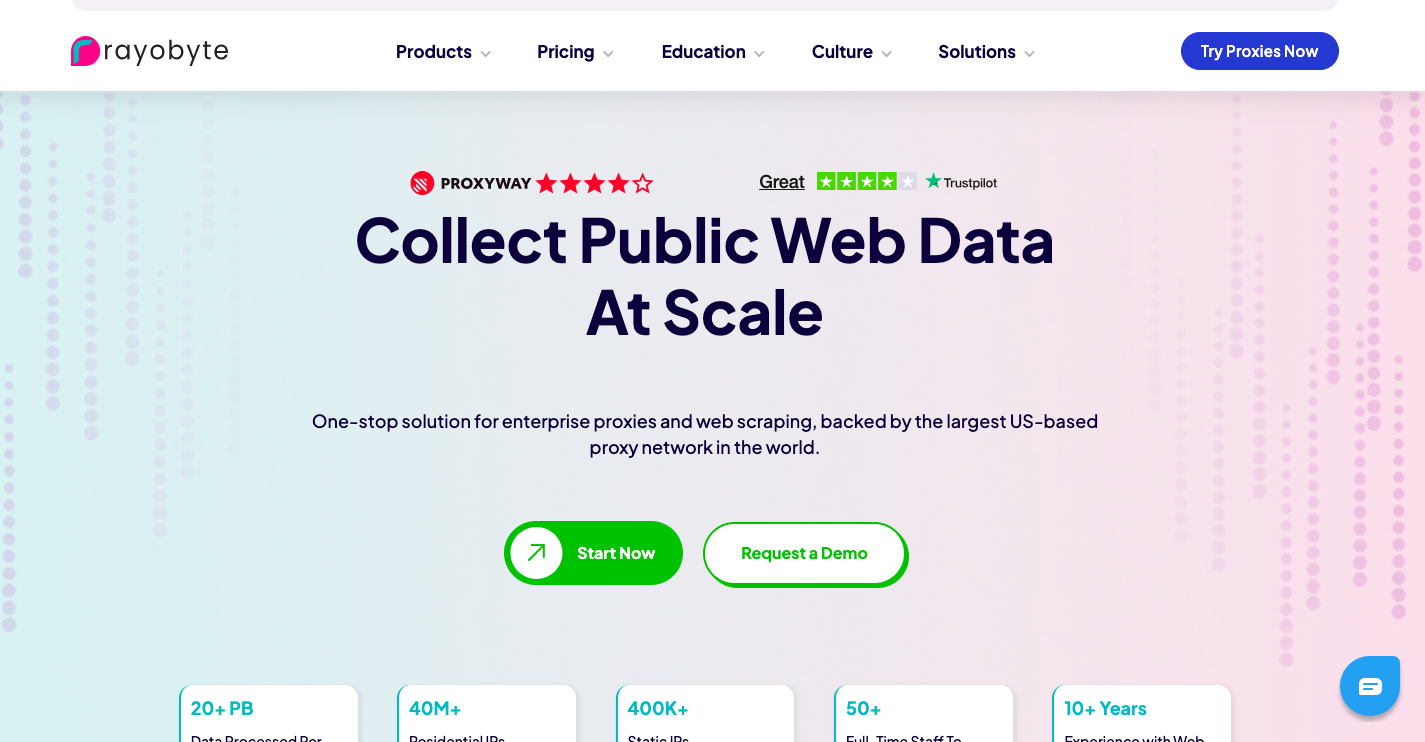
Rayobyte's story in 2026 is a genuine reversal. In February 2026, it cut mobile proxy pricing by up to 98%, from a previous baseline around $25/GB down to roughly $0.50/GB, a shift that made headlines across the industry (Proxyway covered it directly).
That's a real, verified change, and it makes Rayobyte's mobile line dramatically more competitive than it was when this guide last covered it. The catch: this pricing is new enough that long-term quality-at-scale isn't fully proven yet, and independent testers have flagged abuse-driven pool degradation as a real risk to watch if the price holds.
Features:
Residential, datacenter, ISP, and mobile proxies with ethically sourced IPs
Mobile proxies now from ~$0.50/GB, a 90%+ discount versus 2025 pricing
Non-expiring traffic credits on residential plans
Sticky and rotating session control
Multi-protocol support: HTTP, HTTPS, SOCKS5 (static proxies)
Rayobyte University educational resources for beginners
Pricing:
Mobile: from ~$0.50/GB (new 2026 pricing, first 500GB tier)
Residential: from ~$3.50-4/GB depending on volume
IP pool figures vary significantly by source (30M-130M+), treat headline pool-size claims cautiously
Bright Data
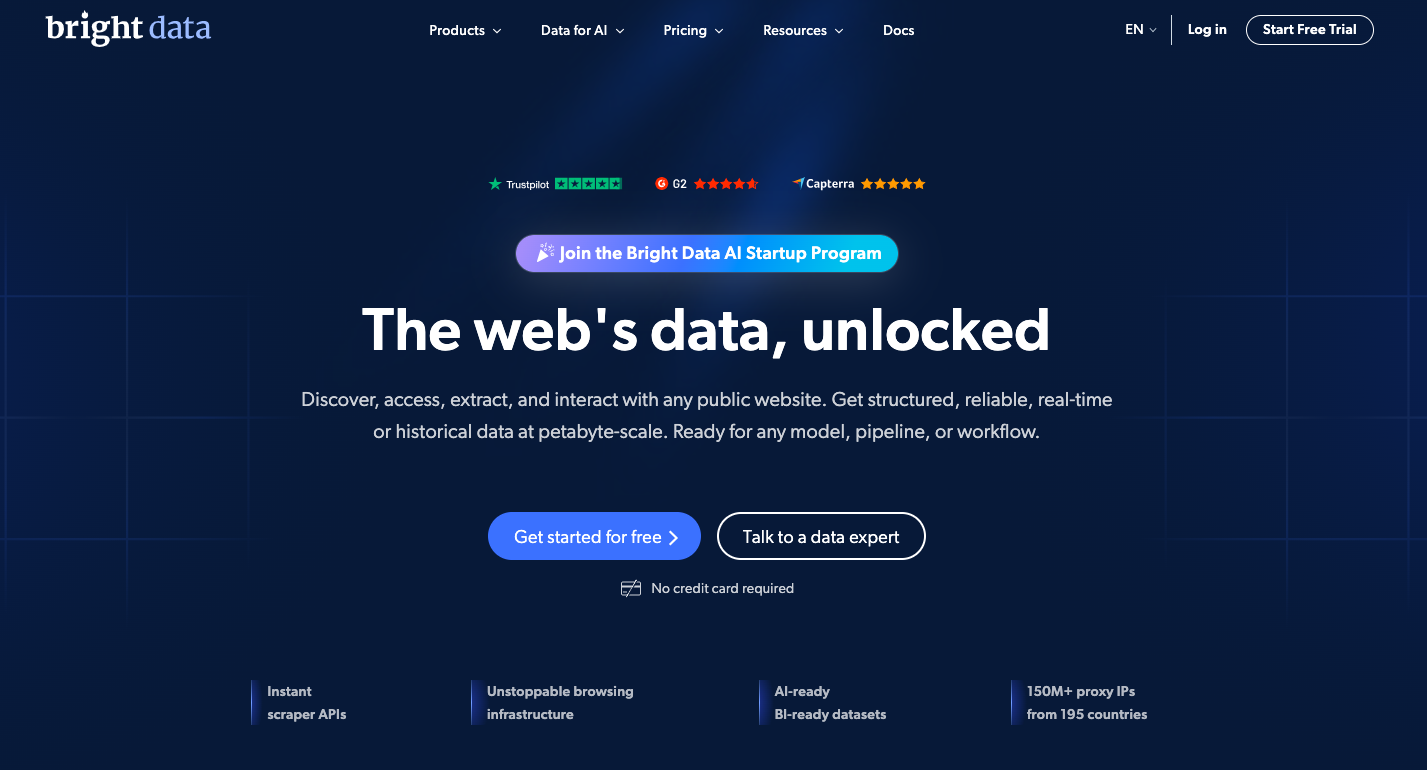
Bright Data remains built for large companies with large budgets. Its mobile network spans real 3G/4G/5G IPs across 195 countries, with targeting down to city, ZIP code, carrier, or ASN.
The pricing and KYC requirements haven't meaningfully changed: mobile proxies remain among the most expensive in the industry, and full identity verification is required before you can access the network at all.
Features:
Large residential and mobile IP network across 195 countries
Targeting at country, city, and ASN level
API-first access built for high-usage patterns
ISO 27001, SOC 2, SOC 3 certifications
Infrastructure designed to scale, not for lightweight setups
Pricing:
Pay-as-you-go: $8.00-$8.40/GB, no monthly commitment
Starter: $7.14/GB ($499/month for 69GB)
Business: $6.30/GB ($999/month for 158GB)
Enterprise: $5.88/GB ($1,999/month for 339GB)
Full KYC required before account access
Proxy Empire
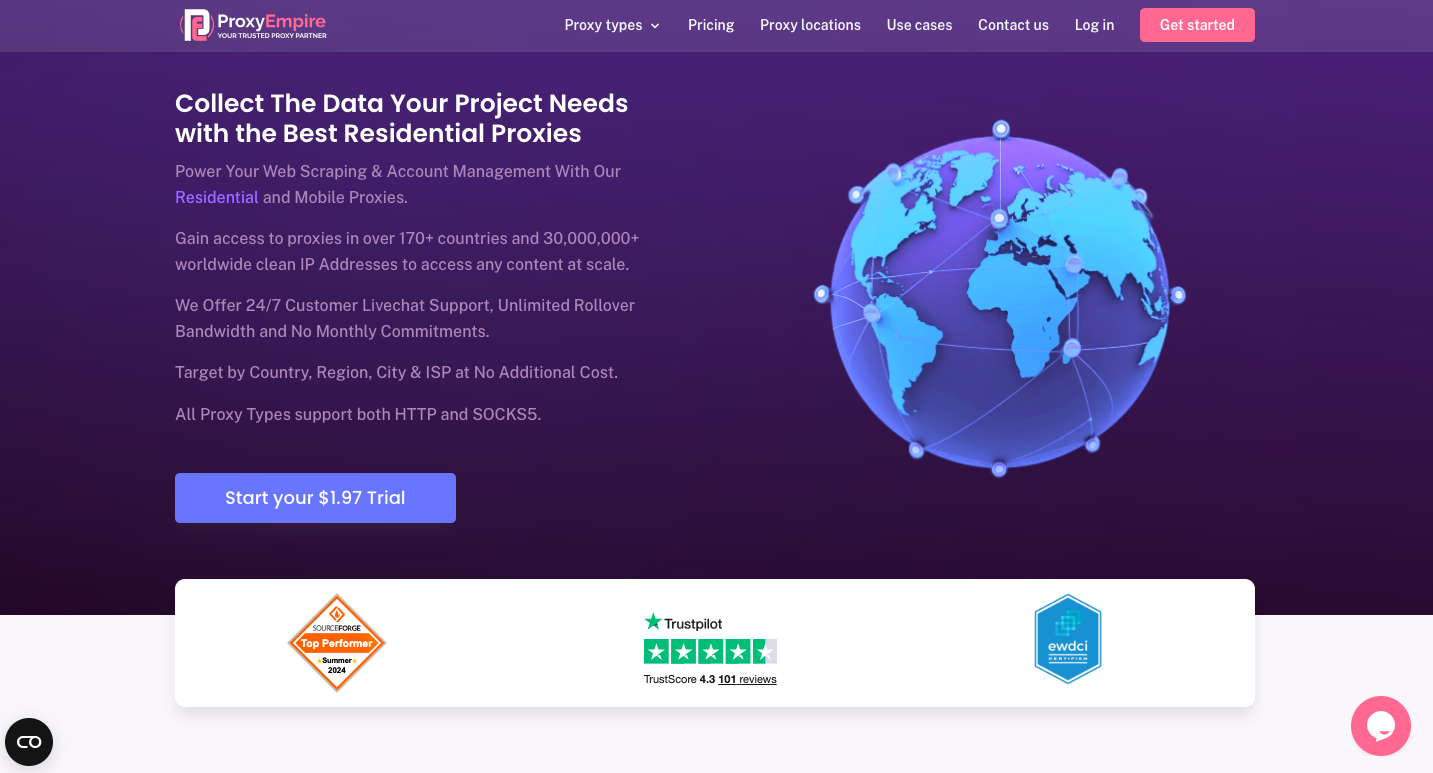
Proxy Empire continues to focus on stable coverage across residential and mobile, with over 30M IPs across 170+ countries and response times as low as 0.6 seconds.
Features:
API access for automation
Rotating and sticky session options
Mobile proxies covering 3G/4G/5G/LTE across 170+ countries
City and ISP-level targeting included in base pricing (no upcharge)
Bandwidth rollover, unused data carries forward monthly
99.86% uptime
Pricing:
Residential: currently promoted as low as $0.35/GB with active discount codes
Dedicated Mobile: $2/month per IP plus bandwidth (same rate as rotating residential)
Trial: $1.97 (100MB residential + 50MB mobile)
Decodo
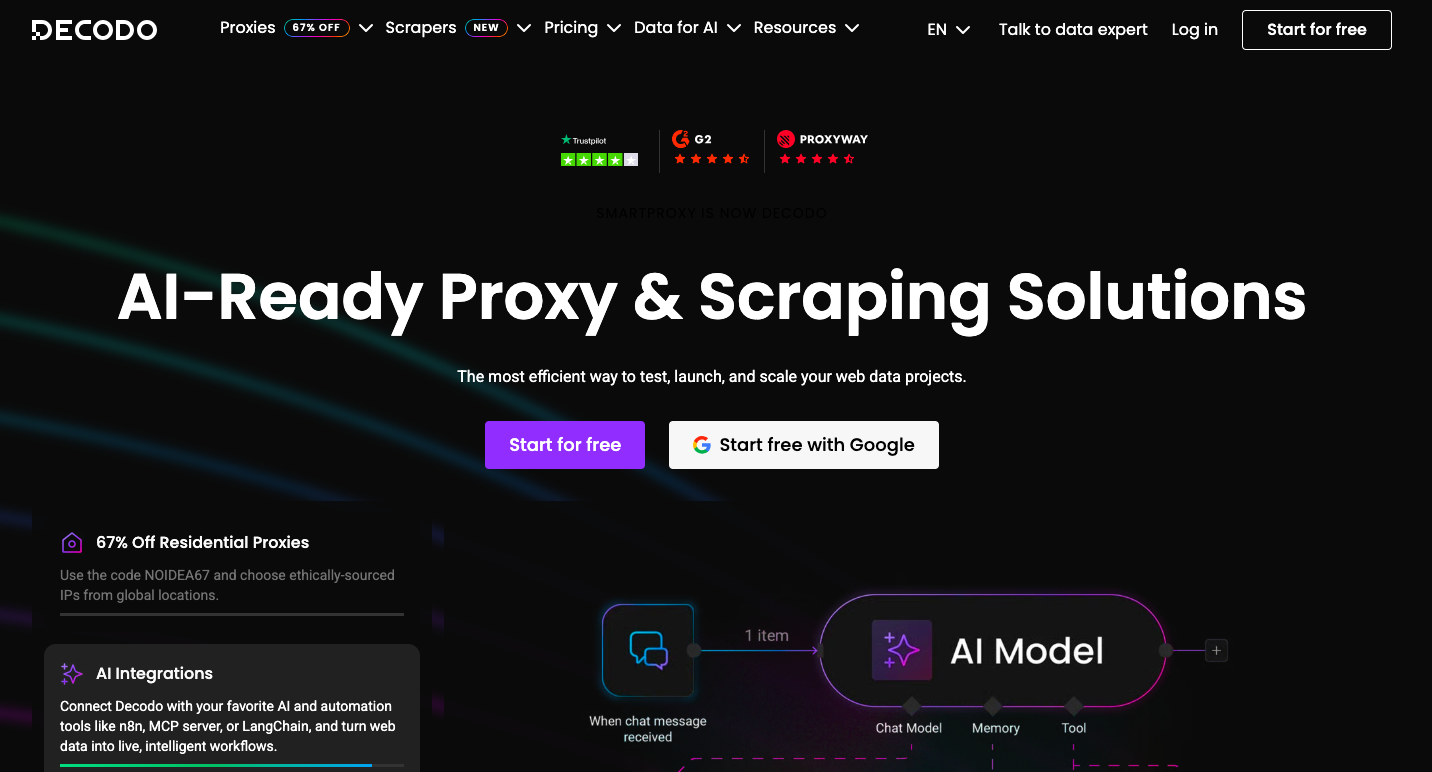
Decodo has built out a considerably more mature platform since its 2024 rebrand; its residential pool now sits at 115M+ IPs across 195+ locations, backed by ISO/IEC 27001:2022 certification and disclosed opt-in IP sourcing.
Features:
115M+ residential IPs, ISO 27001 certified
Five dedicated scraping APIs (Web, SERP, eCommerce, Social) plus Site Unblocker
City, state, ZIP, and ASN-level targeting
99.99% claimed uptime
14-day money-back guarantee
Pricing:
Pay-as-you-go: from ~$2/GB at volume, entry tiers around $3.75/GB
Mobile proxies: from $2.25/GB
No unlimited-traffic tier on any proxy type, billed by usage throughout
Oxylabs
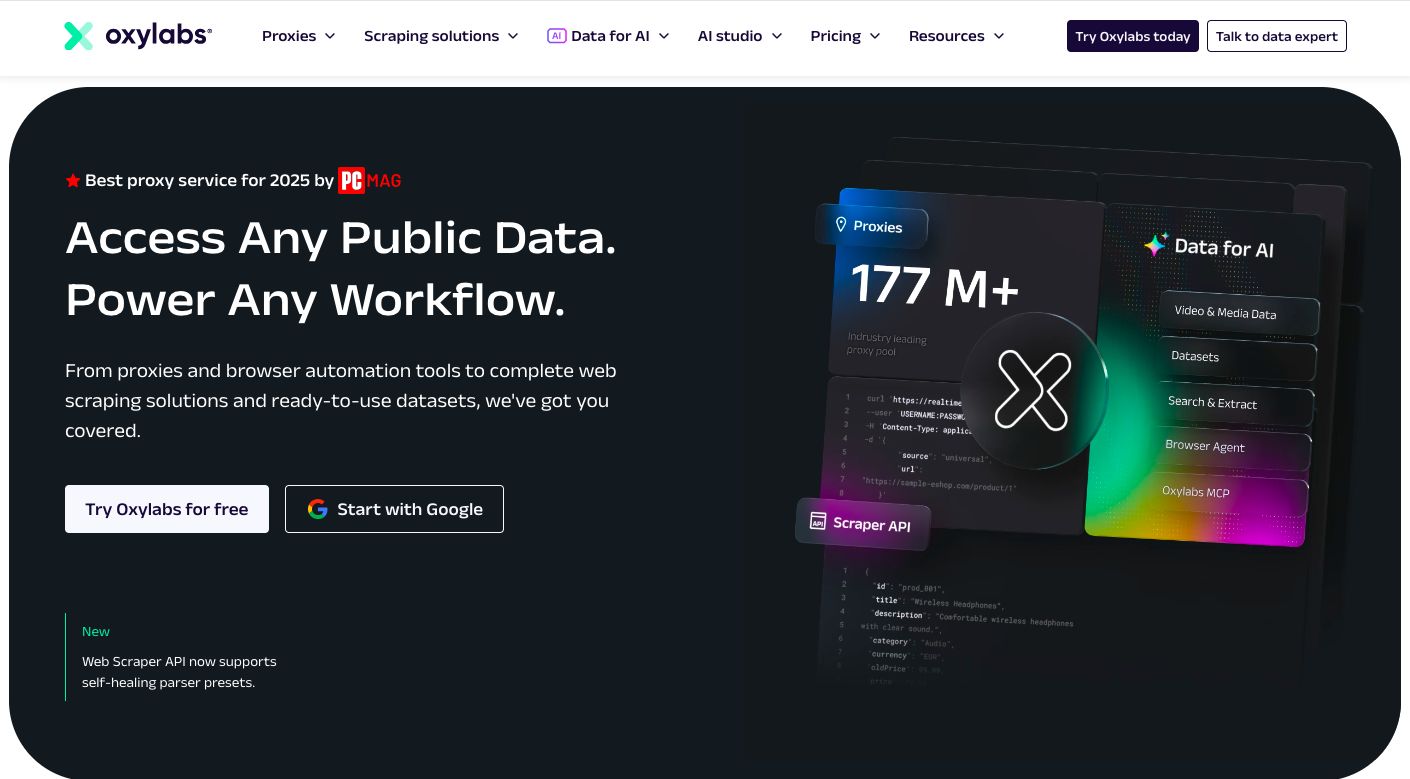
Oxylabs remains the enterprise benchmark, with a 175M+ residential IP pool independently benchmarked near 99.95% success rates by Proxyway.
Features:
175M+ IPs across 195 locations, city/state/ZIP targeting
Full managed scraper API and Web Unblocker
SOCKS5 support
Sticky sessions persist through reboots
Adjustable rotation options
24/7 enterprise support
Pricing:
Pay-as-you-go: $6-8/GB
Enterprise (1TB/month): $2.50/GB
Full KYC required for residential/mobile access
IPRoyal
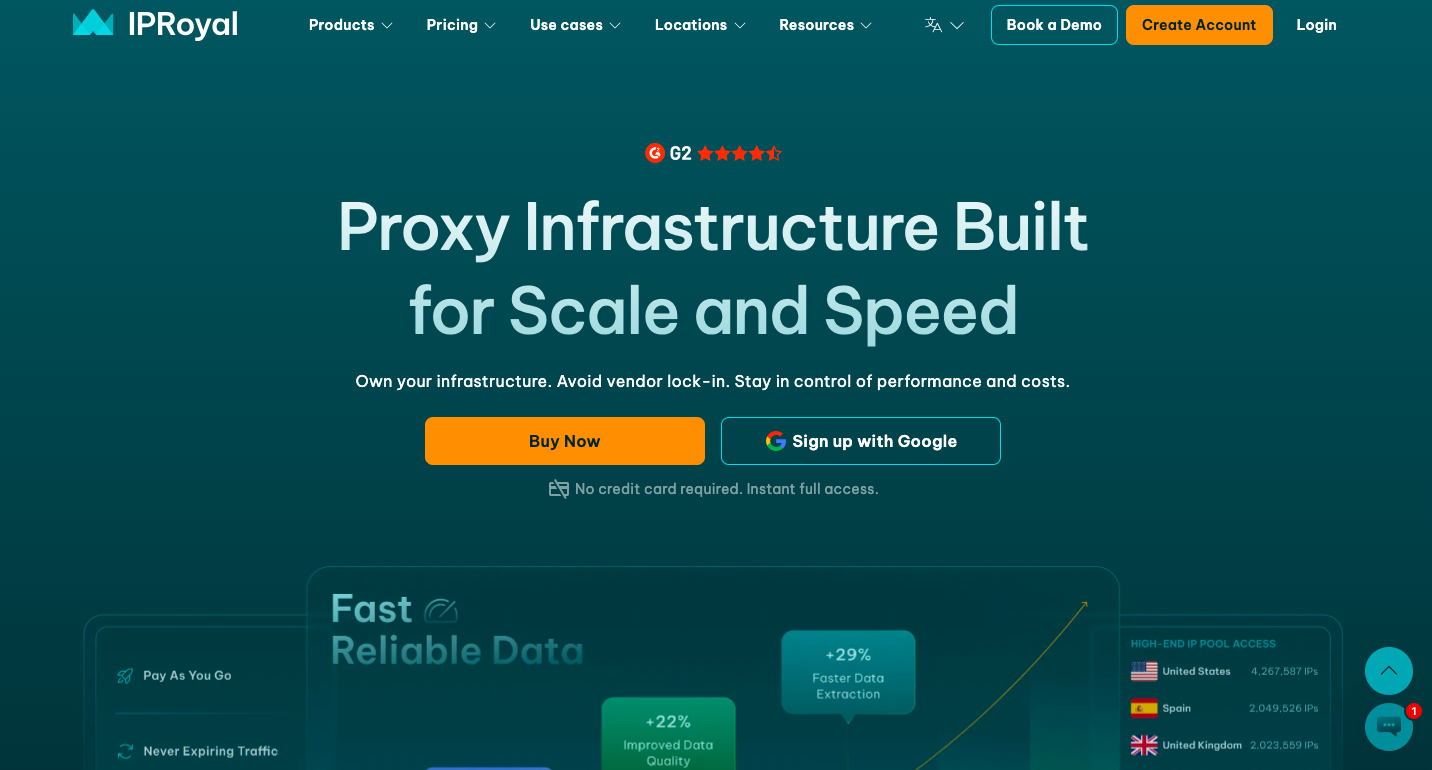
IPRoyal remains the budget-friendly, ethically sourced option, built on its Pawns.app consented network. Non-expiring traffic credits remain its signature feature.
Features:
32M+ IPs across 195+ countries, ethically sourced via user consent
Sticky and rotating session options
City-level geo-targeting on most proxy types
Unlimited concurrent sessions
Non-expiring traffic credits
Pricing:
Daily unlimited mobile: $10.11/day
Residential pay-as-you-go: $1.75-7/GB (non-expiring)
IPBurger
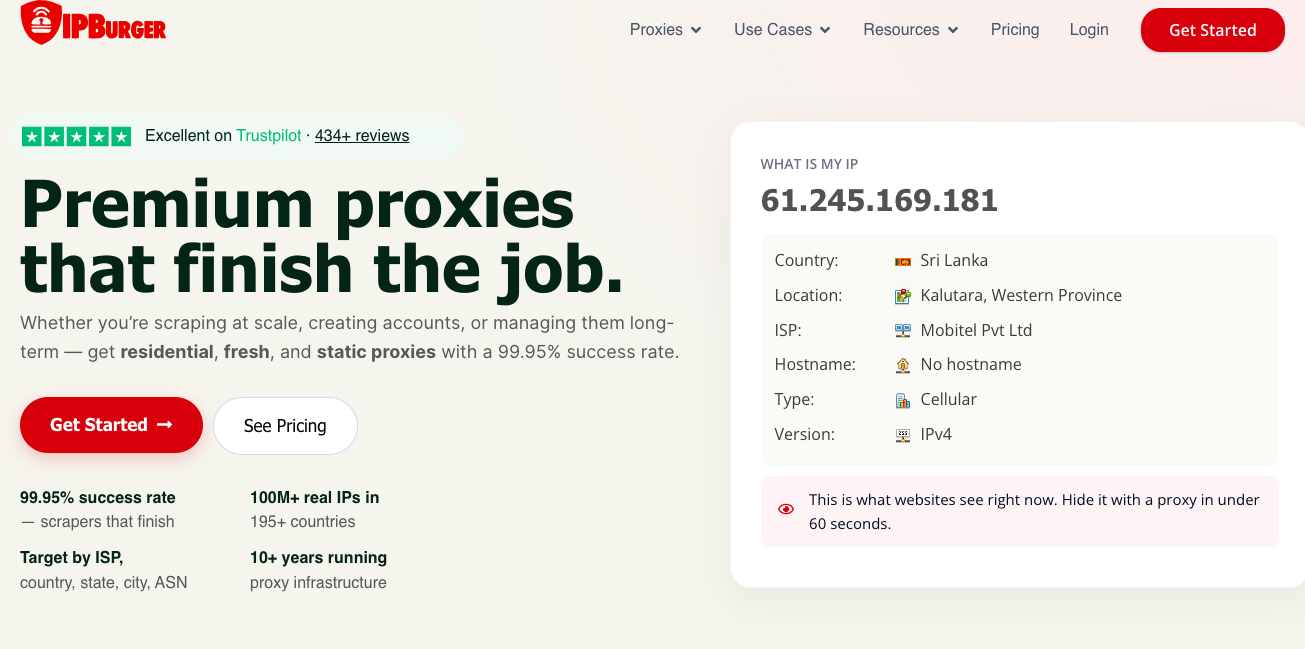
IPBurger's premium positioning and pricing structure remain largely unchanged — still priced at the higher end of the market, still aimed at affiliate marketers and media buyers who prioritize clean, stable IPs over raw cost.
Features:
100M+ residential IPs across 195 locations, 2,014+ cities
Carrier-level targeting (AT&T, T-Mobile, Verizon)
Sticky sessions up to 30 minutes
Unlimited concurrent connections
HTTP, HTTPS, SOCKS5, OpenVPN, L2TP support
24/7 customer support
Pricing:
Starter: $50/month (2GB mobile, ~$25/GB effective at entry)
Scaling to $1.40/GB at the 300GB tier
Residential: from $13.80/GB (Starter, $69/month for 5GB)
NodeMaven
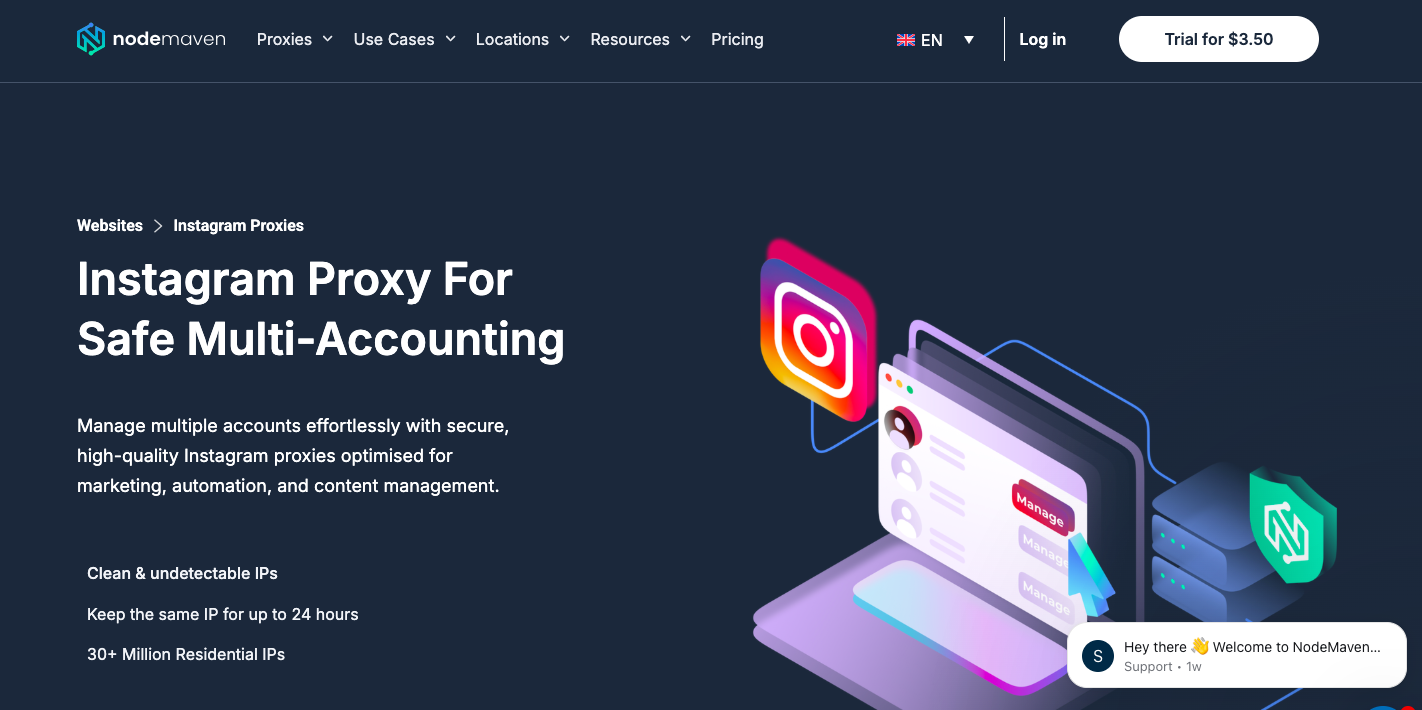
NodeMaven continues to differentiate on IP quality rather than volume, a pre-allocation fraud-score filter and a refund/bonus-traffic guarantee if an IP turns out flagged, features the original review of this provider didn't fully capture.
Features:
30M+ residential IP pool, quality-filtered before allocation
Proprietary fraud-score filtering with a refund guarantee on flagged IPs
Country, city, and ISP targeting
Sticky sessions up to 24 hours
Antidetect browser integration (Multilogin, AdsPower, Octo Browser)
No built-in SMS activation or IP/phone/card risk tools, a real gap versus all-in-one providers
Pricing:
5GB: $30/month · 10GB: $56/month · 25GB: $135/month · 50GB: $240/month · 100GB: $445/month
Trial: 750MB for $3.50 (paid test, not free)
Quick comparison table: mobile proxy prices
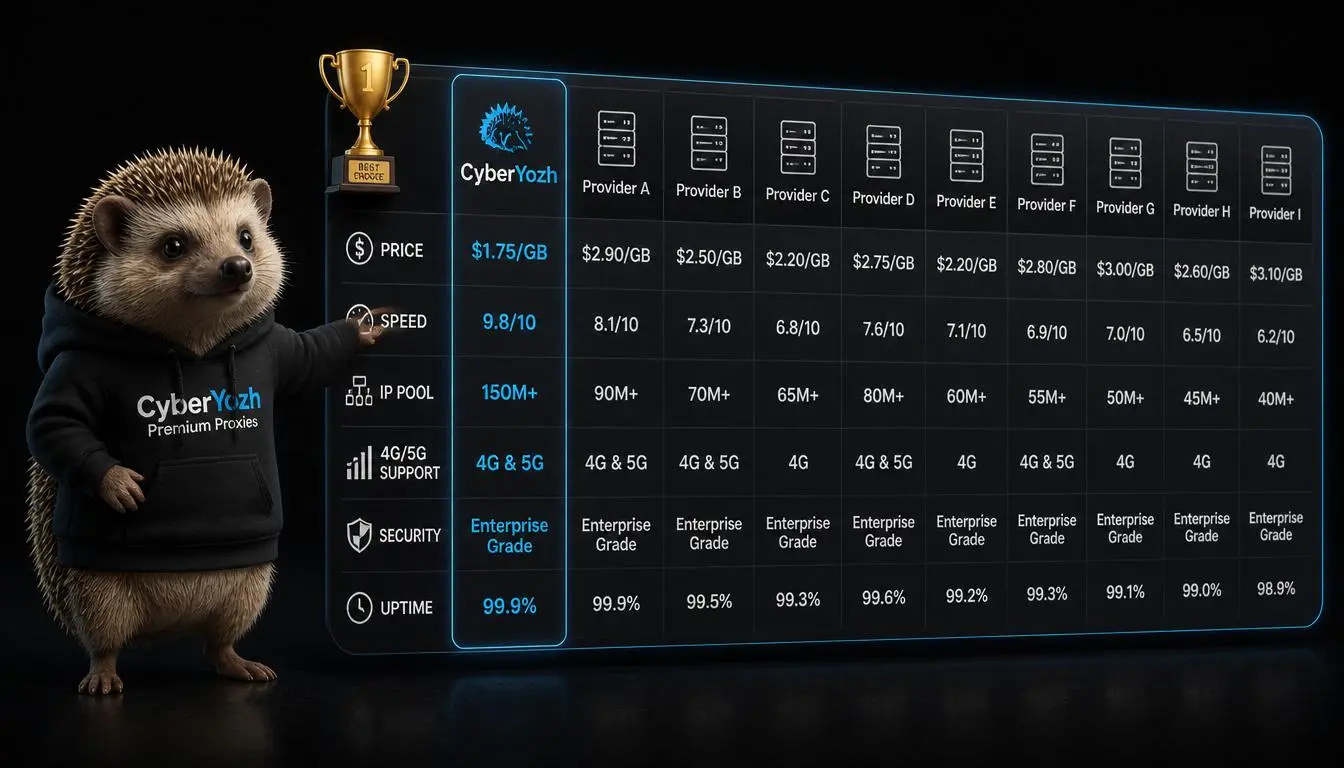
Provider | Mobile Price | IP Pool | KYC Required? | Crypto Accepted? | Best For |
CyberYozh | $1.70/day, unlimited | 100M+ (verified) | No | Yes | All-in-one anti-ban ecosystem |
SOAX | ~$3.60-6/GB | 155M+ (claimed) | No | Yes | Precise geo-targeting |
Rayobyte | ~$0.50/GB (new 2026) | 30M-130M+ (varies by source) | No | Yes | Budget mobile, new pricing |
Bright Data | $8.00-8.40/GB | 175M+ | Yes | No | Enterprise scale |
Proxy Empire | $2/mo + bandwidth | 30M+ | No | Yes | Reliable mid-tier |
Decodo | $2.25/GB | 115M+ | No | Yes | Managed scraping APIs |
Oxylabs | $6-8/GB | 175M+ | Yes | No | Large-scale scraping |
IPRoyal | $10.11/day | 32M+ | No | Yes | Non-expiring traffic |
IPBurger | $1.40-25/GB (tiered) | 100M+ | No | No | Premium clean IPs |
NodeMaven | $6-30/GB (tiered) | 30M+ | No | Yes | Fraud-filtered IP quality |
Which proxy provider is right for you

Persona | Recommended Provider | Why |
Instagram/TikTok account manager | CyberYozh | No KYC, bundled SMS verification, dedicated fingerprinting |
Enterprise web scraper | Oxylabs / Bright Data | Largest verified pools, managed scraper APIs |
Crypto/privacy-focused buyer | CyberYozh / Proxy Empire | No-KYC signup, crypto payment accepted |
Casual scraper / low volume | Rayobyte | New aggressive per-GB mobile pricing |
How to choose the right mobile proxy provider
1. Choose the proxy type for your workflow
Social media management (Instagram, TikTok, Facebook): mobile proxies are the clear best fit, one account, one IP, long-term.
Web scraping (Amazon, Google): rotating residential or mobile proxies work best.
Sneaker bots or limited ticketing: residential and mobile proxies both perform well.
Ad verification: mobile is close to non-negotiable, since a large share of ad impressions are viewed on mobile-only users.
Managing Instagram accounts at scale?
Pair CyberYozh's mobile proxies with SMS verification and IP risk checks, a setup built specifically for anti-ban account creation.
→ Set up your Instagram-safe proxy stack
2. Budget-friendly
Choose a provider offering the tools you actually need at a fair price. CyberYozh remains the strongest starting point for teams that don't want to juggle three separate vendors for proxies, SMS, and fraud checks.
3. Integration-friendly
Confirm compatibility with the anti-detect tools you already use: AdsPower, Geelark, Dolphin{anty}, Kameleo, Octo Browser, GoLogin, Multilogin.
Quick setup: How to use a proxy on mobile data
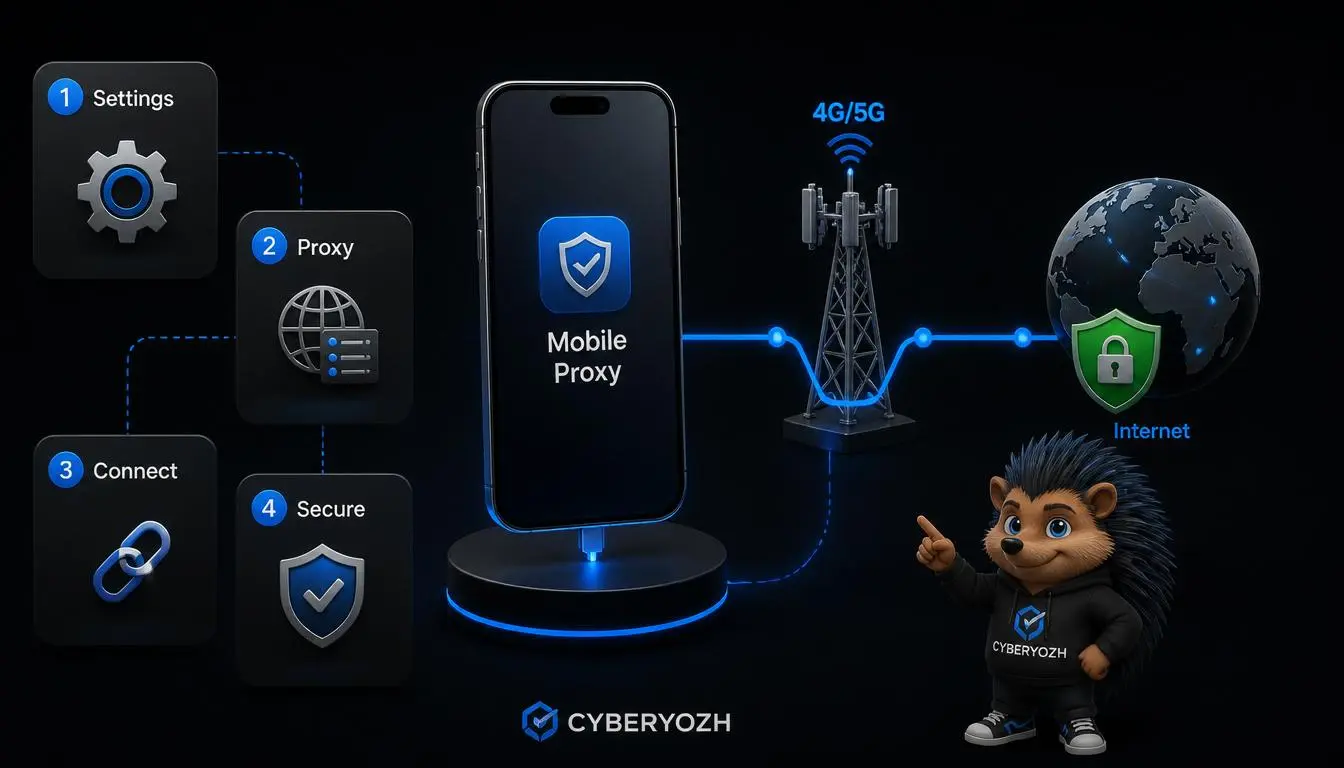
How to set proxy on mobile data (Android/iOS): Go to Wi-Fi or mobile data settings, select "Configure Proxy," choose manual, then enter the hostname, port, and credentials your provider issued.
How to use proxy in mobile with anti-detect browsers: Add your proxy credentials (HTTP or SOCKS5) directly into AdsPower, Multilogin, or Dolphin{anty}'s profile settings; each profile then runs its own isolated proxy and fingerprint combination.
Final verdict
After comparing all 10 mobile proxy providers, CyberYozh remains the strongest overall pick for combining affordability with a complete anti-ban ecosystem, proxies, SMS verification, and fraud checks under one login, with no KYC and crypto accepted.
That said, the market moved in 2026: Rayobyte's mobile pricing collapse makes it a legitimate budget contender worth testing, and NetNut's removal from this list is a reminder to periodically re-verify any provider you're relying on, not just at signup.
Ready to Get Started?
Test CyberYozh's mobile proxies risk-free, real 4G/5G IPs, no KYC, from $1.70/day. → Try CyberYozh Now