
Сравнение IPv4 и IPv6: Особенности, Безопасность и Использование Прокси

Представьте интернет как почтовую систему. Каждому устройству, которое подключается — вашему телефону, ноутбуку, умному телевизору — нужен уникальный адрес, чтобы данные знали, куда идти и куда возвращаться.
Оригинальная система адресации, IPv4, была разработана в 1981 году и могла обрабатывать примерно 4,3 миллиарда уникальных адресов. Это число, огромное для своей эпохи, исчерпалось быстрее, чем кто-либо предполагал. Азиатско-Тихоокеанский регистр исчерпал адреса IPv4 в 2011 году. Европа последовала в 2012 году. Америка наконец достигла предела в 2015 году.
IPv6 был разработан специально для решения этой проблемы, с адресным пространством настолько большим, что каждое когда-либо созданное устройство могло бы иметь триллионы уникальных адресов с запасом.
К 2026 году обе системы будут работать одновременно в глобальной инфраструктуре, часто в одних и тех же сетях, иногда на одних и тех же машинах. Понимание того, что каждая из них на самом деле делает и почему разница всё ещё важна, более полезно, чем кажется в большинстве руководств.
Коротко
IPv4 и IPv6 — это две системы, которые присваивают адреса каждому устройству в интернете.
IPv4, оригинальная система, по сути исчерпана.
IPv6 был создан для замены IPv4 с практически неограниченной ёмкостью.
В 2026 году обе работают одновременно.
Различия в совместимости, безопасности и качестве инфраструктуры влияют на пользователей, бизнес и всех, кто работает с прокси, способами, выходящими за рамки базовых знаний.
Что такое IPv4
IPv4 (Internet Protocol version 4) — это оригинальная система адресации, которая управляет интернетом с 1983 года.
Адрес IPv4 выглядит так: 203.0.113.45
Четыре числа, каждое от 0 до 255, разделённые точками.
Эта структура создаёт примерно 4,3 миллиарда возможных комбинаций — достаточно для интернета начала 1980-х, но совершенно недостаточно для сегодняшнего интернета.
IPv4 глубоко встроен в глобальную инфраструктуру.
Маршрутизаторы, межсетевые экраны, VPN, серверы, сетевое оборудование — практически всё это было разработано с IPv4 в основе.
Замена требует обновления инфраструктуры слой за слоем, что объясняет, почему переход занял десятилетия и всё ещё не завершён.
Инженерное решение для исчерпания адресов называется NAT (Network Address Translation — трансляция сетевых адресов). Ваш домашний роутер использует его прямо сейчас. NAT позволяет всем вашим домашним устройствам использовать один публичный адрес IPv4, при этом роутер выступает в роли переводчика. Это работает. Но добавляет сложность, создаёт задержки в некоторых конфигурациях и усложняет чистую работу некоторых peer-to-peer приложений.
Что такое IPv6
IPv6 (Internet Protocol version 6) — это современная замена, разработанная с практически неограниченной ёмкостью адресов и встроенными функциями, которых никогда не было в IPv4.
Адрес IPv6 выглядит так: 2001:0db8:85a3::8a2e:0370:7334
Восемь групп шестнадцатеричных символов. Формат выглядит пугающе. На практике ваши устройства настраивают и используют адреса IPv6 автоматически, так что вам редко нужно напрямую с ними взаимодействовать.
Разница в ёмкости ошеломляющая: IPv6 поддерживает 340 ундециллионов адресов. Чтобы представить это число в физических терминах: вы могли бы назначить уникальный адрес IPv6 каждому атому на поверхности Земли и ещё осталась бы ёмкость. [Подробнее о статистике внедрения IPv6 от Google]
Помимо масштаба, IPv6 был спроектирован для современного интернета способами, которых не было в IPv4:
Нет NAT требуется, каждое устройство может иметь глобально уникальный публичный адрес
Безопасность IPsec встроена на уровне протокола
Более эффективная маршрутизация благодаря упрощённым заголовкам пакетов
Нативная поддержка multicast, что снижает ненужный сетевой трафик
Автоконфигурация адресов без сохранения состояния, устройства могут назначать себе действительные адреса без DHCP-сервера
В чём разница между IPv4 и IPv6: прямое сравнение
Характеристика | IPv4 | IPv6 |
Год внедрения | 1981 | 1998 (RFC 2460) |
Длина адреса | 32 бита | 128 бит |
Общее количество адресов | ~4,3 миллиарда | 340 ундециллионов |
Пример адреса | 192.168.1.1 | 2001:db8::1 |
NAT обычно требуется | Да | Нет |
Встроенная безопасность IPsec | Опционально | Нативно |
Конфигурация адреса | Вручную или DHCP | Вручную, DHCP или самоназначение |
Поддержка broadcast | Да | Заменён на multicast |
Текущая доля в глобальном трафике | ~55% | ~45% и растёт |
Доступность адресов | Исчерпаны (вторичный рынок) | В изобилии |
Почему мы всё ещё используем IPv4, несмотря на его ограничения
Это удивляет людей:
Адреса IPv4 теперь продаются на вторичном рынке.
Организации с неиспользуемыми блоками IPv4 продают их тем, кому они нужны; недавние сделки оценивали адреса IPv4 в $40-$60 за адрес. Это недешёвый ресурс.
Тем не менее IPv4 сохраняется, потому что совместимость укоренилась глубоко.
Старые корпоративные сети, государственные системы, встроенное оборудование и промышленная инфраструктура были полностью построены на его основе.
Миграция этих систем стоит денег и времени и несёт операционные риски.
Многие организации принимают затраты на покупку адресов IPv4 на открытом рынке, вместо того чтобы ускорять переход на IPv6.
Интернет-провайдеры также способствовали задержке. Carrier-Grade NAT (CGN) позволил провайдерам делить небольшие пулы адресов IPv4 между тысячами клиентов, избегая затрат на модернизацию, но создавая значительные проблемы для пользователей. Если вы когда-нибудь задумывались, почему ваш IP-адрес иногда используется людьми, с которыми вы никогда не встречались, обычно причина в CGN.
Безопасность IPv4 vs IPv6: что действительно отличается
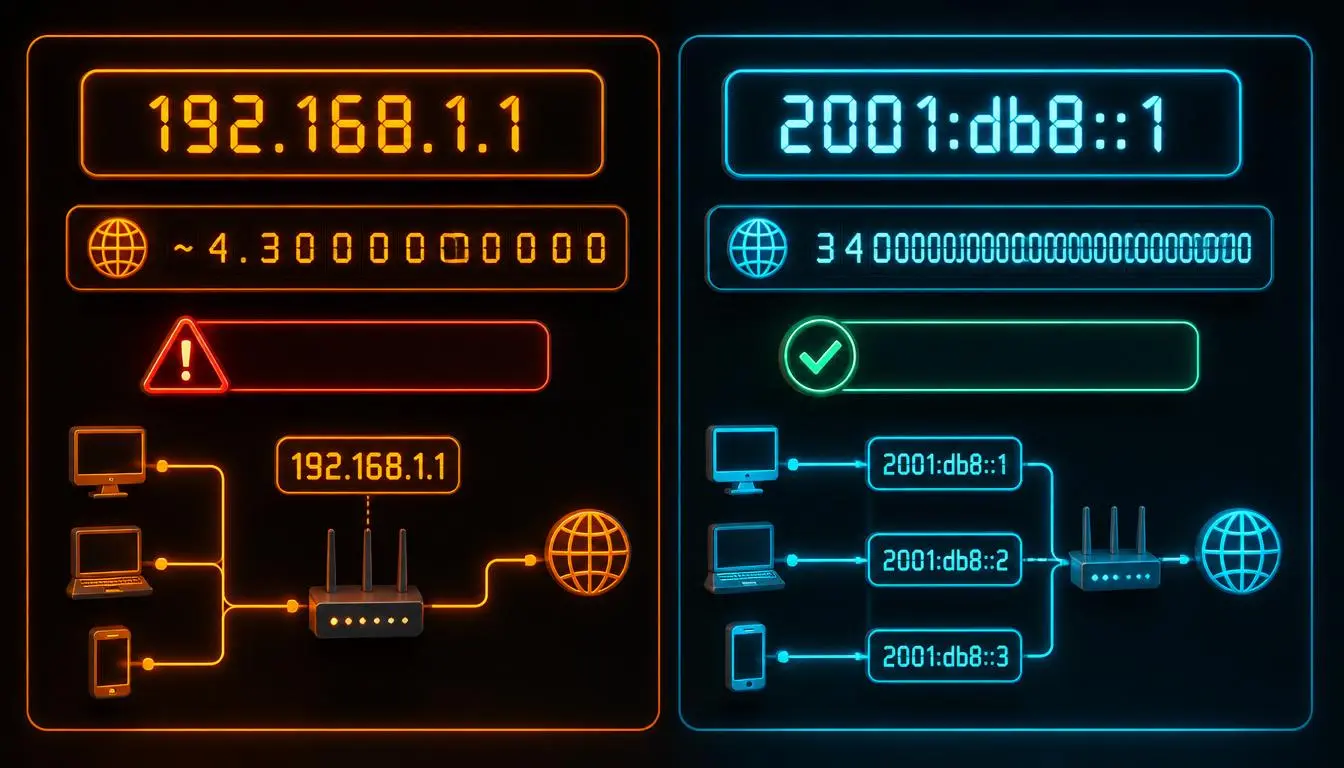
Сравнение безопасности более нюансировано, чем признаёт большинство гайдов.
IPv6 включает IPsec, протокол для шифрования и аутентификации коммуникаций, как встроенную часть спецификации.
IPv4 рассматривает IPsec как опциональный. На бумаге IPv6 выигрывает с точки зрения архитектуры безопасности.
На практикеразрыв меньше. Подавляющее большинство интернет-безопасности сегодня работает на уровне приложений через HTTPS и TLS, протоколы, которые функционируют идентично поверх IPv4 и IPv6.
Ваше соединение с веб-сайтом шифруется на уровне протокола, независимо от того, какая версия IP используется для маршрутизации.
Где IPv6 вводит значимые преимущества приватности:
Временные адреса. Устройства IPv6 генерируют рандомизированные временные адреса, которые периодически меняются. Это означает, что отслеживание вас по IP со временем становится сложнее, ваш адрес действительно меняется, в отличие от статичного назначения IPv4.
Сложнее сканировать. Ограниченное адресное пространство IPv4 делает сканирование сети рутинным; злоумышленники могут проверять целые диапазоны в поисках активных хостов. Адресное пространство IPv6 настолько велико, что случайное сканирование вычислительно непрактично.
Где сети с двойным стеком вводят новые риски:
Неправильно настроенные файрволы. Организации, которые тщательно защитили свою инфраструктуру IPv4, иногда оставляют трафик IPv6 недостаточно отфильтрованным, предполагая, что он не используется. Это создаёт эксплуатируемую брешь, известный вектор атаки, который команды безопасности должны явно мониторить.
Что это означает для прокси-инфраструктуры в 2026 году
Если вы работаете с прокси для приватности, исследований, бизнес-автоматизации или управления аккаунтами, вопрос IPv4 vs IPv6 имеет прямые операционные последствия, которые пропускает большинство вводных гайдов.
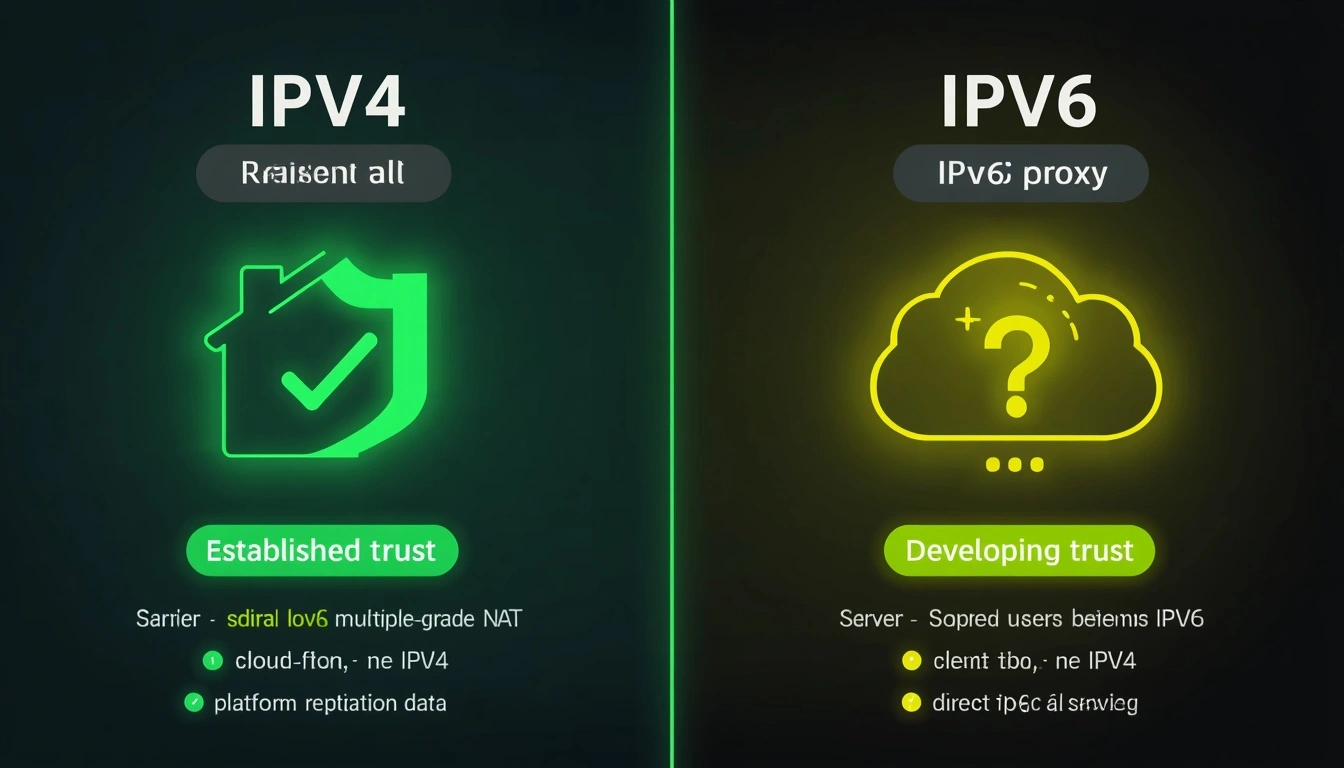
Резидентские прокси IPv4:
Они остаются операционным стандартом для большинства профессиональных сценариев использования.
Их системы репутации адресов устоялись.
Платформы имеют годы данных о том, какие диапазоны IPv4 являются резидентскими, коммерческими или подозрительными. Этот контекст создаёт предсказуемое, надёжное поведение доступа.
Прокси IPv6:
Их дешевле предоставлять, адресов много, поэтому оптовые затраты ниже.
Но инфраструктура доверия платформ для IPv6 всё ещё развивается.
Сервисы, которые используют оценку репутации IP для обнаружения ботов, скраперов или необычного трафика, часто применяют более тщательную проверку к диапазонам IPv6 просто потому, что поведенческий базис менее устоялся.
Есть еще один уровень:
Carrier-Grade NAT означает, что один IPv4-адрес может представлять сотни реальных пользователей.
Когда вы используете прокси на резидентском IPv4-адресе, вы сливаетесь с известным, ожидаемым паттерном поведения общих адресов, который системы безопасности платформ уже смоделировали.
Прямая адресация IPv6 создает другой паттерн поведения, который некоторые системы еще не полностью нормализовали.
Этот разрыв будет сокращаться по мере созревания внедрения IPv6. Но в 2026 году для большинства случаев использования прокси, связанных с аутентификацией на платформах, верификацией рекламы или исследованиями с ограниченным доступом, резидентские IPv4-адреса обеспечивают более стабильные результаты.
Как CyberYozh думает о качестве инфраструктуры
CyberYozhприоритизирует в своей прокси-инфраструктуре резидентские IPv4-адреса именно по этим причинам. Не потому, что IPv6 — это плохая инфраструктура (это не так), а потому, что операционный контекст в 2026 году по-прежнему благоприятствует резидентским IPv4-адресам для тех случаев использования, где качество прокси действительно имеет значение.
Качественную резидентскую IPv4-инфраструктуру от дешевых альтернатив отличает происхождение адресов:
откуда берутся IP-адреса, как ими управляют и какова история их использования.
Адреса, полученные от реальных потребительских ISP-подключений с чистой поведенческой историей, работают иначе, чем переработанные IP-адреса датацентров, продаваемые как «резидентские».
Внимание CyberYozh к этой детали означает, что инфраструктура работает в контекстах, где более дешевые альтернативы терпят неудачу, не из-за лучшего маркетинга, а потому, что репутация адреса — это реальная техническая переменная с реальными операционными последствиями.
Для частных лиц и команд, которым нужен надежный доступ без постоянных флагов IP-адресов, эта операционная надежность стоит больше, чем незначительная разница в цене.
Практические последствия для обычных пользователей
Большинство людей, читающих это, не управляют сетевой инфраструктурой. Вот что на самом деле означает различие между IPv4 и IPv6 в повседневной жизни:
Если ваш провайдер поддерживает IPv6, вы, как правило, увидите немного более быстрые соединения с крупными платформами, такими как Google, YouTubeи Netflix, которые полностью развернули IPv6. Разница небольшая, но реальная.
Если ваш провайдер использует Carrier-Grade NAT, вы делите публичный IPv4-адрес с потенциально десятками других абонентов. Это может вызвать проблемы с сервисами, которые блокируют IP-адреса на основе подозрительной активности других пользователей с того же IP-адреса.
Если вы используете VPN или прокси, версия IP, которую использует ваш провайдер, влияет на то, к каким категориям платформ вы можете надежно получить доступ. Это наиболее важно для операций, чувствительных к аккаунтам.
Если вы работаете в IT или инфраструктуре, планирование IPv6 больше не является опциональным; это операционный долг, который увеличивается с каждым годом задержки.