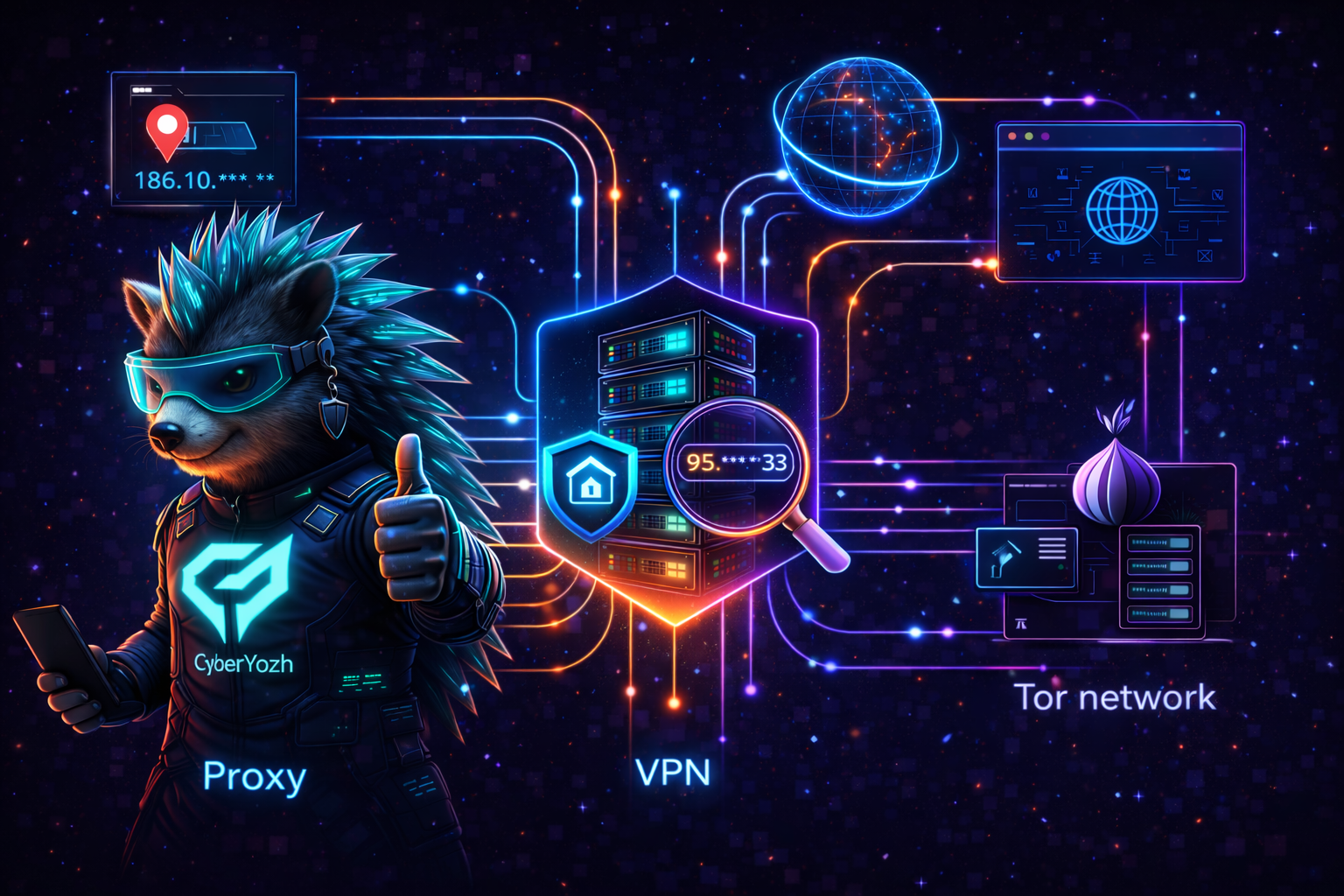
What is an IP Scrambler and How Does It Work
Your IP address quietly reveals more than most people expect, including location, network provider, and connection patterns. That is why many users search for an IP scrambler when they want to change how websites see their connection. While the term sounds technical, it often refers to tools that rotate or mask an IP through proxy networks or similar technologies. Understanding how this works helps you control access, avoid blocks, and run stable online workflows.
What is an IP scrambler?
An IP scrambler is a term people use to describe a tool that changes the IP address websites see when a connection is made. In practice, the IP itself is not scrambled or altered into random data. Every internet request still requires a valid IP address so that servers know where to send the response. What actually happens is that the visible IP is replaced with another one through an intermediary network.
This is usually done with technologies such as proxy servers, rotating residential proxies, VPNs, or relay networks. Instead of connecting to a website directly, the request is routed through another server first. The website then records the IP of that server rather than the user’s original connection. As a result, the visible location, network type, and reputation signals associated with the connection may change.
The idea behind an IP scrambler is simple: control how your connection appears online. For example, someone running large-scale data collection may rotate IP addresses to avoid request limits. A marketing team might test search results from different countries. In other cases, developers use IP rotation while testing account systems or regional services.
In most real-world setups, the “scrambling” effect comes from IP rotation rather than modifying an IP address itself. Each request can be routed through a different address in a proxy pool, which makes repeated traffic look like it comes from multiple networks instead of one device. This approach helps distribute requests and reduces the chance of a single IP being blocked or restricted.
How an IP scrambler works
An IP scrambler works by routing internet traffic through an intermediary network before it reaches the destination website. Instead of sending requests directly from your device, the connection passes through another server that forwards the request on your behalf. The website then sees the IP address of that intermediary server rather than the original one assigned by your internet provider.
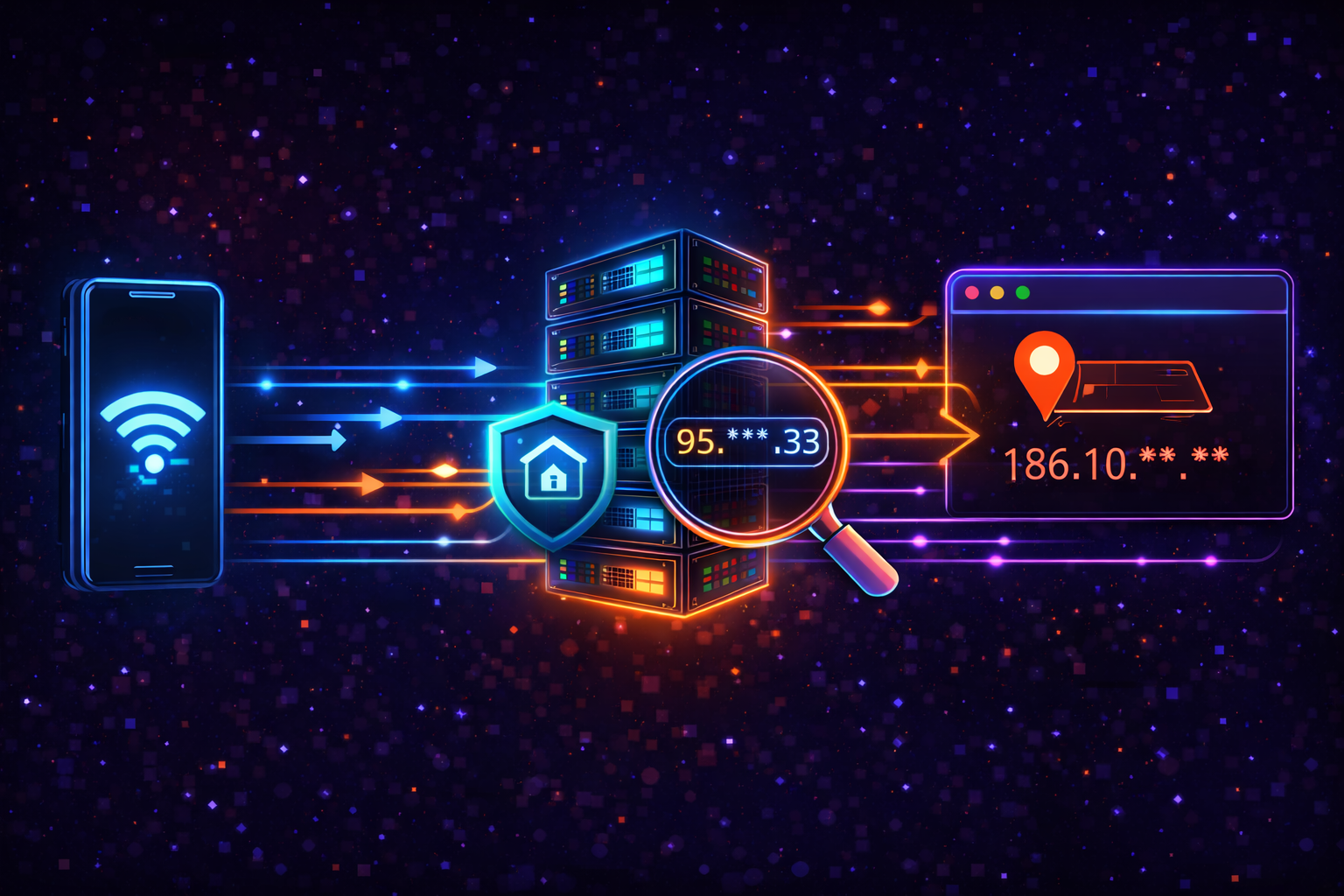
At a basic level, the process looks like this:
Your device sends a request to access a website or service.
The request first reaches an intermediary system such as a proxy server, VPN node, or relay network.
That server forwards the request to the target website using its own IP address.
The website sends the response back to the intermediary server.
The intermediary server returns the data to your device.
From the website’s perspective, the visible source of the traffic is the intermediary network. The original IP address remains hidden behind that layer.
In many cases, the connection does not rely on a single intermediary IP. Instead, the system can rotate addresses from a larger pool. This process is known as IP rotation. With rotation enabled, each request may be routed through a different IP address, which distributes traffic across multiple networks rather than concentrating activity on one connection.
This approach is commonly used in environments where stable access matters. For example, data collection systems may rotate IPs to avoid request limits, and marketing teams may test how content appears from different regions. The key idea behind an IP scrambler is not modifying the IP itself but controlling which network identity appears to the destination server.
Why do people use an IP scrambler
People usually search for an IP scrambler when they want more control over how their internet connection appears to websites. Since many platforms monitor IP addresses to manage traffic and detect unusual behavior, changing or rotating the visible IP can help maintain stable access and reduce conflicts caused by repeated requests from the same address.
Below are the most common situations where IP rotation tools are used.
Avoiding IP bans and request limits
Many websites track how many requests come from a single IP address. If too many actions happen from the same connection in a short time, the system may slow down responses, block the IP, or require additional verification.
Using an IP scrambler spreads requests across multiple addresses instead of sending everything from one location. This makes traffic look more natural and reduces the chance of one IP being blocked.
Testing websites from different locations
Companies often need to see how their websites or advertisements appear in different regions. Search results, product availability, and pricing can change depending on the user’s location.
By changing the visible IP address, teams can simulate connections from different countries or cities and verify that their services work correctly across regions.
Running automation or data collection tasks
Automation tools and data collection systems often send large numbers of requests while gathering information from websites. Without IP rotation, these requests can quickly trigger rate limits.
Rotating IP addresses allows these systems to distribute traffic more evenly across multiple networks, which helps maintain consistent access during large-scale tasks.
Separating accounts and workflows
In some workflows, users manage multiple accounts or environments at the same time. If all activity comes from a single IP address, platforms may treat those actions as suspicious or conflicting.
Using different IP addresses allows each session to appear as an independent connection. This helps teams keep accounts, testing environments, or automated tasks separated and easier to manage.
What technologies can change or rotate an IP address
The term IP scrambler usually refers to technologies that replace or rotate the visible IP address when connecting to a website. In reality, the internet cannot function without a valid IP address, so an IP address scrambler does not alter the structure of an IP. Instead, these technologies route traffic through another network so the destination server records a different IP than the one assigned to your device.
Several types of technologies can perform this function. Each works slightly differently and fits different use cases depending on the level of control, speed, or scale required.
Proxy servers
A proxy server acts as an intermediary between your device and the destination website. Instead of connecting directly, your request first goes through the proxy server, which then forwards the request using its own IP address. The website records the proxy’s IP rather than your original one.
Proxy servers are commonly used when traffic needs to be routed through specific locations or networks. They can also support IP rotation by distributing requests across multiple addresses in a proxy pool.
Residential proxy networks
Residential proxy networks provide IP addresses assigned by real internet service providers to residential devices. Because these IPs originate from typical home networks, they often appear more natural to websites compared to server-based addresses.
In many cases, residential proxy networks rotate IPs automatically. Each new request can be sent through a different residential connection, which helps distribute traffic across multiple networks.
Mobile proxies
Mobile proxies route traffic through real cellular carrier networks such as LTE or 5G. The IP addresses used in these networks belong to mobile carriers and are shared across many mobile devices.
Because mobile networks frequently rotate IP addresses at the carrier level, they can naturally support frequent IP changes. This makes them useful in environments where network trust and real carrier connections matter.
Learn more about the best mobile proxy providers!
VPN services
Virtual private networks also change the visible IP address by routing traffic through encrypted servers located in different regions. When connected to a VPN, websites see the IP of the VPN server rather than the user’s local connection.
VPNs are widely used for general browsing and location changes, although their IP pools are typically smaller than those of large proxy networks.
Tor network
The Tor network routes internet traffic through multiple encrypted relay nodes before it reaches the final destination. Each relay passes the request to the next one in the chain, which helps obscure the original connection.
This layered routing system changes the visible IP address and makes tracing the origin of the request difficult. However, because traffic passes through several relays, Tor connections are often slower than proxy or VPN-based routing systems.
Why are proxy networks commonly used for IP rotation
Many technologies can change the visible IP of a connection, but proxy networks are the most common solution when IP rotation needs to happen frequently and at scale. Instead of relying on a single server, proxy networks provide access to large pools of IP addresses distributed across different locations and networks. This allows requests to be routed through different identities rather than repeatedly coming from the same address.
Proxy networks make rotation practical because they are designed to manage traffic distribution. A system can send each request through a different IP or maintain a temporary session before switching to another address. This flexibility helps maintain stable access when websites limit the number of requests allowed from one connection.
Several characteristics make proxy networks especially useful for IP rotation:
Large IP pools that allow requests to be distributed across many addresses
Geographic targeting, which allows connections to appear from specific countries or regions
Session control, allowing the same IP to be reused temporarily when a workflow requires continuity
Traffic distribution, reducing the chance of triggering rate limits or blocks
These capabilities are important in environments where repeated requests occur, such as data collection, regional testing, automation workflows, and market research. Instead of relying on one IP address that may quickly reach its limit, proxy networks allow systems to rotate connections in a controlled and predictable way.
How professionals rotate IP addresses in real workflows
In professional environments, IP rotation is rarely handled with simple tools or manual switching. Teams that run automation, data collection, advertising verification, or large-scale testing need controlled infrastructure that can manage thousands of requests without creating conflicts or triggering platform limits. Instead of changing an IP occasionally, they design systems where IP rotation is part of the workflow itself.
A typical setup uses proxy networks connected to automation tools or scripts. Requests are routed through different IP addresses depending on the task being performed. For example, data collection systems may rotate IPs with every request, while account-based workflows may keep the same IP for a short session before switching to another one.
Infrastructure used in professional IP rotation
Professional setups usually combine several components that work together to control how traffic is distributed across networks.
These environments typically include:
Proxy infrastructure that provides access to large pools of IP addresses
Rotation logic that determines when and how an IP changes
Session control so certain tasks can maintain the same connection temporarily
Automation tools or APIs that manage requests at scale
This structure allows systems to distribute traffic across many network identities instead of sending everything through a single IP address.
Using integrated platforms for proxy workflows
Many teams prefer using infrastructure platforms instead of combining multiple tools from different providers. Managing proxies, verification systems, and automation frameworks separately often creates operational friction.
Platforms such as App CyberYozh combine several of these elements into one environment. CyberYozh provides access to mobile, residential, and datacenter proxy networks while also supporting automation tools and API-based workflows. It also includes reputation and risk checks for IP addresses and phone numbers, allowing teams to verify environments before running traffic.
This type of setup helps reduce guesswork when running large workflows. Instead of manually switching IP addresses or managing several vendors, professionals can control rotation, session behavior, and network selection from one system.
If you need a controlled environment for proxy workflows, explore CyberYozh. Mobile proxies start from $1.7/day, with residential and datacenter options available in one platform.
How to choose the right method to change your IP address
Changing an IP address can be done in several ways, but the right method depends on what you are trying to achieve. Different technologies serve different purposes. Some prioritize trust and authenticity of the connection, while others focus on speed or cost efficiency. Understanding how each option behaves helps you avoid unnecessary blocks and choose a setup that fits your workflow.
Below are the most common scenarios and when each method works best.
When mobile proxies are the best option
Mobile proxies use IP addresses provided by cellular carriers such as LTE or 5G networks. Because these networks serve large numbers of real mobile devices, their traffic patterns often appear more natural to many platforms.
Mobile proxies are commonly used when a connection needs to resemble real mobile user traffic. They are often suitable for:
Social media and advertising platforms
Account-based workflows that require trusted network environments
High-demand environments where connection reputation matters
Regional testing using mobile carrier networks
Since mobile networks frequently rotate IPs at the carrier level, they can support frequent IP changes while maintaining realistic traffic patterns.
When residential proxies are better
Residential proxies use IP addresses assigned by internet service providers to real households. These IPs represent typical home internet connections rather than server infrastructure.
They are often used when tasks require stable sessions or long-running connections. Residential proxies are commonly chosen for:
Data collection and web scraping
Monitoring product prices or availability
Market research across different regions
Testing websites from residential network environments
Some of the best residential proxy networks also support automatic rotation, allowing systems to change IP addresses between requests.
When datacenter proxies make sense
Datacenter proxies operate from corporate server infrastructure rather than residential or mobile networks. They typically provide high speed and strong connection stability.
These proxies are often used when performance matters more than network authenticity. Common use cases include:
Speed-sensitive automation tasks
Infrastructure or system testing
Large-volume requests where cost efficiency is important
Internal research or development environments
Because datacenter IPs originate from server networks, some websites can identify them more easily than residential or mobile connections.
When a VPN is enough
For many everyday situations, a VPN can be enough to change the visible IP address. VPN services route traffic through encrypted servers located in different regions, allowing users to connect from another location.
VPNs are commonly used for:
Personal browsing from different regions
Accessing region-specific content
Basic connection privacy while using public networks
However, VPN services usually provide a smaller pool of IP addresses compared to proxy networks. For large-scale automation or workflows that require frequent IP rotation, proxy-based infrastructure is typically more flexible.
What are the limitations of the IP scrambler
Changing the visible IP address can help control how a connection appears online, but it does not make a system invisible. Even when an IP scrambler or rotating proxy network is used, websites still analyze many other signals to evaluate traffic. Modern platforms rely on multiple detection methods, so simply changing the IP address does not automatically prevent restrictions or blocks.
In practice, platforms monitor patterns that go beyond the IP itself. If those signals remain inconsistent or suspicious, the connection may still trigger limits even when the visible IP changes.
Some of the factors that IP scrambling cannot hide include:
Browser and device fingerprints such as browser version, operating system, screen resolution, and device characteristics
User behavior patterns, including how fast requests are sent and how pages are navigated
IP reputation, which indicates whether an address has previously been associated with abuse or suspicious activity
Session consistency, since sudden IP changes during an active login session can appear abnormal
Traffic patterns, such as sending large numbers of requests in a very short time
Because of these factors, reliable workflows usually combine IP rotation with controlled request behavior, session management, and reputation checks before running traffic.
Frequently asked questions about IP scramblers
How to scramble your IP address
To scramble your IP address, you need to route your internet traffic through another network so the destination website sees a different IP than the one assigned by your internet provider. This is typically done using proxy servers, VPN services, or relay networks.
A common approach is to use a proxy network that rotates IP addresses automatically. Instead of sending all requests from one connection, the system distributes traffic across multiple IPs. This helps avoid request limits and allows connections to appear from different networks or regions.
What is an IP address scrambler
An IP address scrambler is a general term used to describe a tool that changes the IP address visible to websites. The IP itself is not modified or randomized. Instead, the connection is routed through an intermediary server that forwards the request using its own IP address.
Technologies such as proxy networks, VPN servers, and Tor relays can perform this function. Each method replaces the original IP with another one before the request reaches the destination server.
What is the best IP scrambler
The best IP scrambler depends on the type of activity and the level of control required. Different technologies serve different purposes.
For example:
Proxy networks are commonly used for automation, data collection, and large-scale workflows because they provide large IP pools and rotation control.
Mobile proxies are often used in environments where real mobile network traffic is required.
Residential proxies are suitable for tasks that require stable residential network identities.
VPN services are often enough for general browsing and simple location changes.
The right option depends on the task, traffic volume, and how frequently the IP address needs to change.
Can websites detect IP scrambling
Yes, websites can sometimes detect when traffic is routed through proxy networks or other intermediary systems. Modern platforms analyze additional signals such as browser fingerprints, traffic patterns, request frequency, and IP reputation.
If these signals appear unusual, a website may still apply restrictions even when the visible IP address changes.
Is scrambling your IP address legal
In most regions, changing or rotating an IP address is legal because it simply involves routing traffic through different networks. Businesses often use this approach for tasks such as market research, regional testing, and data collection.
However, how the technology is used matters. Activities that violate a platform’s terms of service or local regulations may still be restricted regardless of the technology used.
What is the difference between an IP scrambler and IP rotation
An IP scrambler is a general concept that refers to changing the visible IP address. IP rotation is the technical method that makes this possible.
Rotation systems distribute requests across multiple IP addresses, often selecting a new IP for each request or after a specific time interval.
Does a VPN scramble your IP address
A VPN changes the visible IP address by routing your traffic through an encrypted server located in another region. When connected to a VPN, websites see the IP address of the VPN server instead of your original connection.
However, VPN services usually provide smaller IP pools compared to proxy networks, which may limit how often the IP can change.
Do you need a proxy to scramble your IP
Not always. A VPN or the Tor network can also change the visible IP address. However, proxy networks are often preferred when frequent IP rotation, geographic targeting, or large-scale automation is required.
Proxy systems provide more control over how and when IP addresses change during a workflow.
Why do websites block certain IP addresses
Websites often block IP addresses when they detect unusual activity from a single connection. This can happen when too many requests are sent in a short time or when the IP has previously been associated with abuse.
Rotating IP addresses across multiple networks helps distribute traffic and reduces the likelihood of a single IP reaching those limits.
Helpful?
Share article