













CyberYozh App vs Proxy-Seller: Select a proxy infrastructure for business tasks
Choosing between CyberYozh App and Proxy-Seller comes down to whether your workflows need deep, high-trust identity control or broad, low-cost IP coverage.
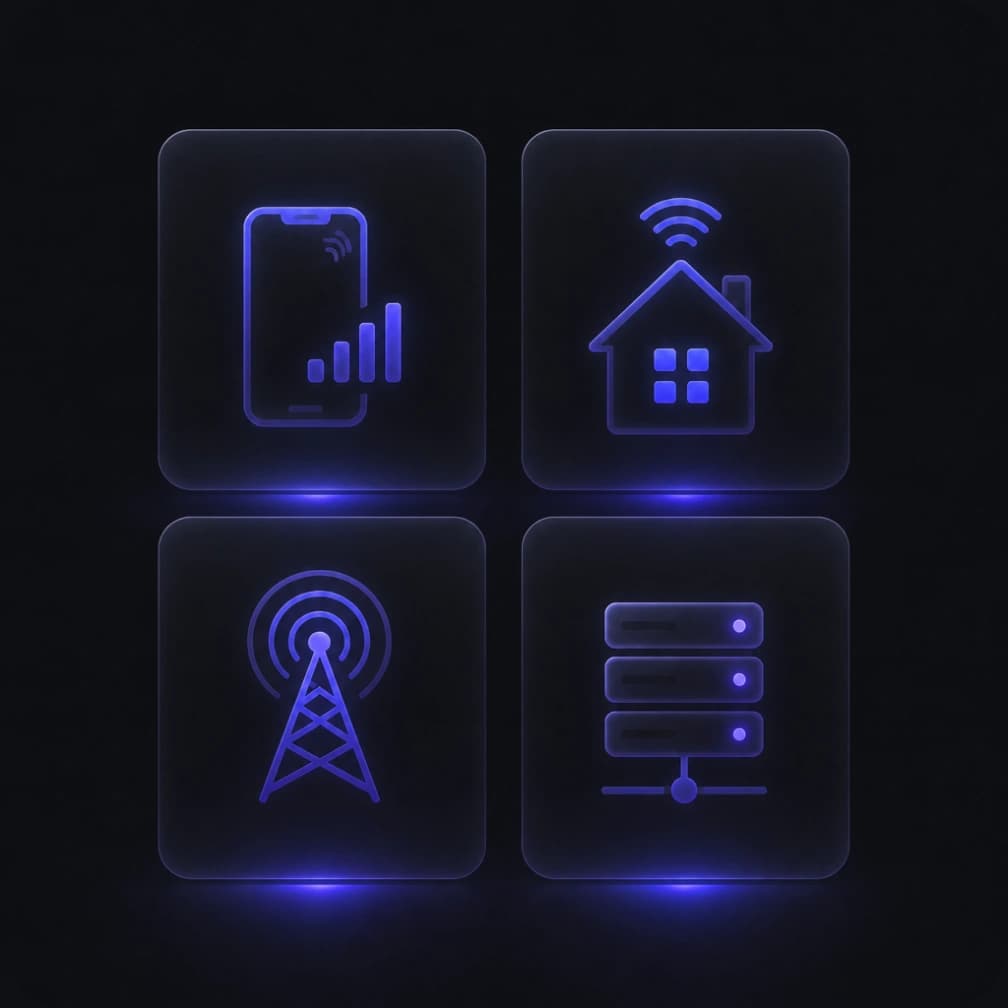
CyberYozh’s proxy catalog unifies mobile, ISP, rotating residential, and datacenter proxies with SMS activation and fraud-score checkers in one dashboard, built specifically for account-sensitive operations like affiliate marketing, e‑commerce, and social media at scale.
Proxy-Seller instead offers just a wide catalog spanning five proxy types across 220+ locations, appealing to teams prioritizing predictable per‑GB or per‑IP pricing over integrated account‑protection tooling.
CyberYozh App vs Proxy-Seller: Mobile proxy sourcing
CyberYozh’s mobile proxies are sourced from real dedicated LTE/5G devices, giving each customer a private mobile IP with manual or API-based IP change, OS fingerprint switching, VPN/VLESS configurations, and UDP support, priced from $1.7/day with unlimited bandwidth. This device-level exclusivity keeps IP reputation clean for social platforms and ad networks that heavily scrutinize mobile traffic.
Proxy-Seller’s mobile proxies pull from real carrier networks (AT&T, T‑Mobile, Verizon, EU carriers) across 20+ countries, using on‑demand rotation rather than dedicated modems, priced roughly $10+/IP or per‑GB, suited for broader but less individualized mobile-IP needs.
CyberYozh App vs Proxy-Seller: Residential proxy characteristics
CyberYozh’s residential proxies combine static ISP IPs (from $5.29/month, 99.9% uptime, unlimited bandwidth) with a rotating pool of 50M+ IPs across 195+ countries, offering free geo-targeting and a bulk credentials generator for scaling account creation and management tasks. This dual model lets one platform cover both persistent logins and high-volume rotation.
Proxy-Seller runs a larger rotating residential network (~40M+ IPs, 220+ regions) with city/ISP filtering and sticky sessions, priced from $1.3–$3.50/GB, favoring sheer pool size and geographic granularity over an integrated static+rotating bundle.
CyberYozh App vs Proxy-Seller: IP quality assurance
CyberYozh’s IP Checker is part of a broader risk-checking suite (IP, phone, and card checkers) combined with an internal abuse team that investigates and filters flagged IPs before they reach customers, directly supporting fraud-score-sensitive use cases like ad accounts and payments.
Proxy-Seller relies on ethical sourcing claims and monitored infrastructure, plus a free standalone Proxy Checker tool for validating any proxy list’s status, anonymity, and geolocation: a useful but more manual, user-driven quality process compared to CyberYozh’s built-in risk checkers.
CyberYozh App vs Proxy-Seller: Session management and web scraping
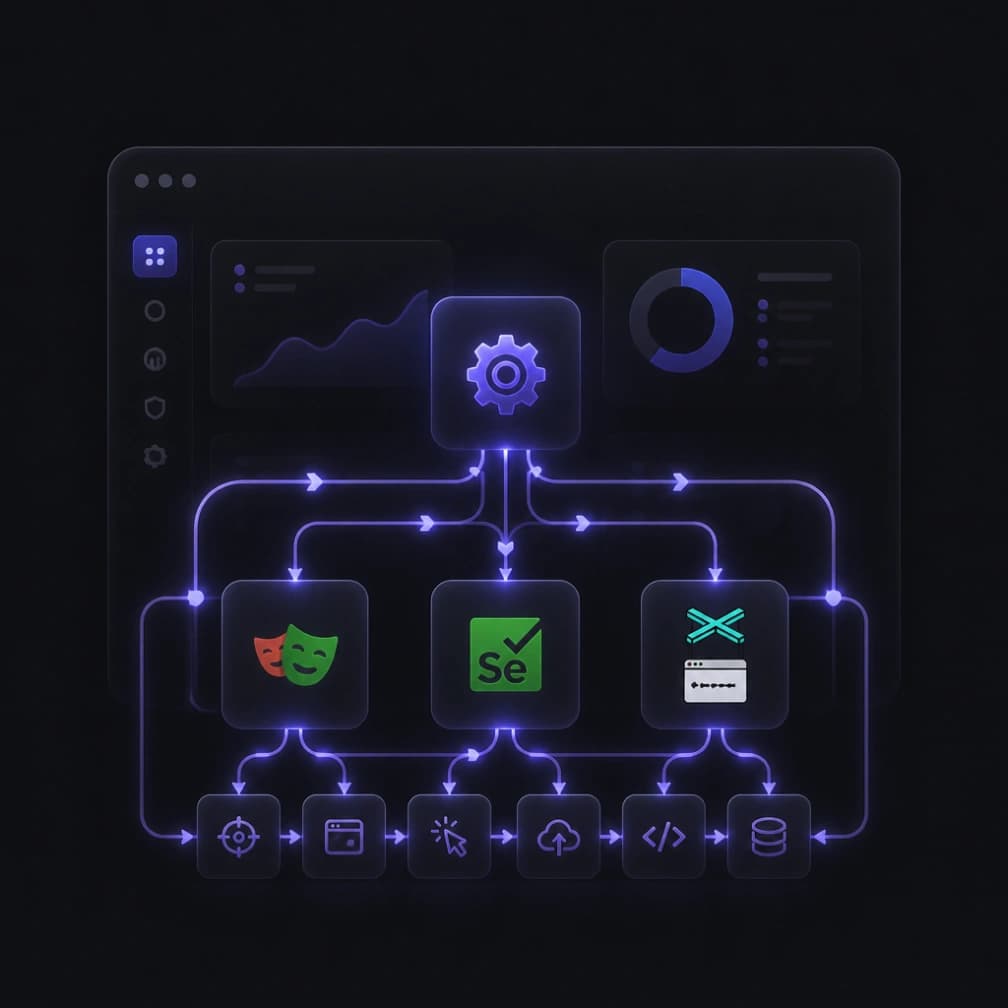
CyberYozh pairs its proxies with Yozh Scraper, an open-source scraping toolkit, plus guides for Crawl4AI, Selenium, Playwright, and Puppeteer, letting teams keep sticky sessions and consistent fingerprints across scraping and automation jobs without third-party tooling. This tightens the loop between proxy, session, and scraper code.
Proxy-Seller supports scraping mainly through its residential/ISP sticky sessions and SDKs in multiple languages, integrating with common scraping stacks, but it does not ship its own dedicated open-source scraper, leaving orchestration logic to the customer.
CyberYozh App vs Proxy-Seller: Marketplaces and e-commerce
CyberYozh’s e-commerce proxy use case targets Amazon, Shopify, eBay, Etsy, Walmart, and Alibaba workflows: managing multiple stores, price/competitor monitoring, and dropshipping account operations with clean, region-specific IPs. Mobile and residential options here reduce marketplace flagging on multi-store setups.
Proxy-Seller markets similar marketplace and retail scenarios (online marketplaces, sneaker sites, competitor price tracking) through its residential and datacenter pools, though without named specific product configurations, relying instead on general GEO/ISP targeting.
CyberYozh App vs Proxy-Seller: Running ad campaigns
CyberYozh’s affiliate marketing proxy is built for traffic arbitrageurs, CPA agencies, and advertisers, using mobile IPs to bypass Meta/TikTok/Google anti-fraud systems, residential IPs for geo/landing-page checks, and datacenter IPs for mass split-testing, explicitly covering gray/high-risk verticals. Virtual numbers and cards can be used for authentication in local ad services.
Proxy-Seller supports ad verification and creative testing across regions via residential/datacenter proxies and third-party ad-tracking integrations, but doesn’t offer a dedicated affiliate-marketing product page or vertical-specific guidance.
CyberYozh App vs Proxy-Seller: Social media management
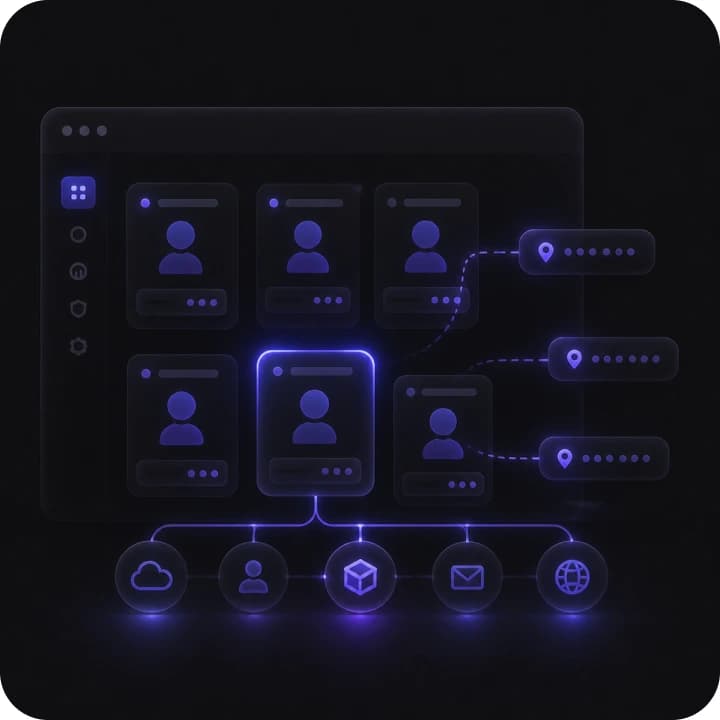
CyberYozh’s social media proxy line covers Instagram, TikTok, Telegram, WhatsApp, OnlyFans, Discord, and more, pairing mobile/residential IPs with fingerprint-OS switching so each account behaves like a distinct real user during multi-accounting.
Proxy-Seller is widely used for social account management (Reddit, Instagram, Facebook) via residential/ISP sticky sessions, per user reviews and third-party tests, though it lacks CyberYozh’s per-platform product configurations and virtual numbers/cards for authentication.
CyberYozh App vs Proxy-Seller: Web3 and online trading
CyberYozh’s crypto proxy is designed for cryptocurrency exchanges and promotional-offer optimization, letting users manage large-scale profiles while replicating authentic Tier‑1‑region activity for KYC-sensitive trading and airdrop farming.
Proxy-Seller lists crypto exchanges among general use cases for residential and datacenter proxies but does not offer a dedicated Web3/crypto products or airdrop‑specific tooling.
CyberYozh App vs Proxy-Seller: Gaming and entertainment
CyberYozh’s gaming proxy covers titles like Minecraft, Steam, Fortnite, and RuneScape, using mobile/residential IPs to manage scalable player profiles and region-specific storefront access while avoiding bans.
Proxy-Seller supports online gaming through datacenter and residential proxies emphasizing low latency and stable connections, per user reviews, but without named per-title game support.
Check CyberYozh proxy infrastructure, try it now, and see why it works so well for any serious web task.