

P2P Proxy
Scale your decentralized operations. Extract indexer data and manage multiple nodes without connection drops. Use a proxy for P2P to route your traffic through a massive global IP pool. You maintain high speeds and a guaranteed 99.9% network uptime.
Stabilize your node connections with a P2P proxy
Speed dictates everything in decentralized networks. Slow routing kills your data extraction and sync rates. Use dedicated datacenter proxies, rotating residential IPs, true carrier LTE/5G mobile lines, or static ISP nodes for extremely low latency response times. You sync with local peers instantly.
Access localized P2P swarms effortlessly
Overcome regional limits across 100+ countries without exposing your actual router. Connect directly to specific localized peer clusters safely. Use granular city and ZIP-code targeting to position your traffic precisely where you need it.
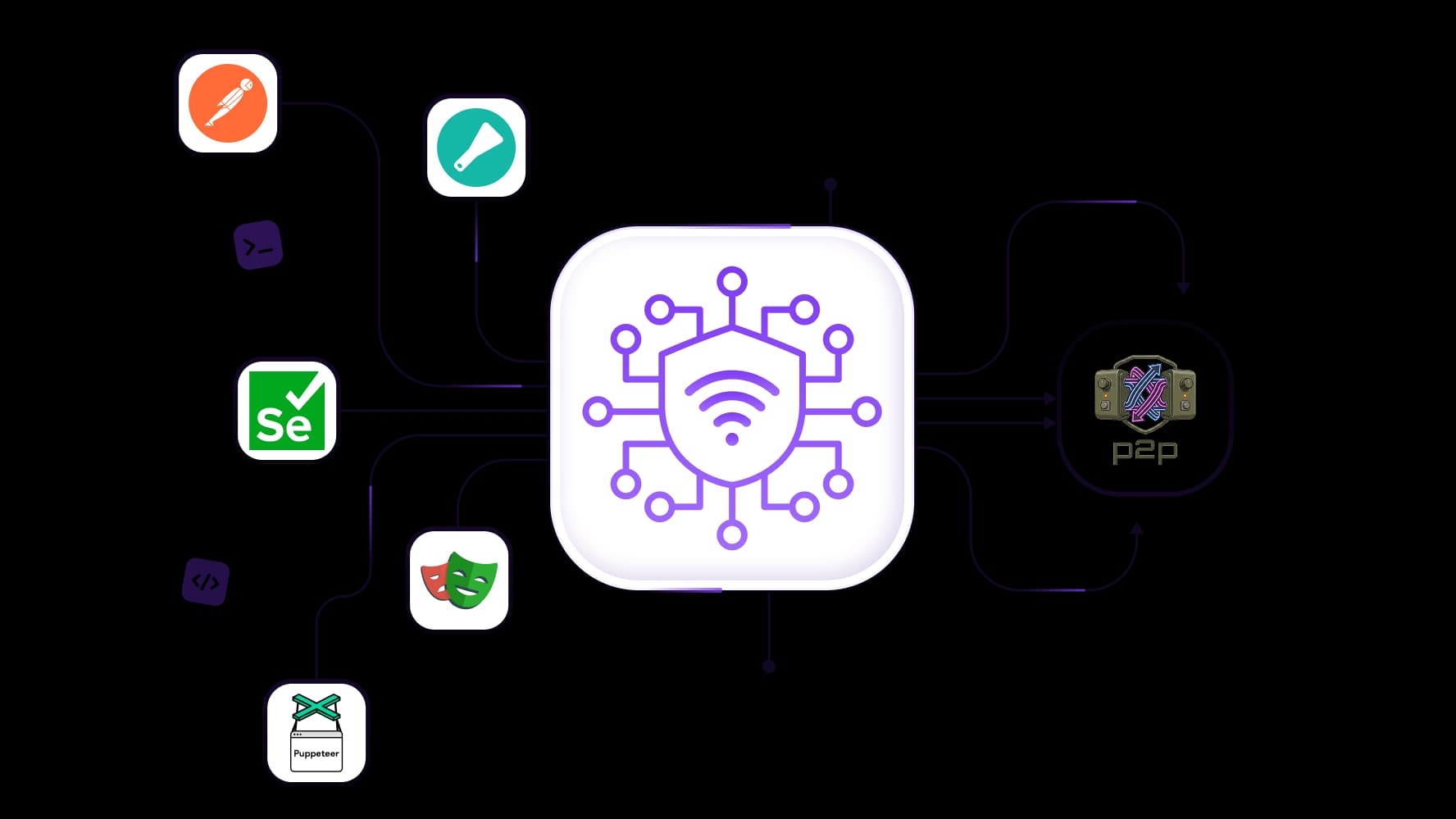
Scrape P2P indexer data continuously
Heavy scraping of P2P indexers and web trackers triggers instant security blocks. Our infrastructure reduces CAPTCHAs and security checks. Route your Scrapy, Puppeteer, or Playwright scripts through clean IPs. You collect network data and hashes at scale without interruptions.
Manage multiple network nodes with P2P proxies
Running dozens of nodes from one machine links your accounts instantly. Assign a dedicated IP from our massive global residential IP pool. You separate your traffic entirely.
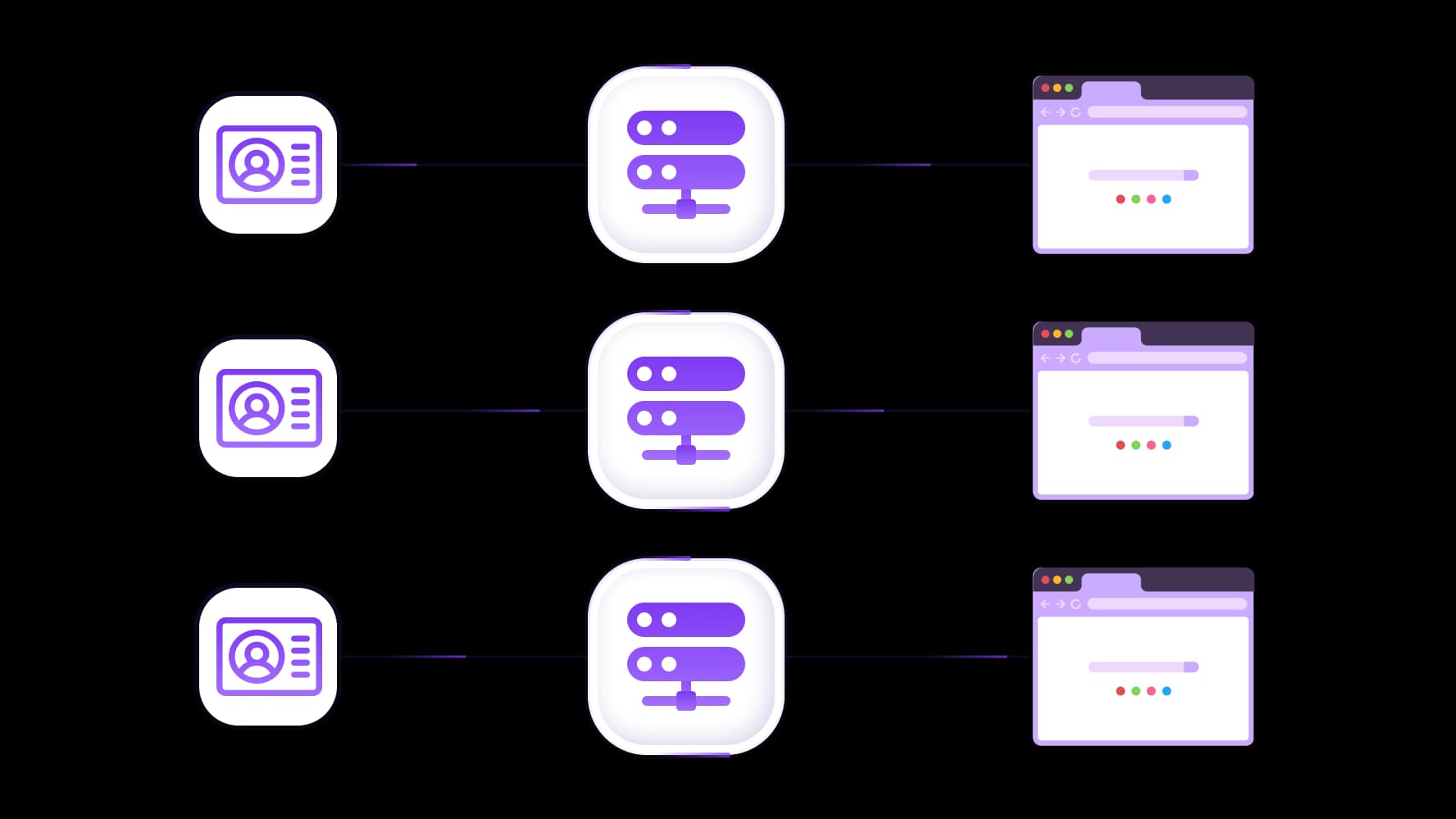
Integrate P2P proxies with antidetect browsers
Our network infrastructure modifies your OS fingerprint natively. Pair this built-in protection by assigning a dedicated proxy to every browser profile. You prevent data overlap entirely. Scale crypto farms, manage hundreds of wallets, and deploy dApps. Platforms log each profile as a completely different visitor.
Specially for you
Best proxies by countries

P2P - dedicated mobile unlimited
- Dedicated 5G Router
- Socks5/VPN with dedicated DNS
- Manual IP Changing
- Change p0f fingerprint (Windows, MacOS, Android)
- High Trust Rate
- Very High Speed + Low Ping
- All network params 1:1 as provider's
P2P - shared mobile
- Shared 5G Router
- Supports SOCKS5 with UDP
- Up to 5 users per port
- Socks5/HTTP
- IP Rotation: every 30 min
- Windows p0f fingerprint
- High Trust Rate
- Very High Speed + Low Ping
- All network params 1:1 as provider's
P2P - rotating residential
- 24 hours Availability
- Real ISP
- Speed up to 10 mbps
- Full API Access
- HTTP Protocol
- 100M+ IPs in 100+ Countries
- Mass Credentials Generator
- Long session up to 6 hours
P2P - private residential
- Unlimited Bandwith
- Real ISP
- Speed up to 150 mbps
- Low Ping
- Supports SOCKS5 with UDP
- 24 hours Availability
- 1 Dedicated IP
P2P - dedicated datacenter
- Unlimited bandwidth
- Exclusive IP ownership
- High-speed connectivity
- 99.9 % uptime
- HTTP
P2P - shared datacenter
- Lightning-fast speeds
- Global IP coverage
- 99.9 % uptime
- Cost-efficient plans
- 1 GB bandwidth
- HTTP
Why do they buy from us?
Advantages
Private card payment
It doesn't matter how you topped up your balance, linking the payment to the rental of a specific proxy is impossible.
We do not store data on servers
As a rule, services that rent out proxies retain all data about the traffic passing through their servers.
Dedicated device
We do NOT disguise Shared proxies as individual ones. A modem or router is transferred to ONLY one person.
Online technical support
We are always ready to solve your problems and questions. Even late at night and early in the morning.
Money-back guarantee
We have both returns and exchanges. The priority is quality service and satisfied customers.
API for Business
For business clients, our service is ready to provide a convenient API that allows you to purchase proxies, change IP addresses, and much more.
How P2P technology and protocols actually work
Traditional internet relies on centralized servers. You request a file. Peer-to-peer (P2P) tech flips the script. Your local machine connects directly to other users. Every participant acts as both a client and a host. You download data fragments from dozens of different computers while simultaneously uploading your completed pieces to the rest of the swarm.
Decentralized networks run on specialized protocols. BitTorrent divides big files into thousands of tiny chunks. It spreads these pieces across the entire swarm immediately. Then you have IPFS, which ditches the traditional web server setup for storage. Both rely on DHT (Distributed Hash Tables) to map out nodes around the planet, all without checking in with a central tracker.
This entire ecosystem runs on raw TCP and UDP packet transmission. Standard web browsers use HTTP to load text and images. But P2P clients need UDP protocol to push aggressive, continuous data streams directly between peers. That fundamental technical difference dictates exactly how you must configure your network routing to stay secure.
Beyond file sharing: Where P2P tech actually runs
You see this P2P logic running everywhere today, far beyond just downloading files. It's the engine keeping data flowing where big central servers fail.
Continuous file synchronization: Syncthing keeps folders in sync across all your devices in real-time. It sends updates straight between devices. No cloud server required.
Decentralized web storage: IPFS hosts and serves data directly from the network. You pull files from other peers, not a static server or domain.
Anonymous communication: Networks like I2P and Tor pipe your traffic through volunteer nodes. Your identity stays masked because your data bounces through a maze of peers.
Software-defined mesh networking: Tailscale and ZeroTier use P2P to punch through NAT and firewalls. They turn your scattered laptops, servers, and home devices into one secure, flat private network.
Blockchain and decentralized finance: Cryptocurrencies operate entirely on peer-to-peer architecture. Nodes verify transaction ledgers directly. No central bank exists. When you run a crypto wallet or a testnet node, you act as an active peer in a massive financial swarm.
👉 Read our comprehensive guide on scaling crypto operations securely
👉 Protect your wallets with static residential (ISP) proxies from $5.29/month
Whether you run a private mesh network or scrape massive decentralized datasets, these protocols demand the exact same stable, high-speed routing we provide.
What is a P2P proxy and why network operators need it
Standard server connections involve two parties. You and the website. But peer-to-peer networks operate differently. You connect directly to hundreds of other users simultaneously. You broadcast your location to all of them. This exposes your digital identity immediately. Malicious nodes scan these networks constantly.
Decentralized routing means your hardware is visible. Every connected peer logs your actual network footprint. Join a large swarm from your home router, and your connection becomes a public target.
A dedicated P2P proxy acts as a secure intermediary layer. It stands between your client and the swarm. A remote server takes over the connection request. It moves the raw data on your behalf. Other peers see the proxy IP. Your actual hardware remains completely hidden.
Real network problems a P2P proxy solves
Raw peer connections break your workflow. You invite network probes and trigger ISP speed limits immediately. Route your traffic properly to solve these specific network disruptions.
Overcome ISP network throttling
Task: Internet providers monitor connection patterns. When they detect hundreds of simultaneous peer connections originating from your router, they throttle your bandwidth arbitrarily. Your download speeds drop to zero.
Solution: Route your traffic through a dedicated P2P proxy. Your ISP sees a single continuous data stream to one server instead of raw peer connections across the globe. Our infrastructure handles millions of concurrent sessions. You restore stable access to your swarms. Your transfer speeds remain high.
👉 Get high-speed static residential (ISP) proxies from $5.29/month
Block hostile peer scanning
Task: Connecting to untrusted nodes invites network probes. Attackers scan active swarms to log IP addresses and probe open ports on your local machine.
Solution: Put a highly secure server between your machine and the swarm. The proxy absorbs these network scans. It acts as a shield. Your local machine never registers the hit. You protect your network footprint entirely.
👉 Protect your hardware with secure datacenter proxies from $1.9/month
Scale cryptocurrency operations securely
Task: Running hundreds of wallets or testnet nodes from a single machine links your accounts. Network algorithms detect the shared IP instantly. They flag your entire farm.
Solution: Isolate your digital footprint completely. Route each antidetect browser profile through a unique P2P proxy. Assign a dedicated ISP node to every active wallet. Platforms log each session as a completely different visitor. You scale massive crypto operations without data overlap.
👉 Scale your crypto farm with static residential proxies from $5.29/month
Access localized P2P swarms
Task: Specific decentralized networks restrict nodes by region. You need to pull data from a localized peer cluster that rejects foreign connections.
Solution: Pick an IP from that exact country or city. Choose a rotating residential IP with an extended 6-hour sticky session to complete deep data pulls without interruption. You align your network location to match the required region perfectly. Connect to the localized swarm safely.
👉 Access localized swarms with long-session residential proxies from $0.9/GB
The actual technical requirement for P2P proxy routing
Decentralized applications generate two completely different types of network traffic. You must match your proxy protocol to your exact operation. A misconfigured network drops your data feed instantly.
When to use HTTP proxies
If you write scripts to scrape P2P indexers, aggregate magnet links, or poll web trackers, you are processing standard web requests. HTTP proxies handle this perfectly. Deploy fast datacenter P2P proxies to pull hash data or peer statistics without hitting rate limits. The proxy reads the web data and returns it to your scraper.
When to use SOCKS5 proxies
But transferring actual file blocks directly between peers requires raw TCP and UDP packet transmission. HTTP cannot process this traffic. To maintain direct node communication, you must configure a SOCKS5 proxy. SOCKS5 handles heavy, continuous data streams seamlessly. You maintain stable WebSocket and streaming connections. Your peer connections stay pinned open. You sync large files without sudden drops.
The infrastructure solution
CyberYozh App provides native HTTP, SOCKS5, and full UDP support. We also deploy VPN, OpenVPN, and VLESS/Xray protocols for highly specific network setups. Most proxy packages include both HTTP and SOCKS5 by default. Certain specialized plans operate exclusively on HTTP. You select the exact protocol your software demands directly when choosing your plan. We enforce a strict no-logs policy across the entire ecosystem. The servers never record your active traffic. Because we build our architecture for heavy automation, you maintain a massive 99.9% network uptime. You even get access to our built-in Fraud Score checker. Run your assigned IP through enterprise-level risk filters before joining a live swarm. Fund your balance using our private payment system and deploy your nodes instantly.
Selecting the right proxy for P2P
Different decentralized tasks require different network setups. Choose the wrong proxy type, and your active transfers drop instantly. Some nodes need permanent stability to seed files. Others need fast IP rotation to scrape web trackers. Here is the exact proxy infrastructure required for your specific peer-to-peer operation.
Static residential (ISP) proxies
The optimal choice for continuous P2P node operation. You get data center speeds combined with high stability residential IP addresses. This avoids recycled or abused IP addresses completely. Keep your peer connections alive for months through consistently stable long-lived sessions. Because you receive a private dedicated IP with unlimited traffic, your bandwidth never caps out during heavy file seeding. They support SOCKS5 natively. This is the absolute best option for maintaining permanent node connections securely. Use this exact infrastructure to run high-stakes blockchain testnets or manage sensitive crypto wallets.
Datacenter proxies (Dedicated and Shared)
Server proxies deliver extremely low latency response times. They are fast, affordable, and push unlimited traffic. Use these for testing P2P client configurations or raw data transfers. Choose a private dedicated proxy to guarantee nobody else shares your bandwidth. With dedicated proxies P2P transfers hit maximum speeds. Pick a shared datacenter proxy to minimize costs during basic connectivity tests. But remember they lack the natural trust score of a home network. Some restrictive swarms might flag them.
Rotating residential proxies
Do not use these for continuous file transfers. Automatic IP rotation breaks your active peer connections instantly. But they are perfect for scraping P2P indexers. You tap into a massive global residential IP pool built on ethically sourced and consent-based IP networks. You pay only for the traffic you consume. Adjust your sticky session up to 6 hours if you need to pull deep localized data from a specific tracker without dropping the HTTP connection.
👉 You can read about rotation in proxies here
Mobile proxies
Cellular connections carry the highest trust level available. We route your traffic through specialized true mobile carrier IP networks. They mimic real smartphones perfectly. Use these exclusively for mobile-first decentralized applications and Web3 crypto wallets. You get unlimited traffic and can choose between dedicated or shared mobile ports. The infrastructure actively replaces your OS fingerprint to match the cellular gateway. You access the most restrictive mobile peer networks safely.
👉 You can learn more about mobile proxies in our guide
Connect your P2P client to the proxy network
Deploying a proxy for P2P takes only a few minutes. You control the entire setup. Follow these steps to secure your node connections.
Create your CyberYozh App account
Sign up on the platform. Select the exact proxy type your decentralized application requires. Pick static ISP nodes for constant seeding or dynamic networks for heavy indexer scraping.
👉 Browse our catalog to find the right proxy for your needs
Generate your proxy credentials
Open your user-friendly dashboard and control panel. If you run rotating residential proxies, adjust your session duration first. Copy your assigned host, port, username, and password directly from the generator.
👉 You can read more about generating credentials in the guide
Configure your decentralized software
Open your application. Open the connection settings inside your app. Find the proxy P2P inputs.
Set your protocol to SOCKS5 or HTTP
Pick the exact protocol your plan supports. You cannot skip this. Paste your CyberYozh App credentials into the empty fields. And you are done. The software now routes everything through the secure server.
Verify your new routing path
Test the connection before initiating any transfers.
👉 Use our built-in IP blacklist and reputation checkers.
Confirm your traffic actually routes through the secure endpoint. You protect your network footprint entirely.
Top up your balance in any convenient way!
Bank cards


Cryptocurrency


