

Proxy cho Scrapebox
Nếu bạn sử dụng Scrapebox làm công cụ scraping và SEO, bạn sẽ thấy khả năng khởi chạy mỗi yêu cầu scraping qua một IP proxy khác nhau rất hữu ích. Kết hợp với công cụ kiểm tra chất lượng IP riêng biệt tự động hóa mỗi lần kiểm tra, bạn có thể đảm bảo rằng tất cả các yêu cầu sẽ được thực hiện qua các IP đáng tin cậy, giảm thiểu rủi ro bị hạn chế và phát hiện.
Nhận proxy Scrapebox phù hợp với nhiệm vụ của bạn
Nhận proxy Scrapebox tốt nhất cho các quy trình làm việc khác nhau. Chọn giữa proxy di động, proxy dân cư và proxy trung tâm dữ liệu để cân bằng tốc độ, giá cả và độ tin cậy của nền tảng.
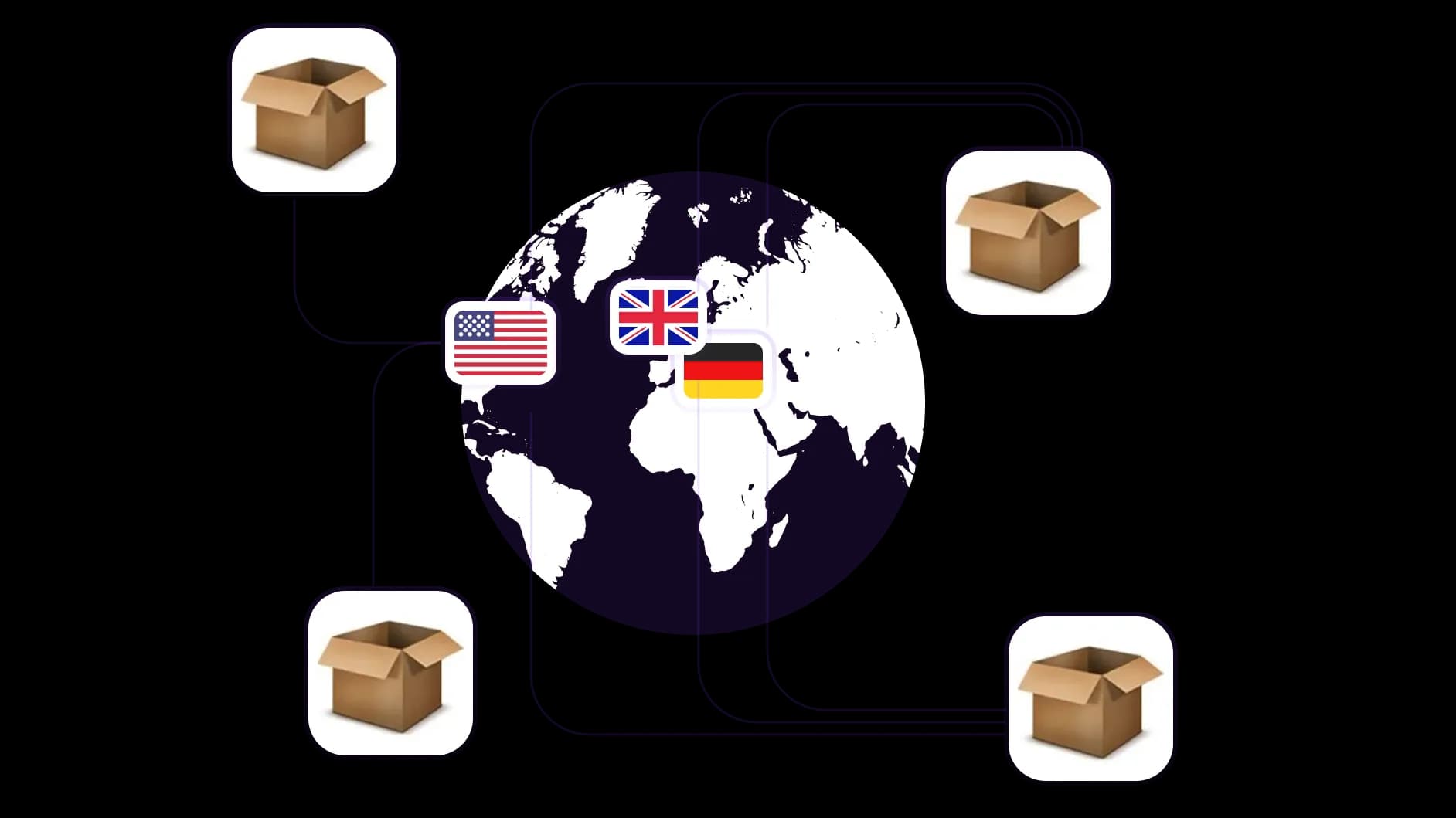
Truy cập dữ liệu SEO không giới hạn trên toàn thế giới
Triển khai proxy với IP tại hơn 100 quốc gia. Sử dụng nhắm mục tiêu địa lý với độ chính xác đến mã ZIP để thu thập kết quả SEO cục bộ và trích xuất URL. Nhận dữ liệu địa phương sạch và chính xác.
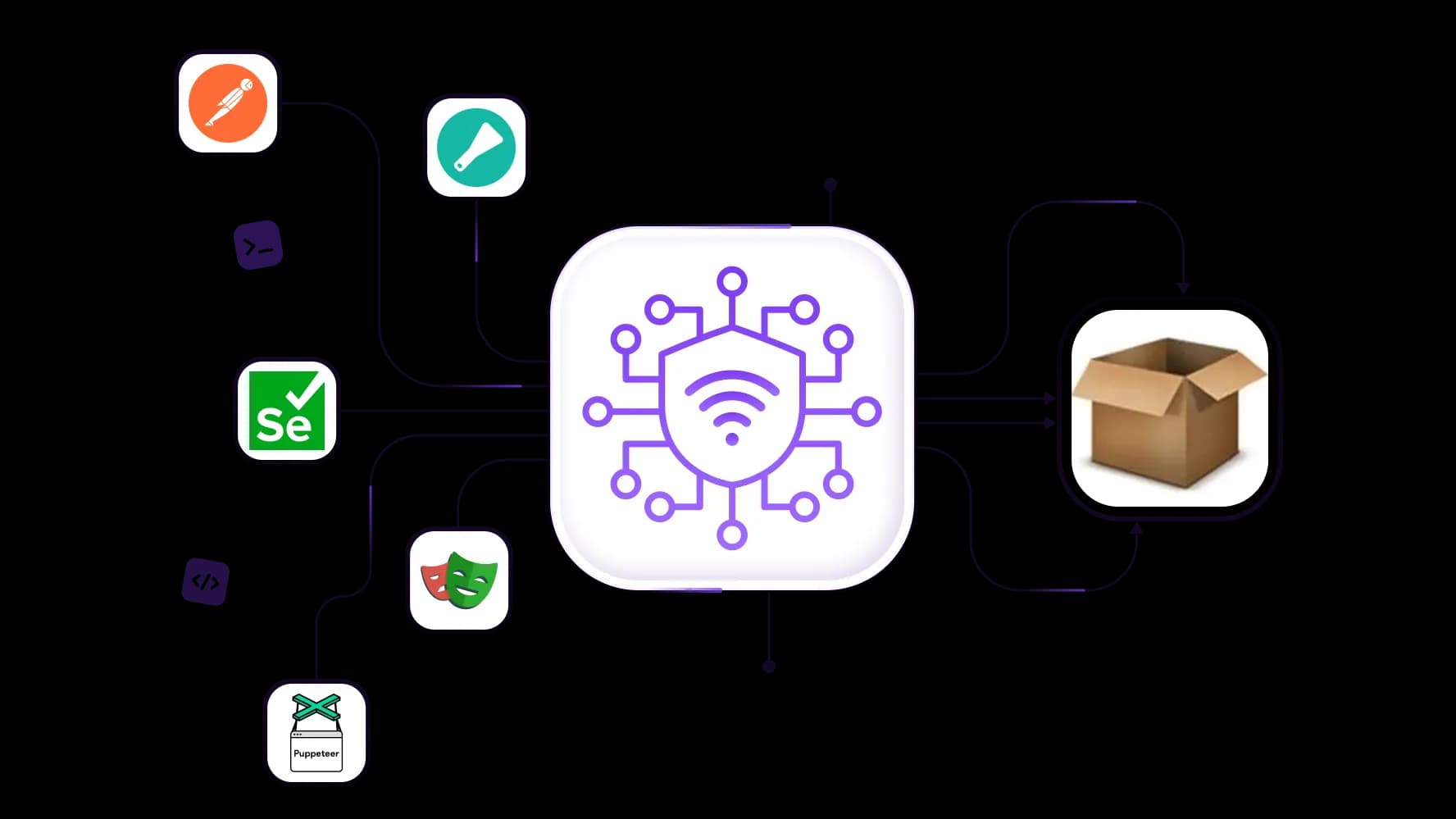
Cạo dữ liệu website với tốc độ cao, không bị cản trở
Sử dụng nhóm luân chuyển hơn 50 triệu IP dân cư. Tích hợp với Scrapy, Playwright, Puppeteer, Selenium và Postman thông qua API. Thu thập bất kỳ dữ liệu nào mà không bị cản trở.
Khởi chạy nhiều phiên Scrapebox cùng lúc
Ch指定 một proxy riêng cho mỗi phiên scraping Scrapebox và chạy chúng đồng thời. Với tỷ lệ thành công 99,95%, bạn sẽ không gặp phải liên kết chéo và hạn chế.
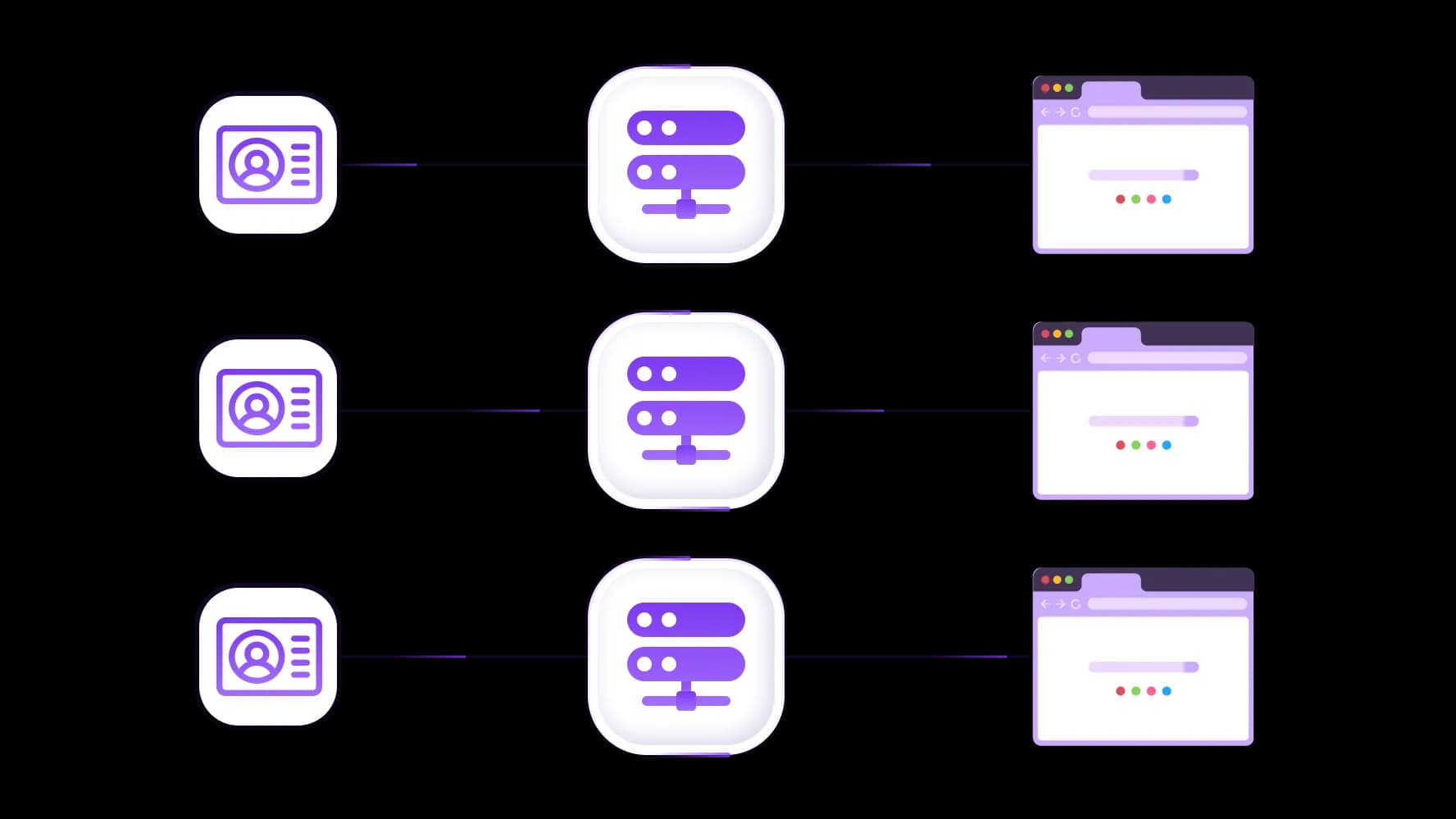
Cô lập từng phiên với công cụ chống phát hiện
Tạo hồ sơ trong trình duyệt chống phát hiện và điện thoại di động. Gán proxy CyberYozh với quản lý dấu vân tay mạng cho mỗi hồ sơ và cách ly hoàn toàn các phiên Scrapebox.
Đặc biệt dành cho bạn
Proxy tốt nhất theo từng quốc gia

Scrapebox - mạng di động không giới hạn chuyên dụng
-
Bộ định tuyến 5G chuyên dụng
-
Socks5/VPN với DNS riêng
-
Thay đổi IP thủ công
-
Thay đổi dấu vân tay p0f (Windows, macOS, Android)
-
Độ tin cậy cao
-
Tốc độ rất cao + độ trễ thấp
-
Tất cả thông số mạng 1:1 như nhà cung cấp
Scrapebox - mạng di động dùng chung
-
Bộ định tuyến 5G dùng chung
-
Hỗ trợ SOCKS5 với UDP
-
Tối đa 5 người dùng mỗi cổng
-
Socks5 / HTTP
-
Xoay IP: mỗi 30 phút
-
Dấu vân tay p0f Windows
-
Độ tin cậy cao
-
Tốc độ rất cao + độ trễ thấp
-
Tất cả thông số mạng 1:1 như nhà cung cấp
Scrapebox - r résident xoay vòng
-
Có sẵn 24 giờ
-
ISP thực tế
-
Tốc độ lên đến 10 Mbps
-
Truy cập API đầy đủ
-
Giao thức HTTP
-
Hơn 100M IP tại hơn 100 quốc gia
-
Trình tạo thông tin đăng nhập hàng loạt
-
Phiên dài lên đến 6 giờ
Scrapebox - residential riêng tư
-
Băng thông không giới hạn
-
ISP thực tế
-
Tốc độ lên đến 150 Mbps
-
Độ trễ thấp
-
Hỗ trợ SOCKS5 với UDP
-
Có sẵn 24 giờ
-
1 IP chuyên dụng
Scrapebox - datacenter chuyên dụng
-
Băng thông không giới hạn
-
Quyền sở hữu IP độc quyền
-
Kết nối tốc độ cao
-
Thời gian hoạt động 99.9 %
-
HTTP
Scrapebox - datacenter dùng chung
-
Tốc độ cực nhanh
-
Phủ sóng IP toàn cầu
-
Thời gian hoạt động 99.9 %
-
Gói dịch vụ tiết kiệm chi phí
-
1 GB băng thông
-
HTTP
Tại sao họ mua hàng của chúng ta?
Ưu điểm
Thanh toán bằng thẻ riêng
Không quan trọng bạn đã nạp tiền vào số dư của mình bằng cách nào, việc liên kết khoản thanh toán với việc thuê một proxy cụ thể là không thể.
Chúng tôi không lưu trữ dữ liệu trên máy chủ.
Theo quy định, các dịch vụ cho thuê proxy sẽ lưu giữ tất cả dữ liệu về lưu lượng truy cập đi qua máy chủ của họ.
Thiết bị chuyên dụng
Chúng tôi KHÔNG ngụy trang proxy chia sẻ thành proxy cá nhân. Một modem hoặc router chỉ được chuyển giao cho DUY NHẤT một người.
Hỗ trợ kỹ thuật trực tuyến
Chúng tôi luôn sẵn sàng giải quyết các vấn đề và thắc mắc của bạn, kể cả vào đêm khuya hay sáng sớm.
Đảm bảo hoàn tiền
Chúng tôi có cả hoàn trả và đổi hàng. Ưu tiên hàng đầu là dịch vụ chất lượng và khách hàng hài lòng.
API cho Doanh nghiệp
Đối với khách hàng doanh nghiệp, dịch vụ của chúng tôi sẵn sàng cung cấp một API tiện lợi cho phép bạn mua proxy, thay đổi địa chỉ IP và nhiều tính năng khác.
Tại sao bạn nên tích hợp proxy vào Scrapebox
Sử dụng Scrapebox có nghĩa là thu thập lượng lớn dữ liệu địa phương hóa, và mỗi từ ở đây đều nhấn mạnh nhu cầu sử dụng proxy. Nếu không phân phối các yêu cầu tự động của bạn giữa pool proxy lớn, bạn sẽ nhanh chóng bị giới hạn tốc độ. Kết quả SERP được địa phương hóa cao và bạn cần IP địa phương để xem chúng đúng cách. Cuối cùng, quyền truy cập vào dữ liệu địa phương thường bị hạn chế đối với các IP không thuộc địa phương đó.
Proxy CyberYozh giúp bạn giải quyết tất cả những vấn đề đó với mức giá rất phải chăng.
Nếu bạn chắc chắn mình cần proxy Scrapebox, hãy tìm hiểu cách thiết lập proxy trong Scrapebox ngay bây giờ và bắt đầu công việc của bạn.
Scrape dữ liệu SERP/SEO địa phương với proxy
Nhiệm vụ: Thu thập kết quả tìm kiếm địa phương hóa, xếp hạng đối thủ cạnh tranh và dữ liệu từ khóa ngách trên nhiều khu vực ở quy mô lớn.
Giải pháp: Chạy Scrapebox thông qua proxy dân cư hoặc di động với khả năng nhắm mục tiêu địa lý chính xác. Đối với các chuyên gia SEO quản lý nhiều thị trường, CyberYozh bao phủ tối ưu hóa SEO, giám sát đánh giá, và tiếp thị liên kết trong một hệ thống.
Để có được dữ liệu cụ thể theo vị trí mà không bị che giấu và hạn chế, bạn cần một proxy nhắm mục tiêu địa lý với độ chính xác đến thành phố và mã ZIP.
Nếu bạn muốn tìm hiểu sâu hơn về các đặc điểm nhắm mục tiêu địa lý, hãy đọc bài viết đầy đủ của chúng tôi về nhắm mục tiêu địa lý.
Thu thập và sắp xếp URL với tốc độ nhanh
Nhiệm vụ: Thu thập hàng nghìn URL, dấu vết, email và mục tiêu liên kết đủ nhanh để hữu ích cho các chiến dịch quy mô lớn và dự án dữ liệu.
Giải pháp: Kết hợp bộ thu thập của Scrapebox với proxy dân cư xoay vòng để duy trì tốc độ và tránh bị giới hạn dựa trên IP. Điều này làm cho Scrapebox thực sự hữu ích cho quy trình web scraping và bộ dữ liệu huấn luyện AI.
Trước khi triển khai với số lượng luồng đầy đủ, hãy chạy một lô thử qua IP Checker để xác thực chất lượng proxy. Bước này có thể được tự động hóa thông qua API để giữ cho quy trình của bạn luôn sạch mà không cần giám sát thủ công.
Tìm hiểu về chiến lược luân chuyển IP và đảm bảo luân chuyển proxy của bạn đúng cách trong quá trình thu thập dữ liệu.
Kiểm tra và giám sát hoạt động website theo thời gian thực
Nhiệm vụ: Giám sát tính khả dụng của trang web, thu thập dữ liệu để tìm các liên kết hỏng, xác thực tình trạng backlink, hoặc kiểm tra cách trang web của bạn hiển thị từ các vị trí địa lý khác nhau một cách liên tục.
Giải pháp: Sử dụng Scrapebox kết hợp với datacenter proxy cho các lần thu thập dữ liệu cần tốc độ cao và residential proxy cho các kiểm tra điểm chính xác về địa lý. Để tự động hóa toàn bộ quy trình kiểm tra, tích hợp với CyberYozh API cho các quy trình kiểm tra website và bảo vệ thương hiệu .
Tìm hiểu tài liệu API và sử dụng các lệnh CyberYozh API một cách hiệu quả.
Các loại proxy sử dụng trong Scrapebox
Proxy Scrapebox tốt nhất là những proxy phù hợp nhất với nhiệm vụ của bạn. Mỗi loại proxy có thể được sử dụng trong các quy trình làm việc khác nhau. Hãy làm rõ điều này để bạn chọn đúng loại proxy, tối đa hóa tốc độ và ROI, đồng thời tránh các hạn chế.
Giữ cho các phiên của bạn nhất quán. Nếu bạn trộn lẫn các loại proxy hoặc sử dụng nhóm luân chuyển, tất cả các IP phải có cùng quốc gia xuất xứ và gần nhau về mặt địa lý. Địa lý phiên không nhất quán là nguyên nhân phổ biến dẫn đến bị cấm và làm giảm tình trạng IP dài hạn.
📱 Mobile proxy: Mạng quảng cáo và các phiên đăng nhập bảo mật
Mobile LTE/5G proxy định tuyến qua các mạng nhà mạng thực tế, mang lại cho chúng điểm tin cậy cao nhất trong tất cả các loại proxy. Trong Scrapebox, chúng phù hợp nhất cho các quy trình làm việc mà bạn duy trì đăng nhập: kiểm tra vị trí quảng cáo, thu thập dữ liệu dựa trên tài khoản, truy cập các nền tảng mạng xã hội, hoặc hoạt động trong các môi trường có tính năng nhận dạng lưu lượng truy cập mạnh mẽ.
🏠 Proxy dân cư: Scraping SEO, quản lý tài khoản
IP dân cư đến từ các kết nối ISP thực tế, nghĩa là chúng hoạt động giống như người dùng bình thường đối với các công cụ tìm kiếm và nền tảng mục tiêu. Đối với Scrapebox, proxy dân cư là lựa chọn tiêu chuẩn, và có hai loại: xoay vòng và tĩnh.
Pool IP dân cư xoay vòng tự động thay đổi IP theo mỗi yêu cầu hoặc phiên, và bạn trả tiền cho lượng GB lưu lượng chạy qua chúng. Đây là thiết lập đáng tin cậy nhất cho scraping Google quy mô lớn: IP không tồn tại đủ lâu để kích hoạt phát hiện ngưỡng.
Proxy dân cư tĩnh cung cấp cho bạn một IP theo gói đăng ký hàng tháng. Sử dụng chúng khi bạn cần các phiên ổn định, bền vững: quản lý tài khoản, crawl các trang web có bộ nhớ phiên, hoặc kiểm tra A/B có kiểm soát giữa các khu vực.
💽 Proxy datacenter: Crawling, giám sát, xác thực liên kết
Proxy datacenter là các IP máy chủ dữ liệu doanh nghiệp chuyên dụng. Chúng nhanh, tiết kiệm chi phí và hoàn toàn phù hợp cho các tác vụ mà điểm tin cậy ít quan trọng hơn thông lượng. Trong Scrapebox, điều này có nghĩa là thu thập URL hàng loạt từ các nguồn không phải Google, phát hiện liên kết hỏng, kiểm tra chỉ mục, kiểm toán trạng thái HTTP và các hoạt động crawl kỹ thuật khác.
Proxy miễn phí cho Scrapebox: Bẫy hay cơ hội?
Khi tìm kiếm proxy Scrapebox giá rẻ, bạn có thể tìm thấy danh sách proxy miễn phí, với nhiều quốc gia khác nhau. Chúng có thể được sử dụng cho các mục đích rất hạn chế, nhưng bạn tuyệt đối không được gửi bất kỳ thông tin đăng nhập, dữ liệu ủy quyền hoặc thông tin nhạy cảm khác qua chúng. Các vấn đề của chúng bao gồm:
Tốc độ kết nối rất thấp: máy chủ quá tải với phần cứng kém
Điểm tin cậy rất thấp: lịch sử lạm dụng lâu dài, bị các nền tảng đánh dấu
Không có hỗ trợ và không chịu trách nhiệm khi quy trình làm việc của bạn bị hỏng
Nguồn gốc proxy không rõ và không có công cụ tự động hóa
Nhìn chung, không khuyến khích sử dụng proxy miễn phí với Scrapebox. Chúng thường có chất lượng rất thấp: chậm và đã bị cấm trên nhiều dịch vụ. Tệ hơn nữa, chúng có thể chặn dữ liệu của bạn. Tuy nhiên, cho mục đích thử nghiệm, CyberYozh cung cấp một pool proxy miễn phí, với chất lượng và bảo vệ được đảm bảo.
Cấu hình proxy CyberYozh trong Scrapebox
Scrapebox có giao diện quản lý proxy chuyên dụng, nên không cần cấu hình toàn hệ thống. Làm theo các bước sau:
Lấy thông tin đăng nhập proxy từ CyberYozh
Đăng nhập vào bảng điều khiển CyberYozh và sao chép danh sách proxy của bạn ở định dạng IP:PORT:USER:PASS , hoặc dưới dạng IP:PORT cho proxy không xác thực.
Chọn loại proxy dựa trên tác vụ của bạn (xem phần các loại ở trên).
Mở trình quản lý proxy trong Scrapebox
Trong giao diện chính của Scrapebox, tìm «Select Engines & Proxies» ở phần dưới.
Nhấp chuột phải vào vùng nhập proxy và chọn «Paste» để chèn danh sách của bạn, mỗi dòng một proxy. Hoặc lưu các proxy của bạn dưới dạng tệp .txt và sử dụng "Load" để nhập vào.
Đối với proxy SOCKS, thêm tiền tố S vào mỗi mục, ví dụ: S1.2.3.4:1080.
Kiểm tra proxy trước khi chạy
Sử dụng công cụ kiểm tra proxy tích hợp của Scrapebox để xác minh từng proxy vượt qua các công cụ tìm kiếm mục tiêu và ghi nhận tốc độ phản hồi chấp nhận được.
Loại bỏ hoặc thay thế bất kỳ proxy nào không đạt. Để kiểm tra chất lượng hàng loạt trước khi tải, hãy sử dụng CyberYozh IP Checker để xác thực trước danh tiếng.
Điều chỉnh luồng, thời gian chờ và độ trễ
Mở "Connections, Timeout and Other Settings".
Bắt đầu thận trọng: khoảng 1 luồng cho mỗi 5–10 proxy, với thời gian chờ 20–40 giây. Tăng dần trong khi theo dõi tỷ lệ lỗi.
Đối với scraping Google, chạy chậm hơn và tránh các dấu vết tích cực. Đối với Bing, Yahoo hoặc crawl nội bộ, bạn có thể tăng luồng mạnh hơn.
Để cách ly phiên tối đa: kết nối qua trình duyệt antidetect
Nếu quy trình làm việc của bạn yêu cầu các phiên trình duyệt cách ly cho mỗi proxy (ví dụ: scraping dựa trên tài khoản hoặc kiểm tra đã đăng nhập), hãy định tuyến lưu lượng Scrapebox qua trình duyệt antidetect được cấu hình với proxy CyberYozh. Điều này bổ sung dấu vết trình duyệt riêng biệt cho mỗi phiên bên cạnh cách ly IP.
Truy cập danh mục CyberYozh và cung cấp năng lượng cho quy trình scraping của bạn với proxy di động, dân cư và trung tâm dữ liệu theo lựa chọn của bạn.
Nạp tiền vào số dư của bạn bằng bất kỳ cách thuận tiện nào!
Thẻ ngân hàng


Tiền điện tử


