

Real mobile LTE / 5G networks
Run AI agents through real carrier networks with unlimited mobile traffic and dedicated channels.
- Real LTE / 5G carrier networks
- Manual and API IP rotation
- High-trust environments
- Stable AI sessions

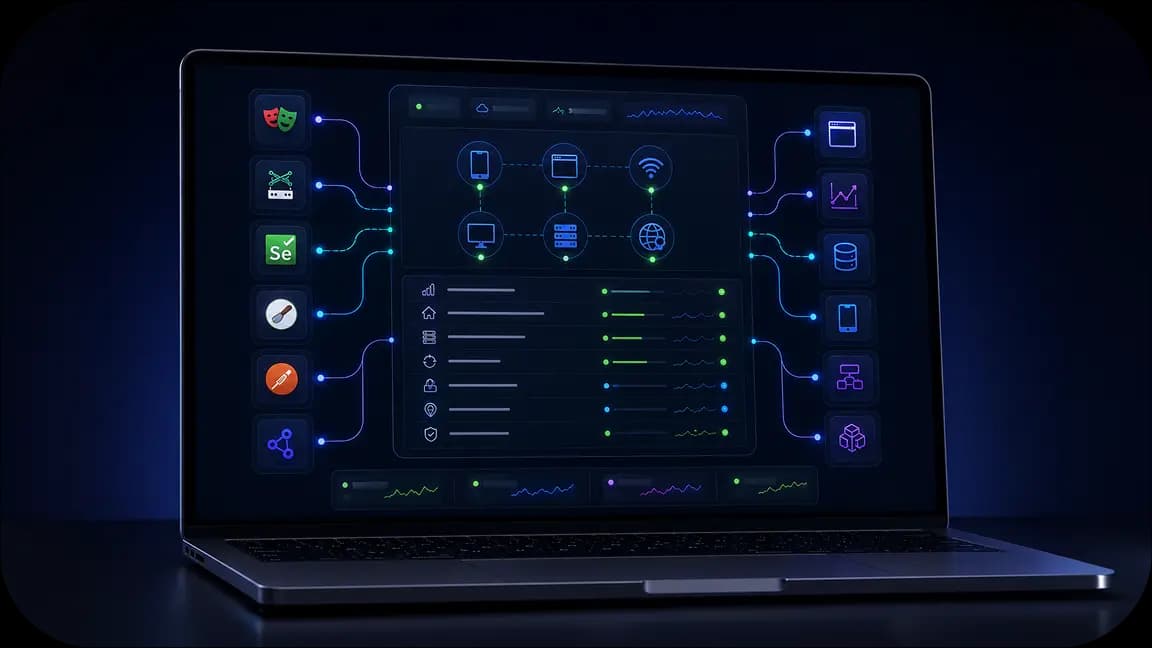
Connect proxies directly to your data collection stack for building training corpora at scale. API integration with Playwright, Puppeteer, Selenium, Scrapy, and custom scraping scripts.
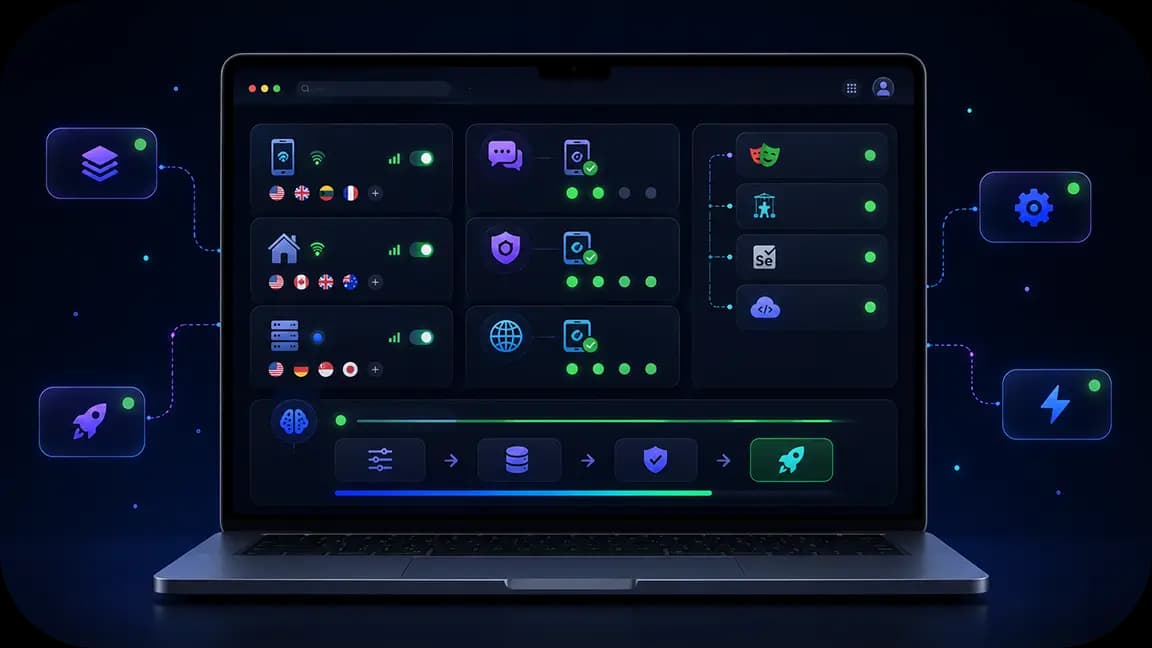
Set up a proxy in a few steps without managing complex infrastructure. Control rotation and sticky sessions from the intuitive dashboard as your dataset size and source diversity grow.
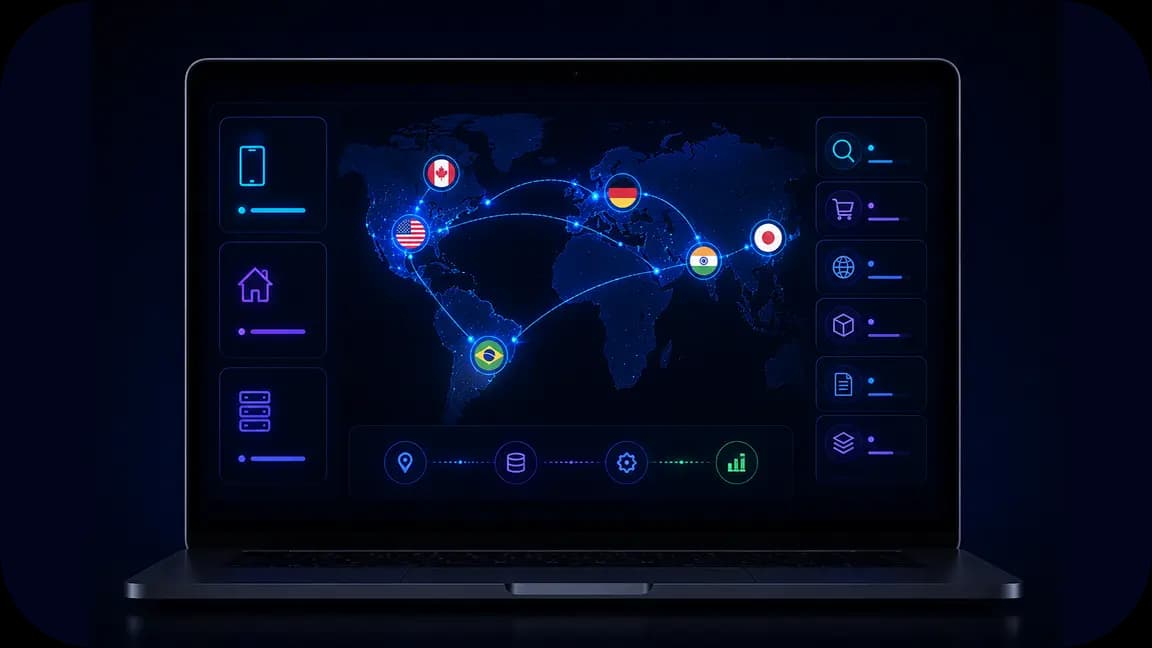
Gather multilingual data across continents using proxies with granular city- and zip-level geo-targeting. Build training sets that reflect real global diversity.

CyberYozh proxies include OS fingerprint switching options to align your device profile with each IP. Check your IP for fraud score before running workflows for fewer CAPTCHAs and fewer blocked requests.
Run AI agents through real carrier networks with unlimited mobile traffic and dedicated channels.

Reduce workflow interruptions with CAPTCHA solving support and validation tools built for automation.

Manage proxies, SMS activation, fingerprinting, fraud checks, and integrations from one environment.
CyberYozh's proxy infrastructure enables large-scale AI training data scraping. The network combines 100M+ residential IPs, mobile LTE/5G, and datacenter proxies with city- and zip-level geo-targeting, sticky sessions, OS fingerprint switching, IP fraud checks and virtual numbers for seamless verification. Collect pretraining corpus, build a domain-specific fine-tuning set, or gather data across regions with fewer CAPTCHAs and stalled pipelines.
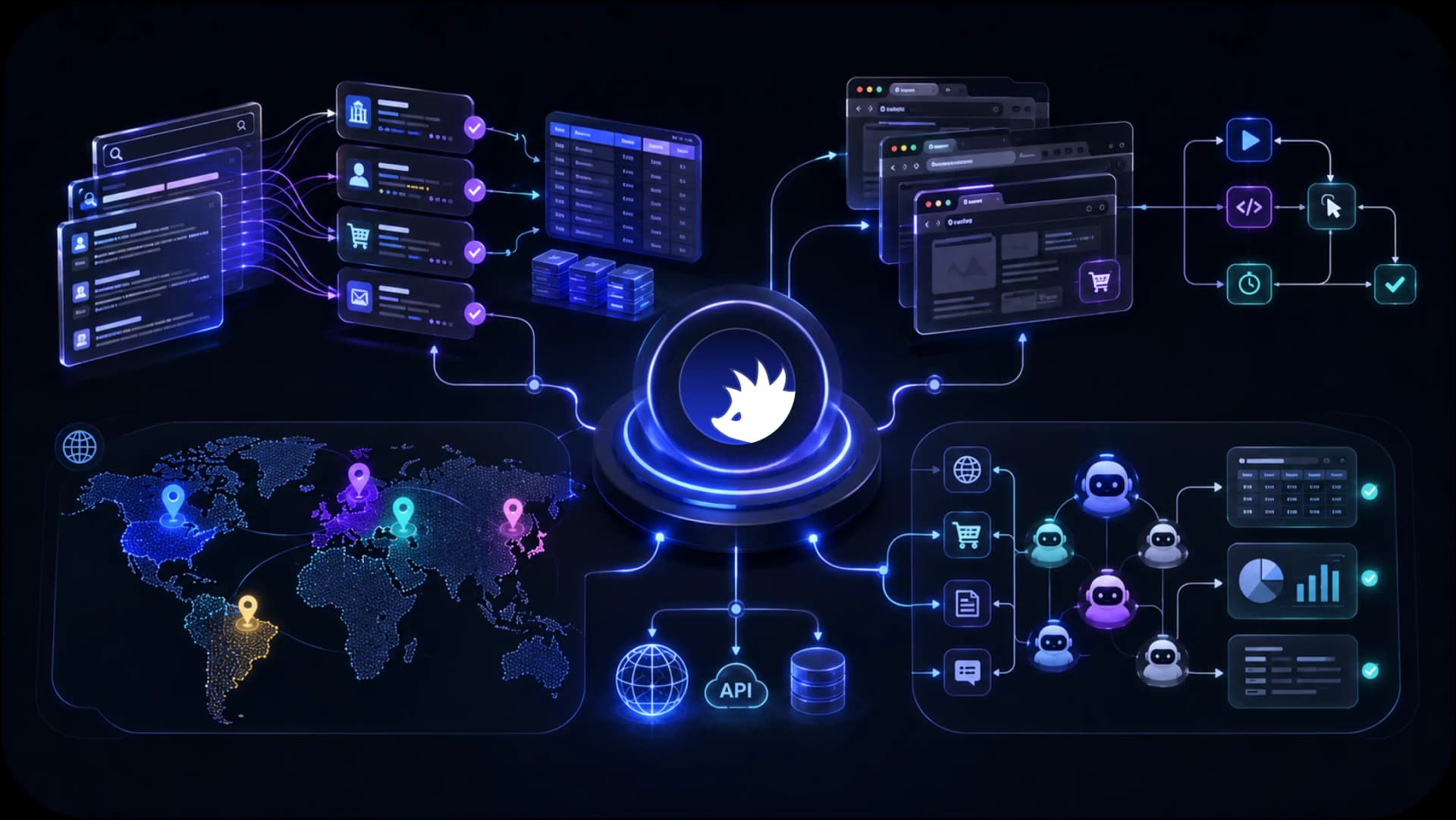
Access localized search results, marketplaces, public web data, and regional content across 195+ countries for AI agents, scraping systems, and autonomous workflows.
CyberYozh combines the infrastructure AI teams need to collect data, automate workflows, access regional content, and scale execution environments. From mobile LTE / 5G and residential proxies to browser automation support, fingerprinting, fraud checks, and Android cloud phones, everything is designed to support AI workflows from a single platform.
AI web scraping
AI browser automation
AI data collection
AI agent execution
Mobile AI workflows
Regional AI access
See how CyberYozh works in practice through real workflows, platform features, and infrastructure examples. Explore the dashboard, integrations, execution environments, and tools available for AI teams and automation projects.
Building a training corpus at scale runs into the same wall almost every time: the source doesn't want to be scraped that hard, that fast, from one address.
Sites throttle or block IPs sending high-volume requests – your data collection stops long before it hits target size, wasting engineering time on unblocking.
Cloudflare and DataDome flag non-human request patterns and device fingerprints, giving you CAPTCHA walls.
Collecting from a single region – without local IPs, you can't reliably collect sources, languages, and perspectives specific to other markets
Reddit, niche forums, and other high-value training sources require sign-up and phone verification to access full content, adding a second barrier beyond IP-level blocking.
Proxies address all four by distributing requests across IPs that read as real users, in the right locations, at the volume training corpora requires.
Reddit, Hacker News, Stack Exchange, and niche communities are some of the richest sources for conversational and domain-specific training data, but they're also the most aggressive about rate limits. Mobile proxies for AI datasets work best here, since real IPs from mobile carriers like Vodafone or T-Mobile pass checks that flag datacenter traffic instantly.
Tip: Login walls and lazy-loaded threads usually call for Playwright or Puppeteer to render and paginate content before it can be captured.
GitHub, GitLab, and package registries are mostly open and API-friendly, so datacenter proxies handle this well: fast, cheap, and sufficient trust for high-volume pulls.
Publications, journals, and licensed archives need a lighter touch. Residential or mobile proxies help here, paired with a record of what was accessed and how, since these sources carry the most legal scrutiny in AI training data collection.
E-commerce product listings and reviews update constantly and get monitored closely for scraping activity. Rotating residential proxies keep volume up without triggering the distorted pricing or blocks that flag automated traffic.
Building a corpus that generalizes across languages and regions means collecting from local sources directly, not just the version your server happens to see. Geo-targeted residential proxies across 195+ countries pull authentic region-native content instead of skewing toward wherever the crawl originates.
Instead of building a separate scraping layer for each source type, Yozh Scraper runs Playwright-driven jobs through mobile, residential, or datacenter proxies out of the box. One tool handles AI data collection across social platforms, e-commerce sites, and news sources alike.
💡 Operator takeaway: Most training corpora blend several of these categories. Mixing proxy types by source rather than defaulting to one type for everything keeps costs down on easy targets and success rates up on hard ones.
Match the proxy to how hard the source pushes back.
Mobile carrier IPs carry more trust than residential IPs. They are best if you want to gather AI training data from mobile-first platforms: Instagram, TikTok, Reddit, or Facebook accounts that require SMS verification before granting full access.
Tip: Complete the account signup without operational issues using the CyberYozh virtual number for SMS verification across 195+ countries.
Residential IPs are tied to real ISPs and look like real users to the platforms. They are more reliable for social media platforms, forums, e-commerce, and news sites, including Reddit threads and product reviews.
Datacenter IPs handle high-volume pulls where residential identity is not necessary. They are best for code repositories, government datasets, and public archives, such as GitHub, package registries, and open data portals.
AI training data collection is under growing legal scrutiny, and liability increasingly reaches back through the whole pipeline, not just the company that trains the model. Clean, documented sourcing is the difference between a defensible data collection process and one that can't hold up if questioned.
A few practices reduce that exposure and make your sourcing defensible if it's ever questioned:
Respect robots.txt and published rate limits rather than routing around them.
Keep scraping logs – timestamps, source URLs, and access methods, so you can show what was collected and how.
Track IP and data provenance end to end, instead of relying on an intermediary's word for how data was obtained.
Separate AI data collection from redistribution and document any downstream use, licensing restrictions, or third-party data rights before sharing training datasets.
CyberYozh combines every layer needed for AI training data collection on one platform – proxies, verification, and fraud prevention. Thus, teams aren't stitching together separate vendors for each part of the pipeline.
100M+ residential proxies with rotating and sticky sessions up to 24 hrs, IP filtering, free geo-targeting, and API-controlled rotation
Real 5G/LTE mobile proxies with unlimited bandwidth for high-volume collection without data caps slowing down corpus building
City- and zip-level geo-targeting across 195+ countries for authentic regional and multilingual data
IP fraud score checks to pre-filter exits and keep sourcing clean
OS fingerprint switching to reduce CAPTCHAs and blocked requests
Virtual SMS numbers and payment cards to complete sign-up and verification walls without exposing personal accounts
API compatibility with Playwright, Puppeteer, Selenium, Postman, Scrapy, and custom tools.
Explore proxies for similar tasks: AI search agent proxies, proxy infrastructure for ChatGPT, and proxy for SERP data collection.