
10 Best Decodo (Smartproxy) Alternatives in 2026 (Compared)
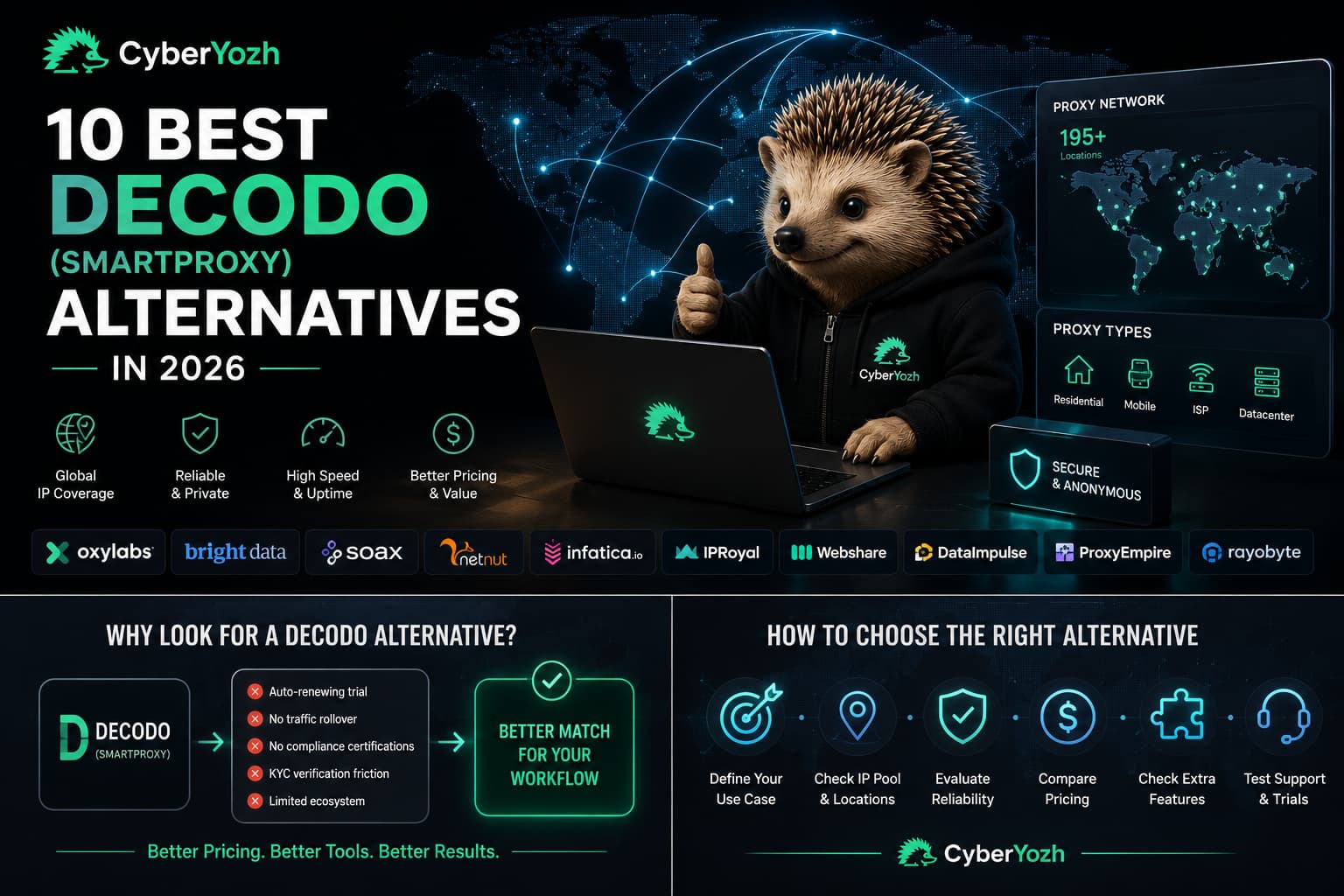
Decodo, the proxy network still widely known as Smartproxy, remains one of the more capable mid-market providers. But its 2025 rebrand into a broader "web data platform" also means new scraping APIs, new pricing tiers, and for some buyers, a product that no longer fits what they originally signed up for.
CyberYozh is the strongest overall Smartproxy alternative in 2026 for teams that want proxies bundled with account-verification tooling at a lower entry cost; Oxylabs and Bright Data remain the better call for enterprise scraping at real scale.
TL;DR
Best overall Decodo/Smartproxy alternative: CyberYozh
Best for enterprise-scale scraping: Oxylabs
Best for compliance-heavy procurement: Bright Data
Best for precise geo-targeting: SOAX
Best budget pick: DataImpulse or Webshare
Quick Answer: If you're leaving Decodo over pricing or want proxies bundled with account tools, CyberYozh is the strongest Smartproxy alternative for small-to-mid teams, starting at $2/GB with SMS verification and fraud checking built in. Oxylabs and Bright Data are the better smartproxy alternatives for enterprise scraping pipelines that need managed unblockers and compliance certification.
What is Decodo (Formerly Smartproxy)
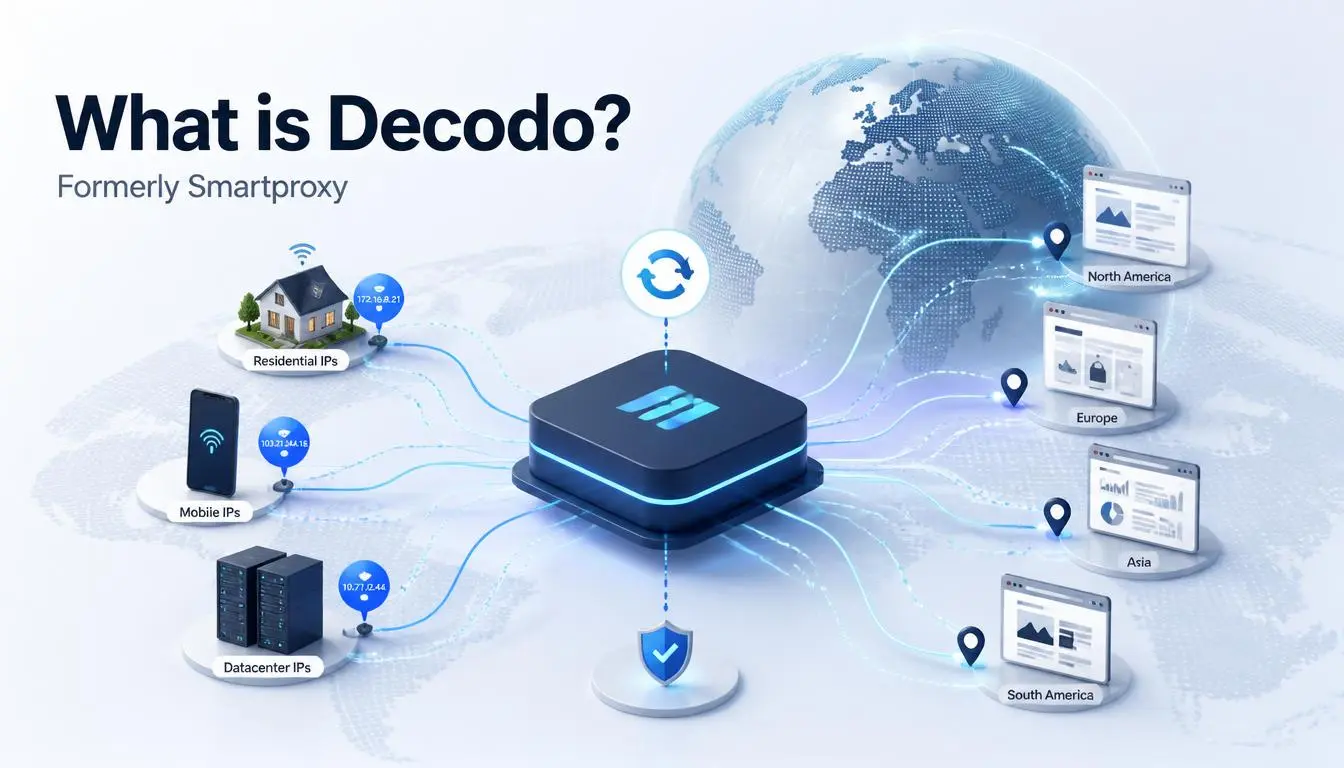
Decodo is the proxy and web-data platform that operated as Smartproxy from 2018 until its April 2025 rebrand. The name changed; the underlying network mostly didn't. The same residential, mobile, ISP, and datacenter infrastructure customers used pre-rebrand now sit behind a new dashboard and a wider product line (scraping APIs, a Site Unblocker, an AI parsing tool).
If you're seeing both names in search results, that's why, and it's also why some older "Smartproxy review" content is now describing a company that positions itself differently than it did two years ago.
Current specs: 115M+ residential IPs across 195+ locations, plus dedicated mobile (700+ carriers, 160 countries), ISP/static, and datacenter pools. Residential pricing runs from $3.75/GB (3GB) down to $2/GB at the 1TB tier, or $3.50/GB pay-as-you-go with no commitment. A 3-day, 100MB free trial is available but auto-converts to your selected paid plan unless canceled, and using it disqualifies you from the separate 14-day money-back option.
Why users look for a Smartproxy alternative
Nobody's leaving because Decodo is bad; reviews across Trustpilot (4.2/5, ~1,900 reviews) and G2 (4.6/5) skew genuinely positive. The recurring reasons people go looking for a Decodo alternative instead are more specific:
Billing friction. The free trial auto-renews into a paid plan if you don't cancel in time, crypto payments aren't refundable, and the 14-day money-back guarantee caps usage at 20% of purchased traffic (10% on enterprise plans).
No rollover. Unused monthly residential traffic doesn't carry into the next billing cycle, a real cost for anyone with uneven month-to-month usage.
No compliance certification (yet). As of late 2026, Decodo publishes GDPR compliance and a documented sourcing policy but doesn't hold SOC 2 Type II or ISO 27001, a real blocker for regulated procurement teams comparing it against Bright Data or Oxylabs.
Identity verification friction. Some accounts get paused for KYC checks mid-use, which costs paid-plan users calendar time.
Ecosystem gaps. Decodo is proxies plus scraping tools. If your workflow also needs SMS verification, fraud scoring, or antidetect-browser-native support, that's a separate vendor.
Important Note: None of this makes Decodo a bad product; Proxyway's independent testing has ranked it well on price-performance. It just means "alternative" doesn't always mean "upgrade." Sometimes it means a better match for a workflow Decodo wasn't built around.
Quick comparison: 10 best Smartproxy alternatives in 2026
Provider | Best For | Proxy Types | Starting Price | Key Advantage |
CyberYozh | Startups, multi-accounting, verification workflows | Mobile, Residential, ISP, Datacenter | From $2/GB | SMS + fraud-score checks bundled with proxies |
Oxylabs | Enterprise-scale scraping | Residential, Mobile, ISP, Datacenter | From $6/GB (drops to $2.50/GB at scale) | Largest benchmarked pool, managed APIs |
Bright Data | Compliance-heavy procurement | Residential, Mobile, ISP, Datacenter | From ~$8/GB PAYG | ISO 27001, SOC 2 & 3 certified |
SOAX | Precise geo-targeting | Residential, Mobile | From ~$3.60/GB | City/ASN targeting on every plan |
IPRoyal | Long session persistence | Residential, Datacenter | From ~$1.75/GB | Sessions held up to 7 days, non-expiring traffic |
DataImpulse | Budget scraping | Residential, Mobile | From $1/GB | No minimum, traffic never expires |
ProxyEmpire | Irregular/seasonal scraping | Residential, Mobile | From ~$3.50/GB | Rollover bandwidth |
Rayobyte | Datacenter-heavy US workloads | Datacenter, ISP, Residential | From $3.50/GB | Deep datacenter options, free 50MB trial |
Infatica | Enterprise + IPv6 targeting | Residential, Mobile, Datacenter | Premium tier | IPv6 proxies, granular geo-targeting |
Webshare | Developers testing before scaling | Datacenter, Residential | Free tier / ~$1-2/GB | Permanent free tier, clean API |
What to look for in a Decodo alternative
Real cost at your volume, not the homepage number; most providers' advertised rate needs a volume floor or monthly commitment you may not hit
Rollover or non-expiring traffic, if your usage isn't steady month to month
Proxy type match: residential/mobile for hardened targets, datacenter for cheap and fast on lenient ones
API and automation compatibility with your existing stack (Selenium, Playwright, Scrapy)
What's bundled: SMS verification, fraud scoring, and antidetect-browser support live in separate tools with most providers.
Review refund terms before you commit, not after; trial conversion and traffic caps vary widely between providers.
Compliance certification, only if you're actually selling into a regulated buyer
The 10 best Decodo alternatives
The 10 best Decodo alternatives in 2026, compared by features, pricing, performance, and overall value.
CyberYozh
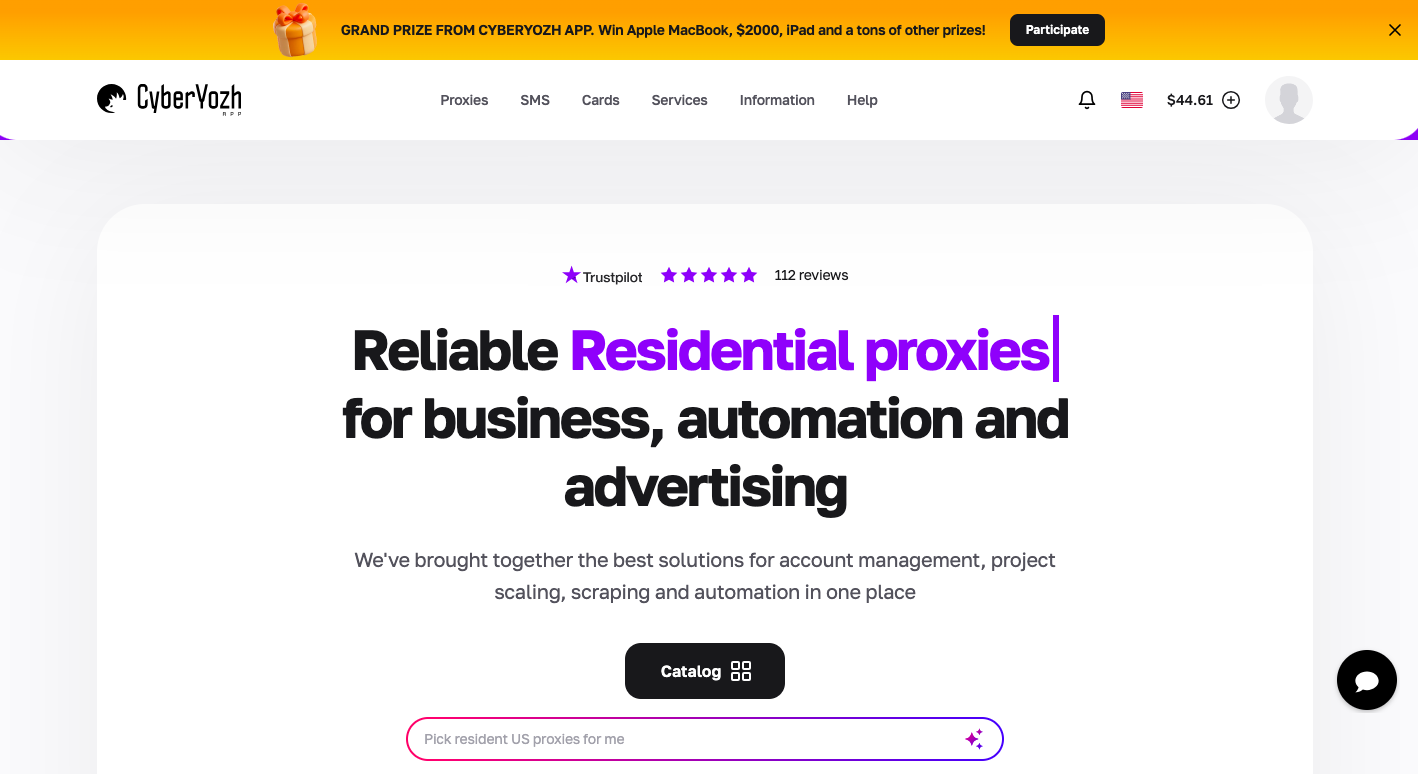
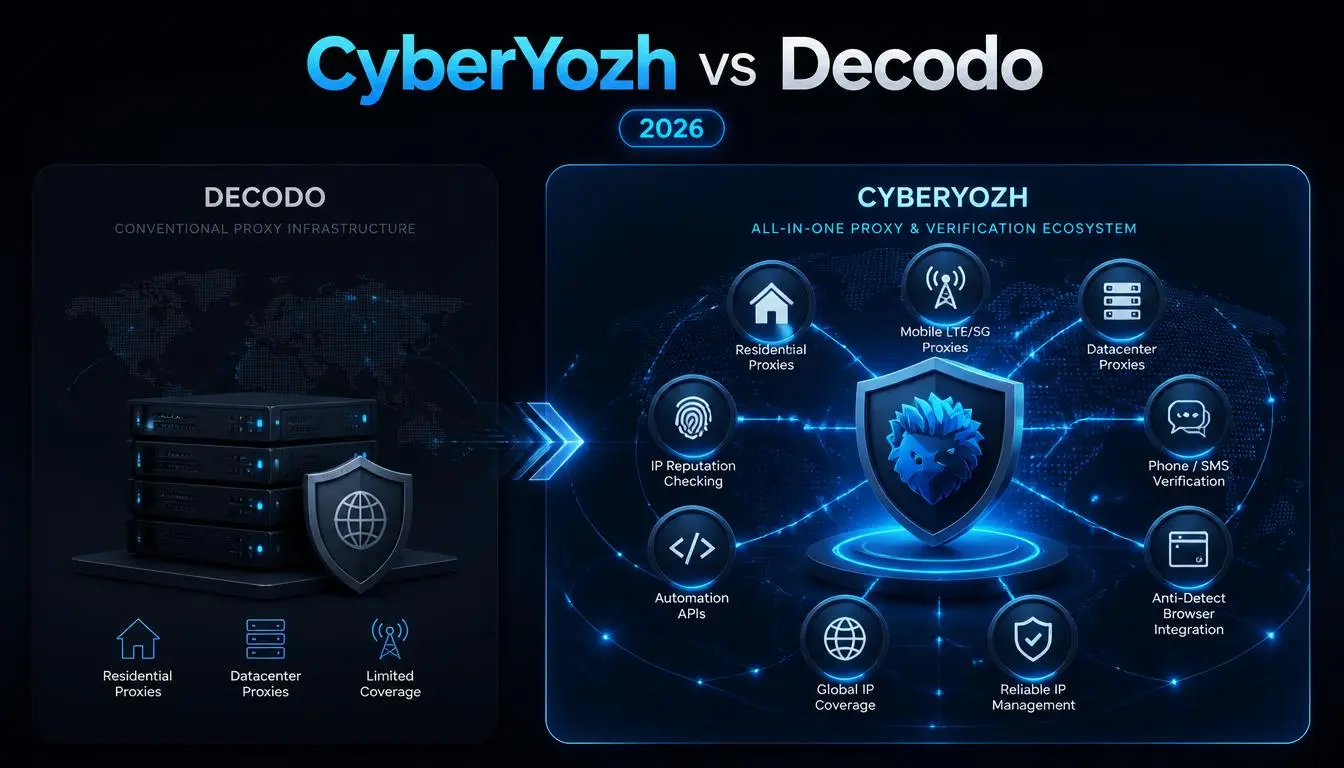
CyberYozh positions itself as an all-in-one identity and proxy platform rather than a pure proxy seller, bundling proxies, SMS verification, virtual cards, and fraud-score checking into a single account. Where Decodo is proxies-plus-scraping-tools, CyberYozh is proxies-plus-account-operations, making it a stronger fit for multi-accounting, ad verification, and automation workflows rather than pure large-scale scraping.
Key features:
Four proxy types in one account: mobile LTE/5G (unlimited traffic, no per-GB billing), residential ISP/static, rotating residential, and datacenter
Pricing from $2/GB (rotating residential), $1.70/day unlimited (mobile), $5.29/month unlimited (ISP), $1.90/month unlimited (datacenter)
100M+ IPs across 195+ countries
Full API access, compatible with Selenium, Playwright, Postman, Puppeteer, Scrapy, and major antidetect browsers
Bundled SMS verification and IP/phone/card fraud-score checking, virtual cards for geo-targeted payments
No long free trial, a fixed 24-hour refund window instead
Potential limitation: Decodo's residential pool (115M+) is more than double CyberYozh's. If deep coverage in long-tail, low-population countries matters more than bundled tooling, that's worth weighing.
Best use cases: multi-account management, ad verification, affiliate marketing, automation with built-in identity checks.
Oxylabs
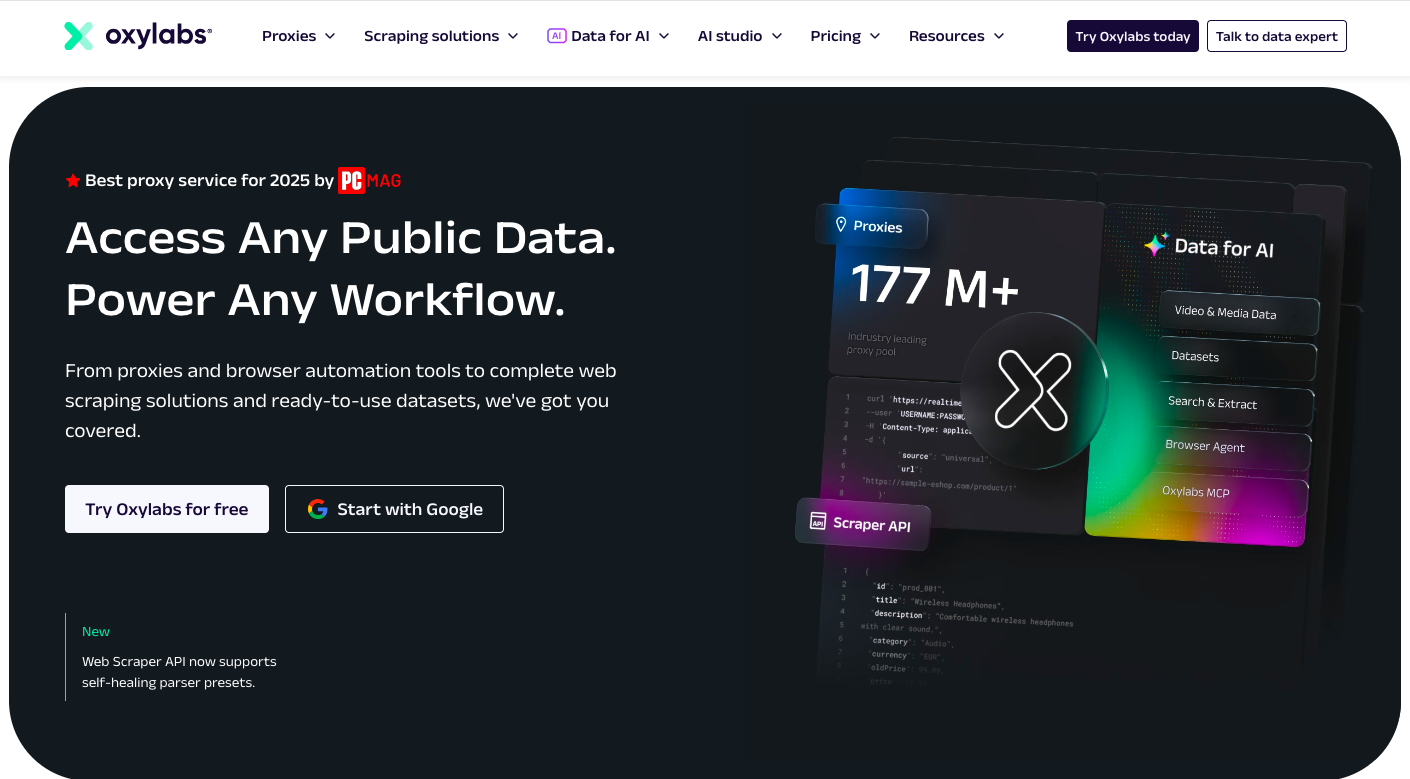
Oxylabs: The enterprise benchmark, with the deepest managed tooling and the biggest independently-verified pool. Pricing assumes real monthly volume.
Key features:
175M+ residential IPs,
~99.95% independently benchmarked success rate
Web Scraper API, SERP API, Web Unblocker
city/state/ZIP targeting across 195 locations
Best for: large-scale enterprise scraping
Pros: Largest verified pool; strong managed-API depth
Cons: From $6/GB at entry; KYC required, which can add days to onboarding
Bright Data
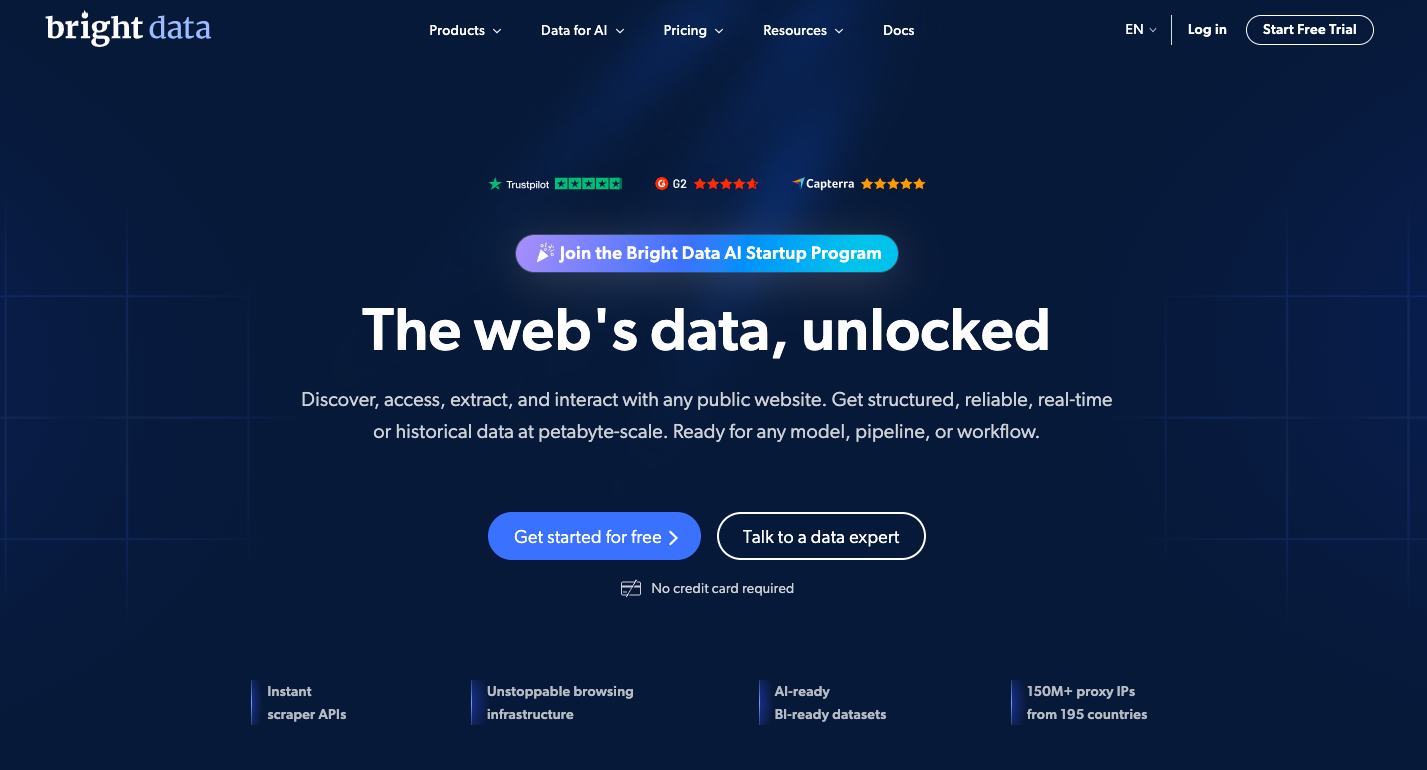
Bright Data is Oxylabs' closest peer in scale, favored by procurement teams that need certifications on paper as much as raw performance.
Key features:
400M+ IP pool (vendor claim)
ISO 27001, SOC 2 & SOC 3 certified
Web Unlocker and SERP API
7-day trial with a small starting credit
Best for: compliance-heavy enterprise procurement
Pros: Deepest compliance certification on this list
Cons: ~$8/GB PAYG entry; KYC required for residential/mobile access
SOAX
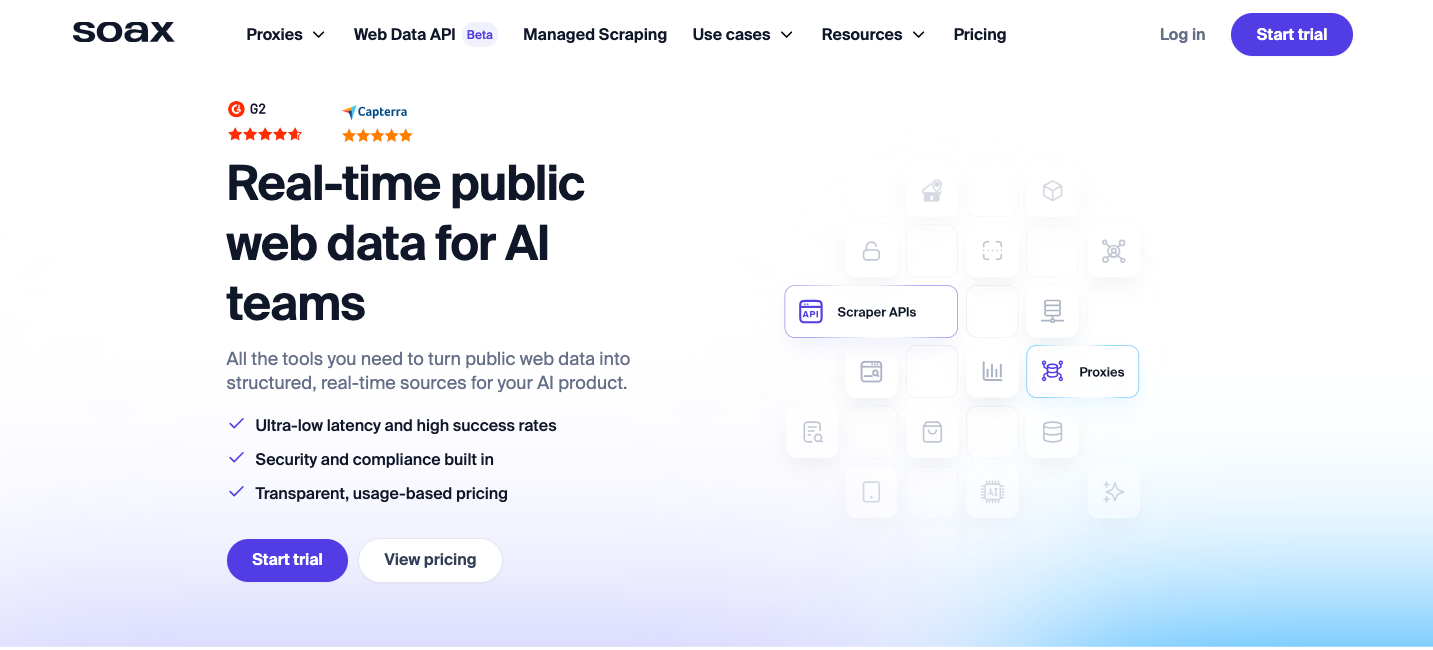
SOAX is built around location precision rather than raw pool size, with city and ASN-level targeting on every plan, not gated behind a premium tier.
Key features:
155M+ residential IPs claimed
targeting included on every plan
UDP support alongside HTTP/SOCKS5
Best for: precise geo-targeting
Pros: No premium tier needed for granular targeting
Cons: No managed scraping API or unblocker; from ~$3.60/GB
IPRoyal
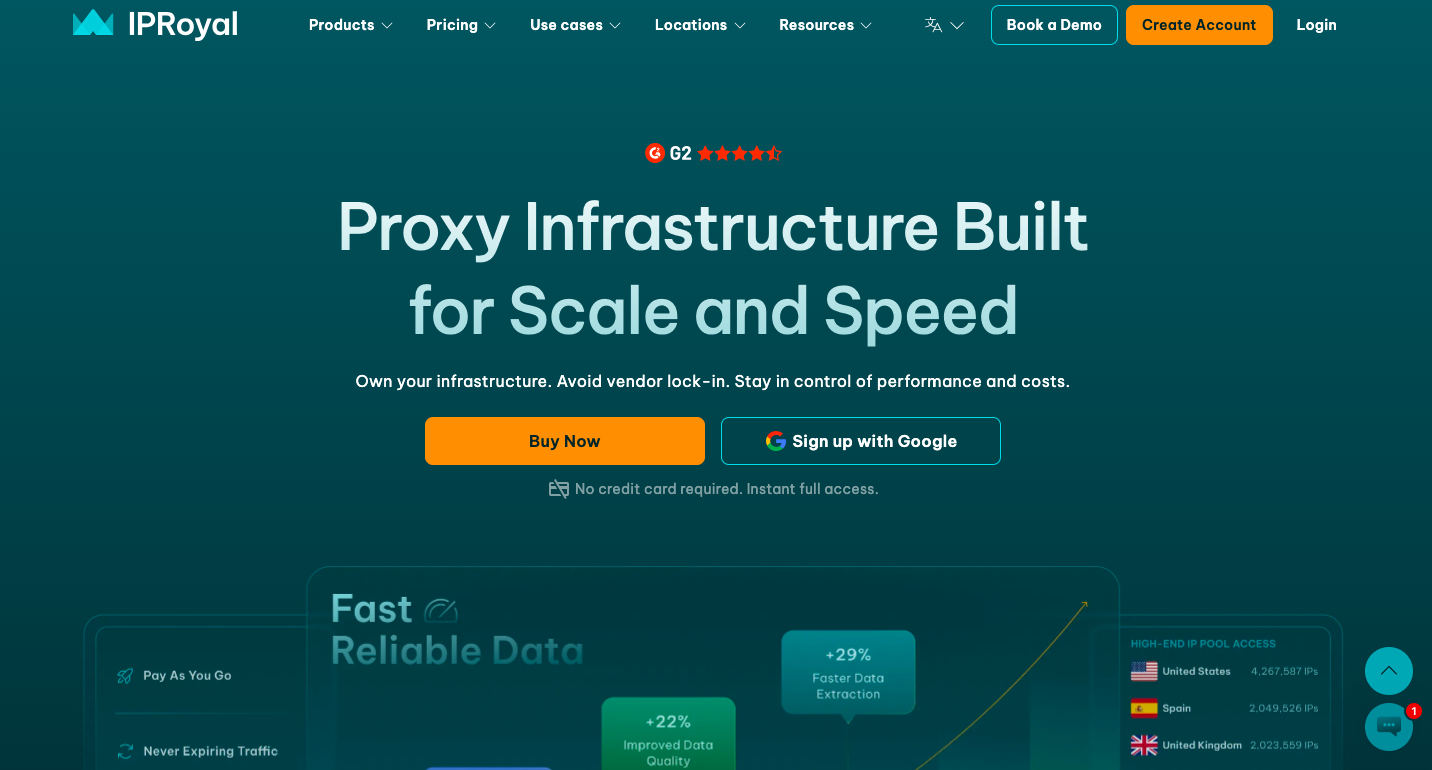
IPRoyal: A better fit for account-style persistence than high-volume scraping, thanks to unusually long configurable sessions.
Key features:
Session persistence from per-request up to 7 days
Non-expiring traffic
No cap on concurrent sessions
24/7/365 live support
Best for: workflows that need one identity held over time
Pros: Long sticky sessions; predictable pay-as-you-go pricing
Cons: Smaller pool than the enterprise names; pricing rises fast below volume tiers
DataImpulse
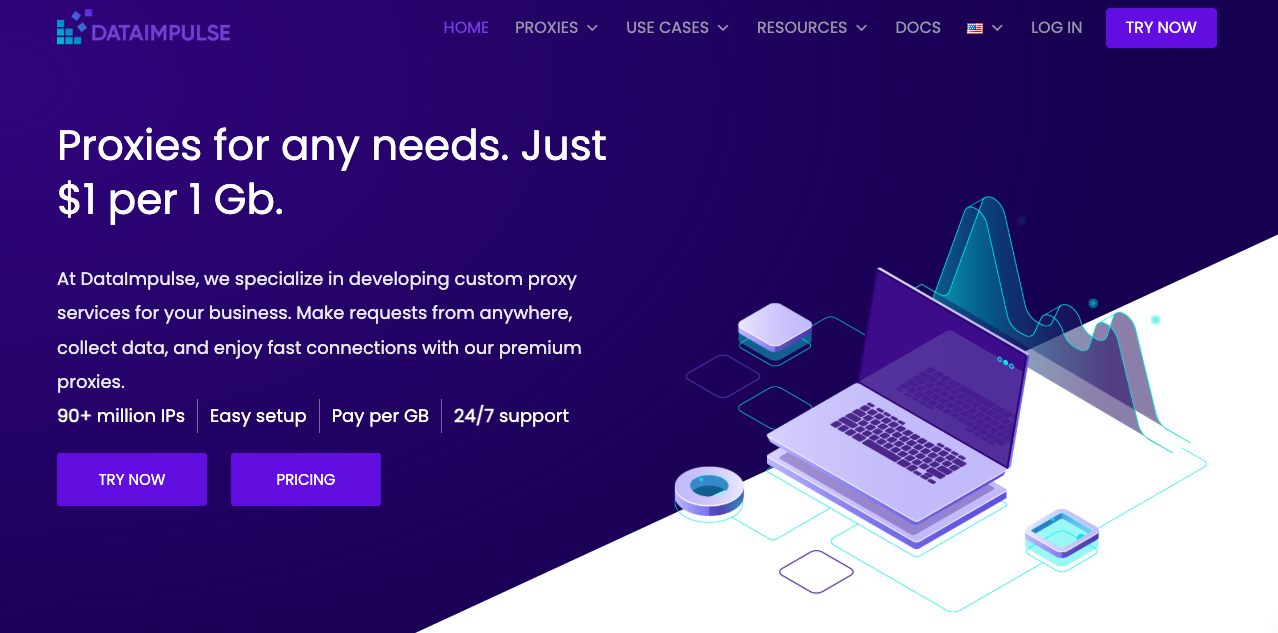
No managed tooling, no frills, one of the lowest credible per-GB rates available, with no monthly minimum.
Key features:
90M+ IPs across 195 countries
$1/GB residential, $2/GB mobile proxies , both PAYG
Traffic doesn't expire
Sticky sessions plus HTTP/HTTPS/SOCKS5
Best for: budget-conscious scraping
Pros: Lowest entry cost on this list with no commitment
Cons: No managed scraping API; city/ASN targeting are paid add-ons
ProxyEmpire
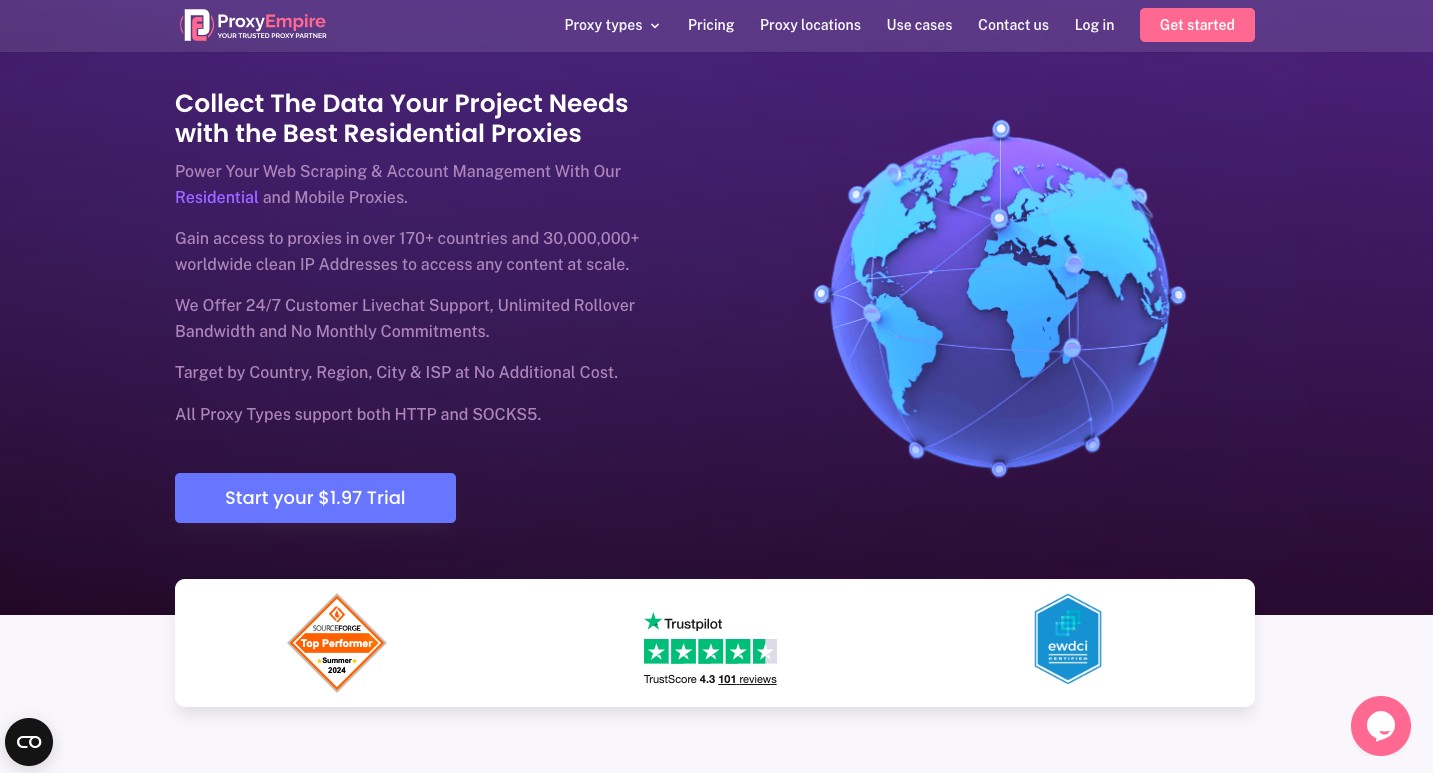
Rotating residential proxies and mobile proxies built around bandwidth that doesn't expire between billing cycles, useful for workflows that don't run on a predictable monthly volume.
Key features:
30M+ pool across
170+ countries country/city targeting
rollover bandwidth
hands-on integration support on every plan
Best for: irregular or seasonal scraping schedules
Pros: Non-expiring bandwidth; guided onboarding
Cons: Advertised entry rate is a promotional price against a higher list rate; no free trial
Rayobyte
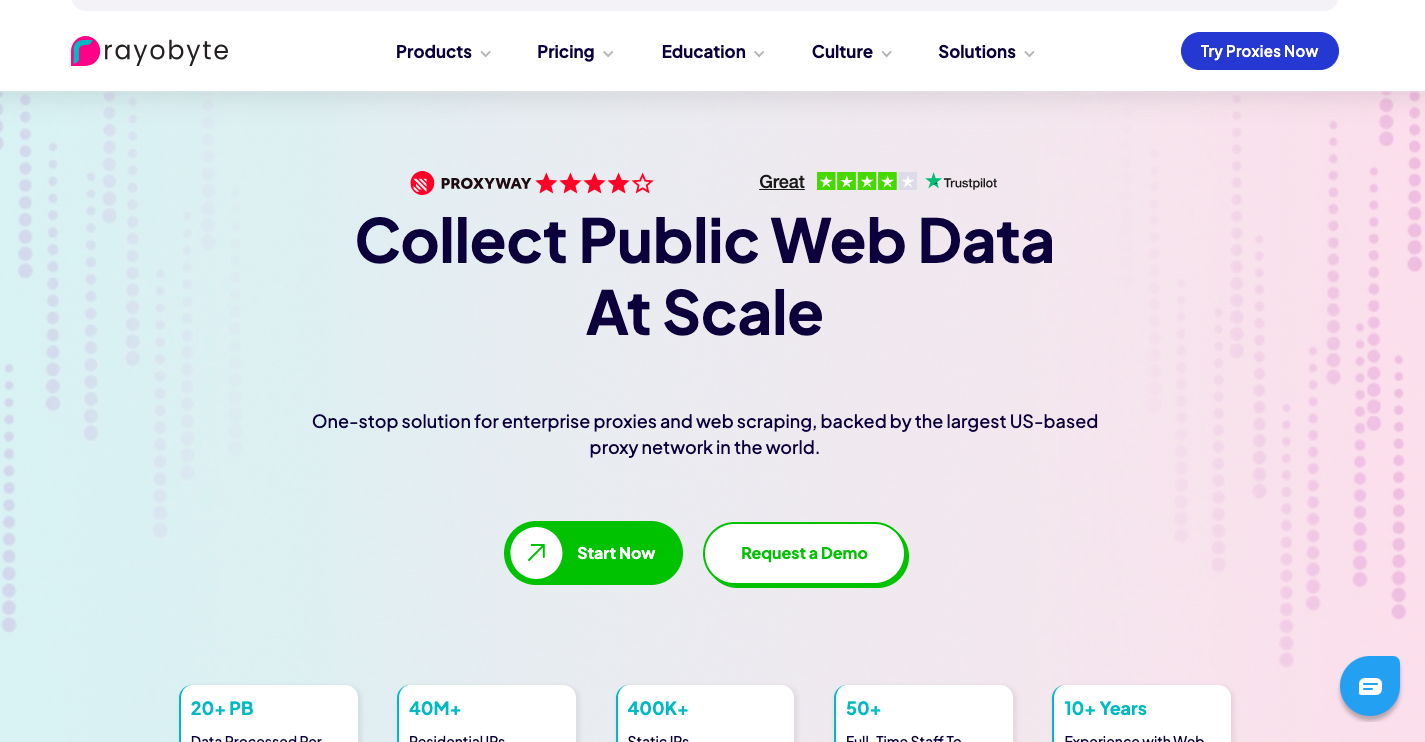
A US-based provider best known for datacenter proxies, with ISP static residential and mobile available when needed.
Key features:
Deep datacenter options
Free 50MB residential trial
Flat $3.50/GB pricing from 1-49GB, scaling down at volume
Best for: datacenter-heavy US workloads
Pros: Transparent flat-rate entry tier; strong datacenter depth
Cons: Independent testing (Proxyway) found residential speeds consistently slow, though success rates were mid-pack
Infatica
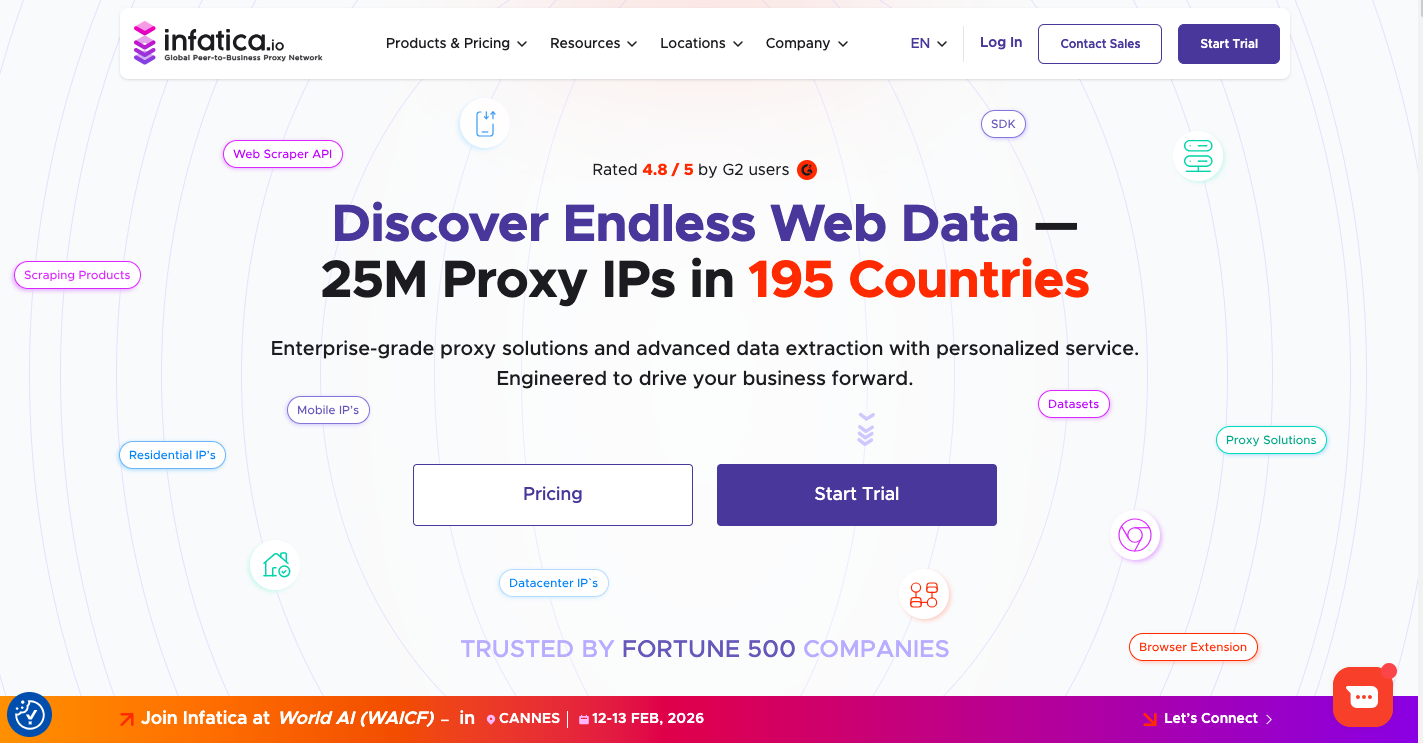
Infatica: A mid-market provider that's moved toward premium, enterprise-oriented pricing, with genuinely differentiated technical features.
Key features:
IPv6 proxies (rare in this market)
Granular geo-targeting
No free trial (7-day paid trial, $4)
Strong customer support
Best for: enterprise buyers who want IPv6 and granular targeting
Pros: IPv6 support most competitors lack
Cons: Speed outside the US is average; advertised entry pricing isn't reachable at real-world volumes
Webshare
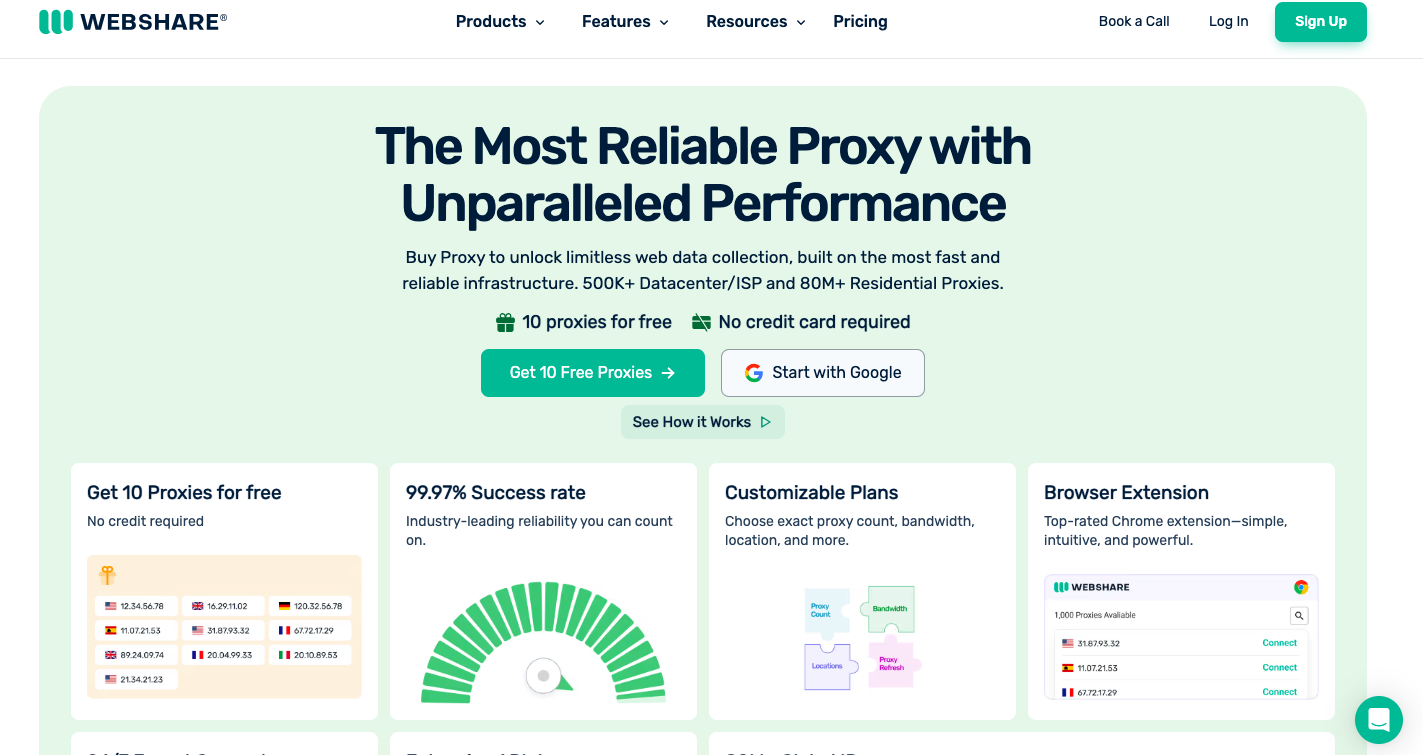
Webshare: A permanently free tier removes the barrier to trying it, the budget benchmark of the proxy industry, though residential is a newer, secondary product.
Key features:
Free tier (10 datacenter IPs, no card required)
80M+ residential IPs
Clean REST API and Python SDK
No mobile proxies.
Best for: developers testing before they scale
Pros: Genuinely free entry point; developer-friendly documentation
Cons: Weaker against hardened, social-media-fronted targets; no dedicated account management
CyberYozh vs. Decodo
CyberYozh | Decodo | |
Residential pool | 100M+ IPs, 100+ countries | 115M+ IPs, 195+ countries |
Mobile proxies | Unlimited traffic, no per-GB billing | Billed per GB, from $2.25+ |
Scraping APIs | Not a core focus | 5 dedicated scraping APIs |
Account tools | SMS verification + fraud-score checks built in | Not offered |
Compliance certification | Not published | Not held (as of late 2026) |
Free trial | None, 24hr refund window | 3-day/100MB (auto-converts to paid) |
Starting price | $2/GB | $3.50-3.75/GB entry |
Decodo wins on raw pool size and deep-coverage geography. CyberYozh wins when the job is broader than proxies alone: verification, fraud checking, and multi-account operations without stitching together separate vendors.
Which Smartproxy alternative should you choose
Choose CyberYozh if you're running multi-account, verification, or automation workflows and want proxies bundled with the tools that support them, at a lower entry cost.
Choose Oxylabs or Bright Data if you're scraping at real enterprise scale and need managed unblockers or compliance certification for procurement.
Choose SOAX if granular city/ASN targeting matters more than pool size.
Choose DataImpulse or Webshare if budget and no-commitment testing matter more than managed tooling.
Why businesses choose CyberYozh over Decodo in 2026
Startups and small teams get in at $2/GB with no volume commitment, versus Decodo's $3.50+/GB entry tier
Multi-account operators get SMS verification and fraud-score checking in the same dashboard instead of a second vendor
Mobile-heavy workflows avoid per-GB billing entirely; CyberYozh's mobile proxies are flat-rate and unlimited
Common Mistake: Choosing a Smartproxy alternative on pool size alone. Decodo's 115M+ IPs are a real advantage for deep-coverage scraping. Still, if your actual workflow is account verification and multi-accounting, a smaller pool with bundled identity tools solves more of the real problem per dollar.
Final verdict
Decodo remains a solid mid-market proxy platform; the rebrand added real capability, not just a new name. But "solid" and "the right fit for your workflow" aren't the same thing. If billing friction, a lack of compliance certification, or missing bundled account tools sent you looking for a Smartproxy alternative, CyberYozh is the strongest match for multi-account and verification-heavy work. If you're scraping at genuine enterprise scale, Oxylabs or Bright Data remain the more defensible choice.