




CyberYozh App vs Oxylabs: Compare proxy infrastructure for business workflows in 2026
Choosing a proxy provider is about more than pool size or headline pricing. Businesses running web scraping, AI data collection, automation, advertising, SEO monitoring, and multi-account management need infrastructure that scales with their workload, without paying enterprise rates for features they don't use.
Oxylabs is one of the most established names in the proxy and web-scraping industry, known for its large advertised IP pool and strong independent benchmark results. CyberYozh App takes a different approach: instead of positioning as a pure enterprise scraping platform, it combines real mobile LTE/5G, Residential ISP, Rotating Residential, and datacenter proxies with SMS activation, fraud risk checks, and fingerprint management in one operational ecosystem, at pricing built for teams of any size, not just enterprise budgets.
In this comparison, we'll look at proxy infrastructure, pricing, IP quality, traffic models, and business use cases to help you decide which platform fits your workflow in 2026.
CyberYozh App vs. Oxylabs: Proxy infrastructure (Which platform fits your budget?)
CyberYozh App is built around a complete proxy infrastructure that lets businesses match the right proxy to every workflow: real mobile LTE/5G, Residential ISP, Rotating Residential, and dedicated datacenter proxies from one platform, with unlimited traffic on mobile and ISP lines and pay-as-you-go rollover on rotating residential.
Oxylabs offers a comparable range of proxy types, plus Scraper APIs and a Web Unblocker, backed by a larger advertised residential pool (100M+ IPs across 195 locations) and city- and ZIP-level targeting. The trade-off is pricing: Oxylabs is structured around enterprise commitment tiers, and its most competitive per-GB rates only apply at higher monthly spend levels.
CyberYozh App vs. Oxylabs: Real mobile LTE/5G proxies (Which solution fits trust-sensitive workflows?)
CyberYozh App provides real carrier-based LTE/5G proxies with unlimited traffic from $1.70/day, manual or API-based IP rotation, and the ability to change OS fingerprints between Windows, Android, and macOS/iOS, built for social media management, advertising, and account registration where network authenticity matters.
Oxylabs' mobile proxies are also sourced from real devices and deliver strong uptime (99.9%), but they charge $9/GB for bandwidth, don't offer an unlimited-traffic tier, and don't include OS fingerprint switching. For high-volume, always-on mobile workflows, the cost gap compounds quickly.
CyberYozh App vs. Oxylabs: Residential proxies (Which network fits more business use cases?)
CyberYozh App offers two residential solutions: Residential ISP proxies for static IPs and unlimited-traffic long sessions, and Rotating Residential proxies covering 100M+ IPs across 100+ countries with traffic rollover and a 99.8% average operational success rate, priced from $0.90/GB.
Oxylabs' residential pool is larger on paper (100M+ IPs, 195 locations) and offers more granular targeting down to the ZIP code level, which genuinely benefits hyper-local SEO and ad verification use cases. But standard pay-as-you-go pricing runs around $8/GB, and the lowest per-GB rates require committing to plans priced from hundreds to thousands of dollars a month.
CyberYozh App vs. Oxylabs: Managing long-running sessions without interruptions
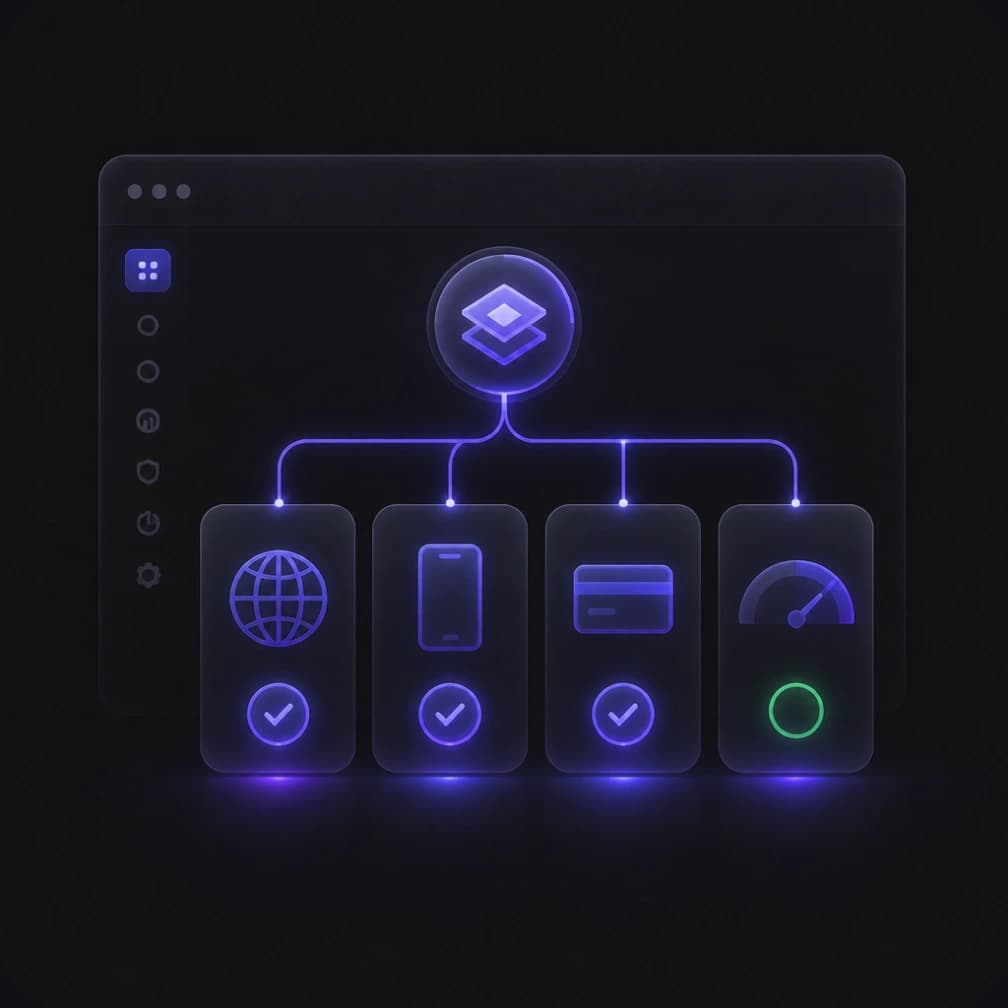
CyberYozh App is designed for uninterrupted, long-running operations, monitoring search results, managing accounts, or running automation continuously, by matching proxy type to workload without forcing a single traffic model on every task.
Oxylabs supports long sessions with sticky IP options and reports strong success rates (96%+ over 30 days in independent 90-day testing). The difference shows up in cost predictability: Oxylabs' GB-based billing on long, continuous sessions can scale more expensive faster than CyberYozh's unlimited-traffic mobile and ISP tiers.
CyberYozh App vs. Oxylabs: Building reliable workflows with high-quality IPs
CyberYozh App prioritizes IP quality through continuous filtering and fraud-risk checks across private pools, aiming to reduce failed requests and downtime in scraping, automation, and advertising workflows.
Oxylabs has a strong, independently verified track record here. Oxylabs had the highest number of unique IPs in the global pool, with its IPs scoring well on fraud-detection checks. For enterprise teams where IP quality at massive scale is the top priority, this is a legitimate reason to consider Oxylabs.
CyberYozh App vs. Oxylabs: Running high-volume automation efficiently
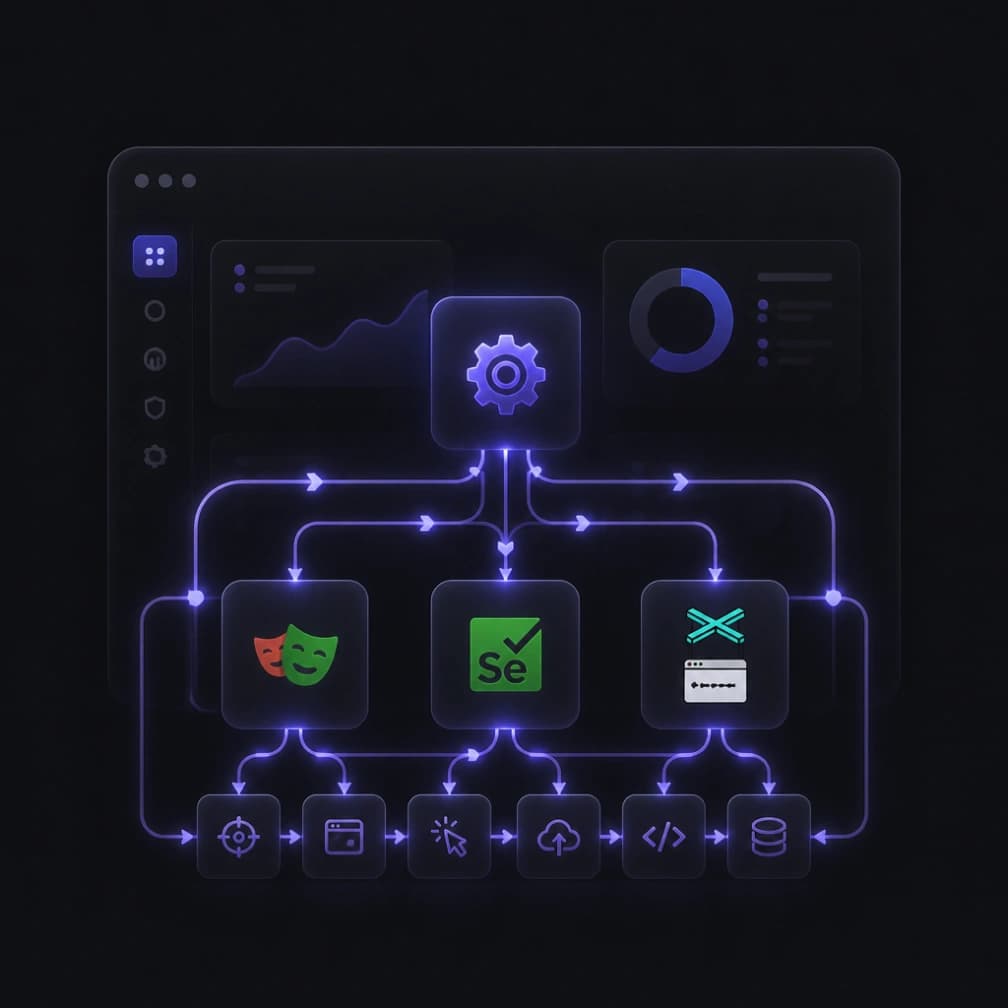
CyberYozh App supports automation at scale across mobile, Residential ISP, Rotating Residential, and datacenter proxies, with full API access and compatibility with Playwright, Puppeteer, Selenium, Scrapy, and Postman.
Oxylabs' Web Scraper API and Web Unblocker are purpose-built for developer-heavy automation pipelines and include extensive documentation. Entry pricing for the Scraper APIs starts at $49/month, but per-result costs climb on the plans needed for serious throughput.
CyberYozh App vs. Oxylabs: Web scraping & AI data collection
CyberYozh App lets businesses choose the proxy type best suited to web scraping, AI training data, SERP collection, and market research, with Rotating Residential proxies offering full API access and traffic rollover for long-running collection projects.
Oxylabs markets itself heavily around AI training data pipelines, including multimodal data collection at scale, and its scraper infrastructure is proven at enterprise volume. For teams running smaller or mid-size data collection projects, though, Oxylabs' per-GB and per-result costs are a meaningfully larger line item than CyberYozh's flat-rate and rollover pricing.
CyberYozh App vs. Oxylabs: SEO & market research
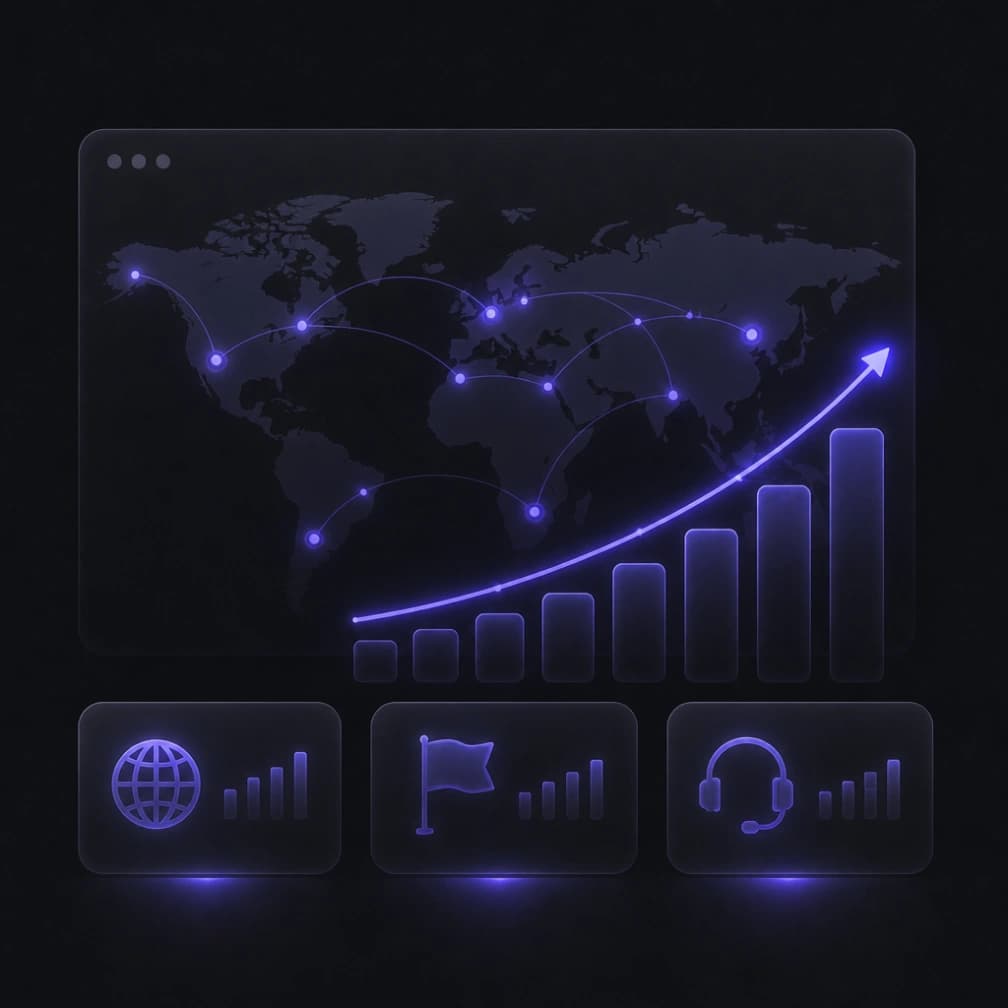
CyberYozh App enables localized search result collection, rank validation, and regional market monitoring across its proxy network, at country- and region-level targeting.
Oxylabs' city-, state-, and ZIP-level targeting is a real advantage for hyper-local SEO work, such as tracking rankings block by block in specific markets. Businesses that need that level of geographic precision may find Oxylabs worth the premium; those working at country or regional granularity get the same practical outcome from CyberYozh at a fraction of the cost.
CyberYozh App vs. Oxylabs: Digital marketing & media buying
CyberYozh App is built for advertising teams managing campaigns across regions and platforms, with real mobile LTE/5G proxies that support campaign validation and account-based advertising, as well as SMS activation and fraud checks within the same ecosystem.
Oxylabs supports ad verification and brand protection use cases well, but doesn't bundle SMS activation, virtual cards, or fraud score checking; teams need a separate vendor for those parts of the workflow.
CyberYozh App vs. Oxylabs: E-commerce operations
CyberYozh App helps e-commerce businesses monitor competitors, validate storefronts, and manage multiple marketplace accounts across different proxy environments.
Oxylabs is widely used for large-scale price monitoring and marketplace data collection, backed by its scraper API infrastructure. For businesses also managing multi-account marketplace operations (not just data collection), CyberYozh's bundled fingerprinting and fraud-detection tooling covers more of the workflow on a single platform.