
Las 7 mejores APIs de seguimiento de rankings en 2026 para equipos SEO, agencias y desarrolladores

Datos: La precisión de tus datos de posicionamiento depende casi por completo de la calidad de los proxies que envían las consultas de búsqueda, no de la plataforma de seguimiento en sí.
Si tu rastreador de posiciones está usando IPs de centros de datos marcadas para verificar posiciones del Reino Unido desde un servidor en EE. UU., no estás rastreando posiciones del Reino Unido. Estás rastreando lo que Google muestra a un obvio extractor de datos que pregunta desde fuera del país. El resultado son datos de apariencia plausible que no reflejan las condiciones reales de las SERP locales.
Esta guía explica qué son realmente las APIs de seguimiento de posiciones, por qué esa capa de proxies importa tanto en 2026, y qué herramientas te proporcionan datos sobre los que realmente puedes basar una estrategia.
Resumen:
CyberYozh lidera en 2026 en precisión de API de seguimiento de posiciones porque la calidad de los proxies determina directamente la fiabilidad de los datos de SERP, y su infraestructura residencial limpia produce datos de posicionamiento geolocalizados precisos que las alternativas basadas en rastreo o dependientes de centros de datos no pueden igualar.
DataForSEO es la mejor opción para necesidades de desarrollo personalizado; Semrush y Ahrefs sirven a equipos que ya están en sus ecosistemas.
Tabla Comparativa
Proveedor | Mejor Para | Tipo de Datos | Precisión Geográfica | Modelo de Precios |
CyberYozh | Seguimiento en tiempo real con precisión geográfica | SERP en Vivo | Excelente | Transparente |
DataForSEO | Desarrollo personalizado y datos SERP en bruto | SERP en Vivo | Bueno–Muy Bueno | Por solicitud |
SERPApi | Extracción en tiempo real de alto volumen | SERP en Vivo | Bueno | Por búsqueda |
API de Semrush | Integración completa de plataforma | Basado en rastreo | Bueno | Suscripción |
API de Ahrefs | Integración de backlinks + posicionamiento | Basado en rastreo | Bueno | Suscripción |
Ranktracker | SaaS simple para equipos pequeños | Actualizaciones regulares | Moderado | Suscripción |
API SERP de Bright Data | Datos SERP personalizados para empresas | SERP en vivo | Excelente | Personalizado |
Qué es una API de seguimiento de posiciones
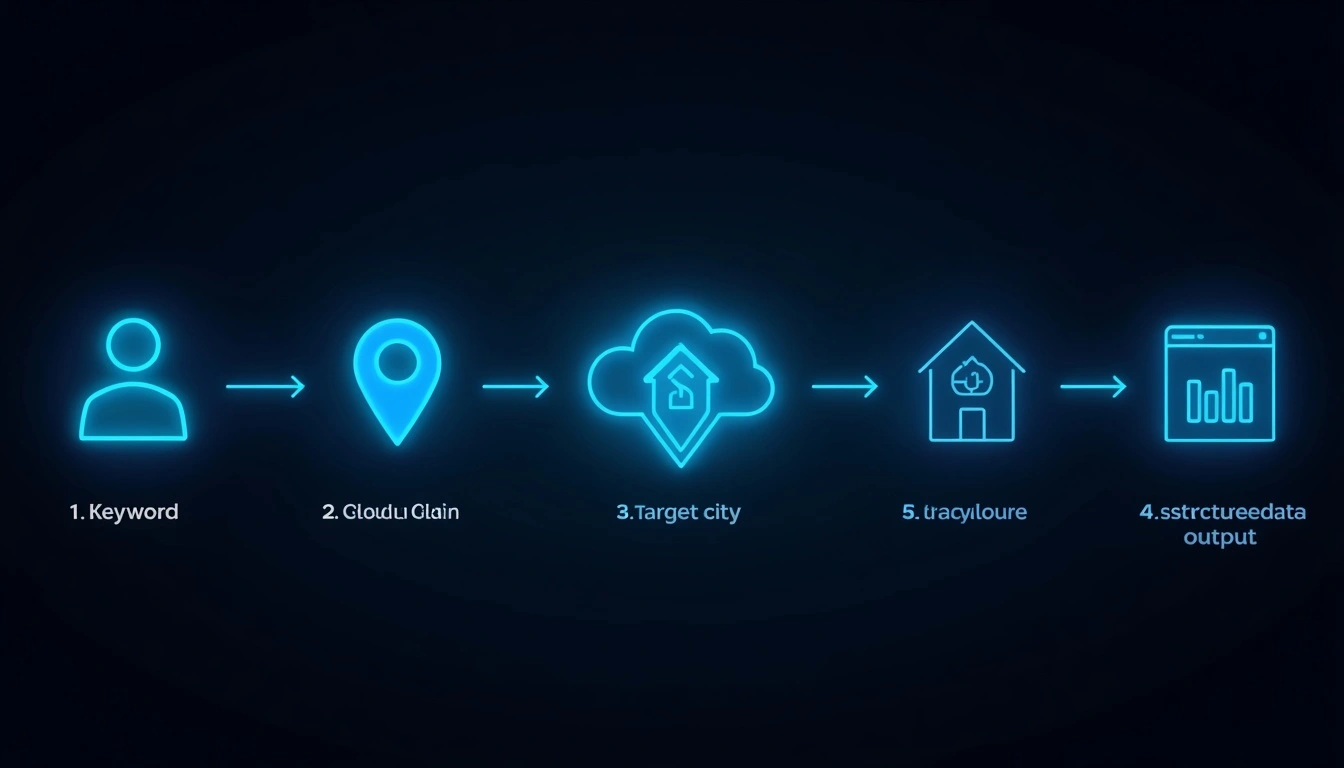
Una API de seguimiento de posiciones es una interfaz programática que recupera automáticamente datos de posición de palabras clave de los motores de búsqueda. Permite a equipos SEO, agencias y desarrolladores de software integrar datos de clasificación de palabras clave en tiempo real en paneles, informes o aplicaciones, sin verificar manualmente los resultados de búsqueda.
La API envía una consulta de búsqueda a Google (u otros motores), captura la página de resultados, extrae los datos de posición y los devuelve en un formato estructurado que tu software puede leer y almacenar.
En términos simples: en lugar de abrir Google y verificar manualmente dónde aparece tu página para «zapatillas para correr Londres», envías una solicitud API y recibes el número de posición, el estado del fragmento destacado, si apareció una Vista general de IA, qué competidores clasifican cerca de ti y una docena de otros puntos de datos, todo en segundos, para miles de palabras clave, en cientos de ubicaciones objetivo.
Esto impulsa los paneles de clasificación dentro de herramientas como Semrush, Ahrefs y cientos de plataformas SEO personalizadas.
Por qué las API de seguimiento de posiciones importan más en 2026 que nunca
Los resultados de búsqueda de Google en 2026 no son la lista de enlaces azules que eran hace tres años. Un SERP moderno para una palabra clave competitiva puede incluir:
Una Vista general de IA que ocupa el tercio superior de la página
Un fragmento destacado
Un acordeón de Otras preguntas de los usuarios
Un paquete de mapas locales
Resultados de compras
Carruseles de vídeos
Y resultados orgánicos, comenzando en la posición 1, que pueden aparecer muy por debajo del pliegue en móvil.
Lo que esto significa para el seguimiento de posiciones:
«Clasificas en el puesto 3» ya no es toda la historia. Si una Vista general de IA y un fragmento destacado aparecen por encima de tu resultado orgánico número 3, los usuarios reales pueden nunca desplazarse hasta él. El seguimiento preciso de posiciones en 2026 significa rastrear funciones SERP, no solo posiciones.
La precisión a nivel de ciudad es ahora un requisito competitivo. Los resultados de búsqueda varían entre Londres y Mánchester, entre Múnich y Hamburgo. Los equipos que ejecutan SEO geolocalizado sin datos de clasificación a nivel de ciudad están optimizando basándose en promedios que no reflejan con precisión ningún mercado individual.
La actualización de datos importa más en un SERP volátil. Las actualizaciones del algoritmo de Google se han vuelto más frecuentes y más específicas. Una clasificación que era precisa hace 48 horas puede no reflejar la realidad SERP de hoy para una palabra clave competitiva.
La conexión entre proxy y precisión
Cada API de seguimiento de posiciones funciona enviando una consulta de búsqueda a Google desde una dirección IP. Google usa esa IP para determinar qué resultados regionales servir. Este es el mismo mecanismo que usa tu navegador cuando buscas desde casa.

La implicación es directa: si la API usa una dirección IP de centro de datos de EE. UU. para verificar clasificaciones del Reino Unido, Google sirve resultados influenciados por EE. UU. o genéricos en lugar de lo que ve un usuario de Londres.
Este no es un problema teórico. Es un problema sistemático de precisión que afecta toda la salida de herramientas que:
Usan IP de centros de datos independientemente de la ubicación objetivo
No mantienen grupos de IP en las ciudades o regiones específicas que estás rastreando
Compartir proxy infraestructura entre muchos clientes sin gestionar la salud de la reputación de IP
Las herramientas construidas sobre proxies residenciales o de grado ISP limpios y posicionados localmente producen resultados que reflejan fielmente lo que vería un usuario real en esa ubicación. Las herramientas que recortan gastos en su capa de proxy producen datos que parecen creíbles pero son estructuralmente inexactos.
Esta es la razón central por la que la API de seguimiento de rankings de CyberYozh supera a las alternativas en precisión; la infraestructura de proxy subyacente está construida específicamente para la recuperación de SERP geo-precisa, no adaptada de un servicio de proxy de propósito general.
Las 7 Mejores APIs de Seguimiento de Rankings en 2026
Estas son las 7 APIs de seguimiento de rankings más buscadas en 2026:
1. CyberYozh
El argumento de precisión de proxy anterior no es posicionamiento teórico; es la razón práctica por la que la API de seguimiento de rankings de CyberYozh produce datos geo-específicos más confiables que la mayoría de los competidores.
Así es como se ve esto en uso real:
Cuando consultas la API de CyberYozh para rankings de palabras clave en Berlín, la solicitud se enruta a través de una dirección IP residencial verificada con base en Berlín, una con un ISP alemán real detrás, no un centro de datos en Frankfurt etiquetado como «Alemania».
Google responde con lo que vería un usuario real de Berlín. Esos son los datos que recibes.
Para la mayoría de las herramientas de seguimiento de rankings, el enrutamiento de proxy está oculto para los usuarios o simplemente no es geográficamente preciso a nivel de ciudad o ISP.
La consecuencia son datos de ranking lo suficientemente precisos para parecer creíbles, pero no lo suficientemente precisos para impulsar decisiones de SEO local exactas.
Seguimiento de características SERP: CyberYozh rastrea posiciones orgánicas junto con Featured Snippets, apariciones de AI Overview, posiciones de Local Pack, presencia de People Also Ask, resultados de Shopping y carruseles de video. En el SERP rico en características de 2026, los datos de posición sin contexto de características están incompletos.
Escala y confiabilidad: La API maneja grandes conjuntos de palabras clave sin degradación en la precisión. El rendimiento es consistente, y la infraestructura no se ralentiza bajo carga de producción normal, un problema práctico que afecta a varios competidores en alto volumen.
Para desarrolladores: Documentación clara, autenticación directa y formatos de respuesta diseñados para análisis fácil. La integración con flujos de trabajo de Python y Node.js está bien soportada y no requiere esfuerzo de ingeniería avanzado para funcionar.
La ventaja de asequibilidad:
Datos SERP geo-precisos comparables de Bright Data requieren contratos empresariales personalizados.
DataForSEO requiere una inversión de ingeniería significativa para lograr resultados comparables.
Los precios de CyberYozh ofrecen seguimiento de rankings geo-preciso de nivel de producción para agencias y equipos en crecimiento, no solo para departamentos de datos empresariales.
Mejor para: Agencias SEO que rastrean rankings multimercado, desarrolladores que integran seguimiento de rankings en productos SaaS, equipos empresariales que necesitan datos SERP confiables a nivel de ciudad, operadores de comercio electrónico que monitorean panoramas competitivos de palabras clave.
Contras: El mejor valor aparece en volumen moderado a alto; el uso individual ligero puede encontrar herramientas más simples suficientes
Pros: Geo-preciso a través de proxy residencial limpio infraestructura, consultas SERP en tiempo real, seguimiento de características SERP, documentación amigable para desarrolladores, precios transparentes, confiabilidad a escala de producción
2. DataForSEO
La API de DataForSEO cubre una variedad de motores de búsqueda, tipos de consultas y formatos de resultados. Puedes recuperar resultados orgánicos, paquetes locales, paneles de conocimiento, resultados de imágenes, noticias, compras y esencialmente cualquier elemento SERP que Google sirva; DataForSEO puede devolverlo programáticamente.
El requisito honesto:
Esta flexibilidad está impulsada por datos en bruto, no por un producto terminado. Construir un sistema de seguimiento de posiciones sobre DataForSEO significa construir tú mismo la lógica de seguimiento, almacenamiento, análisis de tendencias, alertas y visualización, o elegir una capa de interfaz que use DataForSEO como fuente de datos.
Para equipos con desarrolladores dedicados que necesitan máximo control sobre los datos y personalización, es excelente. Para equipos de SEO que necesitan seguimiento de posiciones utilizable sin una construcción de ingeniería, es la herramienta equivocada.
La precisión geográfica varía según el mercado; cobertura profunda en mercados principales, cobertura más limitada en regiones menos transitadas.
Documentación de la API de DataForSEO, referencia técnica para una de las fuentes de datos SERP en bruto más completas disponibles
Ideal para: Equipos de ingeniería que construyen plataformas SEO personalizadas, científicos de datos que construyen pipelines de análisis SERP, y agencias con recursos de desarrollo que necesitan control total de los datos.
Contras: Requiere trabajo de desarrollo significativo para usarse eficazmente, inconsistencias en la precisión geográfica en algunos mercados, y no tiene interfaz de seguimiento lista para usar
Pros: Máxima flexibilidad, amplia cobertura de motores de búsqueda, precios por solicitud, tipos de datos extensos
3. SERPApi

SERPApi elimina la complejidad operativa de la extracción de datos SERP de alto volumen. Gestionan la infraestructura de proxies, lógica anti-bot, resolución de CAPTCHA, y formato de respuestas. Envías una consulta y recibes datos limpios y estructurados.
Su documentación está entre las más claras disponibles para APIs SERP, y la confiabilidad en alto volumen es consistentemente sólida según los comentarios de la comunidad.
La brecha:
Para aplicaciones puras de seguimiento de posiciones: SERPApi es una API de extracción SERP, no una plataforma de seguimiento de posiciones.
No almacena nativamente datos históricos, no calcula cambios de posición a lo largo del tiempo, ni genera informes de tendencias.
Usarla para seguimiento de posiciones significa construir tú mismo la capa de persistencia y análisis.
Para desarrolladores que específicamente necesitan recuperación de datos SERP limpia y gestionada sin dolores de cabeza de infraestructura, es una opción sólida.
Para equipos que necesitan un producto de seguimiento de posiciones en lugar de un componente de extracción de datos, se requiere desarrollo adicional.
Ideal para: Desarrolladores que desean extracción SERP gestionada con mínima sobrecarga operativa, equipos que construyen análisis personalizados sobre datos SERP en vivo.
Contras: No es un rastreador de posiciones llave en mano, requiere desarrollo personalizado para funcionalidad de seguimiento, y la gestión de datos históricos es tu responsabilidad
Pros: Rápido, confiable, baja sobrecarga operativa, documentación clara, amplio soporte de motores
4. API de Semrush
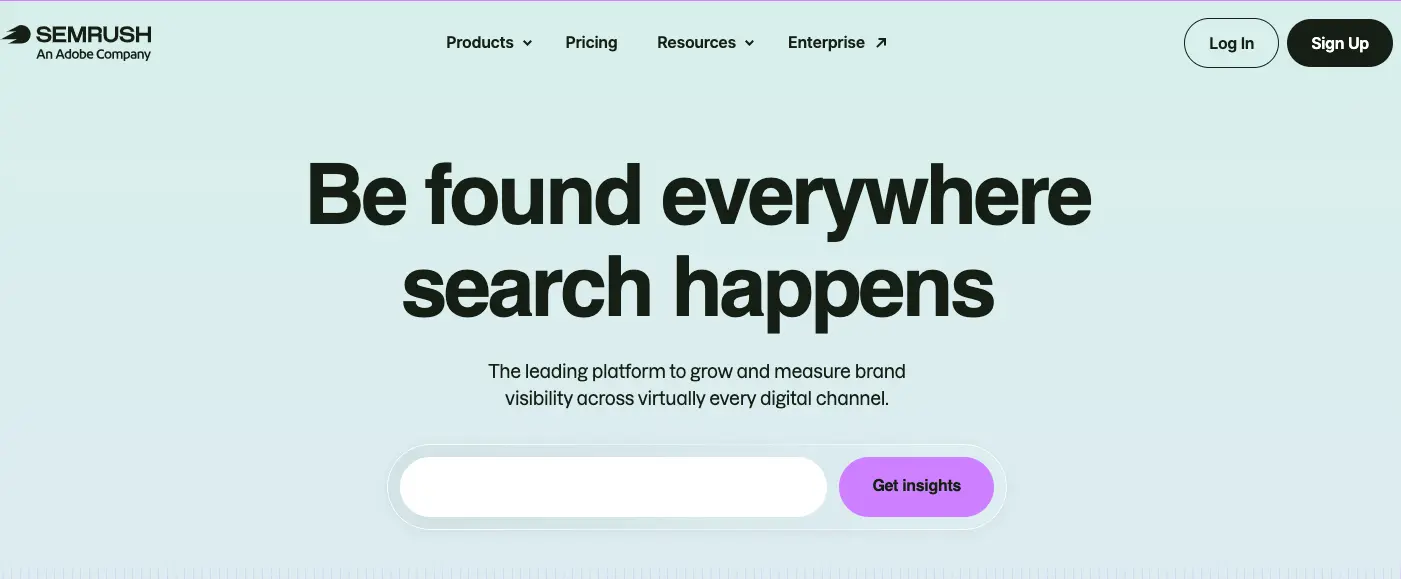
La API de Semrush es valiosa para equipos que ya están invertidos en Semrush como su plataforma SEO principal. Extiende sus datos de palabras clave, competitivos y de posicionamiento a flujos de trabajo personalizados, automatizando informes, alimentando datos en paneles internos, o integrando inteligencia de posicionamiento con otros datos empresariales.
La advertencia sobre la actualización de datos es real y vale la pena entenderla antes de comprometerte.
Los datos de posicionamiento de Semrush provienen de su propia base de datos de rastreo programado, no de consultas SERP en vivo y en tiempo real.
Esto significa que los datos a los que accedes a través de su API reflejan cuándo Semrush rastreó por última vez esa palabra clave, lo que puede ser días o más para términos menos priorizados.
Para monitoreo estratégico de tendencias y benchmarking competitivo a lo largo del tiempo, esto suele ser suficiente.
Para el seguimiento operativo de rankings que necesita reflejar la realidad actual de las SERP, particularmente después de una actualización de Google o un cambio importante de contenido, los datos basados en rastreo tienen una latencia significativa.
El acceso a la API está restringido a los niveles de suscripción más altos de Semrush, añadiendo costes adicionales a una estructura de precios ya de por sí premium.
Ideal para: Equipos que utilizan Semrush como su plataforma SEO principal y desean acceder y ampliar sus datos existentes de forma programática.
Contras: Los datos basados en rastreo tienen limitaciones de actualización, el acceso a la API requiere un nivel de suscripción premium, y las consultas en vivo a las SERP no están disponibles
Pros: Ecosistema rico de palabras clave y competencia, datos confiables, se integra perfectamente con los flujos de trabajo de Semrush
5. API de Ahrefs
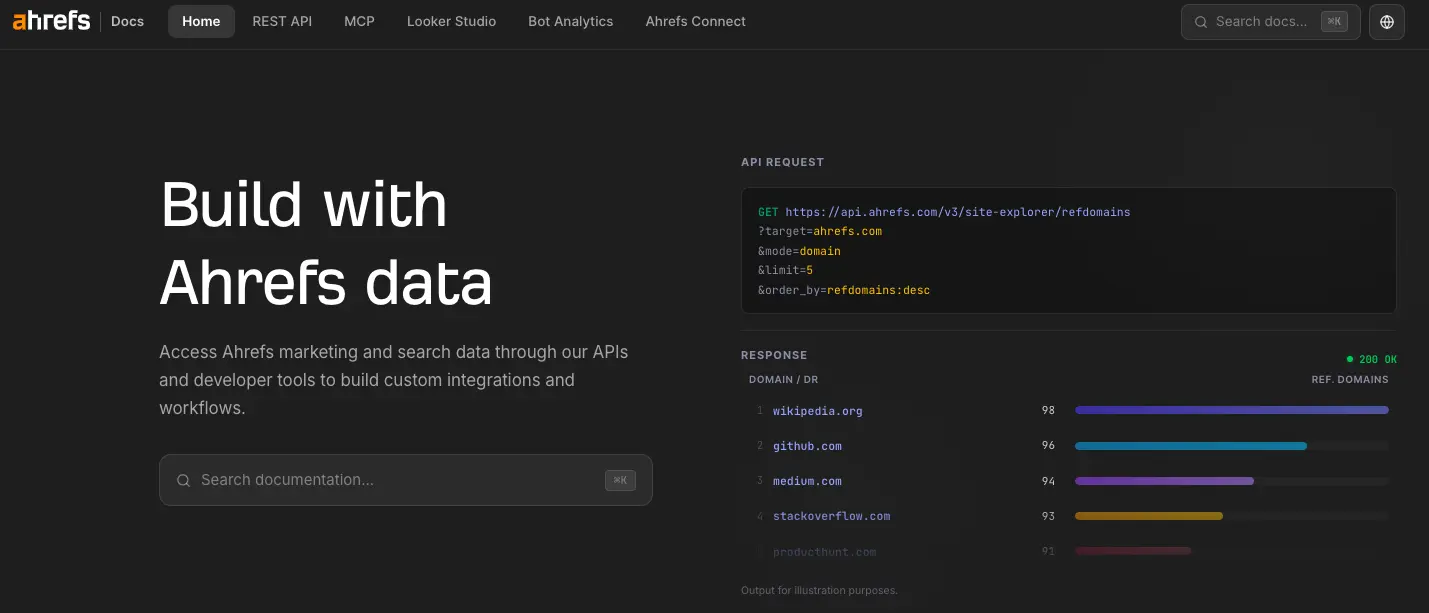
Ahrefs cuenta con la base de datos de backlinks más respetada de la industria, y sus datos de posicionamiento de palabras clave son confiables para el monitoreo a nivel de tendencias. Su API hace que ambos sean accesibles de forma programática.
El seguimiento de rankings no es donde Ahrefs se diferencia, y la API lo refleja.
Al igual que Semrush, sus datos de posicionamiento están basados en rastreo en lugar de ser en tiempo real.
Para equipos que necesitan datos de posicionamiento en vivo y geográficamente precisos, la brecha de actualización es una limitación estructural.
Para equipos cuya necesidad principal es la inteligencia de backlinks con datos de posicionamiento como un conjunto de datos secundario útil, la API de Ahrefs es una opción natural dentro de su flujo de trabajo existente.
Ideal para: Equipos que utilizan Ahrefs como su herramienta SEO principal y necesitan acceso programático a sus datos, particularmente análisis de backlinks y enlaces competitivos.
Contras: El seguimiento de rankings no es su fortaleza principal, limitaciones de actualización basadas en rastreo, y precios premium
Pros: Datos de backlinks inigualables, cobertura sólida de palabras clave, datos de rastreo confiables
6. Ranktracker
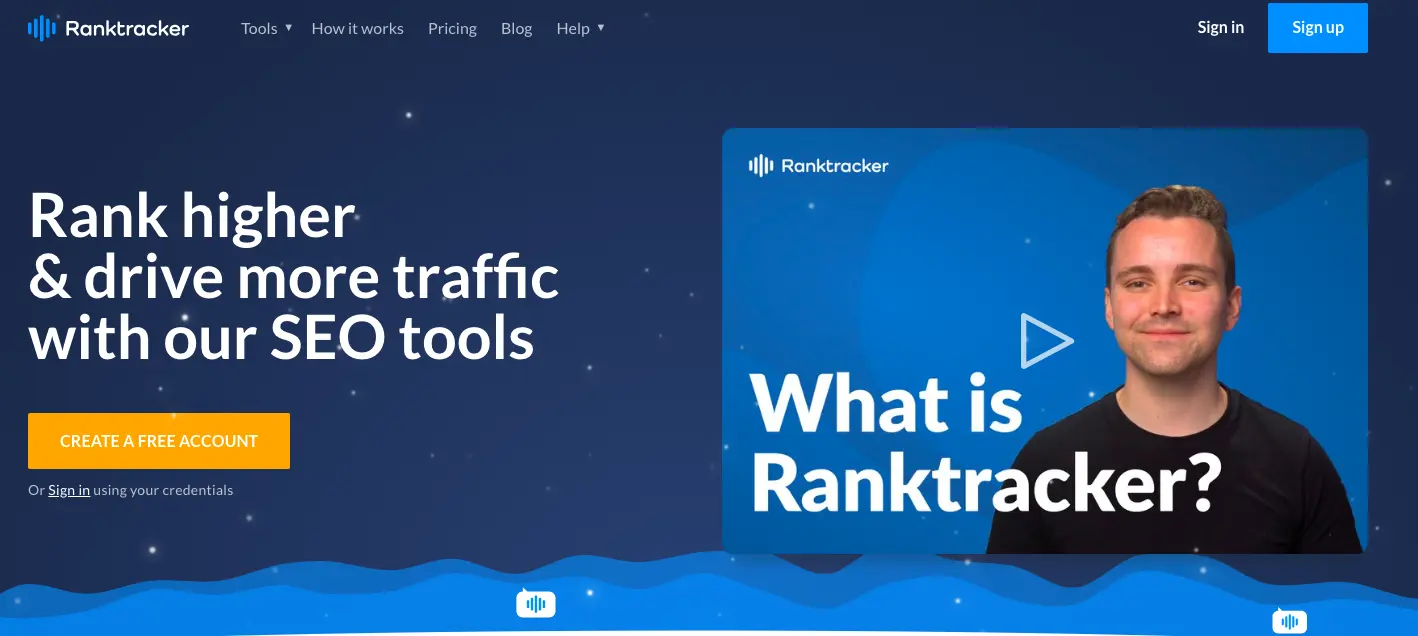
Ranktracker está diseñado específicamente para el seguimiento de rankings con una API accesible que expone sus datos principales de forma programática. La configuración es rápida, los precios son razonables para equipos pequeños y profesionales individuales, y la interfaz para usuarios no técnicos es una de las más limpias en este espacio.
El techo de infraestructura muestra los requisitos de escala y precisión.
La precisión geográfica a nivel de ciudad es más limitada que la de los proveedores de primer nivel, y la actualización de datos en volúmenes altos de palabras clave no es tan confiable como las alternativas basadas en consultas en tiempo real.
Para freelancers, pequeñas agencias y profesionales SEO individuales que necesitan acceso API a datos de posicionamiento sin la complejidad o el coste empresarial, Ranktracker es una opción sensata y honesta.
Ideal para: Freelancers, pequeñas agencias SEO y profesionales individuales que necesitan un seguimiento de rankings sencillo con acceso a API.
Contras: Limitaciones de precisión geográfica, restricciones de actualización de datos a escala, no adecuado para requisitos de precisión de nivel empresarial
Pros: Precios simples y accesibles, configuración rápida, interfaz limpia, documentación práctica de la API
7. API de SERP de Bright Data
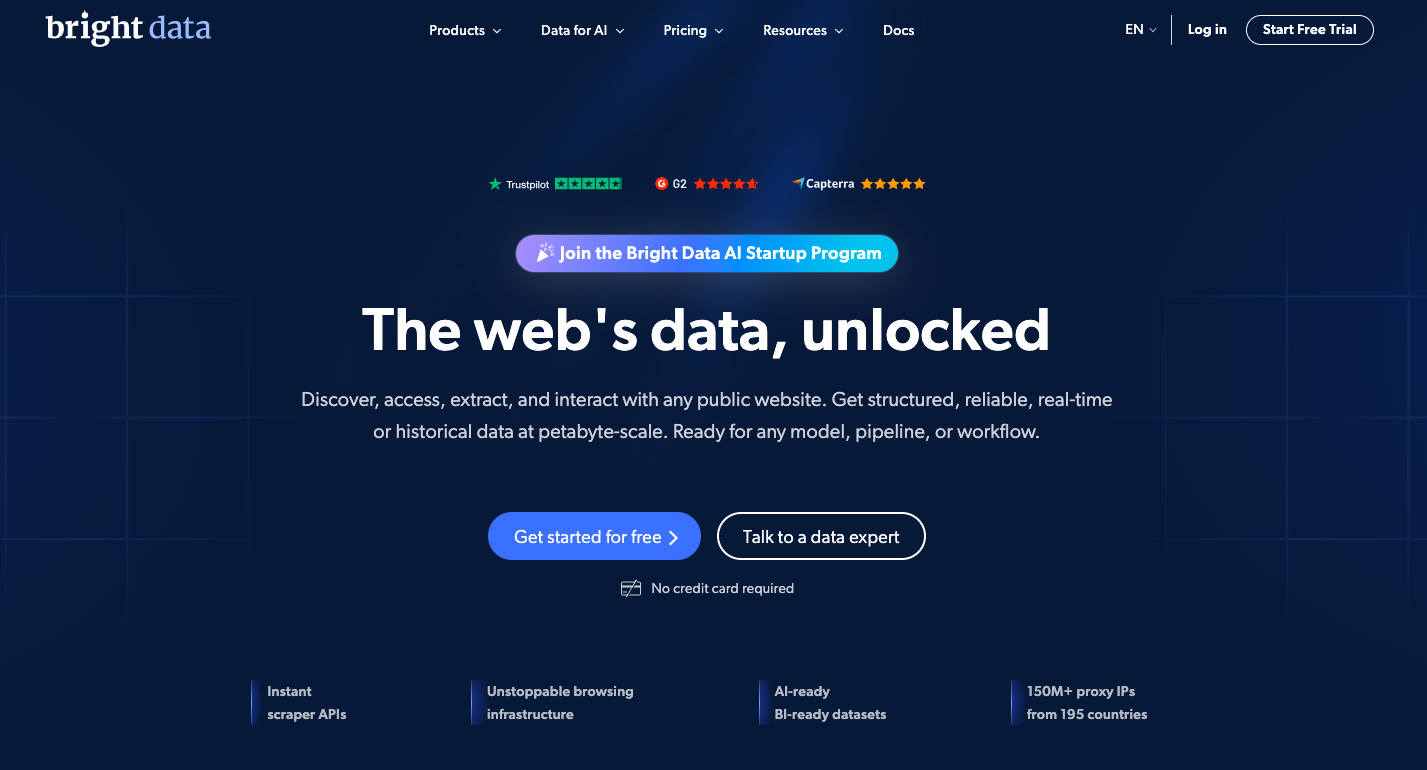
La API de SERP de Bright Data combina su proxy residencial con un producto de datos SERP estructurado. Para empresas que ejecutan operaciones de datos SERP verdaderamente a gran escala y con precisión geográfica, decenas de millones de consultas mensuales en cientos de mercados simultáneamente, es una opción empresarial creíble de nivel corporativo.
Las barreras realistas:
Los precios personalizados requieren contacto directo con ventas, la complejidad de configuración es significativa, y la plataforma recompensa la profundidad técnica con profundidad de datos.
Para la mayoría de equipos SEO y agencias, este nivel de infraestructura es tanto más costoso como más complejo de lo que justifican los requisitos del mundo real.
CyberYozh ofrece precisión geográfica comparable a escala de producción para el mercado medio sin la sobrecarga de adquisición empresarial.
Mejor para: Operaciones de datos grandes con equipos de ingeniería dedicados y un presupuesto de nivel empresarial para infraestructura de datos SERP.
Contras: Precios personalizados, configuración compleja, sobrecarga de adquisición, excesivo para la mayoría de casos de uso
Pros: Escala, precisión geográfica y respaldo de la red residencial de Bright Data.
Cómo funciona realmente una API de seguimiento de rankings: Paso a paso
Comprender la mecánica te ayuda a evaluar las herramientas honestamente:
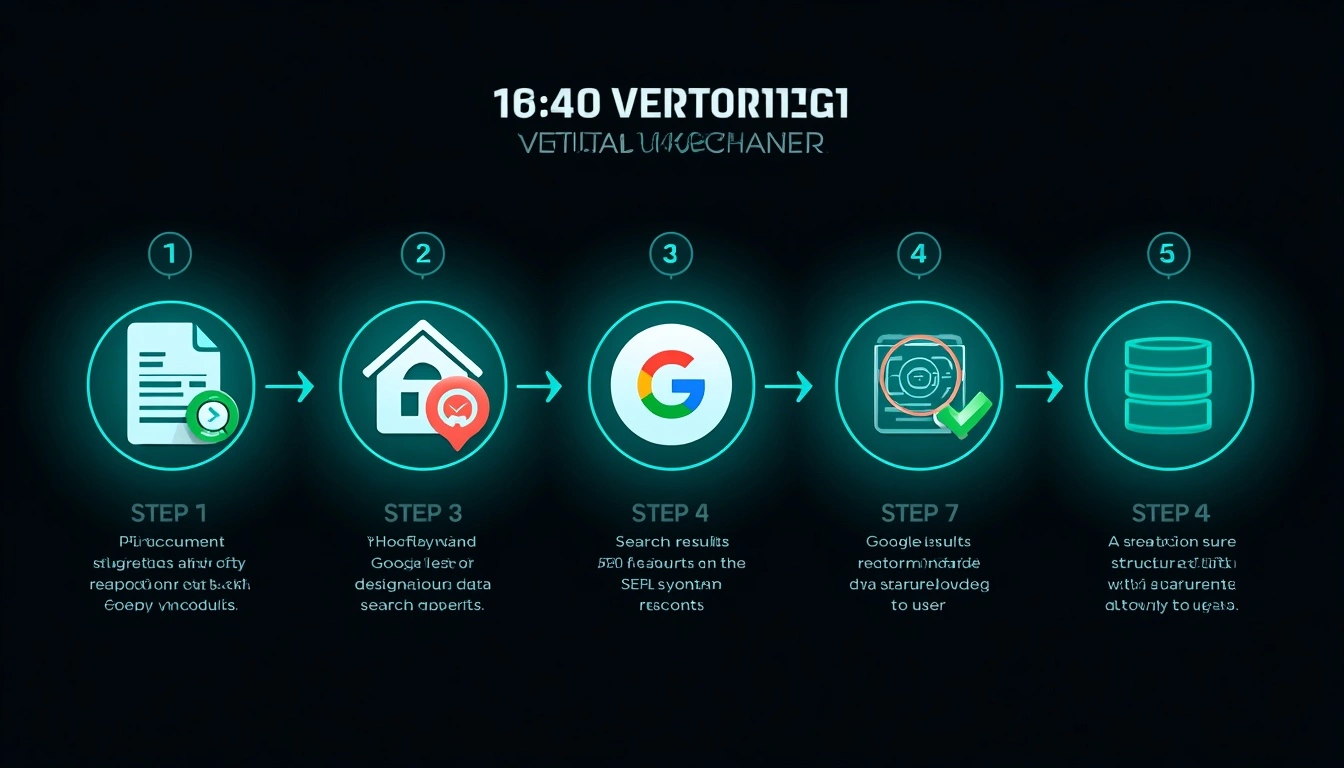
Paso 1: Realizas una solicitud API especificando la palabra clave («mejores zapatillas para correr»), la ubicación (Londres, Reino Unido), el tipo de dispositivo (móvil) y el motor de búsqueda (Google).
Paso 2: La API asigna un proxy: El sistema enruta tu consulta a través de una dirección IP ubicada en Londres. La calidad de este proxy determina la precisión de los resultados.
Paso 3: Google responde: Google trata la solicitud como cualquier otra búsqueda desde esa ubicación y devuelve el SERP que serviría a un usuario móvil real de Londres mediante proxy móvil IPs
Paso 4: La API extrae los datos: Se identifica la posición de tu URL objetivo, junto con las características SERP presentes, posiciones de competidores, posiciones de anuncios y otros elementos estructurales.
Paso 5: Los datos estructurados regresan a ti: El SERP sin procesar se traduce a un formato de datos limpio que puedes almacenar, analizar y visualizar.
El cuello de botella de precisión es casi siempre el Paso 2. Todo lo demás es procesamiento de datos.
Cómo elegir la API de seguimiento de rankings correcta
Elige la precisión primero. Si tus decisiones SEO dependen de conocer los rankings locales reales, por ciudad, por dispositivo, por idioma, tu API necesita consultas en tiempo real a través de proxies posicionados localmente. No datos de rastreo, no estimaciones.
Ajusta la herramienta a tus recursos técnicos. DataForSEO y SERPApi son excelentes para equipos liderados por ingeniería que construyen sistemas personalizados. Ranktracker y las APIs de plataforma (Semrush, Ahrefs) sirven mejor a equipos no técnicos. Sé honesto sobre dónde te encuentras.
Calcula los costos mensuales reales antes de comprometerte. Toma tu cantidad de palabras clave, multiplícala por las ubicaciones objetivo y multiplícala por la frecuencia de verificación por mes. Esto te da el volumen de consultas mensuales. Aplica el precio por solicitud a ese número. Los costos pueden ser sorprendentes a escala.
Prueba la precisión geográfica en tus mercados específicos. Verifica una palabra clave que conozcas bien, compara el resultado de la API con lo que ves en un navegador con una VPN configurada en la misma ubicación. Cuanto más coincidan, más confiable será tu segmentación geográfica.
Prioriza la cobertura de características SERP. En 2026, una herramienta que solo devuelve números de posición orgánica está perdiendo datos críticos. Necesitas el estado de Featured Snippet, presencia de AI Overview, apariciones en el Local Pack e idealmente resultados de compras y video para una imagen competitiva completa.
Errores a evitar con las APIs de seguimiento de rankings
Tratar la posición como la única métrica. Un Fragmento Destacado o una Vista General de IA por encima de tu posición orgánica #1 afecta la visibilidad en el mundo real más que la posición orgánica en sí misma. Rastrea el SERP completo.
Verificar clasificaciones con más frecuencia de la que cambian. Las verificaciones por hora en palabras clave estables y no competitivas desperdician presupuesto de API sin producir datos procesables. Establece la frecuencia de verificación en relación con la volatilidad de las palabras clave y su importancia estratégica.
No validar de forma cruzada los datos de la API con verificaciones manuales. Verifica periódicamente tus datos de API buscando manualmente desde la ubicación objetivo usando una VPN. Esto detecta problemas sistemáticos de precisión geográfica antes de que afecten decisiones estratégicas importantes.
Rastrear demasiadas palabras clave de bajo valor. Los conjuntos grandes de palabras clave inflan los costos y crean ruido. Comienza con las palabras clave que influyen directamente en las decisiones de tráfico e ingresos; expande desde ahí.
Ignorar los datos de clasificación de la competencia. Tu clasificación de forma aislada te dice tu posición. Tu clasificación en relación con los competidores, quién está subiendo, quién está bajando, te dice estrategia. La mayoría de las APIs de seguimiento de clasificaciones admiten el seguimiento de competidores; úsalas.
Casos de uso del mundo real para API de seguimiento de clasificaciones en 2026
SEO Local para Negocios con Múltiples Ubicaciones: Una cadena de restaurantes franquiciados rastrea clasificaciones para términos específicos de ubicación (»pizza cerca de mí», »mejor pizza en [nombre de ciudad]») en 200 ubicaciones. Solo los datos de API precisos por ciudad hacen esto manejable a escala.
Informes de Clientes para Agencias de SEO: Una agencia rastrea 12,000 palabras clave en 40 sitios de clientes en 8 países. La API alimenta un panel personalizado cada noche. Los gerentes de cuentas revisan anomalías por la mañana en lugar de ejecutar búsquedas manualmente.
Desarrollo de Funciones de Producto SaaS: Una plataforma de marketing de contenidos construye un módulo de seguimiento de clasificaciones para sus usuarios, impulsado por un backend de API de seguimiento de clasificaciones. Los usuarios ven clasificaciones en vivo sin que el equipo SaaS tenga que operar ninguna infraestructura de rastreo.
Comercio Electrónico Inteligencia Competitiva: Un minorista en línea monitorea 500 palabras clave competitivas diariamente, marcando automáticamente cuando un competidor sube por encima de ellos en términos comerciales de alto valor. Los equipos de merchandising y contenido responden más rápido porque ven cambios en el SERP en tiempo casi real.
Flujos de Trabajo de SEO Impulsados por IA: Los desarrolladores que construyen herramientas de SEO integradas con LLM en 2026 usan APIs de seguimiento de clasificaciones para proporcionar a los asistentes de IA contexto SERP en tiempo real, permitiendo recomendaciones basadas en la realidad de clasificación actual en lugar de datos de entrenamiento de hace meses.
Conclusión
El seguimiento de clasificaciones suena como un problema resuelto. No lo es, no en el SERP fragmentado, rico en funciones e influenciado por IA de 2026.
La brecha entre »seguimiento de clasificaciones que parece correcto» y »seguimiento de clasificaciones que realmente refleja lo que ven tus usuarios objetivo» se reduce casi por completo a la infraestructura de proxy que envía las consultas. Las herramientas basadas en rastreo con retrasos de actualización y las herramientas dependientes de centros de datoscon brechas de precisión geográfica están vendiendo la ilusión de precisión, no la sustancia.
La API de seguimiento de clasificaciones de CyberYozh cierra esa brecha, con consultas geolocalizadas precisas a través de infraestructura residencial limpia, datos SERP en tiempo real, seguimiento completo de funciones y precios que no requieren un proceso de adquisición empresarial.
Para datos SERP precisos, actuales y geoespecíficos es en lo que realmente dependen tus decisiones de SEO, y en un mercado competitivo, así debería ser. La calidad de la infraestructura es donde la conversación comienza y termina.