
OnlyFans Fan Scrape: Nó là gì, cách hoạt động và các phương án thay thế năm 2026
TÓM TẮT
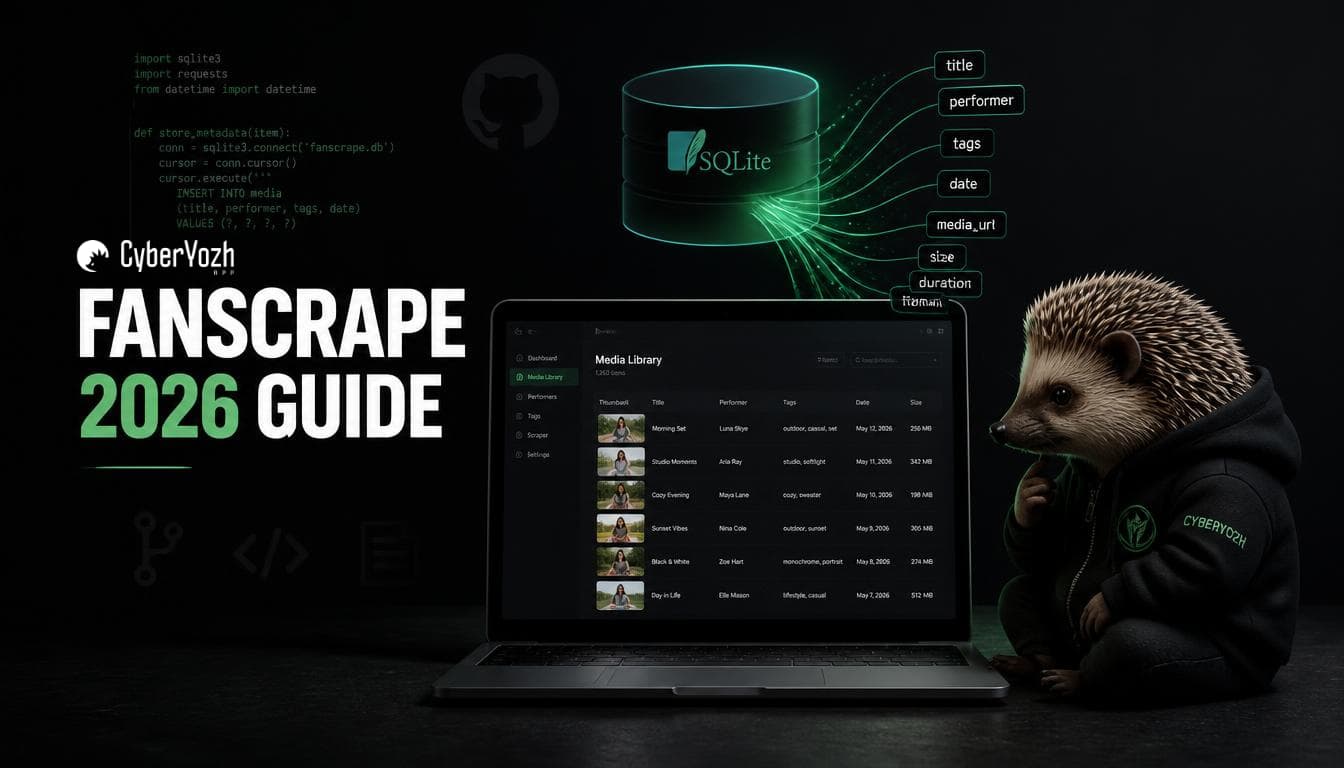
FanScrape là gì? Một script mã nguồn mở được thiết kế để scrape metadata từ các nền tảng như OnlyFans và Fansly. Nó bổ sung cho các công cụ tải dữ liệu lớn hơn bằng cách tổ chức thông tin đã scrape cho các ứng dụng quản lý media như Stash.
Nó hoạt động như thế nào? Nó đọc các file cơ sở dữ liệu SQLite được tạo bởi các scraper khác (như OF-Scraper), thay vì scrape trực tiếp từ website. Nó trích xuất metadata từ tên file và các mục trong cơ sở dữ liệu để tạo thông tin scene và gallery.
Nó có hoạt động vào năm 2026 không? Có, nhưng với một lưu ý quan trọng: nó phụ thuộc vào các scraper hoạt động khác để tải xuống dữ liệu thô và media trước. Nó cũng dựa vào ứng dụng Stash để quản lý việc thực thi.
Hạn chế của nó là gì? Nó là công cụ xử lý hậu kỳ, không phải scraper chính. Chức năng cốt lõi của nó gắn liền với một nền tảng quản lý media cụ thể và có thể bị lỗi nếu môi trường phần mềm thay đổi.
Nó cần gì? Nó yêu cầu Python 3, các module Python cụ thể (như `markdown`), và `stashapp-tools` để hoạt động. Độ tin cậy của nó phụ thuộc hoàn toàn vào trạng thái hiện tại của các dependency.
FanScrape là gì
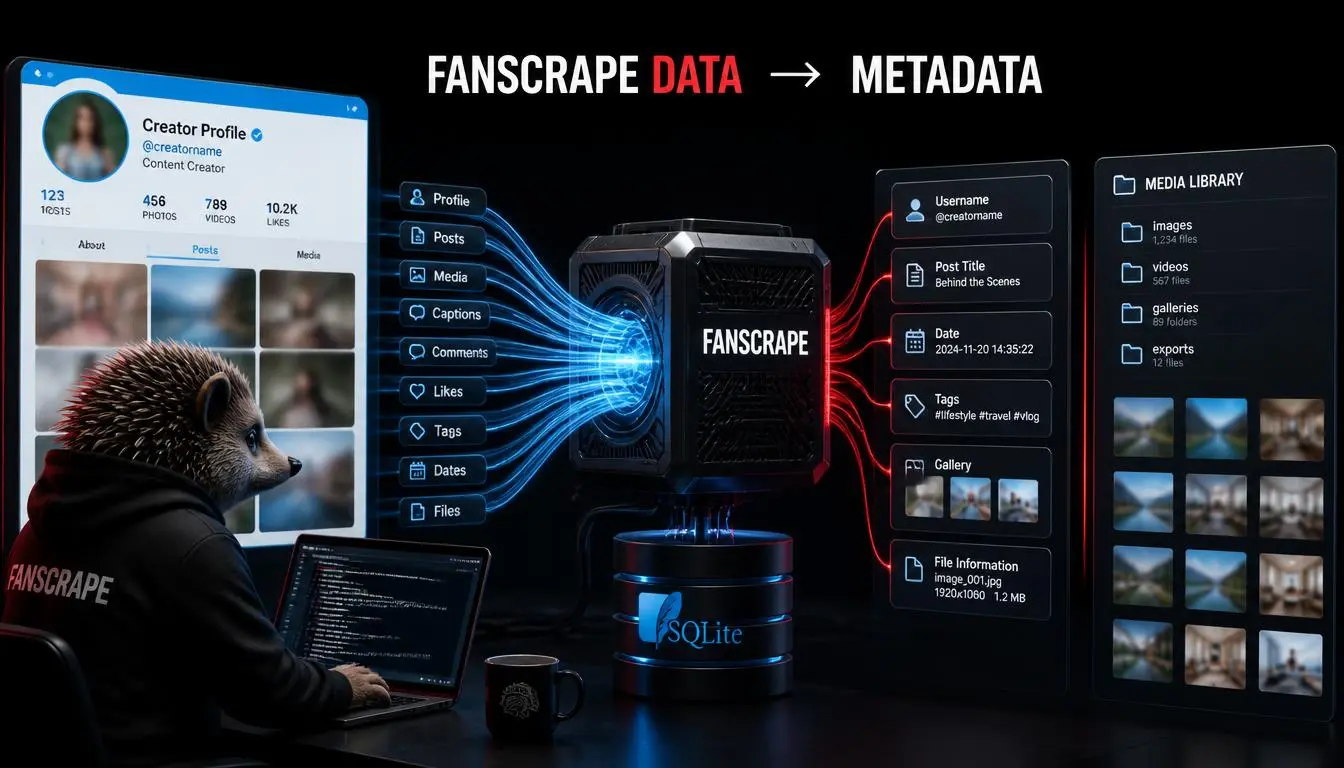
Câu trả lời nhanh: FanScrape là một script Python mã nguồn mở xử lý metadata OnlyFans và Fansly cho ứng dụng quản lý media Stash. Nó yêu cầu Python 3, các dependency cụ thể, và một scraper chính như OF-Scraper để tạo dữ liệu nguồn. FanScrape không scrape trực tiếp các website; nó tổ chức dữ liệu hiện có.
FanScrape là một script được lưu trữ trên GitHub scrape và tổ chức metadata cho ứng dụng quản lý media Stash.
Nó không phải là công cụ độc lập để tải nội dung từ OnlyFans mà là công cụ đi kèm xử lý dữ liệu đã được thu thập bởi các ứng dụng khác.
Về cơ bản, nó lấy đầu ra thô từ các công cụ scraping chính và chuyển đổi nó thành định dạng có cấu trúc mà Stash có thể sử dụng.
FanScrape hoạt động như thế nào
FanScrape không trực tiếp duyệt website hoặc tải xuống media. Thay vào đó, nó hoạt động gián tiếp. Nó đọc các file SQLite "user_data.db" được tạo bởi các data scraper khác như `datawhores/OF-Scraper`. Đây là quy trình làm việc cơ bản:
1. Scraper chính: Một công cụ scraping chính tải xuống các bài đăng và lưu metadata vào file cơ sở dữ liệu.
2. Thực thi FanScrape: FanScrape được chạy bên trong môi trường Stash. Nó đọc file cơ sở dữ liệu và sử dụng tên file để khớp nội dung.
3. Xử lý Metadata: Script trích xuất thông tin dựa trên đường dẫn và tên của file, sau đó biên dịch nó thành định dạng mà Stash có thể hiểu. Ví dụ, nó có thể sử dụng tên thư mục để xác định tên người dùng của performer.
4. Tích hợp Dữ liệu: Metadata đã xử lý sau đó được Stash sử dụng để điền vào thư viện media của người dùng với các chi tiết như tiêu đề, ngày tháng, studio và tag cho các scene và gallery.
FanScrape trích xuất metadata gì
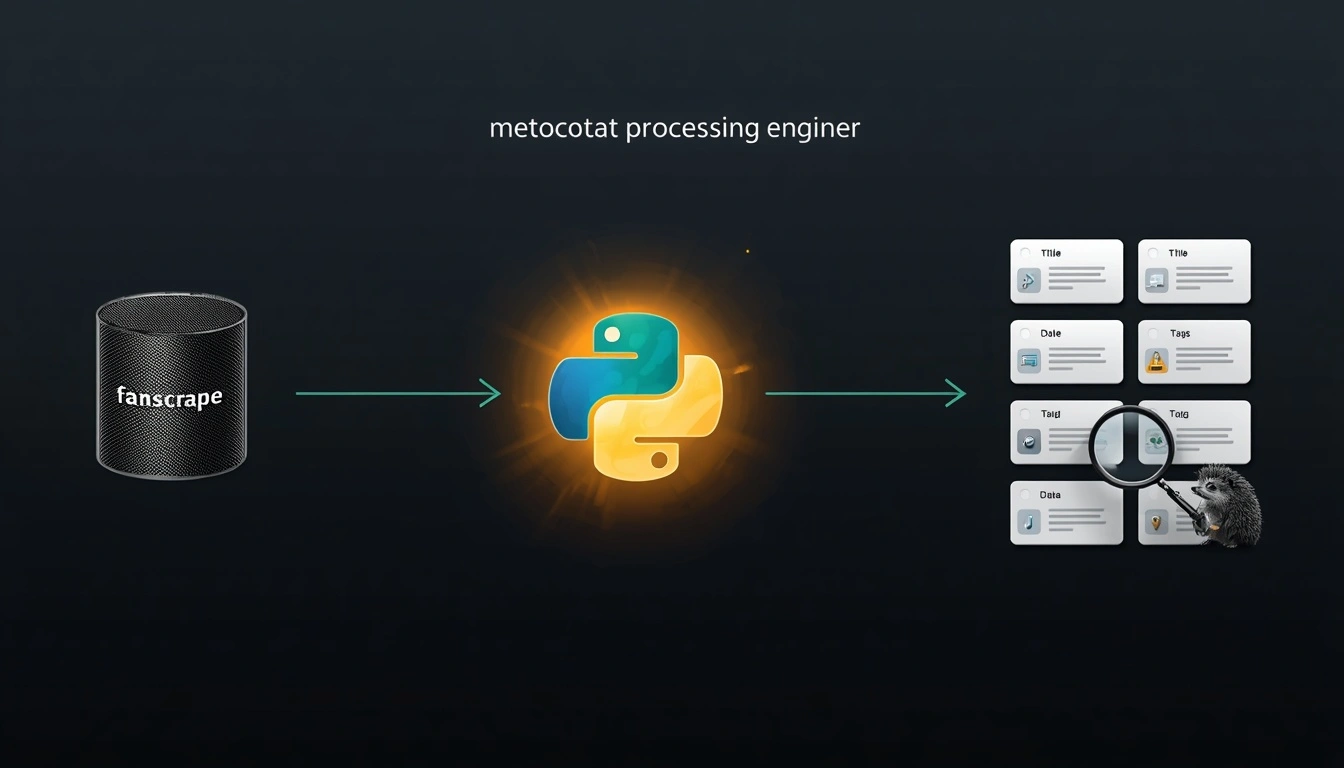
FanScrape xử lý các trường cụ thể từ cơ sở dữ liệu nguồn để điền vào các bản ghi Stash. Script thường trích xuất:
Thông tin Performer: Tên người dùng và bí danh từ cấu trúc thư mục
Metadata Scene: Tiêu đề, mô tả và ngày phát hành
Thông tin Gallery: Bộ hình ảnh và metadata liên quan
Tag: Dữ liệu phân loại giúp tăng cường khả năng tìm kiếm trong Stash
Dữ liệu đã xử lý tích hợp với FansDB, một cơ sở dữ liệu metadata crowdsourced chỉ mời được, lưu trữ thông tin performer, thuộc tính vật lý và lịch sử nghề nghiệp cho các creator độc lập. Tích hợp này cho phép người dùng Stash khớp các file cục bộ với kho lưu trữ metadata tập trung bằng perceptual hashing, loại bỏ vấn đề phổ biến về tên file không đáng tin cậy.
Scraper OnlyFans có thể làm gì
FanScrape, mặc dù không phải là scraper chính, là một phần của quy trình thu thập dữ liệu. Các công cụ mà nó làm việc cùng được sử dụng cho các ứng dụng hợp pháp liên quan đến thông tin có thể truy cập công khai. Chúng có thể được sử dụng cho:
Tổ chức Cá nhân: Người dùng có quyền truy cập nội dung có thể sử dụng các công cụ này để tổ chức một thư viện lớn các file media với metadata phù hợp, làm cho chúng có thể tìm kiếm được.
Phân tích: Các nhà nghiên cứu có thể phân tích các mẫu hình trong các bài đăng công khai, chẳng hạn như chỉ số tương tác (lượt thích, bình luận), để xác định xu hướng.
Lưu trữ: Tạo bản sao lưu cục bộ, có cấu trúc của dữ liệu công khai để tham khảo và sử dụng cá nhân.
Tích hợp FansDB: Đóng góp và tận dụng cơ sở dữ liệu metadata do cộng đồng xây dựng cho người dùng Stash.
Điều quan trọng là phải hiểu rõ các giới hạn rõ ràng:
Công khai so với Riêng tư: Các công cụ này được thiết kế để làm việc với thông tin công khai hoặc nội dung mà người dùng có quyền truy cập hợp pháp. Chúng không nhằm mục đích vượt qua paywall, truy cập tài khoản riêng tư hoặc phân phối lại tài liệu có bản quyền.
Điều khoản nền tảng: Nhiều nền tảng cấm rõ ràng việc scraping trong Điều khoản dịch vụ của họ. Người dùng phải xem xét luật hiện hành, điều khoản nền tảng, quy tắc bảo mật và hạn chế bản quyền.
Tại sao các công cụ scraping ngừng hoạt động
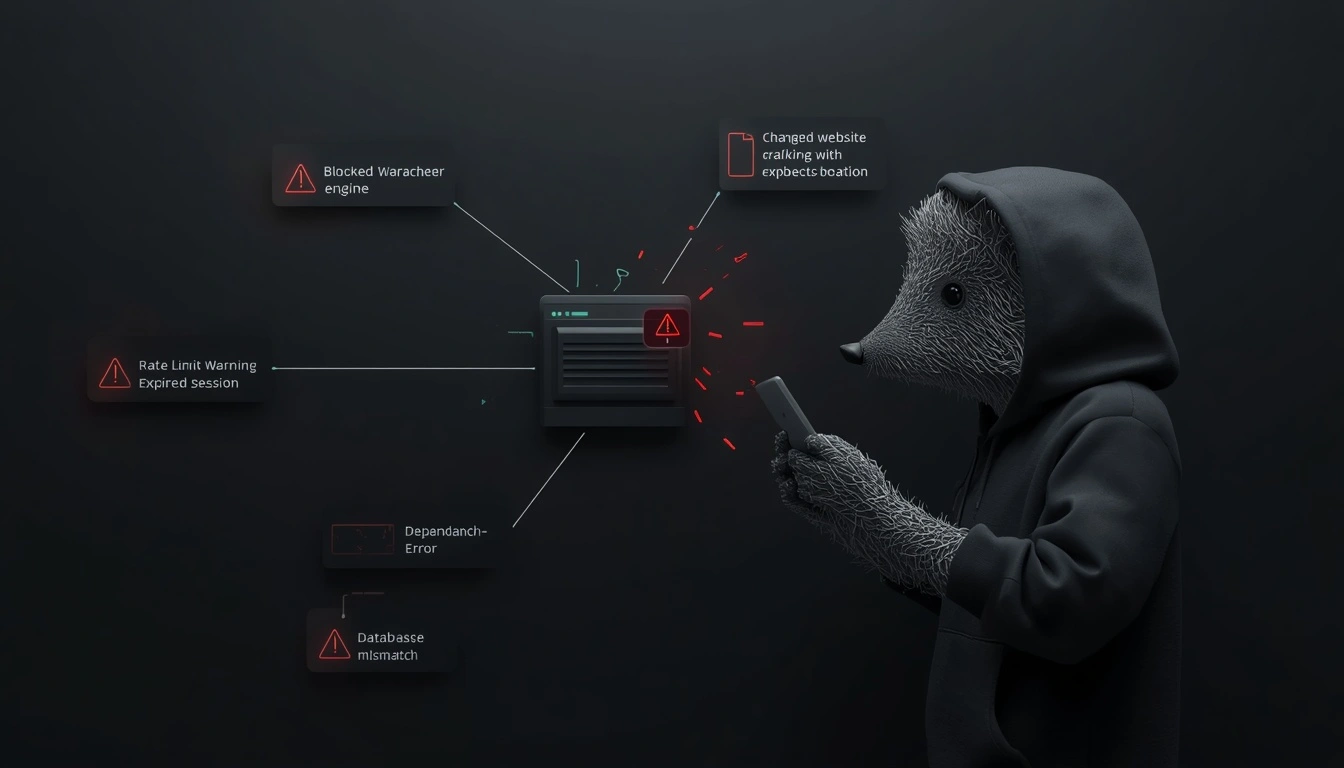
FanScrape có thể thất bại vì nhiều lý do. Các công cụ như thế này có thể «lỗi», đặc biệt với các tập dữ liệu lớn, hoặc gặp sự cố do bug. Ngoài các vấn đề về độ tin cậy, các vấn đề phổ biến nhất xuất phát từ cách các trang web tự bảo vệ chống lại các yêu cầu tự động.
Sai lầm phổ biến: Một scraper có thể ngừng hoạt động nếu trang web thay đổi cấu trúc để chặn automation, ngay cả khi proxy đang hoạt động bình thường.
Dưới đây là những lý do chính:
Thay đổi trang web: Các nền tảng thường cập nhật cấu trúc HTML, lớp CSS hoặc điểm cuối API của họ. Một scraper dựa vào bố cục cụ thể sẽ bị hỏng.
Hạn chế IP: Các trang web giám sát địa chỉ IP thực hiện yêu cầu. Các yêu cầu tần suất cao hoặc các mẫu hình đáng ngờ có thể dẫn đến cấm IP hoặc «chặn» ngăn chặn truy cập tiếp theo.
Giới hạn tốc độ: Các dịch vụ thường giới hạn số lượng yêu cầu có thể được thực hiện từ một địa chỉ IP duy nhất trong một khoảng thời gian. Vượt quá các giới hạn này sẽ dừng thu thập dữ liệu.
Phát hiện lưu lượng tự động: Các hệ thống bảo mật hiện đại phân tích «yêu cầu theo danh tiếng, vị trí và tính liên tục của phiên». Chúng có thể nhanh chóng xác định và chặn lưu lượng không phải con người.
Vấn đề phiên: Nhiều quy trình dữ liệu yêu cầu trạng thái đã đăng nhập (phiên xác thực). Nếu cookie đăng nhập hết hạn hoặc phiên bị vô hiệu hóa, scraper sẽ ngừng hoạt động.
Thay đổi phụ thuộc: Như đã thấy với FanScrape, một yêu cầu module Python mới có thể phá vỡ toàn bộ script, chẳng hạn như yêu cầu module `markdown` được giới thiệu trong commit `76f80f4`.
Sự không khớp cấu trúc cơ sở dữ liệu: FanScrape yêu cầu một cấu trúc cơ sở dữ liệu cụ thể từ OF-Scraper. Người dùng đã báo cáo rằng các scraper như FanslyScraper tạo ra cơ sở dữ liệu với «cấu trúc hoàn toàn khác so với user_data.db mà FanScrape tìm kiếm», đòi hỏi phải tùy chỉnh riêng.
FanScrape có cần proxy không
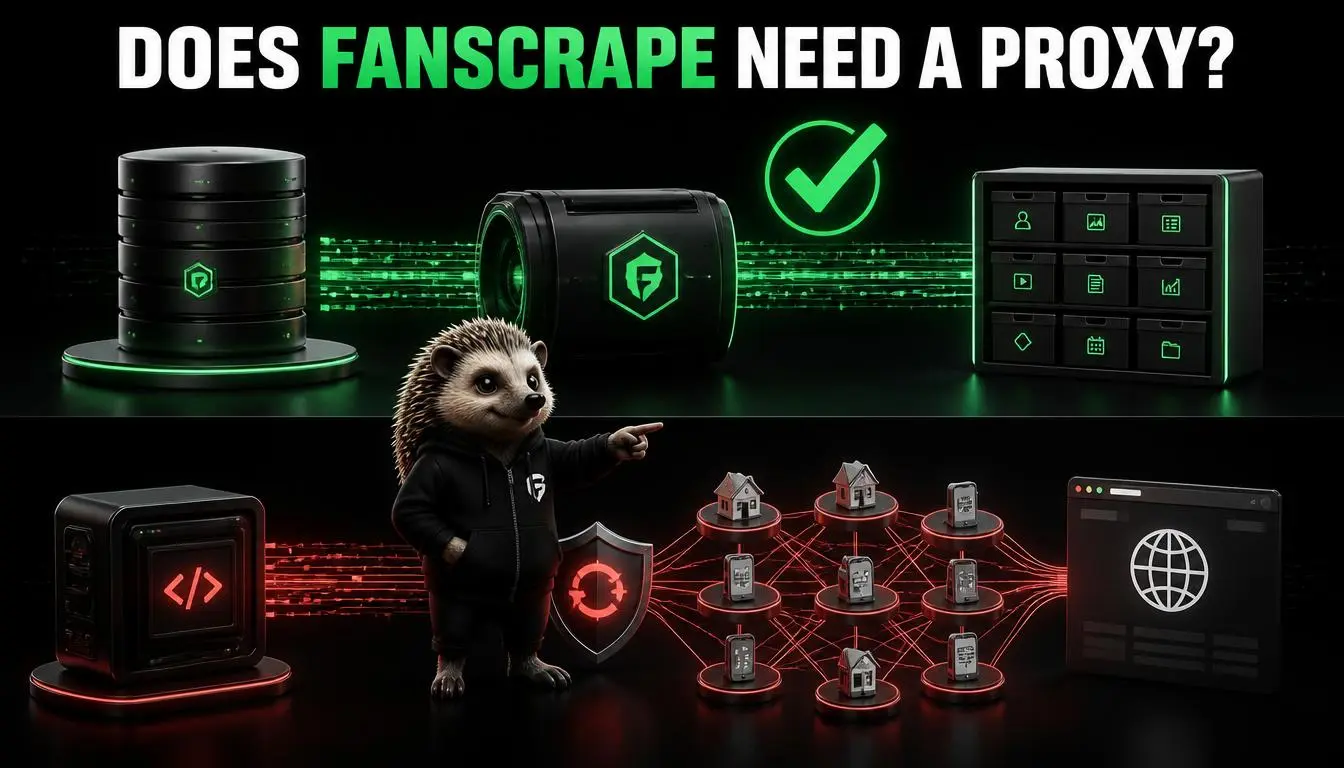
Bản thân FanScrape, với vai trò là bộ xử lý metadata, không thực hiện các yêu cầu web trực tiếp, vì vậy nó không cần proxy. Tuy nhiên, các scraper chính mà nó phụ thuộc vào chắc chắn được hưởng lợi từ chúng. Vấn đề chính mà các scraper này gặp phải là chặn IP, đây là lúc cơ sở hạ tầng proxy trở nên có giá trị. Trong thu thập dữ liệu tự động, proxy là một công cụ thực tế.
Khi nào proxy hữu ích? Khi bạn cần phân phối số lượng lớn yêu cầu qua nhiều địa chỉ IP để tránh giới hạn tốc độ và cấm IP. Residential proxy thường được coi là đáng tin cậy hơn cho mục đích này.
Khi nào proxy không cần thiết? Đối với các dự án nhỏ, một lần hoặc kiểm thử script cục bộ, proxy có thể là quá mức cần thiết.
Loại proxy quan trọng. Datacenter proxy rẻ hơn nhưng dễ bị gắn cờ, trong khi residential và mobile proxy đáng tin cậy hơn cho các tác vụ scraping hiện đại.
Câu trả lời nhanh: Proxy thay đổi địa chỉ IP được sử dụng cho kết nối, nhưng nó không tự động làm cho mọi quy trình scraping hoạt động. Phần mềm được cấu hình kém vẫn sẽ thất bại, ngay cả với proxy tốt nhất.
CyberYozh phù hợp ở đâu
Thách thức kỹ thuật cốt lõi của bất kỳ quy trình thu thập dữ liệu nào là quản lý danh tiếng IP và tính liên tục của phiên. Khi một dự án scraping thất bại, hiếm khi do một lỗi đơn lẻ; thường là do cơ sở hạ tầng mong manh không thể xử lý các hạn chế IP hoặc mở rộng quy mô. Đây là lúc CyberYozh trở nên liên quan.
CyberYozh cung cấp cơ sở hạ tầng proxy giải quyết các vấn đề vận hành chính trong quy trình tự động hóa hợp pháp:
Vấn đề: Bạn có nhiều phiên tự động sử dụng cùng một địa chỉ IP, dẫn đến giới hạn tốc độ hoặc chặn vĩnh viễn.
Giải pháp: Residential Proxies của CyberYozh cung cấp một nhóm địa chỉ IP thiết bị thực thường xuất hiện như lưu lượng người dùng bình thường. Điều này giảm nguy cơ phát hiện bởi các hệ thống chấm điểm yêu cầu theo danh tiếng và vị trí.
Vấn đề: Yêu cầu từ một khu vực địa lý duy nhất có thể hạn chế dữ liệu bạn có thể thấy hoặc kích hoạt chặn theo vùng địa lý.
Giải pháp: Với Geographic targeting, bạn có thể định tuyến lưu lượng qua các nút thoát residential ở nhiều vị trí cụ thể để tránh thu thập dữ liệu thiên lệch bằng cách sử dụng mã quốc gia ISO 3166-1 alpha-2 (ví dụ: US, GB).
CyberYozh cung cấp ba loại phiên cho rotating proxies:
Random IP (`-res-any`): Lý tưởng cho các tác vụ thu thập dữ liệu công khai không yêu cầu lịch sử phiên.
Phiên ngắn (tối đa 1 phút): Cung cấp geo-targeting chính xác đến cấp quốc gia, bang và thành phố.
Phiên dài (tối đa 24 giờ): Duy trì IP cố định cho các tác vụ kéo dài như điền form hoặc quản lý tài khoản, với session token được nhúng sẵn trong thông tin xác thực được tạo (`-resfix-...`).
Một nhóm proxy residential toàn cầu giúp giải quyết vấn đề «độ đa dạng IP thấp», nguyên nhân chính gây ra việc bị chặn. CyberYozh cung cấp các công cụ để luân chuyển IP, kiểm soát phiên và truy cập API nhằm xây dựng data pipeline ít bị chặn hơn và có khả năng trả về kết quả đầy đủ hơn.
Đối với người dùng xây dựng data-collection pipeline xung quanh các scraper chính, việc quản lý IP reputation và proxy rotation là rất quan trọng. Danh mục proxy phong phú của CyberYozh cung cấp các proxy residential, mobile và datacenter, bao gồm cả tùy chọn rotating và static, để duy trì tính ổn định của phiên và giảm rủi ro bị chặn. Khám phá các loại proxy có sẵn để phù hợp với nhu cầu quy trình làm việc của bạn.
Các giải pháp thay thế FanScrape năm 2026
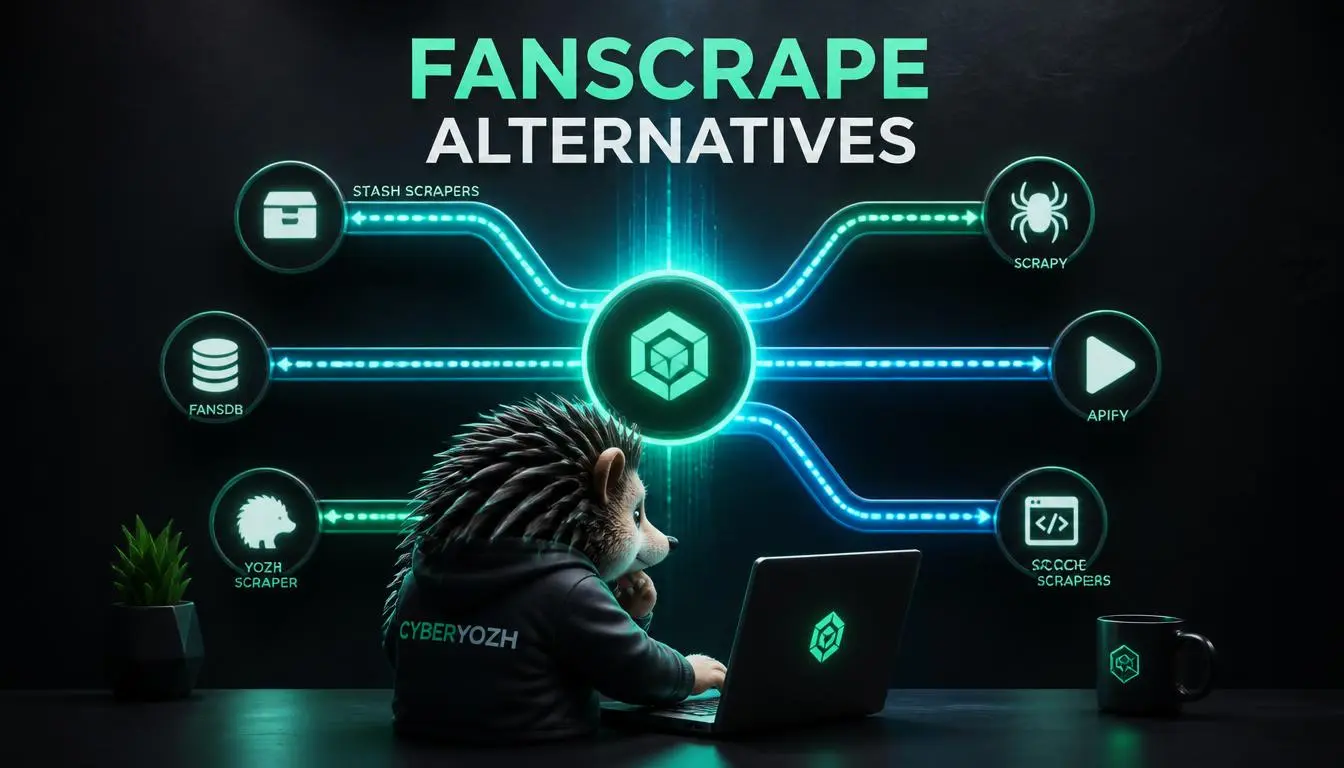
Nếu bạn đang tìm kiếm giải pháp thay thế, lựa chọn phụ thuộc vào mục tiêu của bạn. Nếu bạn muốn xử lý hậu kỳ dữ liệu cho Stash, có rất ít giải pháp thay thế trực tiếp cho FanScrape. Tuy nhiên, bối cảnh rộng hơn cho việc trích xuất và tổ chức dữ liệu.
Giải pháp thay thế cho người dùng Stash
Stash's Built-in Scrapers: Stash có bộ community scraper riêng có thể hoạt động với metadata mà không cần FanScrape.
Dc_onlyfans_fansdb: Đây là script gốc mà FanScrape được fork từ đó.
FansDB Community Scrapers: FansDB duy trì một repository các community scraper được thiết kế riêng cho cấu trúc dữ liệu của họ, có sẵn tại `https://fansdb.github.io/metadata-scrapers/main/index.yml`.
Scraping tổng quát miễn phí và mã nguồn mở
Yozh Scraper: Bộ công cụ web scraping miễn phí và mã nguồn mở của CyberYozh được thiết kế cho việc trích xuất dữ liệu có khả năng mở rộng. Không giống FanScrape, đây là công cụ scraping chính trực tiếp trích xuất dữ liệu từ các website. Nó có các tính năng:
Tích hợp native với CyberYozh proxies (`res_rotating` được khuyến nghị làm mặc định)
Selector tự phục hồi được hỗ trợ AI thích ứng với các thay đổi của website
Tùy chọn browser engine bao gồm Chromium, Google Chrome thật và Camoufox để chống phát hiện
Xuất ra định dạng Markdown sạch (`fit_markdown`) được tối ưu hóa cho việc tiêu thụ LLM, với lọc nhiễu tự động (quảng cáo, menu điều hướng, cookie pop-up)
Preset cho Amazon, Google, eBay, Walmart, YouTube, và LinkedIn
Open Scraper / Open Crawler: Công cụ scraping mã nguồn mở của CyberYozh với API endpoint cho việc trích xuất dữ liệu có khả năng mở rộng.
Giải pháp thay thế cho thu thập dữ liệu tổng quát
Octoparse & ParseHub: Đối với người dùng ít kỹ thuật, đây là các công cụ web scraping no-code «thân thiện với người dùng» thường được khuyến nghị là «ổn định hơn» cho việc thu thập dữ liệu.
Scrapy & BeautifulSoup: Thư viện Python tiêu chuẩn cho các developer muốn kiểm soát toàn diện và được khuyến nghị cho người dùng «thoải mái với lập trình».
Apify: Nền tảng đám mây có khả năng mở rộng có thể xử lý dataset lớn một cách đáng tin cậy, thường được đề cập như một giải pháp mạnh mẽ cho các dự án quy mô lớn.
FanScrape so với các công cụ scraping khác
Công cụ | Phù hợp nhất cho | Độ dễ sử dụng | Tự động hóa | Hạn chế chính |
FanScrape | Xử lý metadata cho Stash. | Trung bình | Cao | Đây là công cụ bổ trợ, không phải scraper độc lập; yêu cầu Stash và một trình tải xuống chính. |
Yozh Scraper | Trích xuất dữ liệu web tổng quát với bộ chọn tự động dựa trên AI và tích hợp proxy. | Trung bình | Cao | Yêu cầu thiết lập ban đầu và quản lý API key. |
Octoparse/ParseHub | Người dùng không biết code cần trích xuất dữ liệu bằng giao diện kéo-thả. | Cao | Trung bình | Có thể đắt đỏ; ít linh hoạt hơn cho các dự án phức tạp. |
Scrapy/BeautifulSoup | Lập trình viên cần các giải pháp tùy chỉnh mạnh mẽ. | Thấp | Cao | Yêu cầu kỹ năng kỹ thuật đáng kể; dễ bị chặn IP. |
Apify | Trích xuất dữ liệu quy mô lớn, cấp doanh nghiệp | Trung bình | Cao | Giá có thể cao; yêu cầu thiết lập và quản lý |
Kết luận
FanScrape là một công cụ chuyên biệt cao cho người dùng Stash cần tổ chức metadata từ các nền tảng như OnlyFans hoặc Fansly. Nó giải quyết một vấn đề cụ thể: cấu trúc hóa dữ liệu được tải xuống bởi các scraper khác. Điểm mạnh chính của nó là tích hợp với Stash và FansDB, nhưng điểm yếu chính là sự phụ thuộc vào các công cụ khác và nguy cơ hỏng hóc do cấu trúc cơ sở dữ liệu không khớp hoặc thay đổi phụ thuộc.
Đối với quy trình thu thập dữ liệu đáng tin cậy, xây dựng trên nền tảng kỹ thuật vững chắc là điều cần thiết. Các công cụ thu thập dữ liệu yêu cầu chiến lược mạnh mẽ để quản lý địa chỉ IP, phiên làm việc và đa dạng địa lý. Cơ sở hạ tầng proxy phù hợp có thể tạo nên sự khác biệt giữa một dự án thành công và một dự án thất bại.
Bằng cách hiểu các hạn chế và yêu cầu của các công cụ như FanScrape và phần mềm mà chúng phụ thuộc vào, bạn có thể đưa ra quyết định sáng suốt về việc xây dựng quy trình làm việc có thể mở rộng và có trách nhiệm.
Lưu ý: Thông tin công khai và nội dung riêng tư hoặc bị hạn chế được đối xử khác nhau về mặt pháp lý và đạo đức. Luôn xác minh điều khoản dịch vụ của trang web mà bạn đang tương tác.