
Боты TikTok 2026: Как работает обнаружение и почему большинство уничтожают ваш охват

Вы запустили бота для накрутки подписчиков на неделю или купили несколько тысяч просмотров, чтобы продвинуть своё видео. Затем охват полностью упал. Органические просмотры иссякли. Видео, которые раньше набирали 5 000 просмотров, теперь едва дотягивают до 200. И вы сидите и думаете: действительно ли TikTok вас наказал или это просто совпадение.
Это не совпадение. Боты TikTok — одни из самых неправильно понимаемых инструментов в социальных сетях.
Некоторые из них — действительно полезные инструменты автоматизации, которые агентства используют ежедневно без проблем. Другие — боты для накрутки подписчиков, просмотров, спам-инструменты — активно вредят аккаунтам, которым должны помогать. Разница имеет огромное значение.
Что вы найдёте здесь: как на самом деле работает система обнаружения TikTok, что показывают данные о прозрачности относительно масштабов применения мер, почему фейковые подписчики скорее вредят вашему охвату, чем помогают, и как выглядит легитимная автоматизация с правильной настройкой прокси, чтобы оставаться незаметной.
Коротко: боты TikTok
TikTok удалил 348 миллионов фейковых аккаунтов только в третьем квартале 2024 года; система обнаружения реальна, масштабна и становится умнее с каждым кварталом
Боты для накрутки подписчиков и просмотров активно вредят вашему аккаунту, обрушивая уровень вовлечённости, что заставляет алгоритм TikTok подавлять распространение вашего контента
robots.txt не останавливает ботов; настоящая защита TikTok многослойна: ограничение частоты запросов по IP, анализ поведения, снятие отпечатков устройств и системы CAPTCHA
Легитимная автоматизация работает в пределах реалистичных для человека лимитов действий (30–50 подписок в день), с одним выделенным IP резидентских или мобильных прокси на аккаунт и рандомизированными интервалами между действиями
Самая распространённая причина, по которой реальных пользователей ошибочно помечают как ботов, — общие IP-адреса; несколько аккаунтов в одной сети или на IP датацентра выглядят для системы TikTok как координированная автоматизация
Что такое боты TikTok
Бот TikTok — это любое программное обеспечение, которое автоматизирует действия в TikTok: подписки на аккаунты, генерацию просмотров, лайки видео, публикацию комментариев, планирование контента или скрапинг публичных данных. Термин охватывает действительно широкий спектр инструментов. Относиться ко всем одинаково — одна из самых распространённых ошибок.
Существует три отдельные категории, и они ведут себя очень по-разному:
Боты для накрутки вовлечённости: боты для подписчиков, просмотров и лайков предназначены для того, чтобы ваш аккаунт выглядел больше, чем он есть на самом деле. Именно они наносят наибольший вред по причинам, которые мы подробно рассмотрим ниже.
Легитимные инструменты автоматизации: планируют публикации, управляют ответами, собирают аналитику и выполняют повторяющиеся задачи для нескольких аккаунтов. Менеджеры социальных сетей используют их так же, как календарный инструмент. Нет ничего плохого в автоматизации задач, которые человек иначе выполнял бы вручную с той же частотой.
Боты для скрапинга данных: собирают общедоступную информацию из TikTok — трендовые звуки, эффективность хештегов и метрики видео конкурентов — для исследований и стратегии. Маркетологи и аналитики регулярно их используют.
Как работает бот для просмотров TikTok
Бот для просмотров TikTok генерирует искусственные просмотры видео, автоматически «просматривая» его.
Существует несколько технических подходов: простые боты HTTP-запросов, которые напрямую обращаются к серверам TikTok, инструменты автоматизации браузера, которые открывают браузер в фоновом режиме и имитируют поведение просмотра, и сети кликферм, использующие реальные устройства, управляемые низкооплачиваемыми работниками или полуавтоматическим ПО, циклически просматривающим видео.
Чем сложнее бот, тем труднее его обнаружить, но ни один из них не обманывает надёжно текущие системы обнаружения TikTok. Причина сводится к тому, что просмотры без настоящей вовлечённости сигнализируют алгоритму; подробнее об этом в следующем разделе.
Блокирует ли TikTok ботов через robots.txt
Файл robots.txt TikTok ограничивает автоматические краулеры от определённых частей сайта, включая разделы вроде /ads/, /login/ и /share/. Он также использует широкую директиву Disallow: /*, которая технически ограничивает всех автоматических краулеров от всего сайта, если доступ явно не предоставлен.
Но вот что это на самом деле означает на практике: robots.txt — это соглашение, а не стена. Добросовестные боты, такие как краулер Google, его соблюдают. Вредоносные боты вообще его не проверяют.
Настоящая инфраструктура защиты, которую TikTok использует против ботов, работает на совершенно другом уровне:
Ограничение частоты запросов по IP блокирует любой IP-адрес, отправляющий запросы с машинной скоростью. Именно поэтому боты, которые атакуют TikTok с одного IP-адреса, блокируются в течение нескольких минут. [Подробнее о теневых банах TikTok]
Поведенческий анализ отслеживает паттерны сессий. TikTok фиксирует, как долго вы смотрите видео, стабильна ли скорость прокрутки, как распределены ваши взаимодействия во времени, и следует ли ваша активность естественным паттернам просмотра реального человека.
Снятие цифрового отпечатка устройства собирает характеристики оборудования и браузера, чтобы определить, исходит ли подключение от реального устройства или эмулированной среды. Браузеры без графического интерфейса создают отпечатки, которые отличаются от реальных телефонов тонкими, но стабильно определяемыми способами.
Системы CAPTCHA и проверок специально перехватывают трафик с паттернами автоматизации. [Подробнее о лучших прокси для CAPTCHA]
Прямой ответ: один лишь robots.txt не останавливает ботов TikTok. Но многоуровневая система обнаружения TikTok действительно сложна и становится всё более совершенной с каждым кварталом. [«Отчёт TikTok о применении правил сообщества»]
Что на самом деле показывают данные о борьбе TikTok с ботами
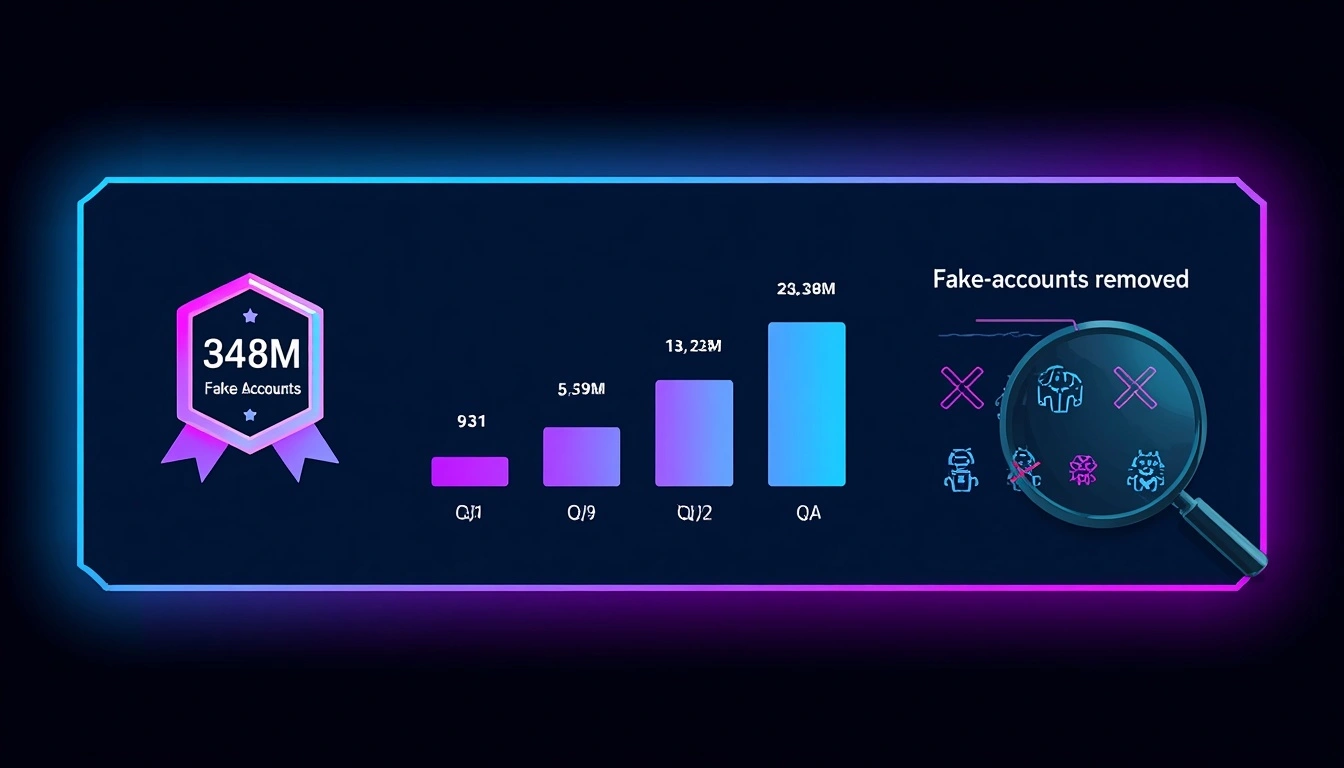
Согласно собственной отчётности TikTok о прозрачности, платформа удалила более 348 миллионов фейковых аккаунтов только в третьем квартале 2024 года. В первом квартале 2024 года TikTok удалил примерно 32,6 миллиона фейковых подписчиков и более 236 миллионов фейковых лайков, согласно анализу данных о применении правил TikTok от Statista.
Исследование HypeAuditor 2024 года, проанализировавшее миллионы аккаунтов в социальных сетях, показало, что более половины инфлюенсеров TikTok демонстрировали признаки манипуляции вовлечённостью, включая покупные лайки, комментарии от ботовых сетей и схемы взаимных подписок. Мошенничество инфлюенсеров обошлось брендам примерно в 1,3 миллиарда долларов по всему миру в 2024 году, согласно исследованию MomentIQ, при этом доля фейковых подписчиков достигала 25% для крупных аккаунтов.
Показатель проактивного обнаружения TikTok — контента, удалённого до того, как кто-либо пожаловался, — достиг 98,2% во втором квартале 2024 года, что стало самым высоким зафиксированным показателем на тот момент.
Это не теоретические цифры применения правил. Это система машинного обучения, которая обработала миллиарды событий фейковой активности и продолжает совершенствоваться в распознавании паттернов с каждым кварталом новых данных.
Почему боты для подписчиков и просмотров TikTok активно вредят вашему аккаунту
Это та часть, которую большинство продавцов ботов не объясняют, и это самое важное, что нужно понять, прежде чем тратить деньги на любых ботов для вовлечённости.
Алгоритм TikTok решает, продвигать ли ваше видео новым аудиториям, на основе уровня вовлечённости, а именно — какой процент людей, увидевших ваш контент, действительно досматривает его до конца, ставит лайк, комментирует, делится им или сохраняет. Лента «Для вас» — это по сути непрерывный тест: TikTok показывает ваше видео небольшой группе пользователей, измеряет их реакцию и решает, расширять ли распространение или остановить его.
Когда вы накручиваете количество подписчиков с помощью бота, вот что на самом деле происходит с этим уравнением:
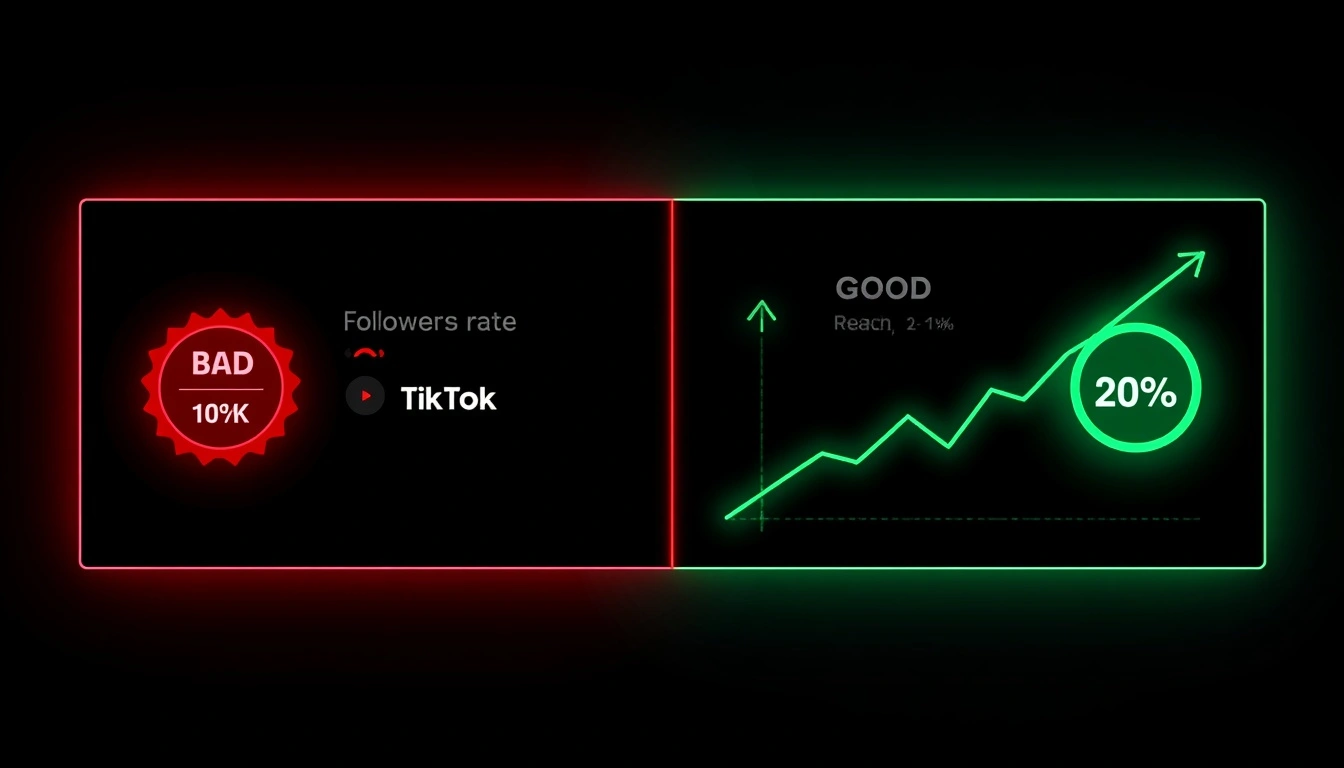
У автора с 1000 реальных подписчиков, получающего 200 настоящих лайков на видео, уровень вовлечённости составляет 20%. TikTok воспринимает это как сильный сигнал и продвигает видео дальше. Тот же автор покупает 9000 ботовых подписчиков. Теперь у него 10 000 подписчиков. Те же 200 настоящих лайков представляют собой уровень вовлечённости 2%. TikTok воспринимает это как слабый сигнал и подавляет распространение.
Вы потратили деньги, чтобы ухудшить свою алгоритмическую эффективность.
Боты для просмотров создают ту же проблему с другой стороны. Ботовые просмотры не производят лайков, комментариев, репостов или сохранений. Система TikTok видит видео с тысячами просмотров и почти без вовлечённости и интерпретирует это как контент, который аудитория не сочла ценным. Распространение сокращается, а не увеличивается.
Согласно исследованию Dash Social об эффективности аккаунтов TikTok, «покупные подписчики вредят вашему уровню вовлечённости, делая ваш аккаунт подозрительным и ослабляя вашу эффективность в алгоритме TikTok. Низкая вовлечённость снижает ваши шансы попасть в ленту «Для вас»». [Подробнее о Анонимный просмотр TikTok]
Результатом становится петля обратной связи, которую трудно разорвать: боты-подписчики снижают уровень вовлечённости, TikTok уменьшает охват вашего контента, органические зрители перестают видеть ваши видео, и ваш аккаунт становится фактически невидимым для новой аудитории. Некоторые авторы, которые пошли по этому пути, сообщали, что их органический охват упал почти до нуля и остался на этом уровне.
Почему TikTok иногда считает вас ботом, даже когда вы им не являетесь
Это затрагивает реальных пользователей больше, чем думает большинство людей, особенно SMM-менеджеров и маркетологов, ведущих легитимную деятельность. Система обнаружения TikTok настолько чувствительна, что нормальное человеческое поведение может быть отмечено флагом, если контекст выглядит подозрительно.
Наиболее распространённые причины:
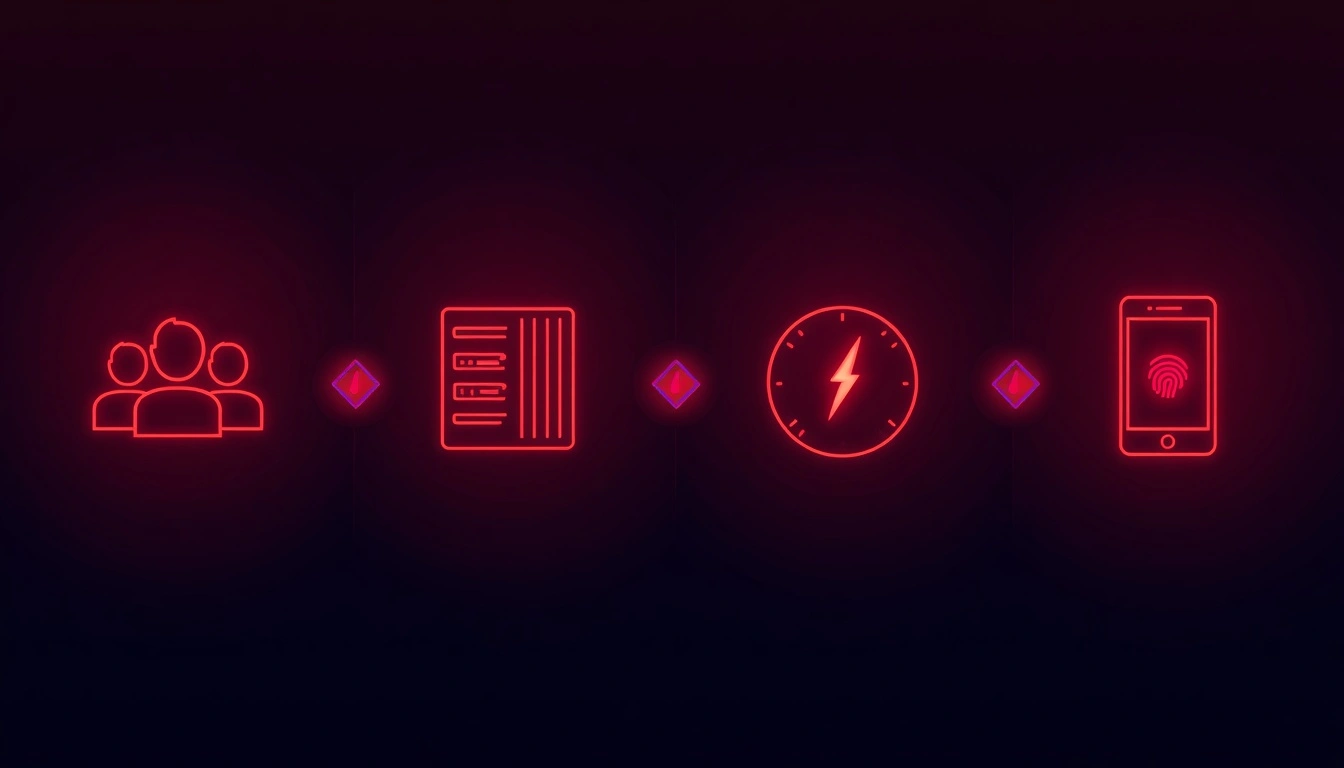
Общие IP-адреса. Если десять аккаунтов входят в систему из одной сети, из одного офисного Wi-Fi, из одного выходного узла VPN , из одного IP датацентра, TikTok связывает их. Как только один аккаунт помечается флагом, это может повлиять на остальные. IP-адреса датацентров (используемые большинством VPN) находятся в списках, известных TikTok, который уже относится к ним с повышенным подозрением.
Всплески активности действий. Подписка на 150 аккаунтов с 9 до 10 утра, а затем ничего до конца дня — это узнаваемый паттерн автоматизации. Использование TikTok человеком так не выглядит.
Несоответствия отпечатков браузера и устройства. Сессия, якобы исходящая от Samsung Galaxy, но сообщающая размеры экрана, которые не соответствуют ни одной модели Samsung, помечается флагом. Эмулированные среды обнаруживаются на этом уровне. [Подробнее о фингерпринтинге canvas]
Всплески активности неактивных аккаунтов. Аккаунт, который был неактивен несколько недель, внезапно лайкает 300 видео за день — это вызывает подозрение, даже если за ним стоит реальный человек. [Подробнее о «объяснении резидентских прокси»]
Как использовать бота для подписок в TikTok без блокировки
Давайте прямо скажем, что представляет собой этот раздел, а что нет. Агрессивные автоматические подписки, массовое добавление сотен аккаунтов в день с помощью бота, несут реальный риск, и TikTok банит аккаунты за это. Этот раздел охватывает контролируемую автоматизацию в человеческом темпе, которая сохраняет ваш аккаунт в безопасности, одновременно снижая ручную нагрузку.
Держите дневные лимиты действий реалистичными. Человек комфортно подписывается на 30–50 аккаунтов в день и ставит лайки 100–200 постам. Любой инструмент автоматизации, работающий в этих пределах, гораздо менее заметен, чем тот, который работает на машинной скорости. Как только вы превышаете то, что мотивированный человек мог бы сделать за день, вы попадаете в зону обнаружения.
Используйте один IP на аккаунт. Это обязательное условие. Если вы используете любую форму автоматизации для нескольких аккаунтов TikTok, каждому аккаунту нужен свой выделенный IP-адрес. Резидентские прокси или Мобильные прокси, а не VPN, не общие IP датацентров, являются правильным инструментом для этого. [«лучшие мобильные прокси для автоматизации TikTok» → страница продукта Мобильные прокси ]
Рандомизируйте время. Инструменты автоматизации, работающие с фиксированными интервалами — подписка на 10 аккаунтов, ожидание ровно 60 секунд, подписка ещё на 10 — легко обнаружить. Инструменты, позволяющие варьировать задержки между действиями, значительно сложнее пометить флагом. Если ваш инструмент не поддерживает рандомизированное время, он не подходит для серьёзного использования.
Ориентируйтесь на свою нишу, а не на массы. Подписка на аккаунты в вашей реальной контентной нише даёт лучшую реальную вовлечённость при последующих действиях, и паттерны подписок выглядят более человечными, потому что они контекстуально последовательны.
Не запускайте автоматизацию на аккаунтах младше 72 часов. Новые аккаунты уже находятся под более пристальным наблюдением. Запуск любой автоматизации сразу после создания аккаунта — один из самых быстрых способов быть отмеченным флагом.
Как прокси для TikTok решают проблемы с «ботами TikTok»
Наиболее распространённая причина, по которой легитимная автоматизация TikTok помечается флагом, и наиболее распространённая причина, по которой SMM-менеджеры обнаруживают странное поведение своих аккаунтов, — это не инструменты, которые они используют. Это IP-инфраструктура за этими инструментами.
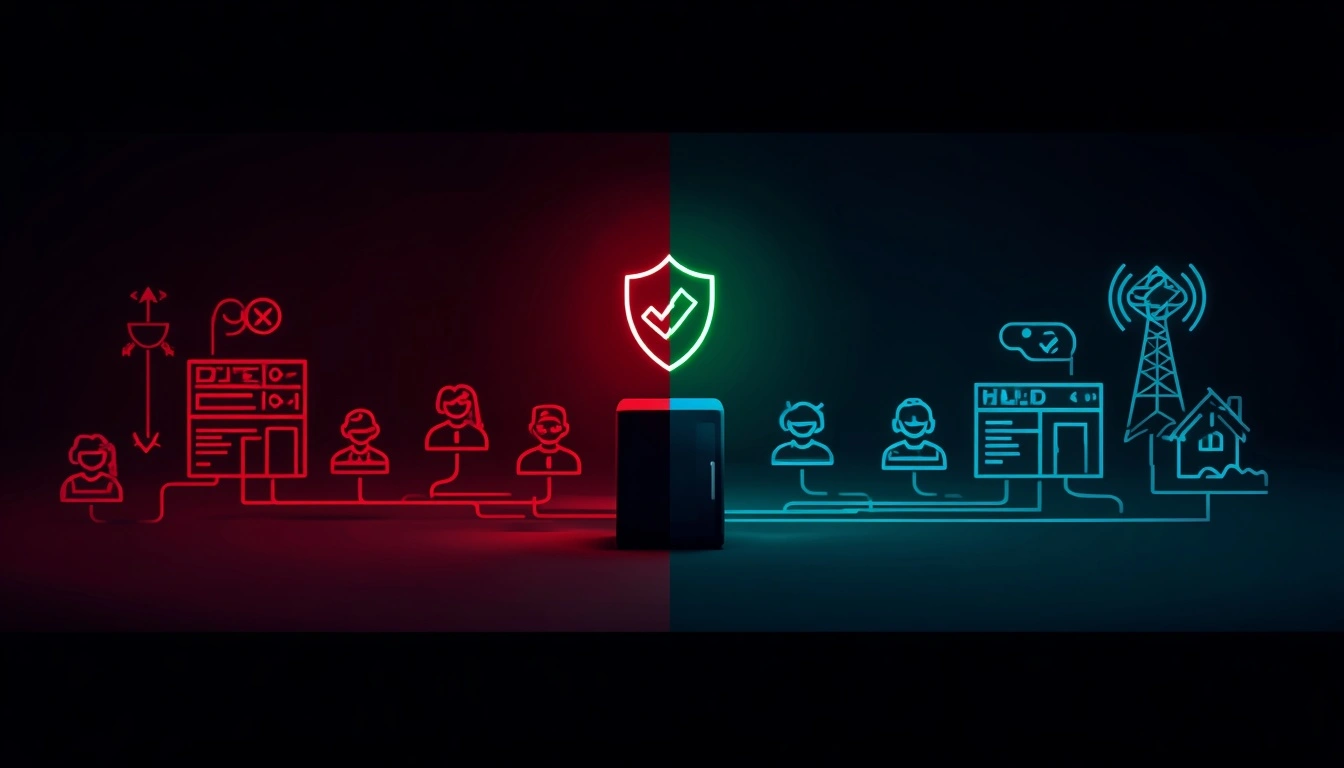
Когда несколько аккаунтов TikTok используют один и тот же IP-адрес, TikTok связывает их. Когда эти аккаунты приходят с IP-адресов прокси датацентра, того типа, который назначается серверам и VPN-провайдерам, а не реальным людям, TikTok относится к ним с дополнительным подозрением ещё до совершения каких-либо действий.
Решение — мобильные прокси, которые маршрутизируют каждую сессию аккаунта через реальный IP-адрес оператора связи, тот же тип подключения, который использует реальная аудитория TikTok. Сеть мобильных прокси для TikTok от CyberYozh делает именно это.
Вот почему это особенно важно для TikTok:
IP-адреса операторов связи вызывают доверие. Аудитория TikTok преимущественно мобильная. Сессия, проходящая через реальный мобильный IP, назначенный Verizon или другим оператором, выглядит точно так же, как подключается большинство пользователей TikTok. Это не вызывает срабатывания систем ограничения частоты запросов или несоответствия цифровых отпечатков.
Ротация IP-адресов имитирует реальное поведение человека. Реальные люди переключаются между сетями в течение дня — с домашнего Wi-Fi на мобильные данные, на офисные сети. Ротационные резидентские прокси от CyberYozh воспроизводят этот естественный паттерн, вместо того чтобы навсегда привязывать один аккаунт к одному статичному адресу датацентра.
Чистые пулы IP-адресов без блокировок. Проблема дешёвых прокси-сервисов и бесплатных VPN не только в том, что они медленные; их IP-адреса уже находятся в списке подозрительных TikTok из-за предыдущих злоупотреблений. CyberYozh поддерживает пулы из более чем 100 млн чистых резидентских и мобильных IP-адресов в более чем 100 странах, которые не были отмечены как подозрительные.
Более 50 проверок безопасности IP перед тем, как пользователь получает IP-адрес.
Самый надёжный и бюджетный вариант на рынке прокси. Настоящие мобильные прокси LTE/5G за $1,7/день с безлимитным трафиком; резидентские прокси за $5,29/месяц; и прокси датацентра за $1,9/месяц.
Отзывы на Trustpilot
★★★★★ Проверенный покупатель «Хорошие прокси! Цена такая же, как у других конкурентов, или даже дешевле. Хорошая поддержка. Пользуюсь уже более 60 дней».
★★★★★ Проверенный покупатель«Я пользуюсь их сервисом мобильных прокси, особенно мобильными прокси Verizon, и очень доволен опытом. Прокси обеспечивают отличную стабильность и очень высокую скорость... их мобильные прокси Verizon — отличный выбор для всех, кому нужны стабильные, быстрые и надёжные мобильные прокси».
Тарифные планы мобильных прокси CyberYozh доступны без долгосрочных обязательств. «Сравните тарифные планы прокси CyberYozh» → страница с ценами.
Ключевые выводы
TikTok удалил 348 миллионов поддельных аккаунтов только в третьем квартале 2024 года. Система обнаружения ботов реальна, протестирована в масштабе и улучшается каждый квартал. Фальшивая вовлечённость — это не жизнеспособная долгосрочная стратегия.
Боты для накрутки подписчиков и просмотров активно вредят охвату вашего аккаунта , снижая уровень вовлечённости — основной сигнал, который TikTok использует для решения, продвигать ли ваш контент новой аудитории.
Легитимная автоматизация возможна при использовании скоростей действий, реалистичных для человека, с одним выделенным IP резидентских или мобильных прокси на аккаунт, рандомизированными интервалами и правильным таргетингом по нише. Инфраструктура имеет такое же значение, как и инструмент.
Если вы профессионально управляете аккаунтами TikTok, правильная настройка прокси — это разница между аккаунтами, которые работают гладко, и аккаунтами, которые получают флаги ещё до того, как наберут хоть какую-то популярность. «Начните работу с безопасными для TikTok мобильными прокси от CyberYozh».