
How to Set Up a CyberYozh Proxy in MultiLogin
Multilogin is a popular anti-detect browser used for managing isolated browser environments. It allows users to run separate profiles with independent cookies, fingerprints, and sessions for testing, automation, and multi-account workflows.
However, Multilogin only handles browser-level isolation. Your proxy connection is external and has a direct impact on session stability.
CyberYozh proxies are commonly used in anti-detect browser setups because they provide stable, session-consistent connections that help maintain reliable multi-profile environments without disruptions or identity inconsistencies.
This guide explains:
How to set up Multilogin proxy settings with CyberYozh
How to choose the right proxy type for different workflows such as digital marketing, crypto operations, automation, and e-commerce
How to avoid common issues like proxy check failed errors or IP not changing inside profiles.
How to choose the right proxy type for Multilogin
The proxy type you use in Multilogin directly affects session stability, GEO consistency, and how platforms interpret your traffic. Each type is suited to a different workload.
Residential proxies: For general multi-account workflows
Residential proxies use IPs assigned by real internet service providers (ISP). It makes them suitable for automation, testing, and multi-account management on platforms like Amazon, eBay, and Etsy. They offer the best balance between stability and natural traffic behavior for proxies for multi account management.
Mobile proxies: For social media and high-trust platforms
Mobile proxies route traffic through real mobile carrier networks (4G/5G). It makes them the most trusted option for Instagram, TikTok, and Facebook accounts. Use them when account reliability and long-term stability matter more than speed. These are the best proxies for multilogin instagram workflows.
Datacenter proxies: For speed and low-risk tasks
Datacenter proxies come from cloud infrastructure (AWS, DigitalOcean). They're fast and cost-efficient but have higher detection risk. Use them for scraping, SEO rank tracking, or low-sensitivity automation, not for accounts or login sessions.
Which proxy type works best for your use case
There's no universal best option; it depends on your workflow inside Multilogin:
Use case | Recommended proxy | Why |
|---|---|---|
Instagram, TikTok, Facebook | Mobile proxies | Highest trust score from platforms |
Amazon, eBay, Etsy selling | Residential proxies (ISP) | Static IP + real ISP reputation |
Crypto operations | Residential (ISP) | Financial platforms flag datacenter IPs |
SERP scraping / SEO | Datacenter or rotating | Speed + volume + low trust requirements |
Multi-account management | Residential | Best balance of trust and stability |
What are Multilogin cloud phones
Multilogin Cloud Phones are remote Android environments designed to behave like real mobile devices. They are used for mobile app testing, automation, and social media workflows on platforms such as TikTok, Instagram, and Facebook.
Why CyberYozh mobile proxies are the best match for cloud phones
Cloud phones provide the device layer, but the network layer still determines how platforms interpret the session. CyberYozh mobile proxies align with cloud phone environments by using real 4G/5G carrier IPs.
This ensures both layers of the setup reflect a mobile user profile:
IP matches device type (mobile + Android environment alignment)
Carrier-based traffic increases platform trust signals
Tested with Multilogin Cloud Phones and desktop profiles
Sticky sessions available for long-running workflows.
For Multilogin Cloud Phones, mobile proxies are the most compatible network type because they preserve consistency between device fingerprint and IP behavior. CyberYozh mobile proxies are optimized for this type of setup and are commonly used in production workflows.
Sticky sessions vs rotating proxies in Multilogin
Sticky sessions — Use when you need session continuity: logging into accounts, maintaining long-running Multilogin profiles, or any workflow where IP changes would trigger security alerts.
Rotating proxies — Better for short-lived or high-volume actions where each session should appear as a new user: scraping, bulk data collection, or rank tracking.
Protocol choice: SOCKS5 vs HTTP in Multilogin
For most Multilogin workflows, SOCKS5 is recommended. It's faster for media-heavy tasks, handles UDP traffic, and is less detectable than HTTP. Use HTTP only if your proxy provider specifically requires it.
Step-by-step Multilogin proxy setup with CyberYozh
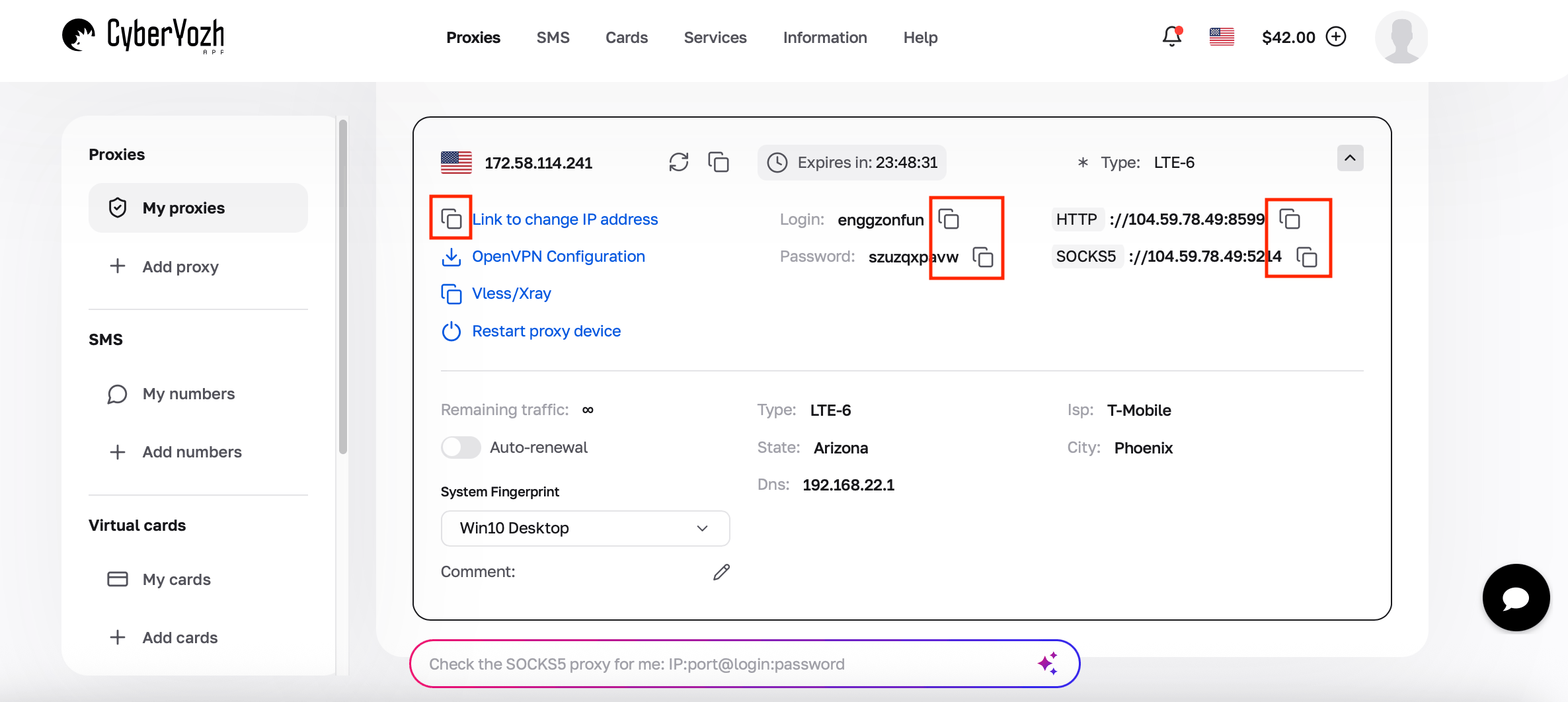
Step 1: Obtain proxy credentials from CyberYozh
Log in to your CyberYozh profile and buy proxies for your workflow (mobile 5G proxies, residential, or datacenter). After purchasing, you will receive data in your personal account:
Host – IP address (e.g., 172.98.60.180)
Port – Port number (e.g., 58763)
Username – Your login
Password – Your password
Step 2. Create a new Multilogin profile
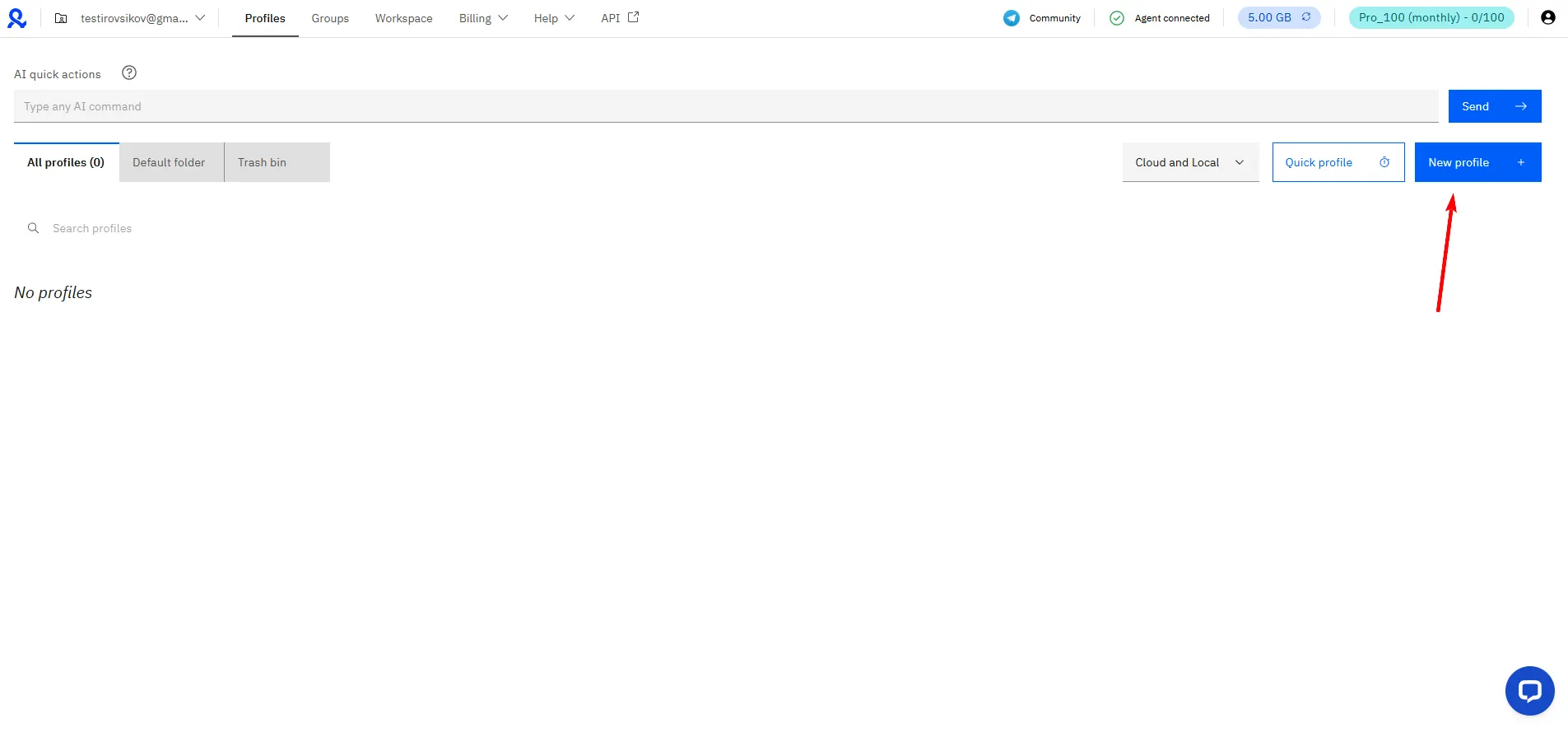
Launch Multilogin. Click the blue New profile button.
Step 3. Set up your profile
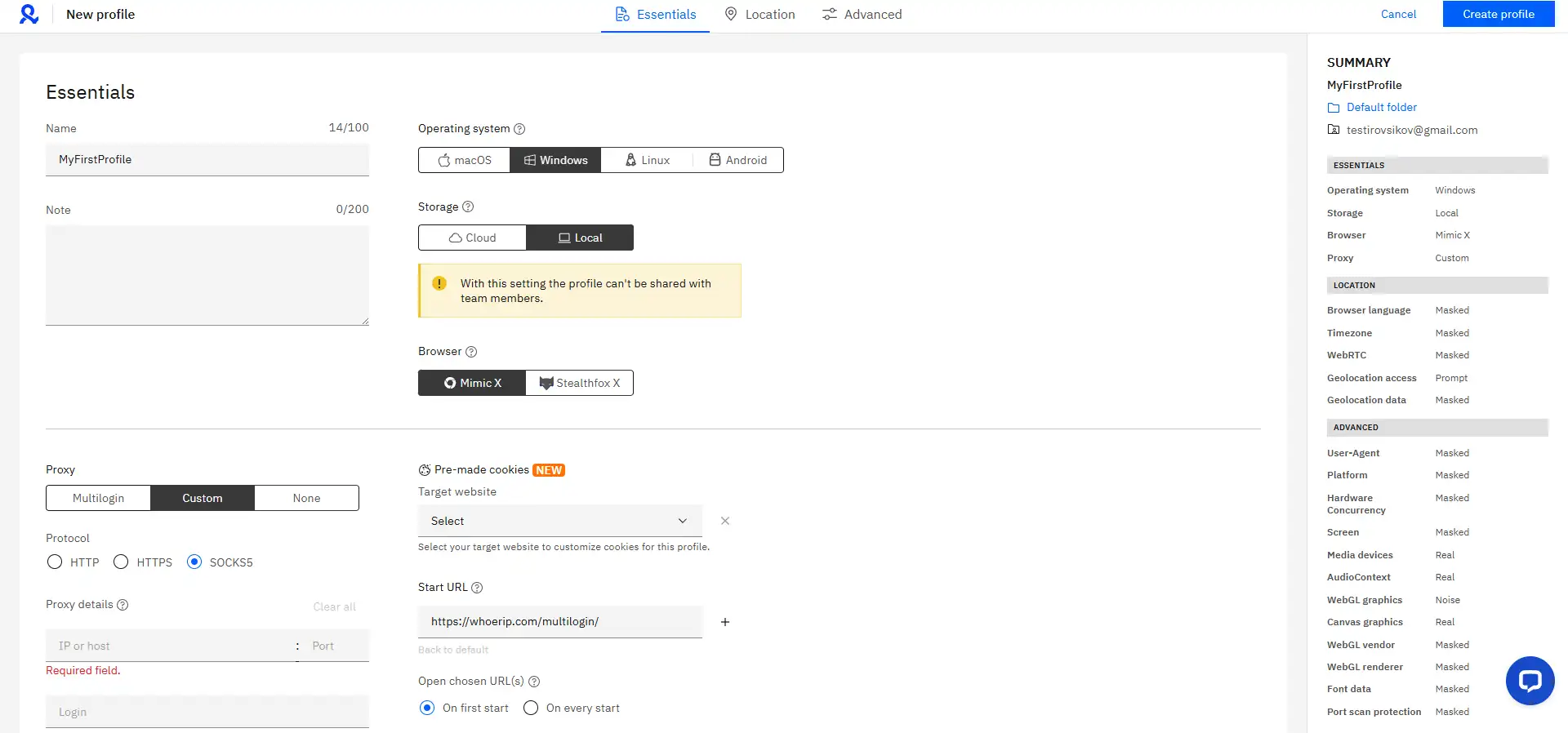
For your new profile, enter:
Name – Set a recognizable profile name
Browser – Choose your engine:
Mimic – Chrome-based, ideal for Google products and most tasks
Stealthfox – Firefox-based alternative
OS – Match your PC's operating system (Windows → Windows, macOS → macOS) for optimal compatibility.
Step 4. Configure proxy settings
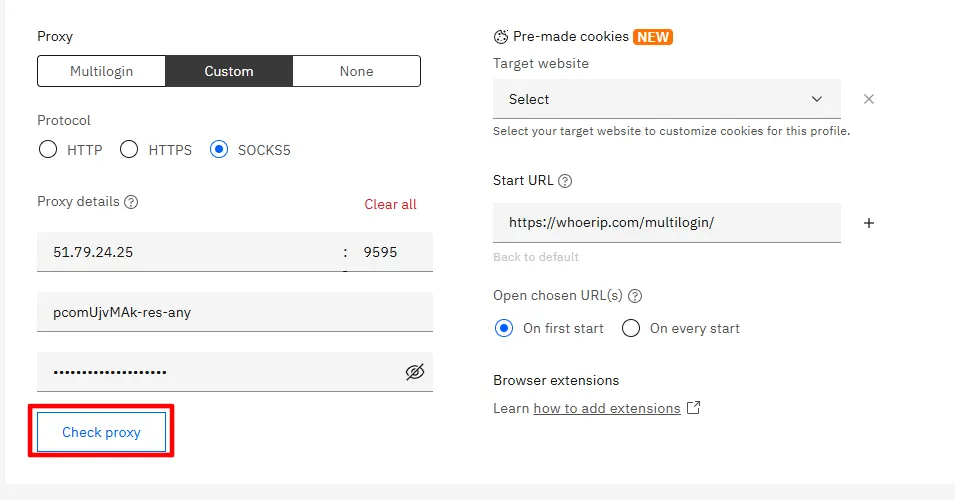
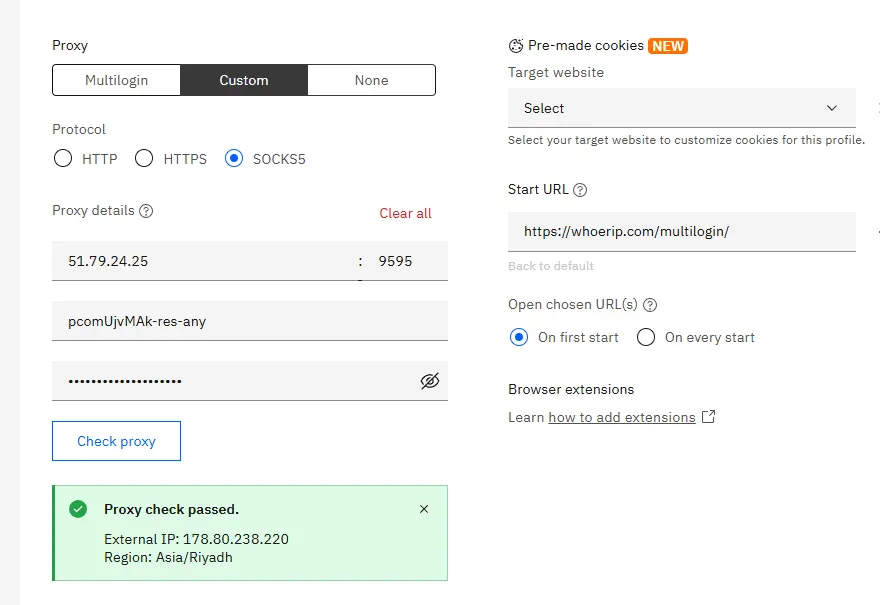
Click on the Edit proxy settings section.
Connection type – Select SOCKS5 (faster and more reliable than HTTP for media and complex scripts)
New address (Host) – Enter your CyberYozh IP address
Port – Enter your CyberYozh port
Username – Enter your CyberYozh login
Password – Enter your CyberYozh password.
Step 5. Check proxy connection – don’t skip this
Never create a profile without checking first. Click the Check Proxy button.
Multilogin will verify server availability and display:
✅ Proxy connected – shows country, city, and time zone
❌ Proxy check failed – double-check your credentials and try again
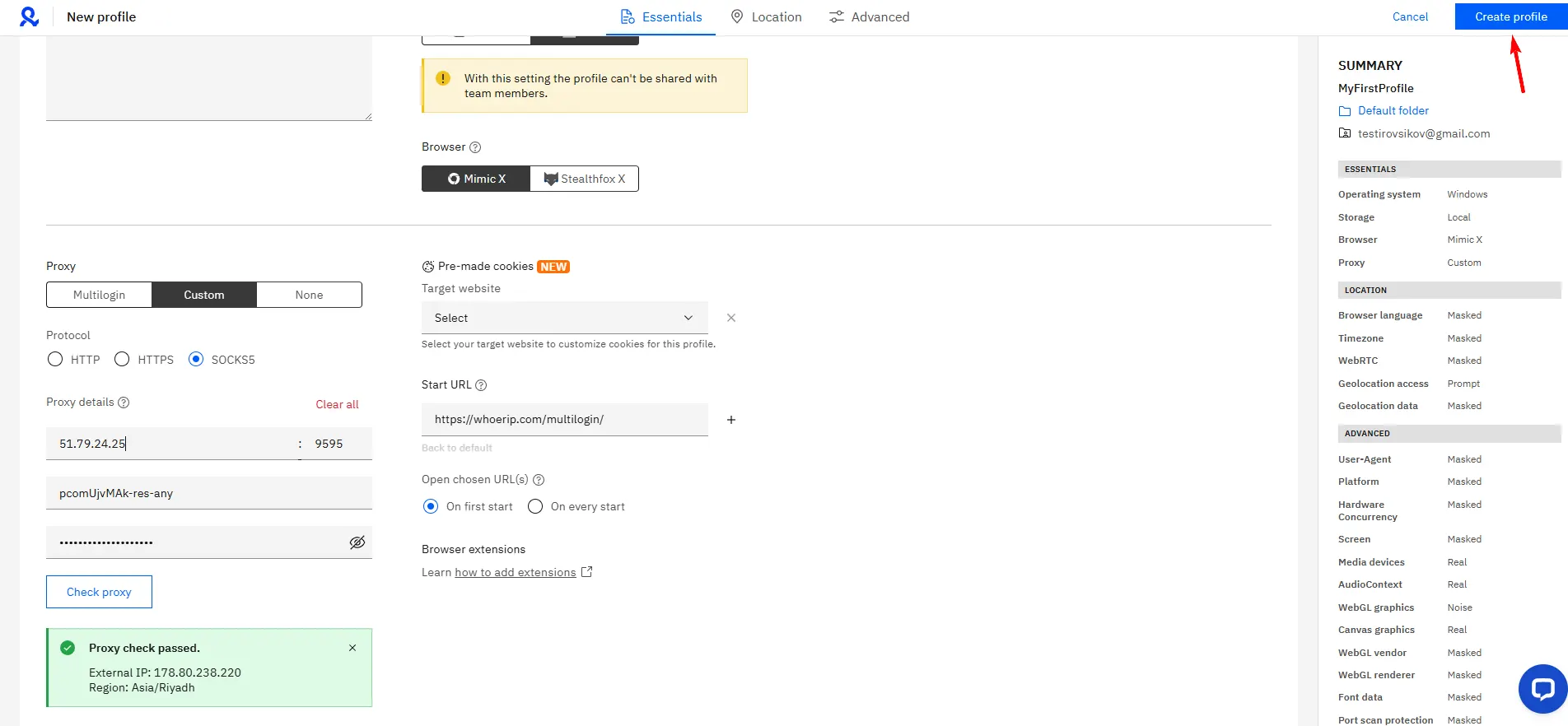
Important: Multilogin automatically adjusts the profile's Timezone and WebRTC geolocation to match your proxy data.
Click Create profile at the bottom of the screen.
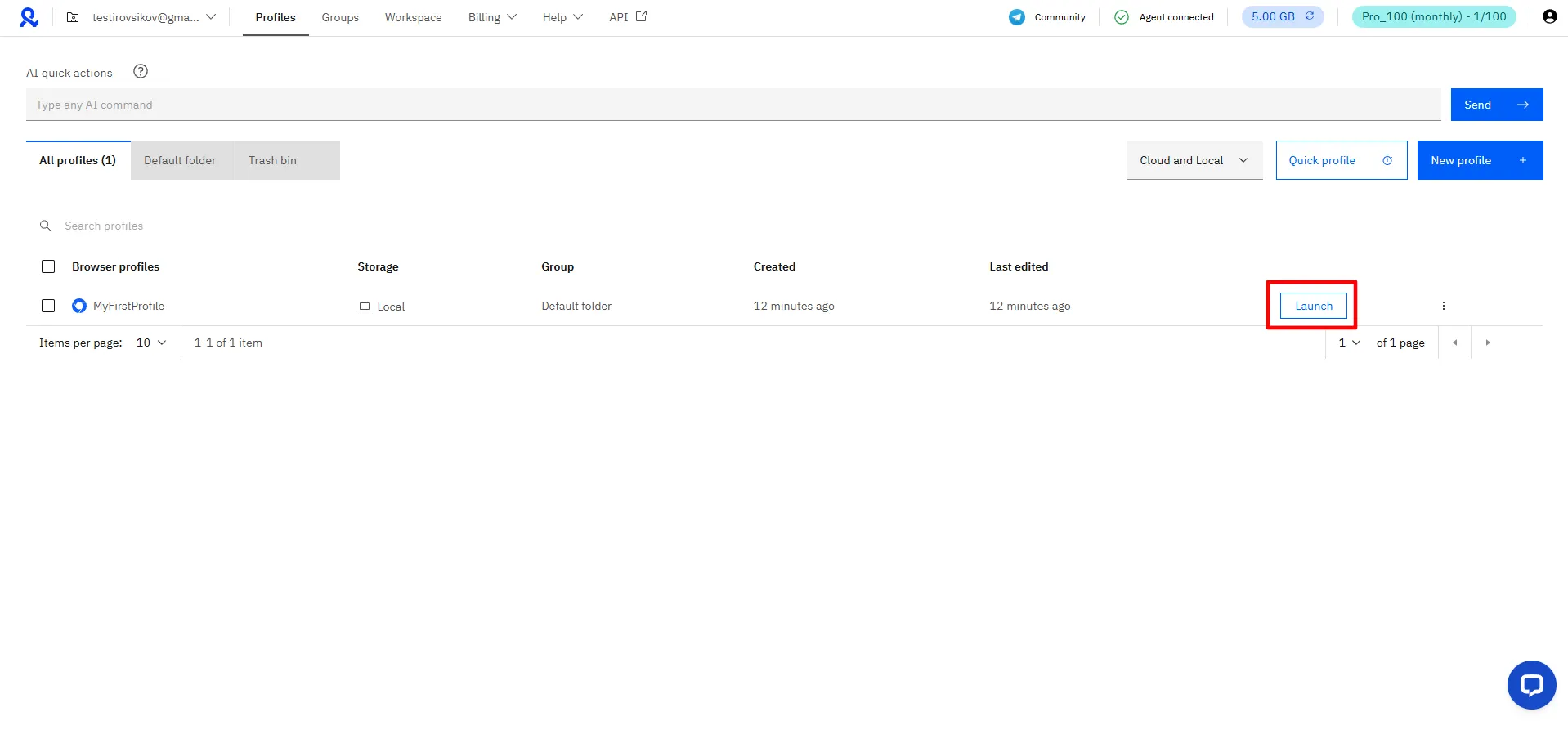
Step 6. Launch and test connection
Your profile is ready. Click the Start button next to its name.
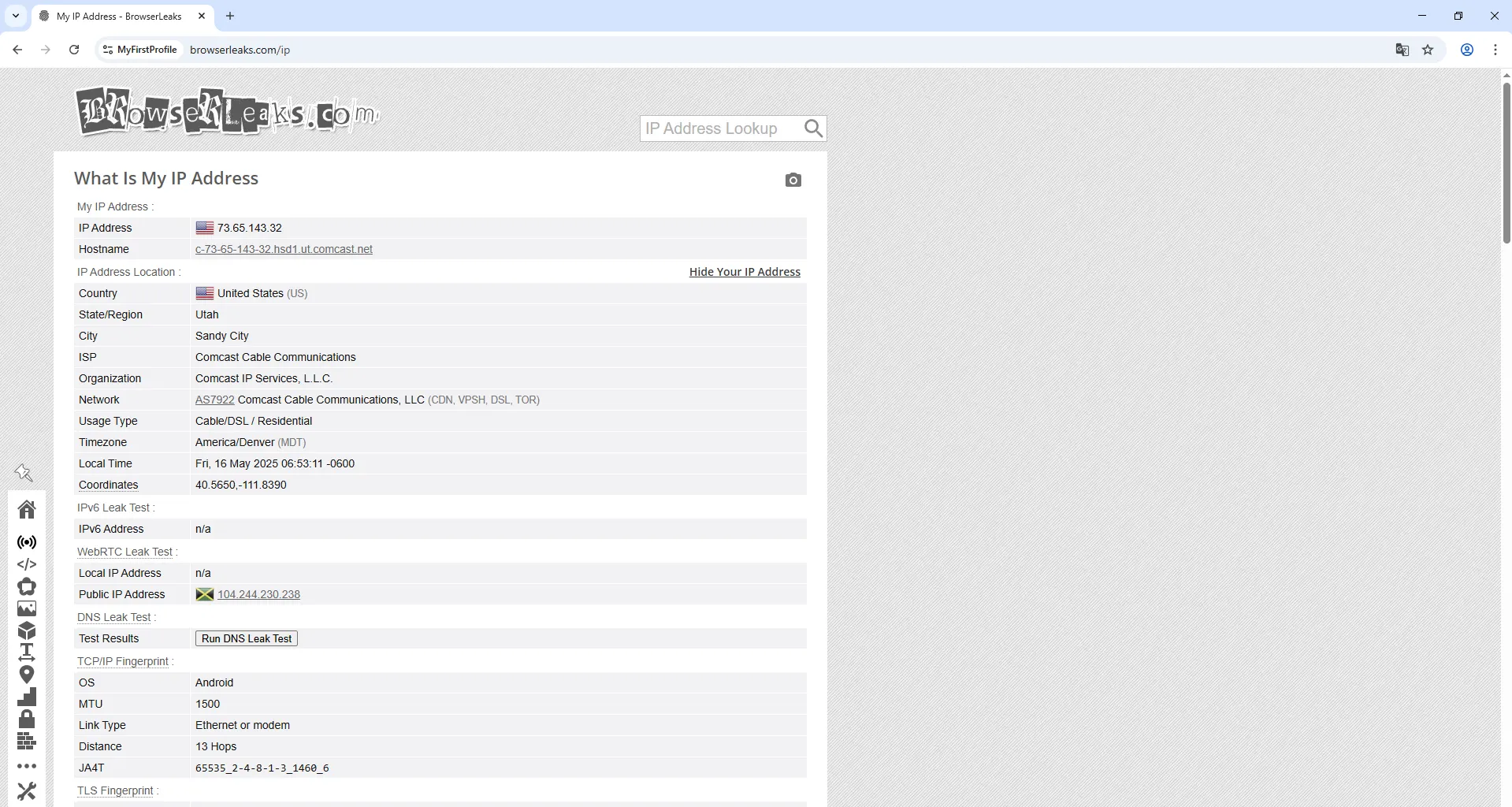
A browser window (Mimic or Stealthfox) will open. Before working, verify your proxy is working correctly.
How to test your Multilogin proxy connection
Open one of these tools in your Multilogin browser window:
BrowserLeaks – Check your IP address
Whoer – Complete anonymity test with DNS and WebRTC checks.
Verification Checklist ✅
IP address – Does it match your CyberYozh proxy IP?
DNS – No local DNS leaks. Should show the same country as your proxy.
WebRTC – Should NOT show your real home IP address
Geolocation – Should match your proxy country, not your real location
If any test fails, your proxy is not properly applied. Return to Step 3, re-enter your credentials, or contact CyberYozh support.
Multilogin proxy is not working: Causes and fixes
Here are the most common Multilogin proxy errors and how to resolve them quickly.
1. Authentication errors
What you see: Wrong proxy data or Authentication failed. Common causes:
Typo in username or password (copy-paste errors are frequent)
Missing or incorrect port number
Using IP authentication when password authentication is required.
How to fix:
Re-copy credentials from CyberYozh personal account – avoid manual typing
Verify the format: Host:Port then Username:Password separately
Check if your proxy uses IP whitelisting or password auth – they require different setup in Multilogin.
2. Connection timeout issues
What you see: Connection timeout or Proxy unreachable. It may happen if the proxy server is down, the local firewall or antivirus blocks the connection, or ISP blocks proxy ports.
How to fix:
Test the same proxy in another browser or tool to isolate the issue
Temporarily disable antivirus or firewall – then re-enable with Multilogin allowed
Try a different proxy port if available from CyberYozh.
3. IP not changing after launch
What you see: Your real IP appears on BrowserLeaks instead of the proxy IP. Here’s why it can happen:
Proxy fields are filled incorrectly (wrong port or IP format)
You skipped the "Check Proxy" step before creating the profile
WebRTC leak exposes your real IP despite proxy being active.
How to fix:
Return to Step 3 and verify every field – one wrong digit can break the setup
Never skip the "Check Proxy" button before creating the profile
Test with BrowserLeaks. If your real IP appears, enable "WebRTC leak protection" in Multilogin advanced settings.
4. Proxy mismatch errors
What you see: Proxy connects but geolocation or timezone doesn't match. It may happen if you use a residential or datacenter proxy when the platform expects mobile. Other causes include using a proxy from a different country than your profile expects, or using a rotating session instead of sticky, and vice versa.
How to fix:
Match your proxy type to the platform (mobile proxies for Instagram/TikTok, residential for Amazon or eBay, static residential for crypto platforms).
Ensure your Multilogin profile's timezone matches the proxy country – Multilogin auto-sets this when "Check Proxy" passes
For sticky sessions, verify your proxy supports sticky duration (e.g., 10 minutes, 24 hours, or permanent).
Firewall or provider restrictions
What you see: Connection refused or proxy works elsewhere but not in Multilogin. Common causes:
Corporate firewall blocks SOCKS5 protocol
ISP is blocking proxy ports (common in restrictive regions like UAE, China, Russia)
Antivirus software is intercepting the connection.
How to fix:
Try switching from SOCKS5 to HTTP in Multilogin – some networks restrict SOCKS only
Test on a different network (mobile hotspot) to identify if your ISP is the blocker
Add Multilogin to your antivirus allowlist – programs like Kaspersky, Norton, and Bitdefender often block proxy connections by default.
Conclusion
Correct proxy setup in Multilogin affects session stability, account reliability, and how platforms see your activity. Choosing the right proxy type and properly configuring it helps avoid failed proxy checks, IP leaks, and unstable sessions. With CyberYozh proxies and the setup practices covered in this guide, you can build more stable and consistent multi-profile workflows.