








CyberYozh App vs Nimble: Compare proxy infrastructure for business workflows in 2026
Choosing a proxy provider is about more than a polished dashboard or AI marketing. Businesses running web scraping, AI data collection, automation, advertising, SEO monitoring, and multi-account management need infrastructure they can price out, test, and scale without a sales call.
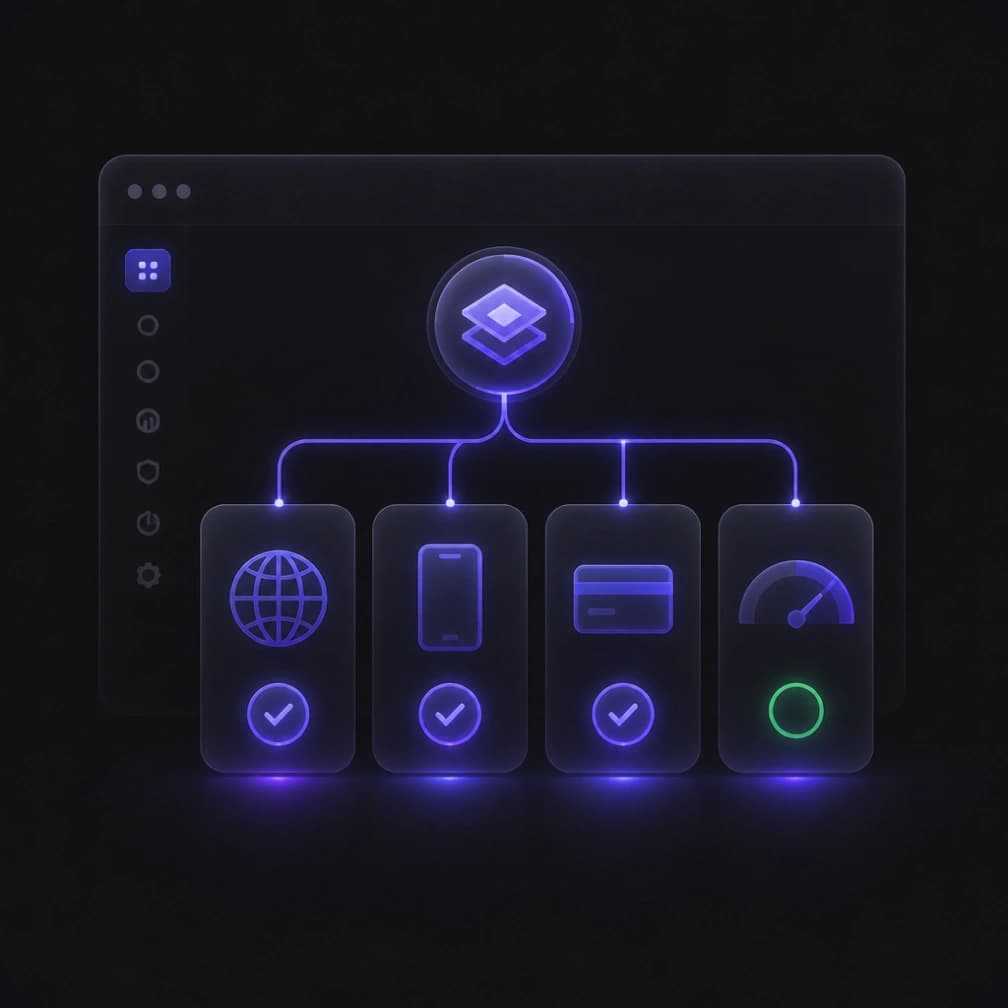
Nimble (Nimbleway) has moved away from being a straightforward proxy seller and now positions itself as a managed, AI-powered web-data platform, strong for enterprise teams building autonomous agents and structured data pipelines, but priced and packaged accordingly. CyberYozh App takes a more direct approach: real mobile LTE/5G, Residential ISP, Rotating Residential, and datacenter proxies combined with SMS activation, fraud risk checks, and fingerprint management in one self-serve platform, with published pricing on every tier.
In this comparison, we'll look at proxy infrastructure, pricing, protocols, IP quality, and business use cases to help you decide which platform fits your workflow in 2026.
CyberYozh App vs. Nimble: Proxy infrastructure (Which platform fits self-serve teams?)
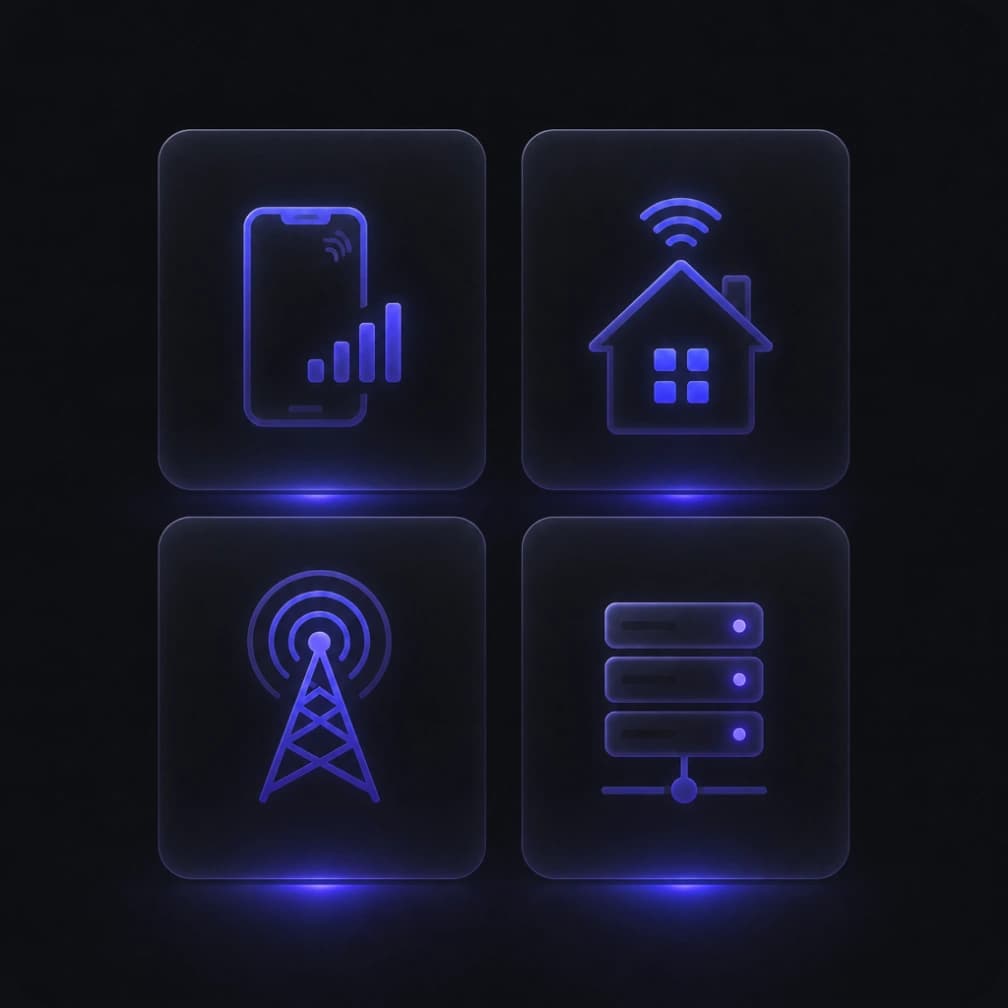
CyberYozh App is built around a complete proxy infrastructure that lets businesses match the right proxy to every workflow, real mobile LTE/5G, Residential ISP, Rotating Residential, and dedicated datacenter proxies from one platform, all with published pricing and instant self-serve access.
Nimble's infrastructure spans residential, datacenter, and mobile proxies too, but it sits under a managed-platform model built around its Nimble Browser and Web Search Agents. Getting a trial beyond the 5,000 free pages typically means contacting sales, which suits enterprise buying cycles better than teams that want to sign up and start immediately.
CyberYozh App vs. Nimble: Real mobile LTE/5G proxies (Which solution fits trust-sensitive workflows?)
CyberYozh App provides real carrier-based LTE/5G proxies with unlimited traffic from $1.70/day, manual or API-based IP rotation, and the ability to change OS fingerprints between Windows, Android, and macOS/iOS, built for social media management, advertising, and account registration where network authenticity matters.
Nimble's 4G proxies exist within its broader network but aren't marketed or priced as a distinct mobile product. For teams specifically prioritizing carrier-based mobile trust for account work, CyberYozh's dedicated mobile infrastructure and unlimited pricing are the more purpose-built fit.
CyberYozh App vs. Nimble: Residential proxies (Which network fits more business use cases?)
CyberYozh App offers two residential solutions: Residential ISP proxies for static IPs and unlimited-traffic long sessions, and Rotating Residential proxies covering 100M+ IPs across 195+ countries with traffic rollover and a 99.8% average operational success rate, priced from $2/GB.
Nimble's residential proxies rely on an AI fingerprint engine for stealth and claim coverage across 195 countries with city-level targeting, but it doesn't disclose the underlying pool size, and sticky sessions cap at 10 minutes—short for workflows that need long-held sessions. Entry pricing around $7.50/GB is substantially higher than CyberYozh's.
CyberYozh App vs. Nimble: Managing long-running sessions without interruptions
CyberYozh App is designed for uninterrupted, long-running operations, monitoring search results, managing accounts, or running automation continuously, with sticky sessions available up to 24 hours and unlimited traffic on mobile and ISP tiers.
Nimble's sticky sessions close after 10 minutes of inactivity, though it automatically issues a new IP on the same ASN to preserve geographic consistency if a session drops. For workflows that depend on holding one identity for hours at a time, CyberYozh's longer session windows are a better structural fit.
CyberYozh App vs. Nimble: Building reliable workflows with high-quality IPs
CyberYozh App prioritizes IP quality through continuous filtering and fraud risk checks across private pools, aiming to reduce failed requests and downtime for scraping, automation, and advertising workflows.
Nimble publishes a Trust Center detailing ethical sourcing and GDPR/CCPA compliance, and independently benchmarked figures put its mobile network success rate at 98.8%. Public review volume for the platform is still thin, though, which makes independent verification of broader IP quality claims harder than for more widely reviewed providers.
CyberYozh App vs. Nimble: Running high-volume automation efficiently
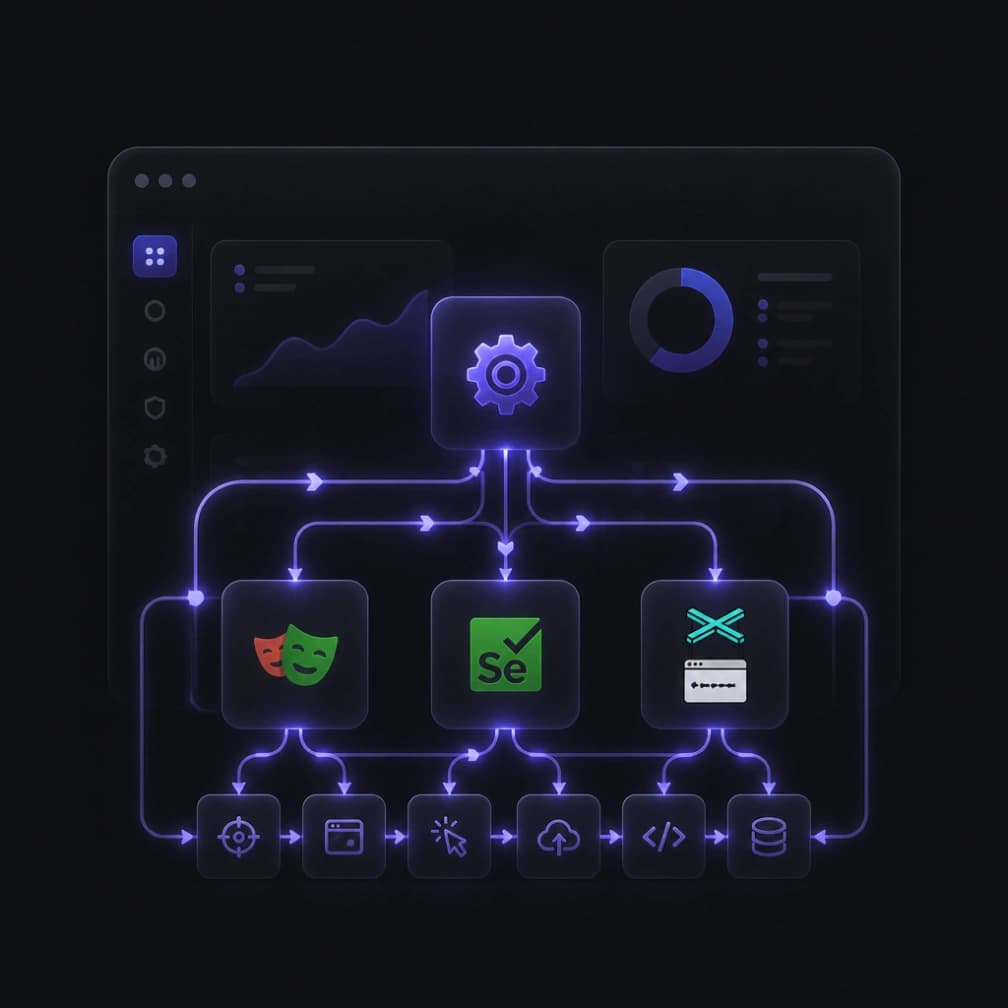
CyberYozh App supports automation at scale across mobile, Residential ISP, Rotating Residential, and datacenter proxies, with full API access and compatibility with Playwright, Puppeteer, Selenium, Scrapy, and Postman.
Nimble's Nimble Browser handles JavaScript rendering and dynamic content at the infrastructure level, and its Web Search Agents can deliver structured data directly into Snowflake, Databricks, or BigQuery, a genuinely strong offering for enterprise data engineering teams building automated pipelines, though it's a different tool for a different kind of buyer than teams that just need raw proxy access.
CyberYozh App vs. Nimble: Web scraping & AI data collection
CyberYozh App lets businesses choose the proxy type best suited to web scraping, AI training data, SERP collection, and market research, with Rotating Residential proxies offering full API access and traffic rollover for long-running collection projects.
Nimble is explicitly built around AI-native data collection, with MCP integration for AI coding tools and pre-built pipelines for SERP, e-commerce, and social data. For teams building AI agents that need governed, structured web access at enterprise scale, this is Nimble's clearest strength. For teams that primarily need cost-efficient proxy bandwidth, CyberYozh's pricing is markedly lower.
CyberYozh App vs. Nimble: SEO & market research
CyberYozh App enables localized search result collection, rank validation, and regional market monitoring across its proxy network, at country and region-level targeting.
Nimble offers city-level geo-targeting across its claimed 195-country network and a dedicated SERP data pipeline that returns structured, parsed results rather than raw HTML, useful for teams that don't want to build their own parsing layer, at a materially higher cost than CyberYozh's proxy-only approach.
CyberYozh App vs. Nimble: Digital marketing & media buying
CyberYozh App is built for advertising teams managing campaigns across regions and platforms, with real mobile LTE/5G proxies supporting campaign validation, geo-targeted testing, social media management, and account-based advertising workflows, plus SMS activation and fraud checks in the same ecosystem.
Nimble doesn't bundle SMS activation, virtual cards, or fraud-score checking, and its packaging focuses on data collection rather than account and identity management. Teams running multi-account advertising operations will need a separate vendor for those pieces alongside Nimble.
CyberYozh App vs. Nimble: E-commerce operations
CyberYozh App helps e-commerce businesses monitor competitors, validate storefronts, and manage multiple marketplace accounts across different proxy environments.
Nimble offers a dedicated e-commerce product-monitoring pipeline that delivers structured data on a schedule, which suits teams doing pure price and catalog intelligence at scale. For businesses that also need multi-account marketplace management, CyberYozh's bundled fingerprint and fraud tooling covers more of that workflow directly.