
Лучший тип прокси для парсинга в 2026 году

Коротко
Лучшие прокси для скрейпинга зависят от сайта, объёма запросов, локации, длительности сессии и бюджета.
Ротационные резидентские прокси — обычно самый универсальный вариант для скрейпинга e-commerce, мониторинга цен, отслеживания выдачи и крупномасштабного сбора данных.
Датацентровые прокси часто быстрее и доступнее, но некоторые сайты легче их распознают и блокируют.
ISP-прокси лучше подходят, когда нужен один стабильный IP для длительной сессии.
Мобильные прокси имеют больше смысла для мобильных сайтов, соцсетей, проверки рекламы и тестирования контента операторов связи.
Прокси работают лучше всего в сочетании с правильным темпом запросов, логикой повторных попыток, управлением сессиями и ответственным подходом к парсингу.
CyberYozh предоставляет резидентские, ISP, датацентровые и мобильные прокси, чтобы команды могли подобрать тип сети под задачу. Ознакомьтесь с каталогом прокси на странице каталога прокси CyberYozh, проверьте IP перед использованием в чекере репутации IP CyberYozhили изучите доступ к API на странице API-доступа CyberYozh.
Лучшие прокси для скрейпинга
Лучшие прокси для скрейпинга — те, которые помогают вашему парсеру надёжно отправлять запросы, достигать нужных локаций, поддерживать правильный тип сессии и укладываться в бюджет:
Для многих проектов по парсингу ротационные резидентские прокси — лучшая отправная точка. Они предоставляют доступ к большому пулу резидентских IP-адресов и могут автоматически менять IP для каждого запроса или сессии. Однако резидентские прокси не всегда необходимы.
Датацентровые прокси могут отлично работать для публичного сайта с лёгкими ограничениями.
ISP-прокси могут быть лучше, когда вашему парсеру нужно оставаться в системе несколько часов.
Мобильные прокси могут быть правильным выбором при тестировании мобильных сайтов, рекламы, соцсетей или контента, специфичного для операторов связи.
Не существует единого прокси, который был бы лучшим для всех проектов. Правильный ответ зависит от сайта, который вы парсите, и от того, как ведёт себя ваш парсер. Лучший вариант — тот, который подходит для задачи, не делая рабочий процесс дороже или сложнее, чем нужно.
Нужна помощь с выбором? Сравните резидентские, ISP, датацентровые и мобильные варианты в каталоге прокси CyberYozh.
Что такое прокси для скрейпинга
Прокси для скрейпинга — это сервер, который находится между вашим парсером и сайтом, с которого вы собираете данные.
Без прокси каждый запрос идёт с вашего обычного IP-адреса.
Если ваш скрейпер отправляет слишком много запросов с одного IP-адреса, сайт может:
Замедлить соединение
Вернуть ошибку 403
Вернуть ошибку 429 (превышение лимита запросов)
Показать капчу
Отобразить пустую или ограниченную страницу
Временно заблокировать IP-адрес
При использовании прокси запрос работает следующим образом:
Ваш скрейпер отправляет запрос на прокси.
Прокси отправляет запрос на сайт.
Сайт видит IP-адрес прокси вместо вашего исходного IP.
Ответ возвращается через прокси.
Ротационные прокси могут автоматически менять IP-адрес. Sticky-сессия позволяет сохранять один и тот же IP-адрес в течение заданного периода, когда вашему скрейперу нужны cookie, состояние авторизации или многостраничная сессия.
Прокси для скрейпинга обычно используются для:
Мониторинга цен в e-commerce
Проверки наличия товаров
Исследования конкурентов
Отслеживания результатов поисковой выдачи
Сбора публичных объявлений
Мониторинга цен на путешествия
Тестирования региональных сайтов
Маркетинговых исследований
Разрешённого сбора данных для ИИ
Прокси дают больше контроля над тем, как ваши запросы достигают сайта. Они не делают слабый код скрейпера надёжным. Вам всё равно нужны:
Правильная настройка времени запросов
Лимиты повторных попыток
Таймауты
Обработка ошибок
Валидация данных
Управление сессиями
Чтобы подробнее узнать о том, как сеть и краулер работают вместе, см. гайд CyberYozh по процессу скрейпинга.
Зачем нужны прокси для парсинга
Не каждому парсеру нужны прокси. Если вы собираете несколько публичных страниц время от времени, вашего обычного интернет-соединения может быть достаточно. Прокси становятся полезнее, когда:
Вы парсите много страниц
Вам нужны данные из разных стран
Одна и та же задача выполняется каждый день
Несколько воркеров отправляют запросы одновременно
На сайте установлены строгие лимиты запросов
Вашему парсеру нужны отдельные сессии
Посмотрите лучших провайдеров прокси для парсинга в 2026 году
Сайты могут ограничивать запросы с одного IP
Многие сайты ограничивают количество запросов, которые может отправить один IP-адрес за определённый период. Если ваш парсер отправляет запросы слишком быстро, вы можете столкнуться с:
ошибками 403
ошибками 429
страницами с капчей
медленными ответами
пустым контентом
временными блокировками
Ротационные прокси распределяют запросы по разным IP-адресам. Это не значит, что нужно отправлять трафик как можно быстрее. Вам всё равно следует использовать разумные задержки и соблюдать правила сайта.
Когда авторизованный процесс сталкивается с трудностями, вы можете изучить практичные решения для капчи, вместо того чтобы бесконечно повторять один и тот же неудачный запрос.
Сайты могут показывать разные данные в зависимости от местоположения
Сайт может показывать разную информацию в зависимости от того, откуда, по его мнению, находится пользователь. Это может влиять на:
Цены
Наличие товара
Результаты поиска
Рекламу
Варианты доставки
Валюту
Язык
Акции
Например, компания в сфере E-commerce может захотеть сравнить цену товара в Германии, Нигерии, Великобритании и США.
прокси с геотаргетингом позволяет скрейперу подключаться из нужной для исследования страны. Также полезно понимать, как работает геотаргетинг, потому что местоположение IP — лишь один из сигналов. Сайты могут учитывать язык, куки, настройки аккаунта и выбор маркетплейса.
Один IP создаёт очевидный паттерн
Если все запросы идут с одного IP, паттерн трафика легче распознать. Ротация помогает распределить независимые запросы по нескольким соединениям. Это полезно при сборе:
Страниц товаров
Страниц категорий
Результатов поиска
Отзывов
Листингов
Публичных каталогов
Если ваш процесс зависит от состояния логина или куков, не ротируйте IP после каждого запроса. Используйте sticky-сессию.
Крупным скрейперам нужно больше подключений
Небольшой скрейпер может открывать по одной странице за раз. Крупный краулер может отправлять десятки или сотни запросов одновременно. На этом этапе нужно учитывать:
Параллельность
Доступные IP
Неудачные запросы
Лимиты повторов
Аутентификацию
Длительность сессии
Использование трафика
Стоимость успешной страницы
Провайдер может рекламировать миллионы IP, но это число мало что значит, если IP недоступны в нужных вам локациях или не работают с вашими целевыми сайтами.
Лучшие типы прокси для скрейпинга
Четыре основных типа прокси для скрейпинга:
Ротационные резидентские прокси
Датацентровые прокси
ISP-прокси
Мобильные прокси
Каждый тип лучше подходит для разных задач.
Ротационные резидентские прокси
Ротационные резидентские прокси часто являются лучшим выбором для скрейпинга e-commerce, регионального исследования, SERP-мониторинга и крупномасштабного сбора публичных данных.
Благодаря этому они выглядят как обычные домашние подключения, а не как датацентровые IP. Ротационные резидентские прокси полезны для:
Мониторинга цен в E-commerce
Сбора каталогов товаров
Исследования маркетплейсов
Региональных результатов поиска
Данных о путешествиях
Публичных отзывов
Мониторинга конкурентов
Тестирования локального контента
Их главное преимущество — сочетание резидентских IP с:
Автоматической ротацией
Sticky-сессиями
Таргетингом по странам
Большими пулами IP
API-доступом
Управлением сессиями
Ротационная резидентская сеть CyberYozh включает более 50 миллионов IP в более чем 195 странах. Она поддерживает ротационные сессии, sticky-сессии длительностью до 24 часов, расширенную фильтрацию, геотаргетинг, API-доступ, перенос трафика и подключения по HTTP, HTTPS и SOCKS5.
Нужен большой пул резидентских IP для E-commerce или поисковых данных? Начните с ротационных резидентских прокси CyberYozh.
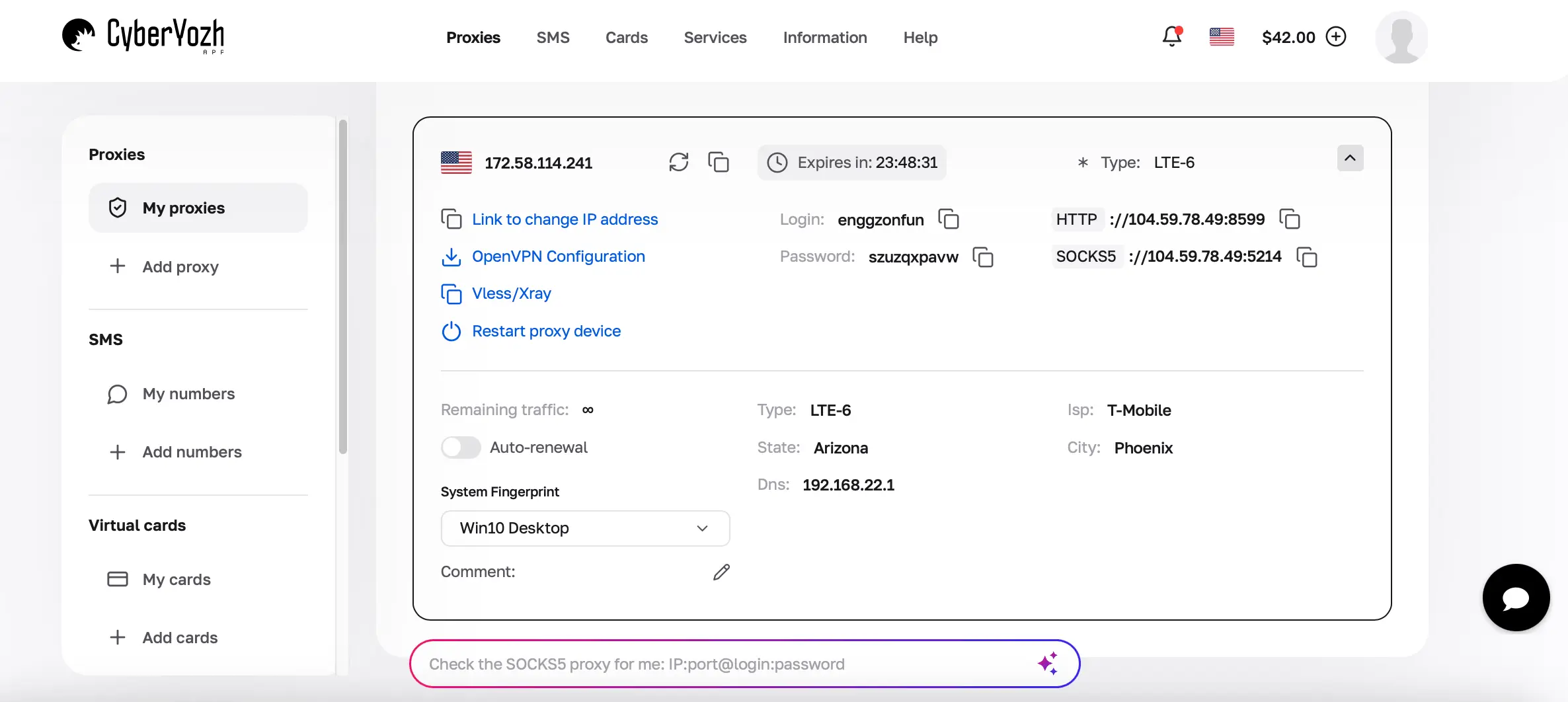
Ротационные резидентские прокси обычно тарифицируются по трафику. Чтобы снизить расходы, не загружайте ничего, что не нужно вашему скрейперу. Если вам нужны только названия товаров, цены и информация о наличии, часто можно заблокировать:
Изображения
Видео
Шрифты
Аналитические скрипты
Рекламные скрипты
Используйте ротационные резидентские прокси, когда:
Вам нужно много IP-адресов
Вам нужны данные из нескольких стран
Сайт имеет строгие ограничения на запросы
Запросы в основном независимы
Вам нужна автоматическая ротация IP
Небольшого списка прокси уже недостаточно
Датацентровые прокси
Датацентровые прокси поступают с облачных серверов, хостинг-компаний и датацентров. Обычно они:
Быстрые
Стабильные
Доступные по цене
Легко масштабируются
Они хорошо подходят для:
Публичные сайты с минимальными ограничениями
Тестирование собственных сайтов
Тестирование API
Внутренний контроль качества
Высокообъёмный парсинг
Недорогие эксперименты
Задачи, требующие высокой скорости
Датацентровые прокси могут стать лучшим выбором для скрейпинга, если целевой сайт принимает серверный трафик и вы хотите снизить расходы.
Главный недостаток в том, что некоторые сайты распознают диапазоны датацентровых IP проще, чем резидентские. Используйте датацентровые прокси, когда:
Целевой сайт принимает трафик из датацентров
Важна скорость
Нужно снизить расходы
Резидентский IP не требуется
Вы тестируете собственную систему
Если вы не уверены, какой тип сети подходит для вашего проекта, сравнение датацентровых и резидентских прокси объясняет основные различия. Ищете быстрый и доступный вариант? Сравните датацентровые прокси CyberYozh.
ISP-прокси
ISP-прокси часто называют статичными резидентскими прокси. Они сочетают стабильную серверную инфраструктуру с IP-адресами, привязанными к интернет-провайдерам. В отличие от ротационных резидентских прокси, они обычно сохраняют один и тот же IP дольше. Они полезны для:
Сессий с авторизацией
Работы с cookie
Многоступенчатых процессов
QA-тестирования
Стабильного просмотра с привязкой к региону
Длительных задач
Используйте ISP-прокси, когда:
Вашему процессу нужен один стабильный IP
Важно сохранение авторизации
Cookie должны оставаться активными
Постоянная ротация нарушит работу сессии
Вам нужна большая стабильность, чем может дать ротационный пул
ISP-прокси CyberYozh лучше подходят для процессов, где стабильность сессии важнее частой смены IP.
Мобильные прокси
Мобильные прокси направляют трафик через сети LTE или 5G мобильных операторов. Они более специализированные и обычно дороже датацентровых или резидентских прокси. Они полезны для:
Тестирования мобильных приложений
Тестирования мобильных сайтов
Работы с социальными платформами
Проверки рекламы
Тестирования контента конкретных операторов
Платформ, ориентированных на мобильные устройства
Регионального мобильного контента
Мобильные прокси CyberYozh поддерживают выделенные каналы, смену IP через API и вручную, UDP и маршрутизацию через мобильные сети.
Гайд, сравнивающий мобильные и резидентские прокси, поможет решить, стоит ли подключение через оператора более высокой цены. Также можно сравнить разных провайдеров в гайде по лучшим провайдерам мобильных прокси.
Тестируете платформу, ориентированную на мобильные устройства? Изучите мобильные прокси CyberYozh.
Ротационные прокси против статичных прокси
Ротационный прокси меняет IP-адрес по заданному правилу. Статичный прокси сохраняет один и тот же IP.
Используйте ротационные прокси для
Сбора результатов поиска
Парсинга страниц товаров
Обхода категорий
Мониторинга цен
Публичных списков
Больших пакетов независимых запросов
Регионального исследования
Используйте статичные или sticky-прокси для
Залогиненных аккаунтов
Корзин покупок
Многостраничных форм
Браузерных сессий
Процессов, основанных на cookies
Задач, требующих одного стабильного местоположения
Хорошая система парсинга может использовать и то, и другое.
Например, команда e-commerce может использовать ротационные резидентские прокси для сбора тысяч страниц товаров и ISP-прокси, чтобы поддерживать активной одну авторизованную сессию в панели продавца.
HTTP, HTTPS и SOCKS5 для парсинга
HTTP, HTTPS и SOCKS5 описывают, как прокси обрабатывает трафик.
HTTP-прокси
HTTP-прокси работают с обычным веб-трафиком. Их часто используют с:
Python Requests
Scrapy
cURL
Браузеры
Стандартные HTTP-сайты
Для большинства задач парсинга поддержки HTTP достаточно.
HTTPS-прокси
HTTPS-прокси поддерживают зашифрованные соединения с HTTPS-сайтами. Большинство современных сайтов используют HTTPS, поэтому это важно для обычного парсинга.
SOCKS5-прокси
SOCKS5 работает на более низком сетевом уровне и поддерживает больше типов трафика. Это полезно, когда:
Приложению нужна большая гибкость протоколов
Рабочий процесс включает не-HTTP трафик
Инструмент поддерживает SOCKS-соединения
Нужна маршрутизация на уровне приложения
Прокси или VPN для парсинга
VPN обычно направляет большую часть или весь трафик с устройства через один VPN-сервер. Прокси можно использовать для одного скрипта, браузера, воркера, приложения или запроса. VPN может быть достаточно, когда:
Вы просматриваете сайты вручную
Вам нужно всего несколько локаций
Вам не нужна автоматическая ротация
Вам нужна маршрутизация для всего устройства
Прокси обычно лучше, когда:
Вы запускаете скрейпер
Вам нужно много IP-адресов
Вам нужна автоматическая ротация
Вам нужны sticky-сессии
Разным воркерам нужны разные подключения
Вам нужен контроль через API
Прокси даёт краулеру больше контроля, чем обычный VPN. Подробное сравнение прокси и VPN объясняет, когда какой вариант имеет смысл.
Как выбрать лучшего провайдера прокси для парсинга
Не выбирайте провайдера только потому, что он заявляет о большом пуле IP. Смотрите на то, что действительно нужно вашему скрейперу.
Начните с самого простого прокси, который работает
Практичный порядок тестирования:
Датацентровые прокси для простых публичных сайтов
ISP-прокси для стабильных сессий
Ротационные резидентские прокси для региональных или более строгих целей
Мобильные прокси для mobile-first сайтов или задач, специфичных для операторов связи
Это убережёт вас от переплаты за дорогую сеть, когда достаточно более простого решения.
Проверьте настройки ротации и управления сессиями
Задайте вопросы:
Может ли IP меняться после каждого запроса?
Могу ли я сохранить один и тот же IP, когда это нужно?
Как долго может длиться sticky-сессия?
Могу ли я управлять ротацией через API?
Могут ли разные воркеры поддерживать отдельные сессии?
Протестируйте реальную производительность
Не полагайтесь только на заявленный аптайм. Проведите небольшой тест и измерьте:
Успешно загруженные страницы
Неудачные запросы
Частота капчи
Среднее время отклика
Частота таймаутов
Количество повторных попыток
Использованный трафик
Стоимость одной полезной записи
Самый дешёвый прокси может оказаться дорогим, если большинство запросов будет проваливаться.
Совет: Протестируйте провайдера на реальной цели, прежде чем покупать большой тариф.
Проверьте совместимость с инструментами
Ваши прокси должны работать с инструментами, которые вы уже используете. Это могут быть:
Scrapy
Selenium
Playwright
Puppeteer
Python Requests
Postman
cURL
Node.js
CyberYozh также предоставляет варианты настройки для Scrapy, Playwright, Puppeteerи Selenium-прокси.
API и автоматизация с Yozh Scraper
Многие провайдеры прокси останавливаются на том, что дают вам доступ к IP-адресам. Вам всё равно приходится самостоятельно создавать краулер, управлять браузерными сессиями, собирать результаты поиска, очищать данные и поддерживать весь процесс.
CyberYozh объединяет свою прокси-инфраструктуру с Yozh Scraper— экосистемой для скрейпинга с открытым исходным кодом. Это даёт разработчикам возможность связать:
API поиска
Маршрутизацию прокси
Управление сессиями
Извлечение данных
Вывод, готовый для AI
Собирайте результаты поиска и парсите страницы в одном запросе
CyberYozh Search API поддерживает Google, Bing и Yandex. Добавив scrape: true к запросу, система может:
Получить результаты поиска.
Открыть возвращённые страницы через Playwright.
Извлечь данные.
Вернуть объединённый ответ.
Используйте опенсорс-инструменты без дополнительной ежемесячной платы
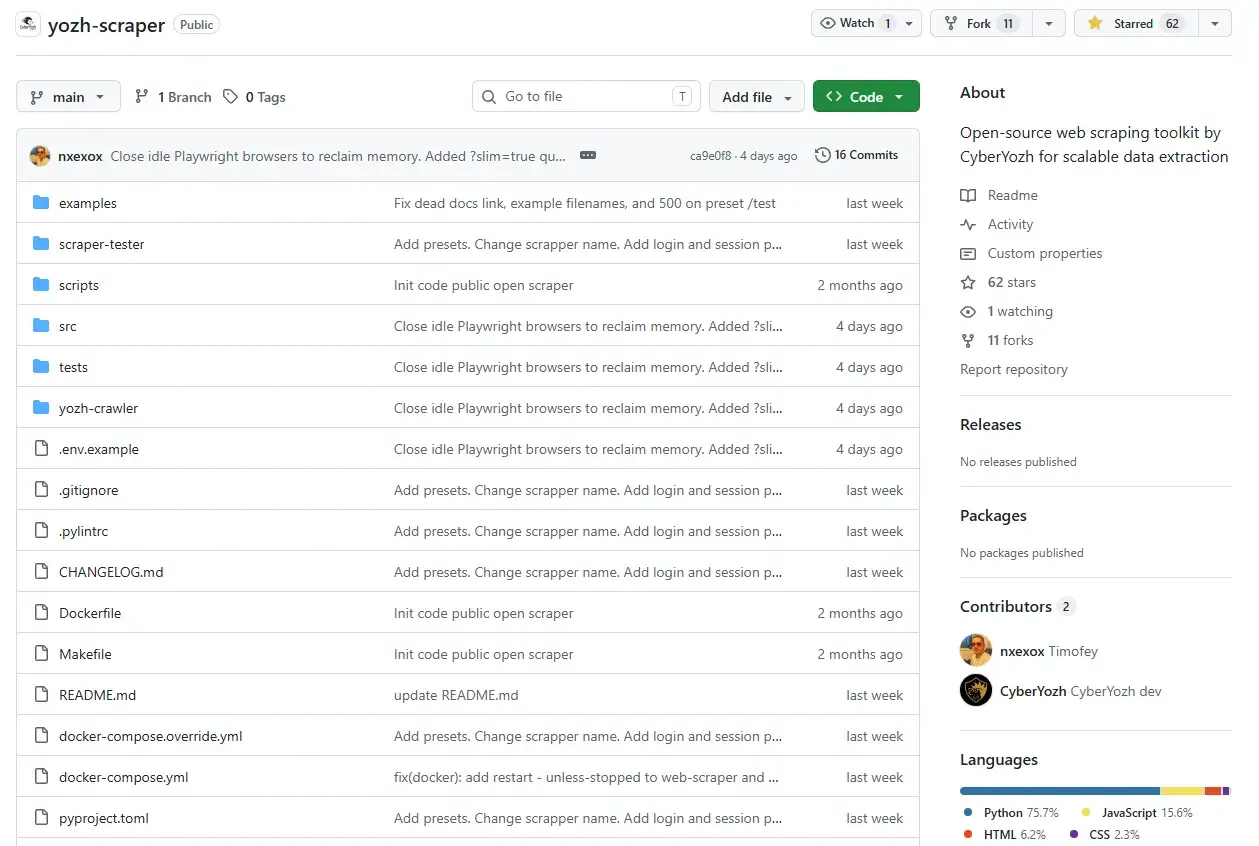
Yozh Scraper и его интерфейс распространяются с открытым исходным кодом. Вы можете:
Изучить код
Изменить его
Развернуть на своих серверах
Встроить в свою систему
Создавать собственные процессы
Вы платите только за прокси-сеть, которую используете в продакшене, вместо того чтобы оплачивать ещё одну подписку на закрытое ПО.
Восстанавливайте работу при изменении вёрстки страницы
Традиционные скрейперы часто зависят от фиксированных CSS-селекторов. Когда сайт меняет вёрстку, эти селекторы перестают работать. Yozh Scraper умеет использовать AI-парсинг, чтобы найти недостающие поля в доступном HTML и продолжить извлечение данных.
Это не отменяет необходимость валидации, но помогает снизить количество задач, которые падают из-за небольших изменений в вёрстке.
Сохраняйте активные сессии браузера
Некоторым разрешённым процессам требуется состояние авторизации, куки или многошаговая навигация. Постоянные сессии браузера позволяют краулеру сохранять этот контекст между запросами. Для аккаунтов, к которым у вашей команды есть доступ, разрешённые куки сессий также помогают сократить количество повторных входов.
Подключайте инструменты скрейпинга к AI-агентам
Yozh Scraper поддерживает Model Context Protocol. Это значит, что совместимые AI-окружения, включая Claude Desktop и агентов на базе LangChain, могут напрямую вызывать инструменты скрейпинга.
Создавайте более чистые данные для поиска и AI-процессов
Сырой HTML содержит много шума, включая:
Меню
Рекламу
Баннеры о куки
Боковые панели
Посторонние ссылки
Формат fit_markdown убирает большую часть этого шума и возвращает чистый Markdown. Это делает результат удобнее для:
Поиска
Хранения
Анализа
Индексации
Использования в разрешённых AI-процессах
Хотите создавать решения без дополнительной подписки на скрейпер? Изучите Yozh Scraper на GitHub. Уже есть краулер? Подключите его к CyberYozh API access.
Частые ошибки при использовании прокси для скрейпинга
Использование бесплатных прокси в продакшене: Бесплатные прокси могут быть
Медленными
Нестабильными
Небезопасными
Используемыми многими людьми одновременно
Уже заблокированными
Они могут подойти для быстрого теста, но редко годятся для рабочих процессов бизнеса.
Слишком частая ротация: Смена IP после каждого запроса может нарушить работу
Куки
Сессий входа
Корзин покупок
Многошаговых форм
Используйте sticky-сессию, когда сайт ожидает непрерывности соединения.
Слишком долгое использование одного IP
Противоположная ошибка — отправка слишком большого количества запросов через один IP. Это может вызвать ограничения по частоте запросов или сделать паттерн трафика более заметным.
Считать каждый ответ 200 успешным
Сайт может вернуть код статуса 200, при этом показывая:
Капчу
Страницу входа
Экран согласия
Пустой контент
Сообщение о блокировке
Частая ошибка: не сохраняйте страницу только потому, что код ответа 200. Проверьте, что заголовок, поля и содержимое соответствуют ожидаемым.
Бесконечные повторы
Неограниченные повторы увеличивают затраты и трафик.
Используйте:
Лимиты повторов
Таймауты
Экспоненциальную задержку
Логи ошибок
Чёткие типы ошибок
Для проектов на Python гайд по повторным запросам в Python Requests показывает практичные способы обработки временных сбоев.
Загрузка ненужного контента
Изображения, видео, шрифты, реклама и скрипты отслеживания могут потреблять большой объём трафика резидентских прокси. Блокируйте всё, что не требуется для нужных вам данных.
Почему CyberYozh подходит для парсинга
CyberYozh — это не просто место для покупки прокси-адресов. Платформа объединяет прокси-инфраструктуру с инструментами для парсинга и автоматизации. Среди ключевых возможностей:
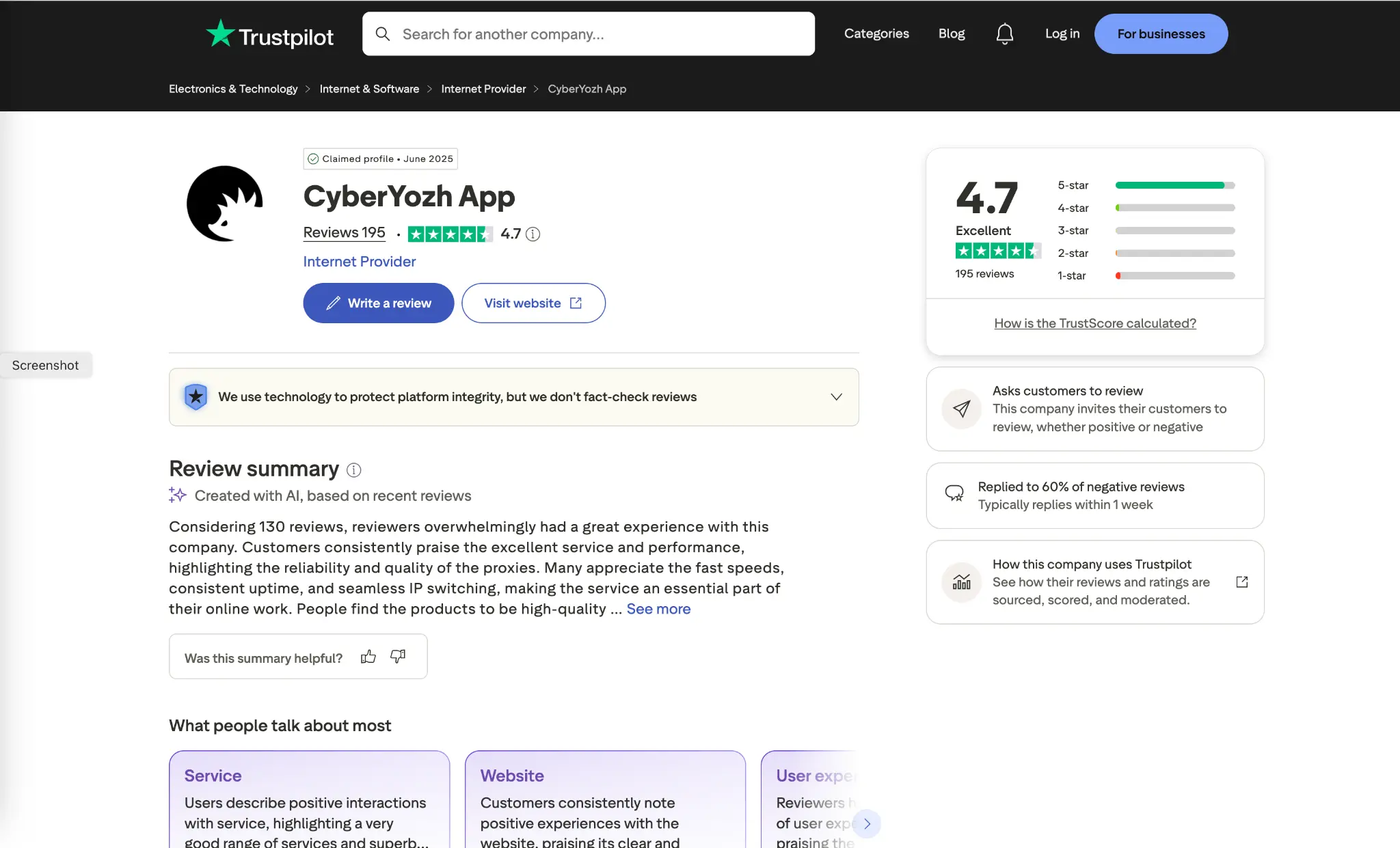
Более 100 млн IP-адресов
Более 195 поддерживаемых стран
Sticky-сессии длительностью до 24 часов (ротационные резидентские прокси)
Автоматическая ротация
Перенос неиспользованного трафика
Геотаргетинг
Доступ к API
Расширенная фильтрация IP
Массовые учётные данные
Проверка репутации IP
Резидентские, ISP, датацентровые и мобильные прокси
Yozh Scraper
Интеграция с API поиска
Эти инструменты не гарантируют успешное выполнение каждого запроса, но дают командам больше контроля над:
Местоположением
Сессиями
Типом сети
Автоматизацией
Стоимостью
Доступом к проектам
Перед запуском прокси в продакшн можно также воспользоваться чекером репутации IP от CyberYozh, чтобы проверить доступные сигналы риска.
Нужны прокси, доступ к API, проверка IP и открытый парсер в одном рабочем процессе? Начните работу с CyberYozh.
Заключение
Не существует единственного прокси, который подойдёт для любой задачи парсинга. Не выбирайте провайдера только потому, что он рекламирует самый большой пул адресов. Протестируйте прокси на реальном сайте и измерьте:
Успешно загруженные страницы
Неудачные запросы
Время отклика
Частоту капчи
Пропускную способность
Количество повторных попыток
Стоимость одной успешной записи
CyberYozh объединяет несколько прокси-сетей со sticky-сессиями длительностью до 24 часов для поддерживаемых ротационных резидентских прокси, поддержкой протоколов HTTP, HTTPS, SOCKS5 и UDP, интеграцией с антидетект-браузерами, доступом к API, проверкой репутации IP и экосистемой открытого парсера Yozh Scraper.
Сравните доступные сети в каталоге прокси CyberYozh. Создайте свой парсер с помощью Yozh Scraper на GitHub.